Logitech MX Mechanical Mini vs MX Keys Mini: Key Typing Sound and Noise Comparison
Logitech MX Mechanical Mini vs MX Keys Mini: Key Typing Sound and Noise Comparison
The Logitech MX Mechanical Mini offers a quieter typing experience compared to the MX Keys Mini, emphasizing tactile feedback and sound profile.
Ergonomics: Design and Comfort
Both keyboards feature a compact design, promoting a natural wrist position during prolonged use. The MX Mechanical Mini includes adjustable height settings to enhance typing comfort.
Performance: Typing Experience
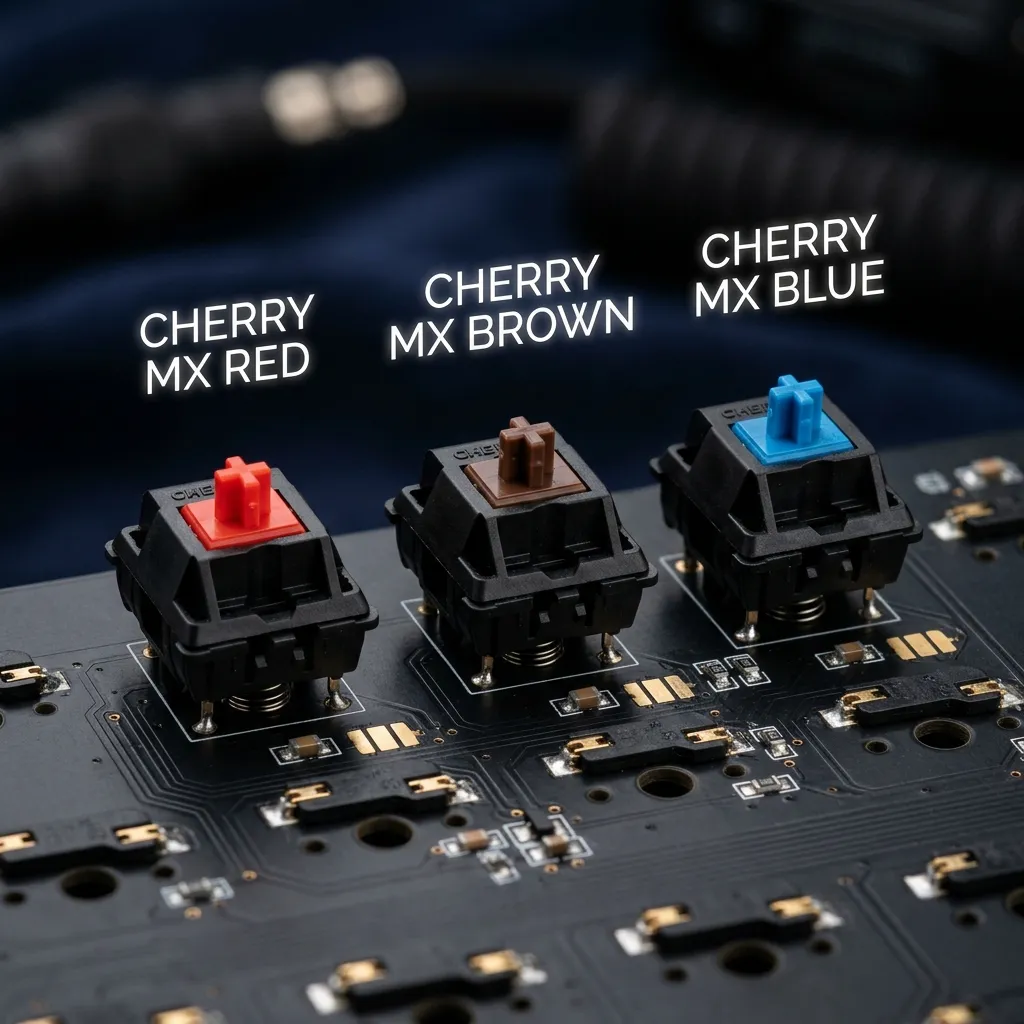
The MX Mechanical Mini utilizes mechanical switches, providing distinct tactile feedback and a more audible sound profile. In contrast, the MX Keys Mini employs scissor switches, ensuring a quieter operation with a softer touch.
Materials and Build Quality
Durable plastic is used in both models, with the MX Mechanical Mini featuring a premium finish to enhance its tactile and aesthetic appeal. Metal reinforcement is present in the MX Keys Mini, aiding in stability and overall durability.
Sound Profile: Typing Noise Comparison
The MX Mechanical Mini produces a pronounced click with each keystroke, making it more suitable for users who prefer auditory feedback. Conversely, the MX Keys Mini operates quietly, ideal for shared workspaces or environments where noise reduction is crucial.
Connectivity and Battery Life
Both keyboards utilize Bluetooth and USB-C connections, ensuring versatility across devices. Battery life varies, with the MX Keys Mini lasting longer due to lower power consumption from its scissor switches.
| Feature | Logitech MX Mechanical Mini | Logitech MX Keys Mini |
|---|---|---|
| Switch Type | Mechanical | Scissor |
| Sound Level | Moderate to Loud | Quiet |
| Key Travel | 1.5mm | 1.0mm |
| Battery Life | 10 days with backlighting | 5 months without backlighting |
| Weight | 650g | 600g |
DomineTec Tip: For optimal ergonomic performance, consider using a wrist rest to maintain neutral wrist alignment while typing.
- Evaluate the typing sound preference: mechanical vs. scissor switches.
- Examine the keyboard’s height adjustability for comfort.
- Consider the workspace environment when choosing between noise levels.
- Assess battery life needs based on usage patterns.
- Explore compatibility with various devices before making a purchase.

Customization Options: Key Mapping and Software Features
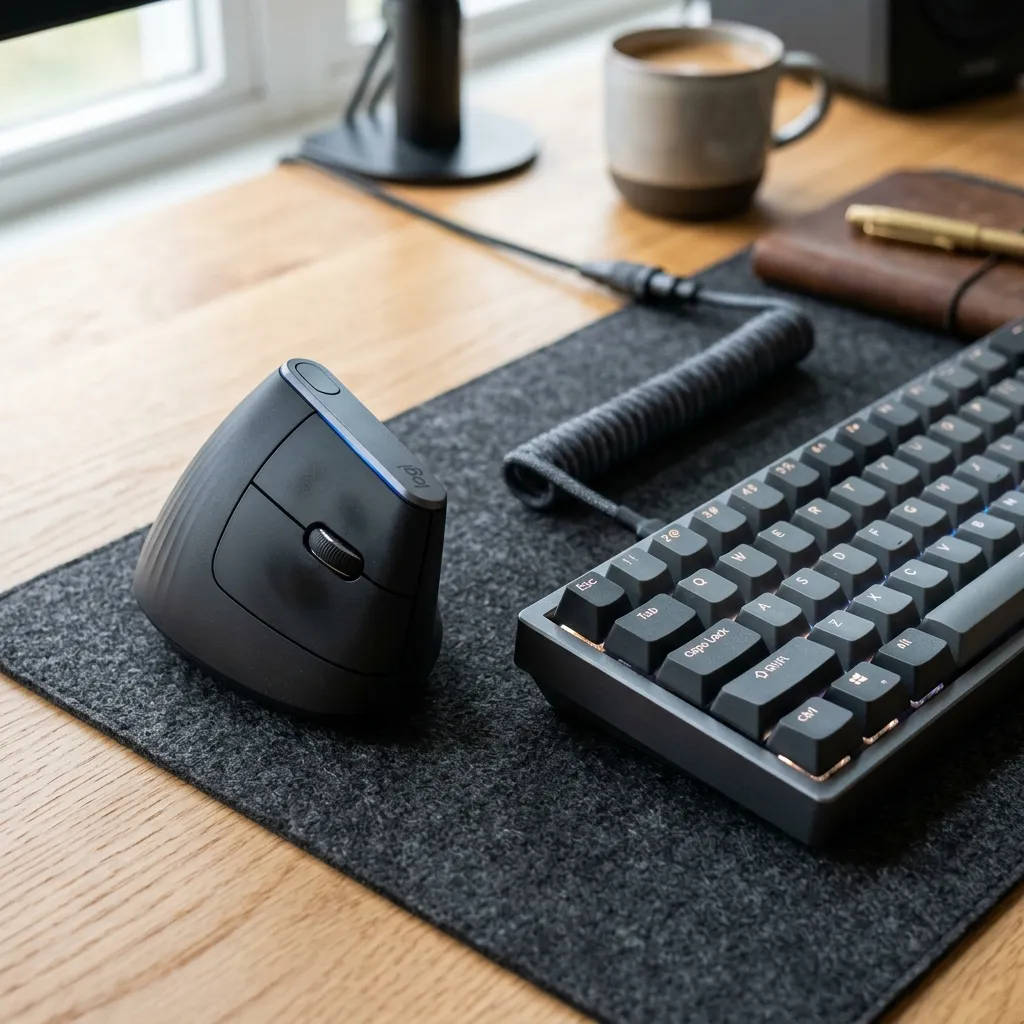
Both the Logitech MX Mechanical Mini and MX Keys Mini come equipped with advanced customization features that enhance user experience. Logitech's Options software allows users to remap keys, assign macros, and adjust backlighting settings for both keyboards.
This level of customization is crucial for power users who rely on shortcuts to increase productivity, especially in software like Adobe Creative Suite or Microsoft Office. The ability to create personalized profiles for different applications further amplifies the functionality of these keyboards.
Switch Types: Mechanical vs. Membrane Insights
The MX Mechanical Mini utilizes mechanical switches, which provide tactile feedback, while the MX Keys Mini uses a more traditional membrane design. Mechanical switches are favored for their durability and responsiveness, making them ideal for heavy typists or gamers.
In contrast, membrane switches are generally quieter and can be more comfortable for prolonged use, appealing to those in quieter environments. Understanding the differences in switch technology is essential for users to choose a keyboard that aligns with their typing preferences.
Key Layout: Compact Design Considerations
Both keyboards adopt a compact layout, promoting space-saving on desks without sacrificing functionality. The MX Mechanical Mini features a slightly different key arrangement that some users may find unfamiliar at first, requiring an adjustment period.
In contrast, the MX Keys Mini maintains a more traditional layout that can be easier for new users to adapt to. Evaluating the key layout is crucial for users who frequently switch between multiple devices or keyboards.
Backlighting: Visibility and Aesthetic Appeal
Backlighting is an essential feature in modern keyboards, enhancing visibility in low-light conditions. The MX Mechanical Mini offers customizable RGB lighting options, providing aesthetic variety along with functional illumination.
On the other hand, the MX Keys Mini features a more subdued white LED backlight that adjusts automatically based on ambient lighting. These differing backlighting options cater to varying user preferences, from gamers who appreciate customizable colors to professionals seeking elegance in design.
Compatibility: Device and Operating System Support
Compatibility is a critical consideration for users who work across multiple devices and operating systems. Both the MX Mechanical Mini and MX Keys Mini support Windows and macOS, but they also offer additional compatibility with iOS and Android devices.
This versatility ensures that users can seamlessly switch between their computers, tablets, and smartphones without any connectivity issues. Understanding the compatibility features can help users make informed decisions based on their hardware ecosystem.
Price Comparison: Value for Money Analysis
Price is often a deciding factor when choosing between the MX Mechanical Mini and MX Keys Mini. The MX Mechanical Mini typically comes at a higher price point due to its mechanical switch technology and added features.
In contrast, the MX Keys Mini offers a more budget-friendly option, appealing to users looking for quality without breaking the bank. Analyzing the price-to-performance ratio is essential for users to determine which keyboard offers the best value for their specific needs.
User Reviews and Feedback: Real-World Insights
User reviews provide valuable insights into the practical performance of the MX Mechanical Mini and MX Keys Mini. Feedback often highlights the preferences of different user demographics, from gamers to professionals, emphasizing comfort and typing experience.
Common themes in reviews include the importance of noise levels, key feel, and overall satisfaction with the keyboard layout. Analyzing user feedback can guide potential buyers in making informed choices based on real-world experiences rather than specifications alone.
Durability and Longevity: Assessing Key Lifespan
When considering a keyboard's long-term viability, the durability of each key and the overall construction play a pivotal role. The Logitech MX Mechanical Mini features mechanical switches that are typically rated for a lifespan of over 50 million keystrokes, offering a robust solution for frequent typists.
In contrast, the MX Keys Mini employs a membrane design, which generally has a shorter lifespan, often around 5 to 10 million keystrokes. While this may suffice for casual users, heavy typists might find themselves needing a replacement sooner than expected.
Durability also encompasses resistance to wear and tear, particularly with key legends. The MX Mechanical Mini's keycaps are designed to withstand more rigorous use, maintaining their clarity and functionality over time, while the MX Keys Mini may show signs of fading more quickly.
Ultimately, for users prioritizing longevity and durability, the choice between these two models should factor in typing habits and frequency of use.
Maintenance and Cleaning: Keeping Your Keyboard Pristine
Regular maintenance is essential for preserving keyboard functionality and aesthetics. Both keyboards have different cleaning requirements based on their designs. The MX Mechanical Mini’s mechanical switches allow for easier removal of keycaps, enabling a thorough cleaning process.
On the other hand, the MX Keys Mini, with its integrated design, can be more challenging to clean as keycap removal is not typically recommended. This could lead to accumulation of dust and debris, potentially impacting performance over time.
Users should also consider the materials used in each keyboard. The MX Mechanical Mini's materials are generally easier to clean and less prone to staining, while the MX Keys Mini may require more careful handling to avoid damaging the surface finish.
Establishing a regular cleaning schedule can enhance the lifespan of either keyboard, but the mechanical design of the MX Mechanical Mini provides a significant advantage in maintenance ease.
Typing Feedback: Tactile vs. Silent Experiences
Typing feedback is a crucial aspect that influences user preference and typing speed. The MX Mechanical Mini offers a tactile feedback experience, providing audible clicks and a distinct feel that many typists find satisfying and responsive.
Conversely, the MX Keys Mini delivers a quieter typing experience, making it suitable for environments where noise reduction is paramount. While some users prefer a silent keyboard for minimal disturbance, others may miss the tactile engagement associated with mechanical switches.
This difference can significantly affect typing speed and accuracy. Tactile feedback often enhances confidence in keystrokes, while the quieter operation of the MX Keys Mini may lead to a more subdued typing experience.
Ultimately, choosing between these two keyboards may hinge on personal preference regarding the balance between tactile feedback and noise levels during use.
Portability and Travel-Friendliness: On-the-Go Convenience
Portability is an important factor for users who frequently travel or work in different locations. Both keyboards are designed with a compact form factor, but their weights and dimensions differ slightly, affecting their ease of transport.
The MX Mechanical Mini is slightly bulkier due to its mechanical components, which may deter some users from carrying it in a laptop bag. However, its durability may justify the extra weight for those who prioritize robust performance.
In contrast, the MX Keys Mini is lighter and slimmer, making it an attractive option for those who prioritize a lightweight solution. Its low-profile design also means it can fit into tighter spaces, which is advantageous for mobile setups.
Ultimately, the best choice for portability will depend on the user's specific needs and preferences, balancing weight and functionality against the demands of a mobile lifestyle.
Environmental Impact: Sustainability Considerations
As consumers become increasingly concerned with sustainability, the environmental impact of technology products is gaining attention. Both Logitech keyboards incorporate materials that are designed to meet certain environmental standards, but the specifics can vary.
The MX Mechanical Mini may utilize more sustainable materials in its construction, appealing to environmentally conscious users. Its mechanical switches are designed for longevity, potentially reducing the frequency of replacement and waste over time.
On the other hand, the MX Keys Mini’s production process may involve materials that are less sustainable, leading to greater environmental concerns. The shorter lifespan of membrane switches also means more frequent replacements, contributing to electronic waste.
For users prioritizing eco-friendliness, it is essential to consider the long-term implications of keyboard choice, as the impact of each model extends beyond immediate use.
Accessibility Features: Inclusivity in Design
Both the Logitech MX Mechanical Mini and MX Keys Mini incorporate various accessibility features aimed at enhancing usability for all users. The well-spaced keys and low-profile design of both keyboards promote ease of access, which is critical for individuals with mobility challenges.
Logitech's software allows users to customize key functions, including the ability to assign specific commands for accessibility tools. This feature can significantly aid users who rely on voice recognition or screen readers, allowing them to streamline their workflow.
Furthermore, the backlighting on both models can be adjusted for visibility, a crucial feature for users with visual impairments. The option to set different brightness levels or even turn off the backlighting completely caters to varying lighting conditions, ensuring that all users can find their ideal settings.
This thoughtful integration of accessibility features underscores Logitech's commitment to inclusivity. Overall, the design and functionality of the MX Mechanical Mini and MX Keys Mini reflect a deep consideration for accessibility.
Comparative Analysis of User Demographics: Target Audience Insights
The target demographics for the Logitech MX Mechanical Mini and MX Keys Mini reveal significant insights into user preferences and needs. The MX Mechanical Mini, with its tactile switches, appeals primarily to professionals and gamers seeking a responsive typing experience.
Conversely, the MX Keys Mini targets users who prioritize a quieter typing experience, making it ideal for office environments or shared spaces where noise levels must be kept to a minimum. This demographic often includes writers, programmers, and remote workers who appreciate a sleek design and the ability to work unobtrusively.
Additionally, the portability of both keyboards attracts a younger, tech-savvy audience that frequently travels or works in various locations. The compact design and lightweight nature of both models cater to users who require a keyboard that is easy to transport without sacrificing functionality or comfort.
Understanding these demographic insights not only aids in tailoring marketing strategies but also highlights the importance of user-centered design in keyboard development. Both models fulfill distinct needs within the market, showcasing Logitech's ability to cater to a diverse range of users effectively.
Software Integration: Enhancing User Experience
Both the Logitech MX Mechanical Mini and MX Keys Mini come equipped with advanced software integration that enhances their functionality and overall user experience. Logitech Options software allows users to customize key functions, enabling shortcuts that can significantly boost productivity.
This feature is particularly beneficial for users who rely on specific applications, as they can assign tailored commands to any key. In addition to key customization, the software provides options for adjusting backlighting settings, allowing users to create a personalized typing environment.
Moreover, the software offers the ability to create multiple profiles, making it easy to switch between different setups tailored for specific tasks or applications. This is particularly valuable for professionals who may use the keyboard in various contexts, such as graphic design, programming, or general office work.
Lastly, Logitech Options includes a feature called Flow, which allows users to seamlessly control multiple devices with a single keyboard. This functionality is particularly appealing for users who work across multiple computers or tablets, as it facilitates a more streamlined workflow and enhances multitasking capabilities.
Key Features Comparison: MX Mechanical Mini vs MX Keys Mini
A detailed comparison of key features between the Logitech MX Mechanical Mini and MX Keys Mini reveals differences that may influence user preferences. The MX Mechanical Mini features mechanical switches that provide tactile feedback, appealing to users who favor a more traditional typing experience.
In contrast, the MX Keys Mini utilizes membrane switches, offering a quieter typing experience that may be more suitable for shared workspaces. Another notable difference is in the keycap design; the MX Mechanical Mini is designed with sculpted keycaps that enhance finger placement, whereas the MX Keys Mini features flat keycaps that promote a minimalist aesthetic.
When examining battery life, both models offer impressive performance, but their longevity may vary depending on usage patterns and backlighting settings. The MX Keys Mini is known for its extended battery life, especially when backlighting is set to lower levels. Conversely, the MX Mechanical Mini's battery life may be influenced more heavily by the mechanical switches and backlighting brightness.
Lastly, the overall size and weight of both keyboards play a crucial role in determining portability. The MX Mechanical Mini is slightly bulkier due to its mechanical components, whereas the MX Keys Mini is designed for ultra-compact convenience. Users who frequently travel may prefer the lighter, more compact model, while those who prioritize typing comfort might lean towards the sturdier mechanical variant.
Frequently Asked Questions
What is the main difference in sound between the two keyboards?
The MX Mechanical Mini produces a tactile and audible click, while the MX Keys Mini operates quietly with a soft touch.
Are both keyboards suitable for gaming?
Both keyboards can be used for gaming, but the MX Mechanical Mini may provide a more responsive experience due to its mechanical switches.
How does battery life compare between the two models?
The MX Keys Mini has a longer battery life when backlighting is turned off, while the MX Mechanical Mini lasts about 10 days with backlighting.
Which keyboard is better for typing in shared spaces?
The MX Keys Mini is more suitable for shared spaces due to its quieter operation, making it less disruptive to others.
Can the keyboards be connected to multiple devices?
Yes, both keyboards support Bluetooth connectivity, allowing users to switch between devices easily.