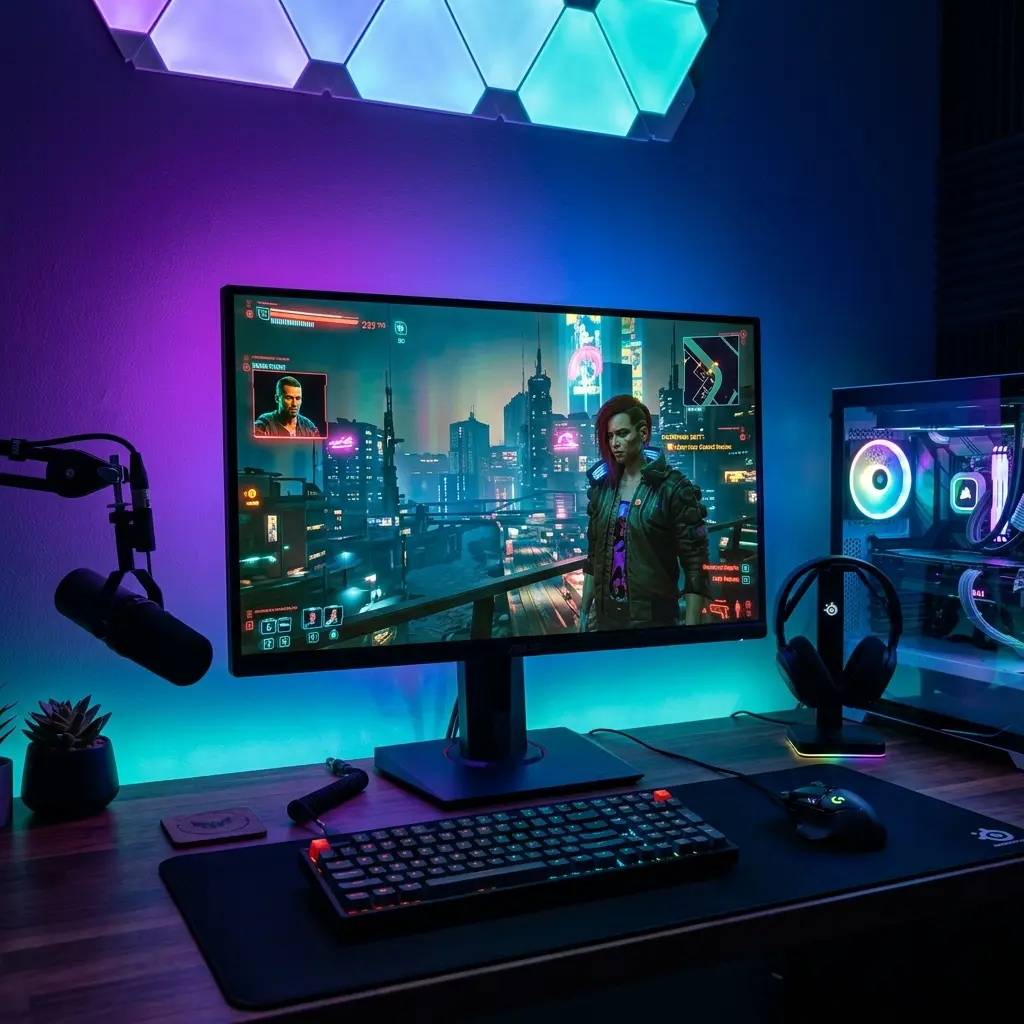
In the battle of gaming monitors, LG and Samsung each offer unique advantages, making the choice dependent on specific needs.
Physical Aspects and Resolution
Both LG and Samsung produce monitors with a variety of resolutions, including Full HD, Quad HD, and 4K options.
Notably, LG's UltraGear series features high pixel densities, while Samsung's Odyssey line emphasizes immersive curved displays.
Performance and Technology
Performance metrics differ significantly between the brands, particularly in refresh rates and response times.
Samsung often leads with its Quantum Dot technology, enhancing color accuracy, while LG excels with its Nano IPS panels, known for superior viewing angles.
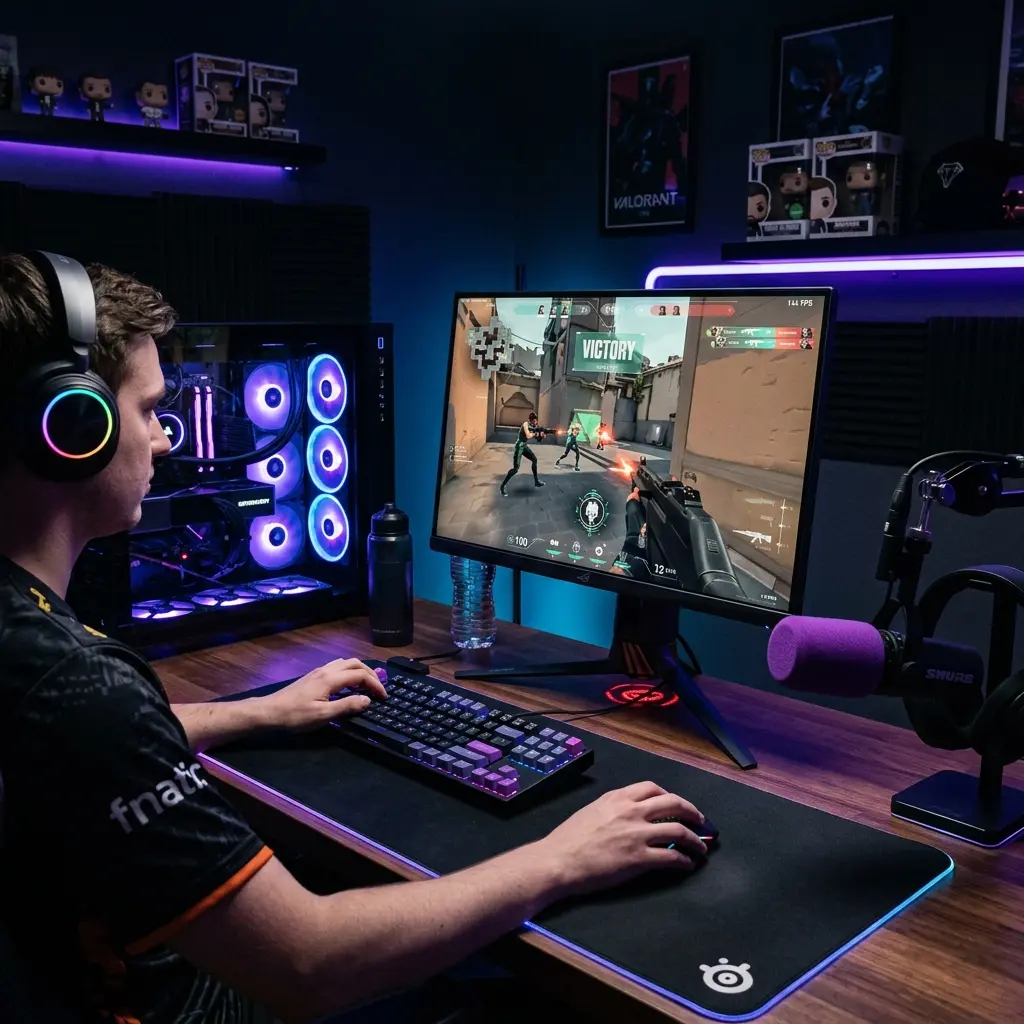
Ergonomics and Visual Comfort
Ergonomics plays a crucial role in gaming, with both brands offering adjustable stands for height, tilt, and swivel.
LG’s models often include flicker-free technology and low blue light modes, promoting visual comfort during extended sessions.
| Specification | LG | Samsung |
|---|---|---|
| Screen Size | 27" to 49" | 24" to 49" |
| Resolution Options | FHD, QHD, 4K | FHD, QHD, 4K |
| Refresh Rate | Up to 240Hz | Up to 240Hz |
| Panel Type | IPS, Nano IPS | VA, QLED |
| Response Time | 1ms (GTG) | 1ms (MPRT) |
Materials and Durability
Both brands utilize high-quality materials, yet the construction quality can vary by model.
Samsung’s use of Quantum Dot technology often translates to a more robust build, while LG’s monitors focus on a lightweight design for portability.
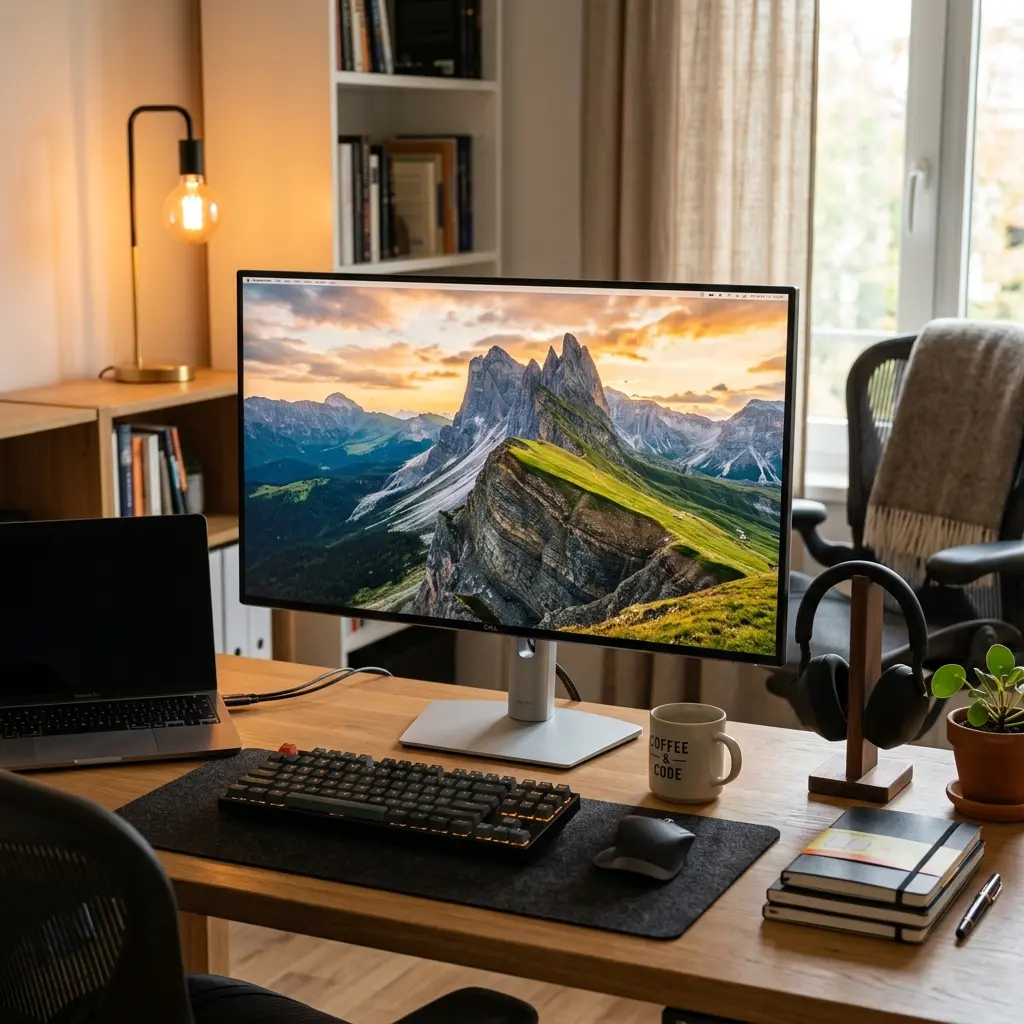
DomineTec Tip: Ensure monitors are positioned at eye level and at least an arm's length away to reduce strain during gaming.
Buying Recommendations and Brands
When choosing between LG and Samsung, consider specific gaming needs such as genre and usage frequency.
For competitive gaming, Samsung’s high refresh rates and response times may be preferable, while LG’s color accuracy benefits creative work.

- Determine the primary use (gaming, productivity, or both).
- Assess the required resolution and screen size based on desk space.
- Evaluate refresh rate and response time for gaming responsiveness.
- Consider features like G-Sync or FreeSync compatibility.
- Read user reviews to gauge long-term durability and performance experiences.
Value Analysis and Verdict
Value assessment hinges on performance and personal preference, with LG and Samsung each providing compelling options.
Ultimately, the best gaming monitor will align with specific gaming habits and aesthetic preferences.
Color Accuracy and Calibration
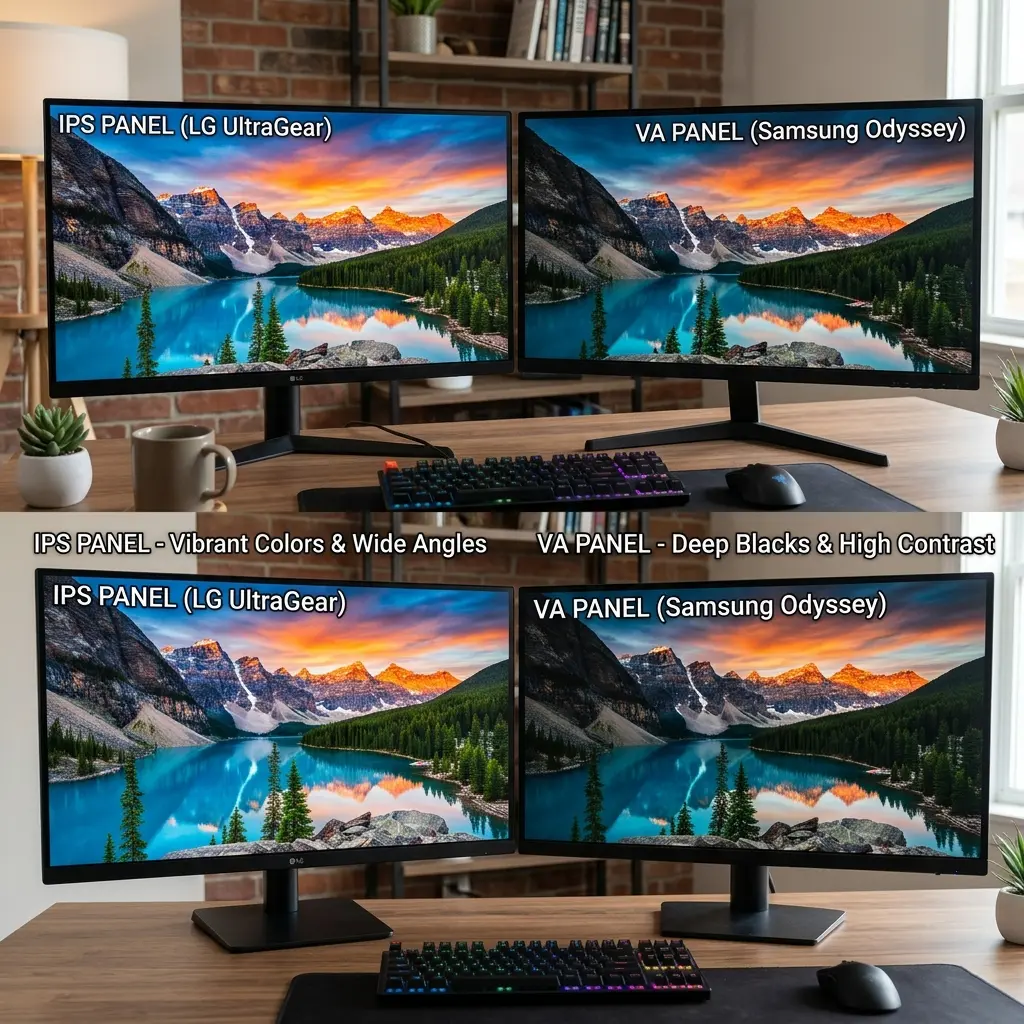
Color accuracy is crucial for gamers who seek immersive experiences, and both LG and Samsung offer monitors that excel in this aspect. LG monitors are often praised for their IPS panels, which deliver vibrant colors and wide viewing angles, making them suitable for various gaming genres.
Samsung, on the other hand, utilizes QLED technology in some of its monitors, which enhances color reproduction and brightness. This technology allows for deeper blacks and more vivid colors, appealing particularly to gamers who enjoy visually stunning games.
Calibration capabilities are another essential factor to consider. Both brands provide tools for users to calibrate their monitors, but LG tends to offer more comprehensive software solutions for fine-tuning color settings. Users can adjust gamma levels, color temperature, and RGB values for precise calibration.
Ultimately, the choice between LG and Samsung may depend on individual preferences regarding color profiles and the types of games played. Evaluating color accuracy through professional reviews can provide additional insights into which brand may be preferable for specific gaming needs.
Refresh Rate and Response Time
Refresh rate and response time are critical specifications for gamers aiming for smooth gameplay and minimal motion blur. Both LG and Samsung provide a range of monitors with impressive refresh rates, often reaching up to 240Hz or more.
LG's gaming monitors frequently showcase advanced features such as FreeSync support, which helps reduce screen tearing and stuttering during fast-paced gaming sessions. This technology is particularly beneficial for competitive gamers who require fluid visuals.
Samsung also offers monitors with high refresh rates and low response times, making them suitable for competitive gaming. Their models often include G-Sync compatibility, providing seamless synchronization with NVIDIA graphics cards for a superior gaming experience.
When evaluating refresh rate and response time, users should consider their gaming style and hardware setup. High refresh rates may not be fully utilized without a powerful graphics card, underscoring the importance of a balanced system.
Connectivity Options
Connectivity options play a significant role in the usability of gaming monitors. Both LG and Samsung have made strides in providing a variety of ports to accommodate different devices. Standard options include HDMI, DisplayPort, and USB hubs.
LG monitors typically feature multiple HDMI ports and at least one DisplayPort, allowing for easy connections to gaming consoles and PCs. Some models also include USB-C ports, catering to modern devices and enhancing compatibility.
Samsung monitors also offer a robust selection of connectivity options, often emphasizing HDMI 2.1 support in their latest models. This feature is particularly advantageous for gamers using next-gen consoles, as it allows for higher resolutions and refresh rates.
Ultimately, selecting a monitor with the right connectivity options can streamline the gaming experience. Evaluating the number and types of ports available ensures compatibility with current and future gaming setups.
Gaming Features and Customization
Gaming features and customization options can significantly enhance the overall gaming experience. Both LG and Samsung incorporate a range of functionalities designed for gamers, including customizable crosshairs, on-screen display settings, and gaming presets.
LG monitors often include unique features like Dynamic Action Sync, which minimizes input lag, and Black Stabilizer, which enhances visibility in darker scenes. These features cater to gamers seeking a competitive edge in fast-paced titles.
Samsung also provides various gaming-centric features, such as Game Mode, which optimizes settings automatically based on the type of game being played. Additionally, their monitors often include customizable visual settings for different genres.
Customization options allow gamers to tailor their experience according to personal preferences. Evaluating the available features can help users choose a monitor that aligns with their gaming style and enhances performance.
Brand Ecosystem and Support
The brand ecosystem can influence the choice between LG and Samsung monitors. Both companies offer a range of products that can integrate with existing setups, but their ecosystems differ significantly.
LG's ecosystem includes a variety of displays, sound systems, and smart devices, creating a cohesive environment for users. Their customer support is generally well-regarded, offering resources for troubleshooting and product care.
Samsung also boasts an extensive ecosystem, particularly with their SmartThings platform, which allows users to manage smart devices seamlessly. Their customer support includes online resources, community forums, and direct assistance for product inquiries.
When considering a gaming monitor, evaluating the brand ecosystem and support can help ensure compatibility and ease of use. User experiences with customer service may also play a role in the overall satisfaction with the brand.
Price Range and Market Positioning
The price range of gaming monitors is a critical factor for many consumers. LG and Samsung offer products that span various price points, catering to different budgets and performance needs.
LG generally positions its gaming monitors competitively, often providing excellent value for performance. Their budget-friendly models still offer features typically found in higher-end options, making them attractive to cost-conscious gamers.
Samsung tends to focus on premium models equipped with advanced technologies like QLED and high refresh rates. While their monitors may come at a higher price, they often justify the cost with superior performance and features.
Understanding the price-to-performance ratio of each brand can aid consumers in making informed decisions. Comparing similar models from both brands may reveal the best options within specific budget constraints.
Compatibility with Gaming Consoles
Compatibility with gaming consoles is becoming increasingly important as more gamers embrace console gaming. Both LG and Samsung have designed monitors that cater to the needs of console users, particularly with the advent of the latest generation of gaming consoles.
LG monitors often include features that support console gaming, such as low input lag and high refresh rates, which are essential for a responsive gaming experience. Many models are also compatible with HDMI 2.1, allowing for 4K gaming at 120Hz.
Samsung’s latest monitors also focus on console compatibility, offering features such as Game Mode for optimizing settings automatically. Their support for HDMI 2.1 ensures users can take full advantage of the capabilities of next-gen consoles.
Evaluating the compatibility of monitors with specific gaming consoles can ensure optimal performance. Gamers should consider their console of choice and the features offered by each brand before making a purchase.
Environmental Impact and Sustainability
In recent years, the environmental impact of electronics has become a significant concern for consumers. Both LG and Samsung have initiated sustainability efforts aimed at reducing their carbon footprints and promoting environmentally friendly practices in manufacturing.
LG has implemented recycling programs and focuses on energy-efficient technologies. Their monitors often meet energy-saving standards, which can help reduce electricity costs for users.
Samsung has also made strides in sustainability, with commitments to using eco-friendly materials and reducing harmful emissions in their manufacturing processes. Their monitors may feature energy-efficient certifications, contributing to a lower environmental impact.
Consumers interested in the environmental implications of their purchases should consider the sustainability practices of each brand. Evaluating the overall environmental impact of gaming monitors can help support more responsible consumer choices.
Adaptive Sync Technologies: G-Sync vs FreeSync
Adaptive sync technologies play a crucial role in ensuring smooth gameplay by reducing screen tearing and stuttering. LG primarily incorporates FreeSync technology in its gaming monitors, while Samsung offers both FreeSync and G-Sync compatibility in selected models.
FreeSync, developed by AMD, is designed to work seamlessly with AMD graphics cards, providing a variable refresh rate that matches the frame rate output. This technology is particularly beneficial for gamers using AMD setups, offering an enhanced gaming experience without tearing.
On the other hand, G-Sync, developed by NVIDIA, is specifically tailored for NVIDIA graphics cards. Monitors equipped with G-Sync technology often come with a higher price point due to additional hardware requirements, but they deliver exceptional performance for NVIDIA users.
Both technologies have their advantages, and the choice often depends on the user's existing hardware. Ultimately, understanding the compatibility and performance characteristics of these adaptive sync technologies is essential for making an informed decision when selecting a gaming monitor.
Input Lag and Gaming Experience
Input lag is a crucial factor in the gaming experience, particularly for competitive gamers who require instant response times. Both LG and Samsung have made significant strides in minimizing input lag across their gaming monitor lines.
LG monitors typically feature lower input lag, making them a favorite among competitive players who prioritize fast-paced gaming. Many LG models boast input lag times under 5ms, ensuring a nearly instantaneous response to user commands.
Samsung monitors, while also impressive in this regard, may have slightly higher input lag in certain models, particularly those with more advanced features. However, the difference is often negligible for casual gamers and may not significantly impact gameplay.
Ultimately, the choice between LG and Samsung may come down to specific gaming preferences, hardware compatibility, and the types of games played. Understanding input lag and its implications can help gamers select the monitor that best suits their needs.
Control and Interface Design
The control interfaces of LG and Samsung gaming monitors exhibit distinct characteristics that can significantly impact user experience. LG often emphasizes minimalistic designs with intuitive button layouts, making it easier for users to navigate through settings without feeling overwhelmed.
Samsung, on the other hand, frequently incorporates joystick-style controllers that allow for more fluid navigation through menus. This design can be advantageous for users who prefer a single control for multiple functions, but it may require a learning curve for those accustomed to traditional button layouts.
Both brands offer on-screen display (OSD) menus that are user-friendly, but their approaches to organization differ. LG's OSD menus are often praised for their clarity and ease of access, while Samsung may provide more advanced customization options, albeit with a slightly steeper learning curve.
Ultimately, the choice between LG and Samsung may come down to personal preference regarding control schemes. Users should consider how often they will be adjusting settings and which layout feels more natural for their gaming style.
Software and Firmware Updates
Software and firmware support is crucial for maintaining the longevity and performance of gaming monitors. Both LG and Samsung have established protocols for releasing updates, but their approaches can vary significantly. LG tends to provide regular updates to enhance features and fix bugs, ensuring that users get the most out of their devices over time.
Samsung often integrates their monitors with proprietary software that can simplify the update process. This software can automatically check for and install updates, making it easier for users to keep their devices up to date with minimal effort.
Additionally, the responsiveness of customer support for software-related inquiries can influence overall user satisfaction. LG’s support is generally considered responsive, but Samsung has invested heavily in creating comprehensive online resources for DIY troubleshooting, which can alleviate common concerns without needing direct support.
In summary, both LG and Samsung have their strengths regarding software and firmware updates. Users should weigh these factors based on their comfort level with technology and how actively they wish to engage with their monitor's maintenance.
Frequently Asked Questions
Which brand offers better color accuracy?
LG’s Nano IPS panels are renowned for superior color reproduction, making them ideal for creative work.
Are curved monitors worth it?
Curved monitors, like those from Samsung, enhance immersion, particularly in racing and simulation games.
What is the best resolution for gaming?
For most gamers, a QHD (2560x1440) resolution strikes an optimal balance between performance and clarity.
How important is the refresh rate?
A higher refresh rate reduces motion blur in fast-paced games, making it crucial for competitive gaming.
Do both brands support FreeSync and G-Sync?
Yes, both LG and Samsung offer models that support FreeSync and G-Sync, providing flexibility for various GPU users.




