Are Leather Wrist Rests Worth It for Custom Mechanical Keyboards?
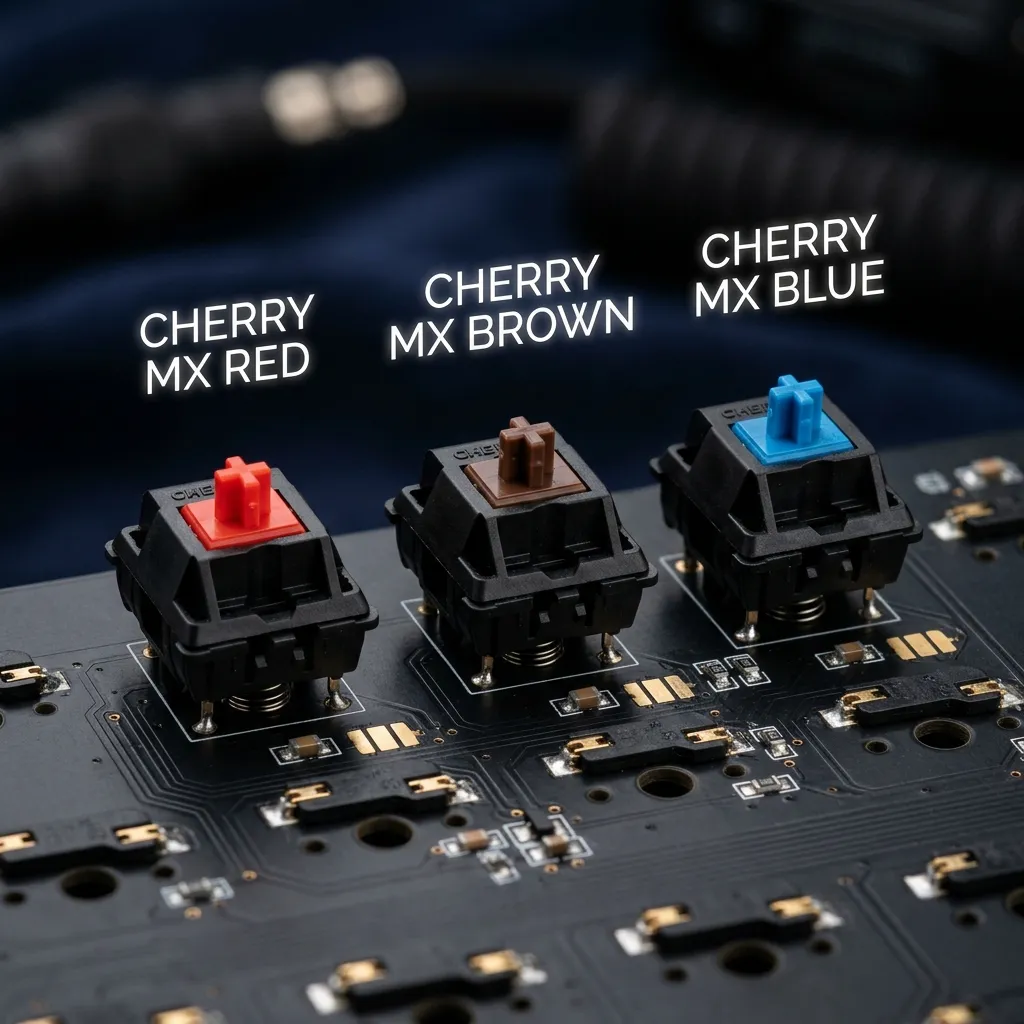
Leather wrist rests can enhance comfort and support during extended typing sessions, making them a worthwhile investment for custom mechanical keyboards.
Ergonomic Benefits of Leather Wrist Rests
Leather wrist rests provide superior support by maintaining a neutral wrist position, reducing the risk of strain and discomfort.
The soft yet firm surface offers a balance between cushioning and support, promoting healthier typing posture over long periods.
Performance Considerations
Using a leather wrist rest can improve typing speed and accuracy by minimizing distractions caused by discomfort.
Enhanced stability allows for consistent hand positioning, which can be particularly beneficial for gamers and typists alike.
Material Quality and Durability
High-quality leather wrist rests are often made from full-grain leather, known for its durability and luxurious feel.
Compared to synthetic alternatives, genuine leather tends to age gracefully, developing a unique patina while maintaining structural integrity.
Design Aesthetics and Customization
Leather wrist rests come in various styles and colors, allowing customization to match the aesthetic of individual setups.
The sleek appearance of leather can enhance the overall look of a mechanical keyboard, elevating the workspace's sophistication.
Comparative Table of Wrist Rest Materials
| Material | Comfort Level | Durability | Price Range | Maintenance |
|---|---|---|---|---|
| Genuine Leather | High | Very High | $30 - $100 | Requires occasional conditioning |
| PU Leather | Medium | Medium | $10 - $40 | Easy to clean |
| Memory Foam | High | Low | $15 - $50 | May require replacement |
| Gel | Medium | Medium | $20 - $60 | Easy to clean |
DomineTec Tip: To maximize comfort, ensure wrist rests are aligned with the keyboard height, maintaining a straight wrist posture.
- Measure the height of the keyboard and choose a wrist rest that complements it.
- Select a material based on personal comfort preferences and maintenance capabilities.
- Consider the overall aesthetic of the workspace when choosing colors and styles.
- Test different wrist rests in-store if possible to assess comfort and support.
- Ensure to clean and maintain the wrist rest regularly, especially if made of leather.
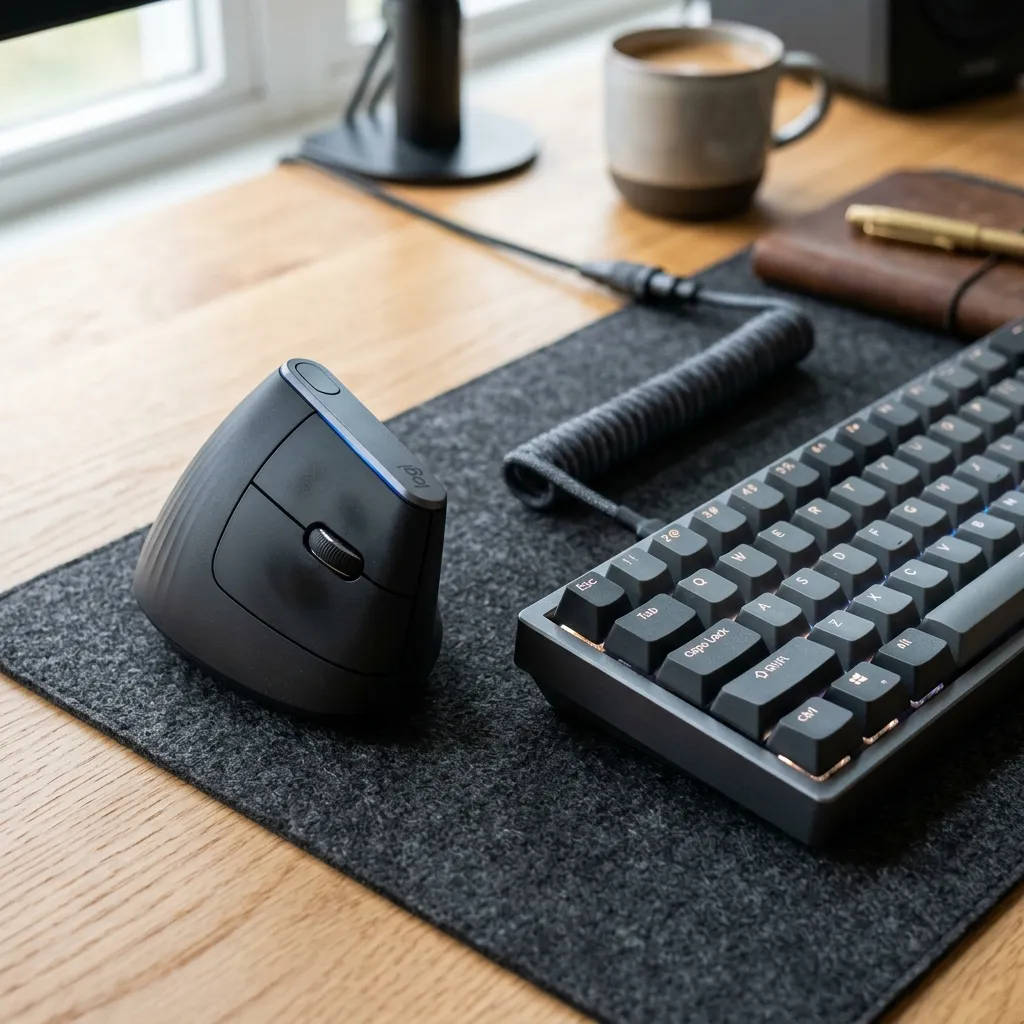

Environmental Impact of Leather Wrist Rests
The production of leather, particularly from cowhide, involves significant environmental considerations. Deforestation and water consumption are major issues associated with cattle farming, which raises concerns about sustainability.
Moreover, the tanning process for leather can introduce harmful chemicals into the environment, leading to pollution of local water sources if not managed responsibly. Understanding the ecological footprint of leather wrist rests is essential for eco-conscious consumers.
Some manufacturers are now exploring more sustainable practices, such as using vegetable tanning and sourcing leather from farms that implement regenerative agricultural practices. These approaches aim to minimize environmental damage and promote animal welfare.
Choosing leather wrist rests from reputable brands that prioritize sustainability can mitigate some of these concerns, but consumers should remain vigilant about the environmental impact of their purchases.
Alternatives to Leather Wrist Rests
For those seeking alternatives to leather, several materials provide similar benefits without the ethical concerns associated with animal products. Synthetic options, such as PU leather or neoprene, can mimic the feel and aesthetics of leather while often being more affordable.
Additionally, natural materials like cork or bamboo are gaining popularity as eco-friendly alternatives. These materials offer unique textures and styles while ensuring a lower environmental impact.
When considering alternatives, it's essential to assess their comfort, durability, and overall performance to determine if they meet individual needs. Many users find that high-quality synthetics can provide comparable support and aesthetics.
Ultimately, the choice of material should align with personal values regarding sustainability, comfort preferences, and budget constraints.
Impact on Typing Experience
The typing experience can be significantly affected by the choice of wrist rest. Leather wrist rests provide a soft yet firm surface that can enhance comfort during long typing sessions, reducing fatigue and strain on the wrists.
Users often report that a well-designed wrist rest helps maintain proper wrist alignment, which is crucial for preventing repetitive strain injuries. The tactile feedback from leather can also contribute to a more satisfying typing experience.
However, the effectiveness of a wrist rest can vary based on individual preferences and typing styles. Some users may prefer softer materials, while others benefit from a firmer surface, highlighting the importance of personal experimentation.
Ultimately, the right wrist rest can lead to improved typing speed and accuracy, making it a worthy investment for frequent keyboard users.
Price Comparisons and Value for Money
The price of leather wrist rests can vary widely based on factors such as brand reputation, craftsmanship, and material quality. While premium leather wrist rests may come with a higher price tag, they often promise enhanced durability and aesthetic appeal.
When evaluating value for money, consumers should consider not only the initial cost but also the longevity and performance of the wrist rest. A higher upfront investment in a quality product may lead to greater satisfaction over time.
Additionally, exploring budget options can yield satisfactory results, but users should be cautious of extremely low-priced alternatives that may compromise on quality. Balancing cost and quality is essential for making an informed decision.
Ultimately, assessing the long-term benefits and potential health implications associated with wrist rests can provide a clearer picture of their value for money.
User Reviews and Experiences
User reviews play a vital role in understanding the practical benefits and drawbacks of leather wrist rests. These firsthand accounts can provide insights into comfort levels, durability, and overall satisfaction.
Many users highlight the aesthetic appeal of leather wrist rests and how they enhance the visual aspect of their setups. Positive experiences often focus on improved wrist support during extended typing or gaming sessions.
Conversely, some users may express concerns about the maintenance required for leather products, such as cleaning and conditioning to prevent cracking or wear. These reviews can help potential buyers set realistic expectations.
Community forums and review platforms serve as valuable resources for gathering diverse opinions, enabling prospective buyers to make informed decisions based on collective experiences.
Care and Maintenance of Leather Wrist Rests
Proper care and maintenance are crucial for preserving the integrity of leather wrist rests. Regular cleaning helps prevent the buildup of dirt and oils, which can degrade the material over time.
Using a damp cloth with a mild soap solution is often recommended for routine cleaning. It is essential to avoid harsh chemicals that may damage the leather's finish or texture.
Conditioning the leather periodically can also enhance its longevity by restoring moisture and preventing cracking. Leather conditioners are specifically formulated to nourish the material and maintain its supple feel.
Establishing a maintenance routine will not only extend the life of the wrist rest but also ensure that it remains a functional and aesthetically pleasing addition to the keyboard setup.
Market Trends in Wrist Rests
The market for wrist rests is evolving, driven by advancements in ergonomic design and consumer preferences. As more users prioritize comfort and health, manufacturers are responding with innovative products tailored to diverse needs.
Trends indicate a growing interest in customizable options, allowing users to choose materials, colors, and designs that fit their personal style. This customization enhances the appeal of wrist rests as both functional and decorative elements in workspace setups.
Furthermore, the rise of remote work has led to increased demand for ergonomic products, with wrist rests becoming essential accessories for home office setups. This trend is likely to continue as more individuals recognize the importance of investing in their comfort and productivity.
Ultimately, the wrist rest market is adapting to meet the needs of modern users, combining aesthetics, comfort, and functionality in innovative ways.
Adjustability and Versatility of Leather Wrist Rests
Leather wrist rests often feature adjustable components that cater to different typing styles and preferences, enhancing user comfort.
This adjustability can accommodate various keyboard heights and user postures, allowing for a more tailored ergonomic experience.
Furthermore, some leather wrist rests come with detachable or interchangeable designs, providing versatility for users to customize their setup according to their specific needs.
This adaptability makes leather wrist rests suitable for a wide range of activities, from gaming to professional typing, ensuring that users can maintain comfort during extended usage.
Impact of Temperature and Humidity on Leather Wrist Rests
Leather is a natural material that can be sensitive to environmental conditions, such as temperature and humidity.
High humidity may cause leather to absorb moisture, leading to potential deformities or a decrease in its structural integrity over time.
Conversely, excessive dryness can result in cracking and stiffness, which can negatively impact the comfort and effectiveness of the wrist rest.
Users should be mindful of their environment and take appropriate measures to protect their leather wrist rests from extreme conditions to prolong their lifespan.
User Demographics and Preferences
Different user demographics may have varying preferences when it comes to wrist rests, influenced by factors such as age, profession, and typing habits.
For example, gamers may prioritize wrist rests that offer more cushioning and support for extended play sessions, while professionals may seek a more minimalist design that complements their workspace aesthetics.
Understanding these preferences can help manufacturers tailor their products to meet the specific needs of different user groups, potentially enhancing customer satisfaction.
Additionally, engaging with user feedback can lead to continuous improvement in product design, ensuring that wrist rests remain relevant in a constantly evolving market.
Impact on Health and Well-Being
Investing in leather wrist rests can significantly contribute to the overall health and well-being of users who spend extended periods typing. Prolonged use of keyboards without adequate wrist support can lead to repetitive strain injuries, such as carpal tunnel syndrome, tendonitis, and other musculoskeletal issues. A well-designed leather wrist rest can help maintain a neutral wrist position, reducing unnecessary strain on muscles and tendons.
Moreover, leather's natural properties, including its ability to conform to the shape of the user's wrist over time, can lead to enhanced comfort. This adaptability ensures that the wrist rest provides continuous support, which can alleviate discomfort and fatigue during long typing sessions. Users often report feeling less tension and soreness in their wrists when utilizing a dedicated wrist rest.
Additionally, the aesthetic aspect of leather wrist rests can contribute to psychological comfort. A visually appealing setup can enhance mood and motivation, making users feel more inclined to engage in their work or hobbies. This psychological boost can lead to increased productivity and a more enjoyable typing experience.
Incorporating leather wrist rests into a workspace not only addresses physical comfort but also promotes a holistic approach to health. By prioritizing ergonomic solutions, users can mitigate potential health risks while fostering a more positive and productive environment.
Trends in Consumer Preferences for Wrist Rests
Recent trends in consumer preferences indicate a growing interest in high-quality, aesthetically pleasing wrist rests, particularly in the realm of custom mechanical keyboards. Users are increasingly seeking products that not only offer functional benefits but also enhance the overall visual appeal of their workspaces. Leather wrist rests, with their luxurious feel and classic appearance, are often favored in this context.
Moreover, as the awareness of ergonomic health continues to rise among consumers, there is a noticeable shift towards investing in products that promote long-term well-being. Many users are willing to pay a premium for wrist rests that provide superior support and comfort. This trend reflects a broader movement towards prioritizing health and productivity over cost.
Social media and online communities have also played a significant role in shaping consumer preferences. Influencers and keyboard enthusiasts frequently showcase their setups, highlighting the importance of wrist rests and their impact on the overall typing experience. This visibility has led to increased demand for leather wrist rests, as users aspire to recreate similar aesthetics and functionality in their own workspaces.
Ultimately, the shift in consumer preferences is driving manufacturers to focus on quality, design, and ergonomics. As competition in the wrist rest market intensifies, consumers can expect a wider variety of options that cater to both functional and aesthetic needs, solidifying leather wrist rests as a staple in custom mechanical keyboard setups.
Customization Options for Leather Wrist Rests
Customization is a significant factor in the appeal of leather wrist rests for custom mechanical keyboard enthusiasts. Many manufacturers offer options for color, texture, and stitching, allowing users to match their wrist rests with their keyboards or personal style. This level of personalization can enhance the aesthetic appeal of a setup, making it visually cohesive and tailored to individual preferences.
Beyond aesthetic choices, some brands provide the opportunity to engrave or emboss unique designs or initials onto the leather surface. This feature can make wrist rests not only functional but also a statement piece in one’s workspace. Users may find that such customization options contribute to a sense of ownership and pride in their gear, reinforcing the connection between the user and their mechanical keyboard setup.
Moreover, certain companies offer modular designs that allow users to replace or upgrade parts of the wrist rest, such as the padding or the leather cover itself. This versatility can extend the lifespan of the product and provide users with the ability to adapt their wrist rests to changing preferences or ergonomic needs over time. Customization options thus play a crucial role in the overall user experience of leather wrist rests.
Lastly, the trend towards personalized gear is indicative of a larger consumer movement towards unique, individualized products. As more users seek to create a distinctive workspace, the demand for customizable leather wrist rests is likely to grow, influencing market offerings and potentially leading to more innovative designs in the future.
Long-Term Value of Investing in Leather Wrist Rests
Investing in leather wrist rests can be seen as a long-term value proposition for users of custom mechanical keyboards. While the initial cost may be higher compared to alternative materials, the durability of leather can lead to savings over time, as it often outlasts synthetic counterparts. This longevity means that users may not need to replace their wrist rests as frequently, making the investment worthwhile.
Additionally, the comfort and ergonomic benefits provided by leather wrist rests can enhance typing efficiency and reduce the risk of strain-related injuries. Users who prioritize their health and productivity may find that this investment pays off in terms of increased comfort during extended typing sessions. The reduction in discomfort can lead to better focus and a more enjoyable typing experience.
The resale value of high-quality leather wrist rests can also be a consideration for users. Well-maintained leather products often retain their value better than synthetic materials, allowing users to recoup some of their initial investment if they decide to sell or upgrade their wrist rests. This potential for resale adds another layer of financial prudence to the purchase.
Ultimately, the long-term value of leather wrist rests lies not only in their durability and comfort but also in their ability to enhance the overall typing experience. By investing in a quality product, users can enjoy the benefits of improved ergonomics and aesthetics, making it a wise choice for serious mechanical keyboard enthusiasts.
Frequently Asked Questions
What is the primary benefit of using a leather wrist rest?
The primary benefit is enhanced ergonomic support, which can reduce wrist strain during prolonged typing sessions.
How does leather compare to other materials?
Leather offers superior durability and comfort, while alternatives like foam and gel may provide varying levels of support and maintenance needs.
Is leather easy to maintain?
Genuine leather requires occasional conditioning, but it is generally easy to clean with a damp cloth.
Can a wrist rest improve typing speed?
A wrist rest can enhance typing speed by providing a stable and comfortable platform for hands, reducing fatigue.
Are there any downsides to using leather wrist rests?
Potential downsides include higher costs and the need for regular maintenance to preserve the material's quality.