How to Set Up a KVM Switch with Audio Headphone and Microphone Sharing
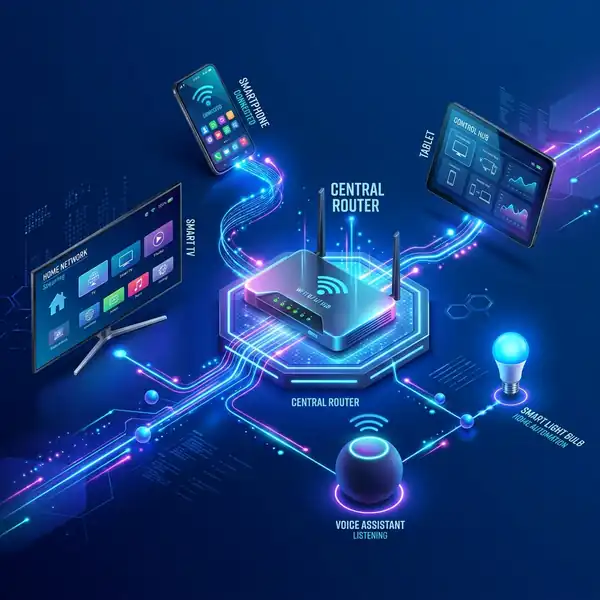
Setting up a KVM switch with audio headphone and microphone sharing requires precise configurations and compatible hardware.
Understanding KVM Switches
A KVM (Keyboard, Video, Mouse) switch allows multiple computers to share one keyboard, monitor, and mouse. Advanced models also support audio sharing through dedicated ports.
Choosing the Right KVM Switch
Select a KVM switch that supports audio input and output, preferably using USB connections. Ensure compatibility with the operating systems of all connected devices.
Hardware Requirements
A minimum of one KVM switch, audio headphones, and a microphone are necessary. Connecting cables must be USB 3.0 compliant for optimal performance and bandwidth.
Configuration Overview
Each input must be configured to recognize audio signals from the microphone and headphones. Use the KVM switch's configuration interface to set the audio parameters.
Network Topology Example
In a typical setup, connect the KVM switch between two PCs and an audio input/output device. Ensure correct cabling to avoid signal degradation.
| Feature | KVM Switch A | KVM Switch B |
|---|---|---|
| USB Ports | 4 | 2 |
| Audio Support | Yes | No |
| Max Resolution | 4K@60Hz | 1080p@60Hz |
| Hotkey Switching | Yes | No |
DomineTec Tip: Always use high-quality cables to minimize latency and interference when connecting audio devices.
- Connect the KVM switch to the PCs via USB ports.
- Attach audio headphones and microphone to the KVM switch audio ports.
- Power on the KVM switch and the connected PCs.
- Use the KVM switch's hotkey or button to switch between computers.
- Adjust audio settings in the operating systems to ensure proper input/output recognition.
For additional guidance, refer to the best USB 3.0 KVM switch and explore configurations for VLAN on Mikrotik switch.
Audio Signal Quality Considerations
When setting up a KVM switch that supports audio, the quality of the audio signal is paramount. Ensuring high-fidelity sound requires selecting the right cables and connectors, as these can impact the overall audio experience.
Use high-quality shielded audio cables to minimize interference, especially in environments with multiple electronic devices. Additionally, consider the length of the cables, as longer runs can lead to signal degradation.
Test the audio output after connecting the KVM switch to ensure that the sound levels are consistent across all connected devices. This includes checking for any latency or distortion in the audio signal.
Investing in additional audio processing equipment, such as an external digital-to-analog converter (DAC), can enhance sound quality, especially when using high-impedance headphones or professional-grade microphones.
Peripheral Compatibility Checks
Ensuring all peripherals are compatible with the KVM switch is crucial for a seamless experience. This includes checking the specifications of audio headphones and microphones to confirm they can work with the switch.
Some KVM switches may have limitations on the type of audio devices they can support. Review the technical documentation to verify compatibility with USB, 3.5 mm, and other audio interfaces.
Consider using a USB hub if multiple USB audio devices need to be connected simultaneously, allowing for easier management of devices without overloading the KVM switch.
Testing each peripheral with the KVM switch before final setup can help identify any issues early on, ensuring that all components function correctly when switching between systems.
Establishing a Multi-User Setup
A KVM switch can be configured for multiple users, enabling several workstations to access shared devices. This requires careful planning of user access and device allocation.
Implementing user profiles can streamline the process, allowing each user to have personalized settings for audio and video preferences. This is particularly useful in collaborative environments.
Consider how audio sharing will work among users, especially if multiple users are connected to the same KVM switch. A dedicated audio management system may be needed to prevent audio feedback or cross-talk.
Regularly update user settings and profiles to accommodate changes in hardware or user preferences, ensuring an optimal experience for each user in a multi-user setup.
Maintenance and Troubleshooting Tips
Regular maintenance of the KVM switch and connected peripherals is essential for reliable operation. Periodically check all connections to ensure they are secure and free from dust or corrosion.
Establish a troubleshooting guide for common issues such as audio dropouts or connectivity problems. This can include steps to reset the KVM switch or check for driver updates.
Document any recurring issues with specific hardware to help identify patterns and potential solutions. Keeping logs can assist in quick resolution during future troubleshooting sessions.
Consider a routine testing schedule to verify that all components are functioning as expected, particularly after any changes to the hardware or software environments.
Advanced Audio Features and Settings
Many KVM switches come with advanced audio features that can enhance the user experience. These include options for audio mixing, equalization, and surround sound capabilities.
Familiarize yourself with the audio settings available on the KVM switch, as these can greatly affect sound output quality. Adjusting equalization settings may enhance clarity for specific applications, such as gaming or video conferencing.
Explore the potential for virtual surround sound capabilities, which can provide an immersive audio experience when using compatible headphones. This feature often requires specific software or drivers to be installed.
Regularly check for firmware updates, as manufacturers may release updates that improve audio performance or add features to enhance user experience.
Using Software for Enhanced Functionality
Many KVM switches offer software solutions that can enhance the functionality of the hardware setup. This software can provide additional control over audio and video settings.
Utilizing software applications can also facilitate easier switching between computers, allowing users to manage multiple devices more intuitively. Look for software that supports hotkeys or customizable interfaces.
Some software solutions provide real-time monitoring of audio levels and signal quality, enabling users to make adjustments on-the-fly. This is particularly useful in professional audio applications.
Ensure that any software used is compatible with the operating systems of all connected devices to prevent conflicts and ensure smooth operation.
Security Considerations for KVM Switches
As KVM switches can handle sensitive data from multiple sources, implementing security measures is essential. Ensure that the KVM switch has built-in security features, such as encryption for audio and video signals.
Regularly update firmware to protect against vulnerabilities that could be exploited by malicious actors. Many manufacturers release security patches that address known issues.
Consider using a KVM switch with user authentication features, which can restrict access to authorized personnel only. This adds an extra layer of security to the hardware setup.
Evaluate the physical security of the KVM switch installation location, ensuring that it is not easily accessible to unauthorized users, which could lead to tampering with connected devices.
Optimizing Performance with KVM Switches
Performance optimization is essential for maximizing the efficiency of a KVM switch setup. One key aspect is ensuring that the switch supports the highest resolution needed for your displays, typically up to 4K at 60Hz for modern applications.
Additionally, check for latency issues that may arise during signal transmission. High-quality KVM switches often include features such as low-latency processing that can enhance responsiveness, especially in gaming or real-time applications.
Make sure to use high-quality cables that can handle the required bandwidth. Poorly shielded or low-quality cables can introduce noise and affect both video and audio signals, leading to a degraded user experience.
Regularly update the firmware of your KVM switch to take advantage of performance improvements and bug fixes. Manufacturers often release updates to enhance functionality and resolve common issues.
Integrating KVM Switches with Virtualization Environments
As businesses increasingly adopt virtualization, integrating KVM switches into virtual environments has become vital. KVM switches can streamline access to multiple virtual machines, allowing users to switch seamlessly between them.
Ensure your KVM switch supports USB redirection, which is crucial for devices that interact with virtual machines. This feature allows peripherals like audio devices to be recognized by the virtual environment without additional configuration.
Consider using a KVM switch that offers support for specific virtualization technologies, such as VMware or Hyper-V. Compatibility with these platforms can enhance performance and simplify the management of virtual resources.
Using a KVM switch in a virtualized setup can also improve security. By controlling access to multiple virtual machines from a single point, you can minimize the risk of unauthorized access and simplify user management.
Implementing Hotkey Switching Techniques
Hotkey switching provides an efficient way to control multiple computers with a KVM switch. This method allows users to switch between systems using keyboard shortcuts, enhancing workflow and productivity.
To implement hotkey switching, ensure that your KVM switch supports this feature. Consult the user manual for the correct key combinations, which can vary by model.
Customize hotkey settings if your KVM switch allows it. Personalizing these shortcuts can streamline your experience, making it easier to switch quickly between devices without disrupting your workflow.
Practice using the hotkeys regularly to become proficient. Familiarity with the switching process can significantly reduce downtime and improve efficiency when managing multiple systems.
Energy Efficiency and Power Management
Energy efficiency is a growing concern in IT environments, and KVM switches can contribute to a more sustainable infrastructure. Look for KVM switches with energy-saving features like automatic sleep mode or power management settings.
Incorporating a KVM switch can also reduce the number of monitors, keyboards, and mice needed, thereby lowering overall energy consumption. This consolidation helps in minimizing the environmental footprint of your setup.
Regularly monitor the power usage of your KVM switch and connected devices. Using energy monitoring tools can help identify opportunities for further efficiency improvements.
Consider implementing a scheduled power-down for systems not in use. This practice can significantly reduce power consumption and extend the lifespan of your hardware.
Understanding KVM Switch Protocols
KVM switches operate using different protocols, which dictate how devices communicate with each other. Common protocols include USB, HDMI, and DisplayPort, each offering various capabilities and limitations. Understanding these protocols is crucial for ensuring compatibility between your peripherals and the KVM switch.
USB protocols can vary significantly, with USB 2.0 supporting lower bandwidth applications compared to USB 3.0, which is essential for high-speed data transfer. When selecting a KVM switch, it is important to verify that the USB protocol matches the requirements of your connected devices to avoid performance bottlenecks.
HDMI and DisplayPort protocols provide video and audio transmission, but they differ in features such as support for 4K resolution or higher refresh rates. Depending on your needs, you may prioritize a KVM switch that supports a specific video standard to enhance your visual experience.
Moreover, some KVM switches come with proprietary protocols that enhance functionality, such as allowing for multi-channel audio support or additional USB functionalities. Familiarizing yourself with these protocols ensures seamless integration and optimal performance within your setup.
Network Integration and Remote Access
Integrating KVM switches into a network environment can vastly expand their functionality, allowing for remote access to connected devices. Many modern KVM switches support network protocols that enable users to control computers over a local area network (LAN) or even the internet. This is especially useful for IT administrators managing multiple servers in data centers.
To implement network integration, first ensure that your KVM switch supports Ethernet connectivity. Configuration typically involves assigning IP addresses and setting up necessary firewall rules to facilitate secure connections. Familiarity with network settings is essential for troubleshooting connectivity issues that may arise.
Remote access capabilities often include features such as virtual media support, where users can mount ISO files or USB drives over the network. This allows for software installations or system recovery actions without physical access to the devices, enhancing convenience and efficiency.
Additionally, consider security measures such as VPNs or encrypted connections to protect sensitive data during remote sessions. Proper network integration not only enhances the functionality of KVM switches but also increases security and accessibility for users managing multiple systems.
Understanding Audio Latency in KVM Switches
Audio latency refers to the delay between the input of sound and its output through the headphones or speakers connected to the KVM switch. This latency can significantly affect user experience, especially in applications like gaming or real-time communication.
When using a KVM switch that supports audio transmission, it is essential to assess the latency introduced by the device. Factors such as the quality of the KVM switch, the type of audio codec used, and the length of the audio cables can all contribute to total audio latency.
To minimize latency, consider using high-quality, shielded cables and ensuring that the KVM switch supports low-latency audio processing. Additionally, some KVM switches offer settings that allow users to tweak audio buffer sizes, which can further reduce delay.
Testing audio latency can be performed using specialized software tools that measure the time difference between sound input and playback. Maintaining low latency is crucial for applications requiring precise audio synchronization, such as video editing or live broadcasting.
Implementing Redundancy and Failover Solutions
In environments where uptime is critical, implementing redundancy and failover solutions for KVM switches is essential. This approach ensures continuous operation even in the event of hardware failure or connectivity issues.
One method of creating redundancy involves using multiple KVM switches configured in parallel. By connecting each switch to the same set of devices, users can switch to a backup system if the primary KVM fails, thus maintaining access to the needed resources.
Another effective strategy is to implement failover protocols that automatically detect failures in the KVM switch and reroute connections to a secondary switch. This requires careful planning of network configurations and may involve additional hardware, such as a network management system.
Regular testing of the failover system is crucial to ensure it operates as intended. By simulating failures and monitoring the switch behavior, organizations can identify potential weaknesses in their redundancy strategies and make necessary adjustments before a real failure occurs.
Frequently Asked Questions
What is a KVM switch?
A KVM switch allows control of multiple computers using a single keyboard, mouse, and monitor. It simplifies workspace management and device sharing.
Can all KVM switches share audio?
No, only KVM switches designed with audio support can share audio input and output. Verify specifications before purchase.
Are USB and HDMI KVM switches different?
Yes, USB KVM switches focus on peripheral sharing while HDMI switches primarily handle video signals. Choose based on specific needs.
What is the maximum distance for KVM switch cables?
Typically, USB cables can extend up to 5 meters without signal degradation. Use active extenders for longer distances.
How to troubleshoot audio issues with a KVM switch?
Check connections, ensure the correct audio settings in the OS, and test with different devices. Update the KVM switch firmware if available.