How to Set Up a KVM Switch with DisplayPort and HDMI Dual Monitor Outputs
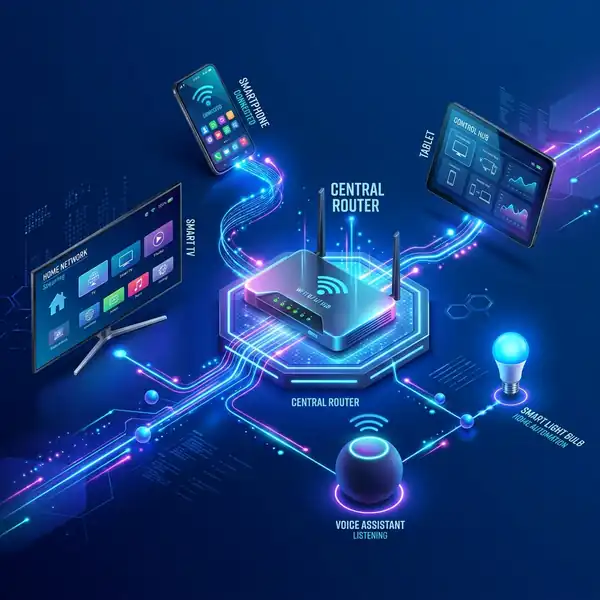
Setting up a KVM switch with DisplayPort and HDMI outputs enables seamless control of multiple monitors from a single keyboard and mouse.
Understanding KVM Switches
A KVM (Keyboard, Video, Mouse) switch allows users to control multiple computers using one set of peripherals. These devices support various video interfaces, including DisplayPort and HDMI, catering to different hardware setups.
Hardware Requirements
To set up a KVM switch with DisplayPort and HDMI outputs, ensure the switch supports both interfaces and the desired resolution. Common configurations include 4K@60Hz for high-definition displays.
Connecting the KVM Switch
Begin by connecting the KVM switch to the power supply and ensure all cables are properly routed. Use DisplayPort cables for monitors requiring DisplayPort connections and HDMI cables for those using HDMI.
Configuration Steps
After physical connections are established, configure the KVM switch settings via the built-in interface. This may involve selecting the appropriate output resolution and adjusting the input source for each connected computer.
Testing the Setup
Once configuration is complete, perform a test to verify that the input switching functions correctly. Ensure that both monitors display the correct output from the active computer.
| Feature | KVM Switch Model A | KVM Switch Model B |
|---|---|---|
| Max Resolution | 4K@60Hz | 4K@30Hz |
| Ports Available | 2x HDMI, 2x DisplayPort | 4x HDMI |
| USB Ports | 2 USB 3.0 | 1 USB 2.0 |
DomineTec Tip: For optimal performance, ensure that all cables used support the maximum resolution and refresh rate of the displays.
- Power off all connected devices.
- Connect the KVM switch to the monitors using the appropriate cables.
- Plug in the USB peripherals to the KVM switch.
- Connect the KVM switch to the power supply.
- Power on the monitors and KVM switch.
- Use the KVM switch interface to select the active input.
Choosing the Right KVM Switch for Your Needs
Selecting the appropriate KVM switch involves assessing your specific requirements such as the number of devices to control and the types of connections needed. Look for switches that offer additional features like USB hub support, audio switching, and hotkey functionality for seamless transitions between devices.
Evaluate the performance specifications, including refresh rates and maximum resolutions supported. This is particularly critical for users working with high-definition content or gaming applications.
Finally, read customer reviews and product comparisons to gain insights into reliability and ease of use, which can help inform your purchasing decision.
Troubleshooting Common Issues with KVM Switches
Common issues with KVM switches can include failure to switch between devices or video output problems. Begin troubleshooting by checking all connections to ensure they are secure and correctly configured.
If the video output is distorted or not appearing, verify that the correct input source is selected on the switch. Also, check for any firmware updates for the KVM switch that may resolve compatibility issues.
For users experiencing keyboard or mouse lag, consider testing different USB ports or using a powered USB hub to improve performance. If persistent issues arise, consult the manufacturer’s support resources or user forums for guidance.
Optimizing Performance for Gaming and Multimedia Applications
For users who engage in gaming or multimedia production, optimizing the KVM switch setup is crucial for performance. Select a KVM switch with low latency to ensure minimal input delay during gaming sessions.
Utilize high-quality cables that support the necessary bandwidth for high-definition video and audio transmission. Check the KVM switch’s specifications for support of features like 4K resolution and refresh rates above 60Hz, which can significantly enhance gaming and video playback quality.
Finally, consider configuring your graphics settings to match the capabilities of both the KVM switch and the monitors to achieve the best overall performance.
Integrating KVM Switches into a Home Office Setup
In a home office environment, integrating a KVM switch can streamline workflow by allowing users to control multiple computers from a single set of peripherals. Start by determining which devices will be connected, including desktop computers, laptops, and any additional peripherals like printers or external drives.
Configure the switch to allow for easy switching between devices, ensuring that essential software and files are readily accessible across multiple systems. Additionally, maintain a well-organized workspace by managing cables effectively, which can help in avoiding tangles.
Security Considerations When Using KVM Switches
When implementing a KVM switch in environments handling sensitive information, security becomes a paramount concern. It's important to select a switch that provides robust security features, such as support for encryption protocols.
Consider using KVM switches that have built-in security measures like password protection or secure authentication methods to prevent unauthorized access. Regularly update the firmware to ensure all security vulnerabilities are patched.
Implementing these security measures can significantly reduce the risk of data breaches or unauthorized access to sensitive information within your network.
Extending Your KVM Switch Setup with Network Capabilities
Advanced KVM switches allow for network integration, enabling remote access to connected devices. When selecting a network-enabled KVM switch, ensure it supports the necessary protocols, such as TCP/IP, for seamless integration with existing networks.
Consider the implications of bandwidth and latency on remote access performance, as these factors can significantly affect user experience. Opt for switches that provide quality assurance features to monitor and optimize performance.
Maintaining and Upgrading Your KVM Switch
Regular maintenance of your KVM switch can prolong its lifespan and ensure optimal performance. Start by regularly cleaning the switch and cables to prevent dust accumulation, which can cause overheating.
Periodically check for firmware updates from the manufacturer to enhance functionality and security. Keeping your switch updated can also resolve compatibility issues with newer devices.
Investing in a high-quality KVM switch that can easily be upgraded or expanded can save time and resources in the long run, ensuring your setup remains efficient and current.
Understanding Video Signal Compatibility
When setting up a KVM switch with DisplayPort and HDMI, it's crucial to comprehend the compatibility of video signals between the various devices. DisplayPort and HDMI use different signaling protocols, which can affect the ability to transmit audio and video signals effectively.
Many modern KVM switches are designed to handle both protocols, but it is essential to verify that the specific switch supports the required resolutions and refresh rates for your monitors. Additionally, using high-quality cables can mitigate signal degradation, ensuring optimal display performance across all connected devices.
Enhancing User Experience with Hotkey Functionality
Hotkey functionality in KVM switches allows users to switch between systems seamlessly without the need to physically press buttons on the device. This feature is particularly beneficial in a multitasking environment, enhancing productivity by reducing the time spent switching between different computers.
Most KVM switches have configurable hotkey options that can be customized to suit personal preferences. Consult the user manual of the KVM switch to understand the available hotkey combinations and how to set them up effectively.
Integrating Peripheral Sharing with KVM Switches
Many KVM switches come with the ability to share peripherals such as keyboards, mice, and USB devices between multiple computers. This shared access can significantly streamline workflows, especially in environments where multiple systems are in use for distinct tasks.
To set up peripheral sharing, ensure that the KVM switch supports USB pass-through and configure the ports according to the devices you wish to share. Properly managing peripheral connections not only enhances efficiency but also reduces clutter from multiple sets of devices across your workspace.
Advanced KVM Switch Features and Enhancements
Modern KVM switches come with a variety of advanced features that can significantly enhance user experience and functionality. One notable feature is USB 3.0 support, which allows for faster data transfer rates compared to previous USB versions.
Another important enhancement is the capability for dual-link DVI support, enabling users to connect high-resolution displays that exceed the limitations of single-link DVI. Additionally, many KVM switches now offer options for audio switching, allowing users to manage both video and audio signals through the same interface.
Furthermore, some advanced KVM switches include features such as EDID emulation, which ensures that the connected monitors maintain consistent resolution and performance levels. This is crucial for users who require stable display configurations for professional applications.
Combining these advanced features not only enhances the functionality of KVM switches but also ensures that users can tailor their setups to meet specific needs, whether for gaming, professional applications, or general multitasking.
Future Trends in KVM Switch Technology
The future of KVM switch technology is poised for transformation as new standards and user requirements emerge. One significant trend is the shift towards USB-C connections, which offer versatility and high data transfer speeds.
Another emerging trend is the integration of artificial intelligence and machine learning to enhance user experience. These technologies can facilitate smarter switching capabilities, automatically detecting and switching to the active device based on user behavior.
Additionally, there is a growing emphasis on eco-friendly designs and energy-efficient operation. Manufacturers are increasingly focused on creating KVM switches that consume less power and are made from sustainable materials.
Lastly, the rise of remote work and hybrid office setups has led to an increased demand for KVM switches that support cloud-based functionalities, enabling users to manage multiple devices and resources from a centralized platform.
Implementing Redundancy in KVM Switch Setups
In mission-critical environments, implementing redundancy in KVM switch setups is essential to ensure continuous operation. Redundant KVM switches can prevent single points of failure and provide seamless failover capabilities.
To implement redundancy, consider using a KVM switch with automatic failover features. These switches monitor the primary unit and automatically switch to the secondary unit if a failure is detected.
Additionally, cable redundancy should be considered when setting up KVM switches. Utilizing multiple pathways for video and data transmission can enhance reliability. Regular testing of the redundancy systems is crucial to ensure that the backup systems function as intended.
Leveraging KVM Switches for Remote Access Solutions
KVM switches can be integrated into remote access solutions, enabling users to control multiple computers from a distance. By incorporating IP-based KVM switches, users can access their machines over a network, facilitating remote troubleshooting and configuration.
When implementing remote access, ensure the KVM switch supports secure protocols such as SSH or HTTPS. This will protect sensitive data during transmission and prevent unauthorized access.
Finally, monitor the performance of the remote KVM switch regularly. Network conditions can affect remote access quality, so implementing network monitoring tools can help diagnose issues before they impact usability.
Implementing Advanced Security Measures for KVM Switches
The increasing reliance on KVM switches in both corporate and home environments necessitates an understanding of advanced security measures to protect sensitive data.
One effective strategy involves the implementation of strong password policies for KVM switch administration. This includes not only using complex passwords but also requiring periodic password changes to mitigate the risk of unauthorized access.
Utilizing two-factor authentication (2FA) is another robust security layer that can be applied to KVM switches. By integrating 2FA, users must verify their identity through an additional method, such as a time-based one-time password (TOTP) generated by a mobile application, thus enhancing access control.
Regular firmware updates are crucial in maintaining the security posture of KVM switches. Manufacturers often release updates that address vulnerabilities, so administrators should establish a routine check for updates and apply them immediately to shield the system from potential exploits.
Network segmentation can also be employed to restrict access to KVM switches. By isolating the network segment where the KVM operates from the rest of the business or home network, exposure to external threats can be significantly minimized.
Furthermore, employing a comprehensive logging strategy allows for monitoring and auditing of all access attempts made on the KVM switch. This can aid in quickly identifying suspicious activities and provide a detailed trail for forensic analysis if a security breach occurs.
Lastly, the use of encryption for data transmission between the KVM switch and connected devices is essential. Implementing protocols such as TLS (Transport Layer Security) ensures that any data exchanged remains secure and resistant to interception.
Monitoring Performance Metrics in KVM Switch Deployments
Monitoring performance metrics is a vital aspect of managing KVM switch deployments, especially in environments with high demands for reliability and speed.
Utilizing SNMP (Simple Network Management Protocol) agents within the KVM switch can facilitate real-time monitoring of performance metrics. This includes tracking bandwidth usage, error rates, and response times, which can provide insights into the operational health of the switch.
Implementing network monitoring tools such as Nagios or Zabbix can also help in continuously assessing the performance of KVM switches. These tools can be configured to alert administrators in case performance falls below predefined thresholds, ensuring timely intervention.
Another approach involves analyzing the packet loss and latency metrics, which can directly affect the user experience. Commands such as `ping` and `traceroute` can be executed to diagnose network paths and identify any bottlenecks affecting the KVM switch's performance.
In addition to these measures, conducting periodic load testing is advisable to ascertain how well the KVM switch handles multiple simultaneous connections. Tools like iPerf can simulate various traffic loads to evaluate throughput capabilities and identify potential issues before they impact users.
Furthermore, establishing a baseline performance metric during normal operation allows for more effective anomaly detection. If performance metrics deviate significantly from this baseline, it may indicate underlying issues that require attention.
Lastly, creating a dashboard that visualizes these metrics in real time can empower administrators to make informed decisions quickly. This visualization can include various graphs and alerts to enhance the management of KVM switch performance over time.
Frequently Asked Questions
What is a KVM switch?
A KVM switch allows you to control multiple computers using a single keyboard, mouse, and monitor setup. It enables seamless switching between devices.
Can a KVM switch support different video resolutions?
Yes, a KVM switch can support different video resolutions, but the maximum resolution will depend on the specific model and the capabilities of the connected displays.
Is it possible to use a KVM switch with a laptop?
Yes, KVM switches can be used with laptops as long as the appropriate video outputs and USB connections are available. Adapters may be required for compatibility.
How do I troubleshoot a KVM switch?
To troubleshoot, check all cable connections and ensure the switch is powered on. Testing with different devices can help identify specific hardware issues.
Are there any compatibility issues with different brands?
Compatibility issues may arise between different brands of KVM switches and connected devices. Always verify compatibility with specifications before purchasing.




