Klipper Firmware Upgrade: Is It Worth It for Faster 3D Printing?
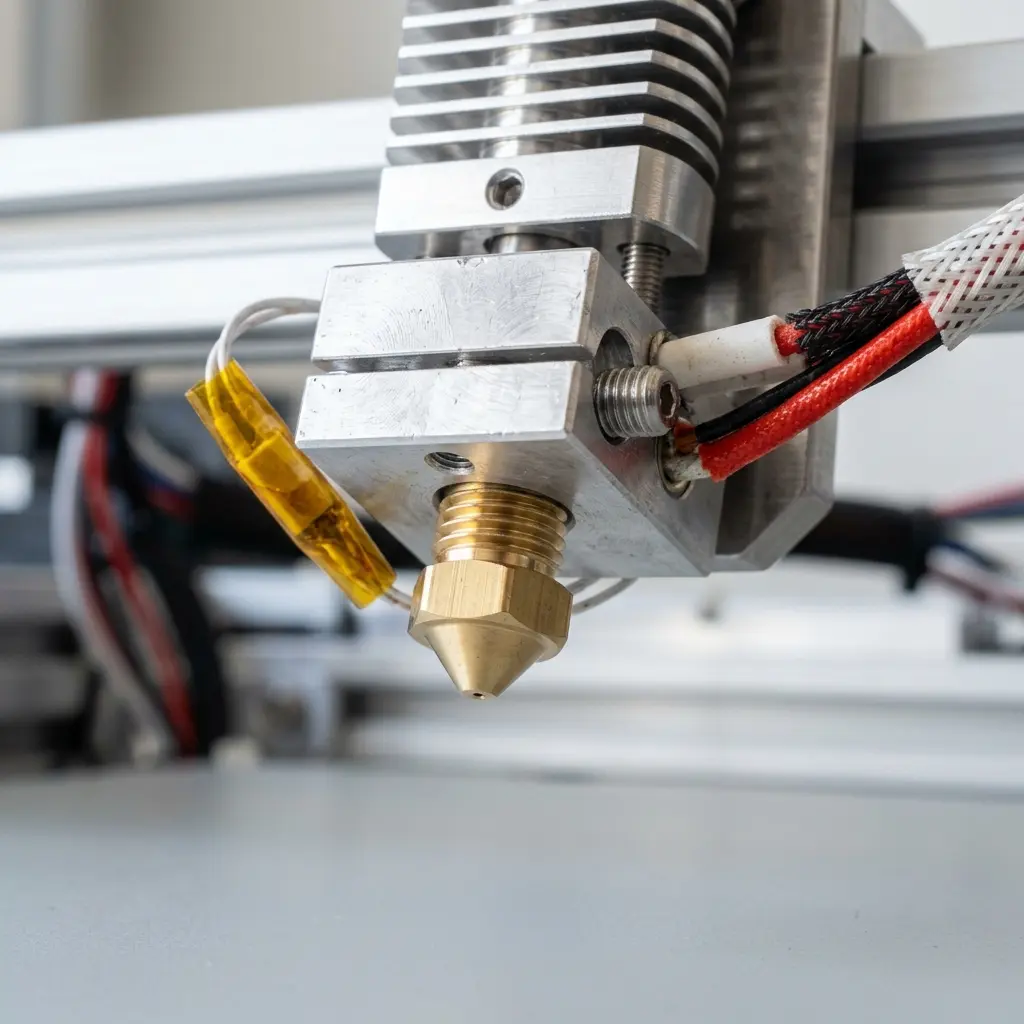
Klipper Firmware Upgrade: Is It Worth It for Faster 3D Printing?
Klipper is an innovative firmware designed to enhance the performance of 3D printers by utilizing a unique architecture that separates the control logic from the printer's hardware. This design allows for greater computational efficiency and improved printing speeds. As the technology evolves, frequent upgrades are introduced to improve features, fix bugs, and enhance performance. This document assesses whether upgrading to the latest version of Klipper firmware is beneficial for faster 3D printing.
Benefits of Upgrading Klipper Firmware
- Enhanced Speed: Newer versions often include optimizations that can significantly increase print speeds without sacrificing quality.
- Improved Features: Upgraded firmware versions may introduce new features, such as better motion planning and advanced calibration options.
- Bug Fixes: Each release typically addresses known issues, resulting in a more stable and reliable printing experience.
- Community Support: The latest versions are often better supported within the community, providing access to updated resources and assistance.
Factors to Consider Before Upgrading
- Compatibility: Ensure that the current hardware setup is compatible with the new firmware version.
- Learning Curve: New features may require additional knowledge or adjustments to existing setups.
- Time Investment: Upgrading may require time for installation, reconfiguration, and testing to achieve optimal performance.
- Stability: New firmware versions may have unforeseen bugs that could affect printing quality initially.
Performance Improvements
Performance improvements are one of the primary motivations for upgrading Klipper firmware. The following table outlines some of the key enhancements typically seen in newer versions:
| Version | Speed Improvement | Feature Enhancements | Known Issues Resolved |
|---|---|---|---|
| 1.0 | Up to 20% | Basic motion planning | Initial calibration issues |
| 1.1 | Up to 30% | Advanced motion planning | Stepper motor stalling |
| 1.2 | Up to 40% | Dynamic step rates | Improved error handling |
| 1.3 | Up to 50% | Multi-threaded execution | Network connectivity issues |
Installation Process for Klipper Firmware Upgrade
The installation process for upgrading Klipper firmware consists of several steps. Following these steps will ensure a smooth transition to the latest version:
- Backup Current Configuration: Always back up the existing configuration files to prevent data loss.
- Download the Latest Version: Obtain the latest firmware from the official Klipper GitHub repository.
- Update Configuration Files: Modify the configuration files as necessary to match the new features and settings.
- Compile the Firmware: Use the appropriate commands to compile the firmware for the specific printer model.
- Flash the Firmware: Upload the compiled firmware to the printer's control board.
- Test the Installation: Execute test prints to ensure that the firmware upgrade was successful and that the printer operates correctly.
Comparative Analysis: Klipper vs. Other Firmware
When considering whether to upgrade Klipper firmware, it is valuable to compare its features and performance with other popular firmware options, such as Marlin and RepRapFirmware. The table below summarizes these differences:
| Feature | Klipper | Marlin | RepRapFirmware |
|---|---|---|---|
| Speed Optimization | Yes, supports higher speeds | Limited per configuration | Moderate, requires manual tuning |
| Ease of Configuration | Configurable via text files | Requires firmware recompilation | Web interface for configuration |
| Community Support | Strong, active development | Large, but slower updates | Growing community, innovative features |
| Feature Set | Advanced features like pressure advance | Basic features, extensible | Modular features, web-based control |
Real-World User Experiences
User feedback is a crucial aspect of assessing whether upgrading Klipper firmware is worthwhile. The following points summarize common user experiences:
- Increased Print Quality: Many users report noticeable improvements in print quality after upgrading, particularly in terms of layer adhesion and detail.
- Faster Print Times: Users have observed reduced print times for complex models due to enhanced motion planning.
- Less Maintenance: Upgraded features often reduce the need for frequent calibration, leading to a more user-friendly experience.
- Initial Challenges: Some users faced challenges during the upgrade process, particularly if they were not familiar with the configuration files.
Conclusion
Upgrading Klipper firmware can lead to significant improvements in 3D printing speed and overall quality, making it a worthwhile consideration for users looking to enhance their printing experience. While there are factors to weigh, such as compatibility and learning curves, the benefits often outweigh the drawbacks. The community's support and feedback can greatly assist in making informed decisions regarding firmware upgrades.
Ultimately, whether or not to upgrade Klipper firmware depends on individual needs, printer capabilities, and willingness to engage with new features. Regular updates and enhancements help ensure that users benefit from the latest advancements in 3D printing technology.
Frequently Asked Questions
What is Klipper firmware?
Klipper firmware is an open-source 3D printer firmware that utilizes a unique architecture to enhance printing speed and quality by offloading calculations to a more powerful processor.
How does Klipper improve print quality?
Klipper improves print quality through advanced features such as pressure advance and input shaping, which reduce artifacts and improve layer adhesion.
Can all 3D printers run Klipper?
Most 3D printers can run Klipper, but compatibility depends on the printer's control board and the ability to connect to a Raspberry Pi or similar device.
How long does the Klipper upgrade process take?
The upgrade process typically takes 1-2 hours, depending on familiarity with hardware and software installation steps.
Is technical knowledge required to use Klipper?
Some technical knowledge is beneficial for configuring Klipper, as it involves editing configuration files and understanding the printer's mechanics.




