How to Configure USW Switch Port Isolation for IP Security Cameras on UniFi
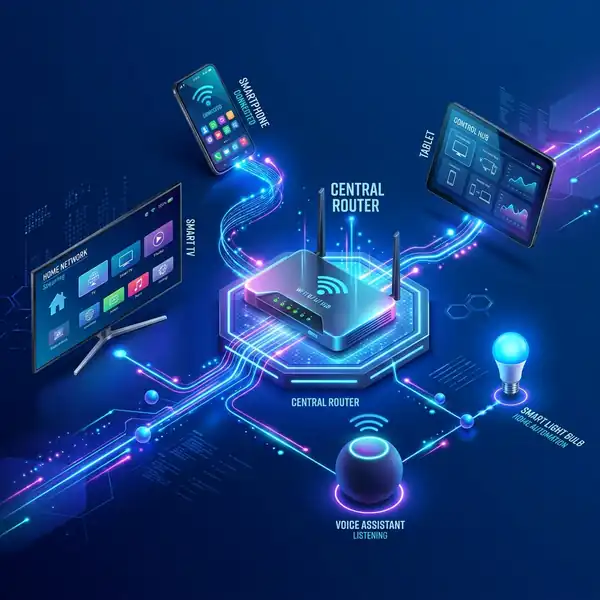
How to Configure USW Switch Port Isolation for IP Security Cameras on UniFi
Port isolation on UniFi USW switches enhances security for IP cameras by preventing unauthorized access.
Understanding Port Isolation
Port isolation restricts communication between devices connected to the same switch, effectively creating a secure environment for IP cameras.
This is essential for protecting sensitive video feeds from unauthorized devices on the same network segment.
Switch Configuration Requirements
Ensure the USW switch is running the latest firmware version to access all features related to port isolation.
Verify that the switch supports Layer 2 isolation, which is crucial for segmenting camera traffic.
Electrical Properties of IP Cameras
IP cameras typically require a Power over Ethernet (PoE) connection, consuming between 4W to 15W depending on the model.
Calculating total power consumption is essential: for multiple cameras, summing the wattage ensures the PoE switch can handle the load without overloading.
Step-by-Step Configuration
- Access the UniFi Network Controller.
- Select the USW switch from the Devices list.
- Go to the Ports tab and select the port connected to the IP camera.
- Enable 'Port Isolation' for the selected port.
- Repeat the process for all ports connected to IP cameras.
- Save the configuration changes.
Comparative Analysis of Switch Models
| Model | Max PoE Output | Port Isolation Support | Price |
|---|---|---|---|
| UniFi USW-24-POE | 250W | Yes | $299 |
| UniFi USW-48-POE | 500W | Yes | $499 |
DomineTec Tip: Use VLANs in conjunction with port isolation for enhanced security and segmentation of camera traffic.
Benefits of Port Isolation for Security Cameras
Implementing port isolation for IP security cameras offers enhanced security by preventing unauthorized access to camera feeds.
This isolation creates a barrier between the cameras and other network devices, reducing the risk of data breaches.
Additionally, it helps maintain the integrity of the surveillance system by limiting the possibility of tampering or interference.
Overall, port isolation contributes to a more secure and reliable surveillance infrastructure.
Network Performance Considerations
Port isolation can significantly impact network performance, particularly in environments with high traffic volumes.
By restricting communication between devices, it can reduce unnecessary data flow and enhance overall bandwidth efficiency.
However, careful planning is necessary to ensure that legitimate communication between devices is not hindered.
Monitoring network performance post-implementation is crucial to identify any potential bottlenecks or issues.
Integrating Port Isolation with VLANs
Combining port isolation with VLAN (Virtual Local Area Network) configurations can further enhance security and network management.
VLANs allow for grouping devices logically, thereby segregating traffic based on purpose or function.
When integrated with port isolation, VLANs can ensure that only authorized devices have access to the surveillance feeds.
This layered approach enhances both security and performance, making it a recommended practice for complex networks.
Monitoring and Managing Isolated Ports
Effective management of isolated ports is essential for maintaining the integrity of the surveillance system.
Network administrators should regularly monitor traffic on these ports to detect any anomalies or unauthorized access attempts.
Utilizing network monitoring tools can provide insights into the performance and security status of isolated ports.
Prompt action is advisable if any suspicious activity is detected, ensuring the ongoing reliability of the system.
Common Challenges with Port Isolation
Despite its benefits, configuring port isolation can present several challenges that need to be addressed.
One common issue is the potential for legitimate devices to be inadvertently isolated, disrupting normal operations.
Careful planning and testing are required to ensure that all necessary devices maintain their required connectivity.
Additionally, staff training may be necessary to ensure that all users understand the implications of port isolation on device accessibility.
Future Trends in Security Camera Networking
The landscape of IP security cameras and networking continues to evolve with advancements in technology.
Trends such as AI-driven analytics and cloud-based storage solutions are becoming more prevalent.
As these technologies develop, the need for robust security measures, like port isolation, will only increase.
Staying informed about these trends will help in adapting security strategies to meet future demands.
Best Practices for Maintaining Port Isolation
Maintaining effective port isolation requires adherence to a set of best practices to ensure continued security and performance.
Regular audits of port configurations can help identify misconfigurations or vulnerabilities that need to be addressed.
Furthermore, updating firmware and software on switches and cameras can mitigate potential security risks.
Ultimately, a proactive approach to maintenance will help sustain a secure and efficient camera network.
Advanced Security Features in UniFi Switches
UniFi switches offer a range of advanced security features that enhance the overall protection of the network.
These features include MAC address filtering, port security, and the ability to configure specific security policies for each port.
MAC address filtering restricts network access by allowing only specified devices based on their unique MAC addresses.
This adds an additional layer of security, ensuring that only authorized IP cameras can connect to the switch.
Port security allows administrators to limit the number of devices that can connect to a specific port.
This is particularly beneficial for environments with many security cameras, as it prevents unauthorized devices from accessing the network.
Integrating these advanced features with port isolation can significantly reduce the risk of security breaches.
The combination ensures that even if a rogue device attempts to connect, it will be effectively isolated from the rest of the network.
Impact of Network Topology on Port Isolation
The network topology plays a crucial role in the effectiveness of port isolation for IP security cameras.
Different topologies can influence how data flows and the level of security achieved.
In star topology, all devices are connected to a central switch, which simplifies management and enhances isolation capabilities.
This configuration allows for straightforward implementation of port isolation protocols.
Conversely, in bus or ring topologies, the risk of data interception may increase, as devices share a common communication line.
Effective port isolation is more challenging in these configurations, necessitating additional considerations and robust security policies.
Understanding the implications of network topology on port isolation is essential for optimizing security camera performance and ensuring data integrity across the network.
Evaluating Camera Bandwidth Requirements
Bandwidth requirements for IP cameras are critical to ensure smooth operation and reliable video transmission.
Each camera model may have different bandwidth needs based on resolution, frame rate, and compression settings.
High-definition cameras typically require more bandwidth than standard-definition models.
Therefore, it is essential to evaluate the total bandwidth consumption when configuring port isolation to prevent bottlenecks.
Monitoring tools can help assess bandwidth usage and identify potential issues.
This data can inform decisions about switch configuration, ensuring sufficient capacity is allocated to isolated ports for optimal camera performance.
Proper bandwidth management in conjunction with port isolation prevents quality degradation in video feeds, maintaining the integrity of security surveillance systems.
Configuring Quality of Service (QoS) for IP Cameras
Quality of Service (QoS) is a critical consideration when configuring network settings for IP security cameras.
QoS prioritizes traffic to ensure that video streams receive the bandwidth they require, reducing latency and packet loss.
By implementing QoS rules on the UniFi switch, administrators can assign higher priority to camera traffic over less critical data.
This ensures that video feeds remain stable even during peak usage times.
Configuring QoS settings involves identifying the types of traffic generated by IP cameras and defining rules that prioritize this traffic within the network.
This can significantly enhance the performance of security systems.
When combined with port isolation, QoS can further optimize network efficiency, ensuring that isolated ports dedicated to cameras operate at peak performance without interference from other devices.
Integrating Third-Party Security Solutions
Integrating third-party security solutions can enhance the effectiveness of UniFi's port isolation features.
These solutions may include intrusion detection systems (IDS) and network monitoring tools that provide additional layers of security.
Implementing an IDS can help identify and mitigate potential threats to the network, providing alerts for suspicious activity.
This proactive approach complements port isolation by adding another barrier against unauthorized access.
Network monitoring tools offer insights into traffic patterns and device behavior, enabling administrators to make informed decisions about security camera configurations.
This data can be vital for optimizing port isolation strategies.
Combining third-party security solutions with UniFi's capabilities creates a robust security framework for IP cameras, ensuring comprehensive protection against threats while maintaining efficient network performance.
Configuring Port Isolation for Multiple Camera Types
The configuration of port isolation can vary based on the types of IP cameras deployed across the network.
Different camera models may have unique requirements in terms of bandwidth, power, and data handling.
Standard and high-definition cameras often require different configurations.
High-definition cameras, for instance, typically generate more data traffic and may necessitate a dedicated VLAN for optimal performance.
This ensures that they do not negatively impact the performance of other devices on the isolated ports.
Also, PTZ (Pan-Tilt-Zoom) cameras may have additional control requirements.
These cameras often use control protocols that need to be considered when configuring port isolation, ensuring that communication remains uninterrupted while maintaining isolation from other devices.
Lastly, integrating thermal cameras or other specialized imaging devices may require custom settings.
Their unique data requirements necessitate comprehensive planning to ensure they operate effectively within an isolated port environment.
Security Protocols for Isolated Ports
Implementing security protocols is essential when configuring port isolation for IP security cameras.
Proper security measures can mitigate risks associated with unauthorized access and data breaches.
This is particularly important in environments where sensitive surveillance data is transmitted.
Utilizing encryption protocols such as TLS or SSL can help secure data in transit.
These protocols ensure that even if data packets are intercepted, they remain unreadable without the proper keys.
It is crucial to configure these settings on both the cameras and the network infrastructure.
Network Access Control (NAC) can also play a vital role in securing isolated ports.
NAC allows administrators to enforce policies on devices attempting to connect to the network.
This helps ensure that only authorized cameras can access the isolated ports, adding an additional layer of security.
Regular audits and monitoring of isolated ports can identify potential vulnerabilities.
Implementing a system for logging access attempts and anomalies will facilitate proactive security measures, ensuring the integrity of the surveillance network.
Integrating PoE Management with Port Isolation
Power over Ethernet (PoE) management is a critical aspect of configuring port isolation for IP cameras.
PoE allows both power and data to be transmitted over the same Ethernet cable, simplifying installation and reducing the need for additional power sources.
When configuring port isolation, attention must be given to PoE settings to ensure that cameras receive adequate power.
The power budget of the switch must align with the needs of the connected cameras, ensuring that they operate efficiently without interruptions.
Additionally, PoE management features such as scheduling and power prioritization can enhance the performance of isolated ports.
Scheduling allows administrators to turn off power to cameras during non-operational hours, conserving energy while still maintaining security during critical times.
Finally, monitoring the power status and consumption of cameras is essential.
This data can help identify potential issues, such as malfunctioning cameras or overloaded ports, allowing for timely maintenance and ensuring the reliability of the security system.
Implementing Redundancy in Port Isolation Configurations
Redundancy is a critical aspect of network design, especially for IP security cameras.
While configuring port isolation, it is essential to ensure continuous operation in case of hardware or network failures.
Implementing redundancy can involve setting up additional isolated ports or utilizing link aggregation techniques.
This approach allows for backup connections that can take over seamlessly, maintaining the integrity and availability of the surveillance system.
Another effective method is to employ an additional UniFi switch in a failover configuration.
This secondary switch can monitor the primary switch's status and activate automatically if issues arise, providing higher reliability.
Furthermore, regular testing of the redundancy setup is crucial.
Periodic drills to simulate switch failures will help identify potential weaknesses in the configuration and allow for timely adjustments.
Assessing Security Protocols for Enhanced Protection
Security protocols play a vital role in protecting isolated ports for IP cameras.
Proper implementation of these protocols can mitigate potential vulnerabilities in the network.
Common protocols include HTTPS for secure communications and SSH for secure access to network devices.
Implementing these protocols ensures that data transmitted between cameras and the network remains encrypted and secure.
In addition to encryption, integrating intrusion detection systems (IDS) can provide an additional layer of security.
IDS monitors network traffic for suspicious activities, alerting administrators to potential threats in real-time.
Regularly reviewing and updating security protocols is necessary as threats evolve.
Organizations should stay informed about emerging vulnerabilities and adapt their security measures accordingly to maintain a robust defense.
Frequently Asked Questions
What is port isolation?
Port isolation prevents direct communication between devices on the same switch port, enhancing security.
How does PoE impact switch configuration?
PoE allows the switch to deliver power to IP cameras, impacting the total power budget and port configurations.
Can port isolation be reversed?
Yes, port isolation settings can be modified or disabled at any time through the UniFi Network Controller.
What happens if a camera loses power?
If a camera loses power, it will stop transmitting video feeds, which will need to be monitored for security purposes.
Is VLAN necessary for all setups?
While not mandatory, VLANs provide an additional layer of segmentation for larger networks, enhancing security.




