Are Resin 3D Printers Worth It? Pros, Cons and Essential Equipment
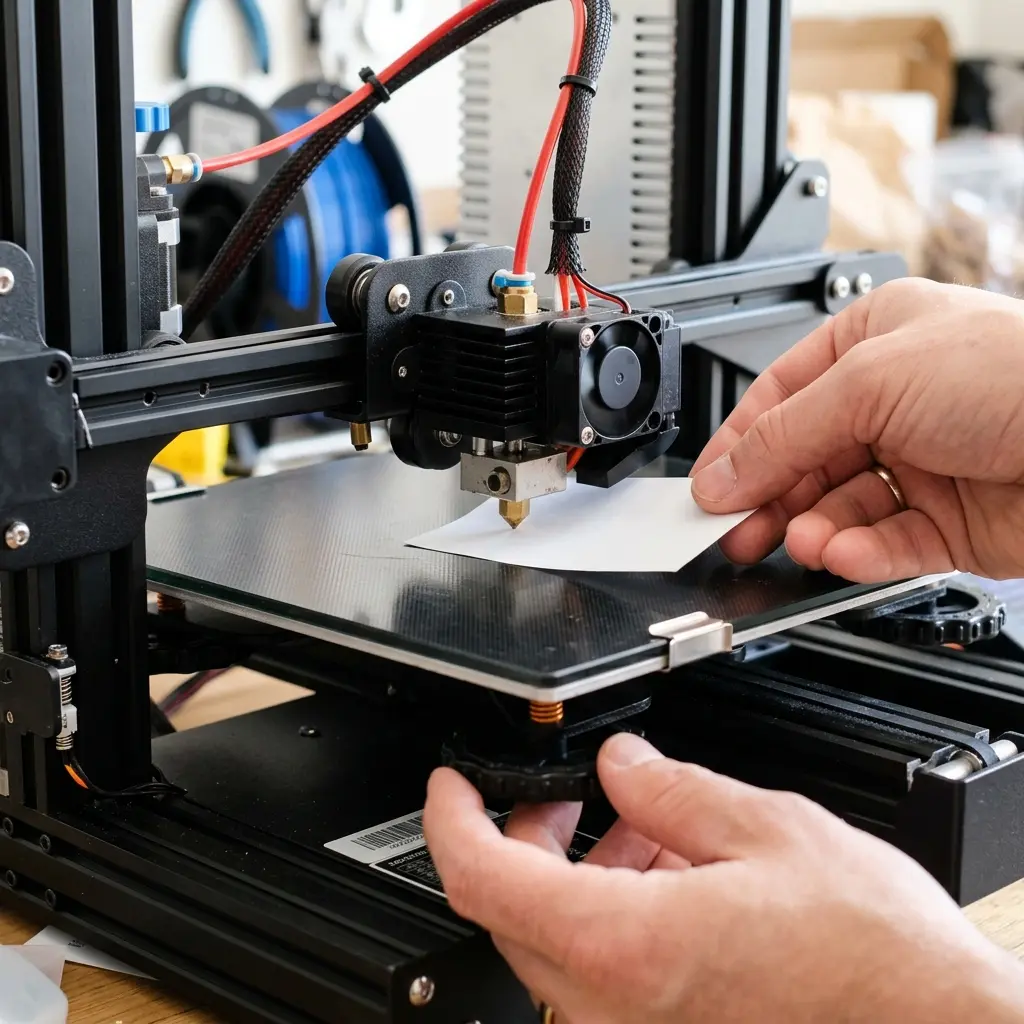
Resin 3D printers are worth it for detailed, high-quality prints but come with higher costs and maintenance needs.
Understanding Resin 3D Printing
Resin 3D printing, also known as stereolithography (SLA) or digital light processing (DLP), utilizes photosensitive resin to create detailed objects layer by layer. This technology has gained popularity due to its ability to produce intricate designs and smooth finishes.
Unlike filament-based 3D printing, which extrudes melted plastic, resin printing cures liquid resin using UV light. This allows for finer details and more complex geometries, making it a favored choice in industries like jewelry, dental, and prototyping.
Pros of Resin 3D Printers
Several advantages make resin 3D printers appealing for both hobbyists and professionals.
- Exceptional Detail: Resin printers can achieve layer heights as fine as 25 microns, allowing for incredibly detailed prints.
- Smooth Surface Finish: The absence of visible layer lines results in a smoother surface, reducing the need for extensive post-processing.
- Versatility: A range of resins is available, including flexible, rigid, and high-temperature options, catering to diverse applications.
- Efficient Printing: Printing times can be shorter than filament printers, especially for small, detailed objects.
- Complex Geometries: Resin printing supports more intricate designs and structures that are difficult to achieve with filament methods.
Cons of Resin 3D Printers
Despite their advantages, resin 3D printers also have notable drawbacks to consider.
- Higher Cost: Initial investment in resin printers is generally higher than filament printers, along with ongoing resin costs.
- Post-Processing Required: Prints must be cleaned and cured after printing, adding extra time and effort to the workflow.
- Health and Safety Concerns: Resin can be toxic and hazardous to skin and lungs, necessitating proper ventilation and safety precautions.
- Limited Build Volume: Many resin printers have smaller build volumes compared to their filament counterparts.
- Material Limitations: While there are many types of resin, they may not be as robust or versatile as some filament materials.
Essential Equipment for Resin Printing
To achieve the best results from resin printing, specific equipment is essential.
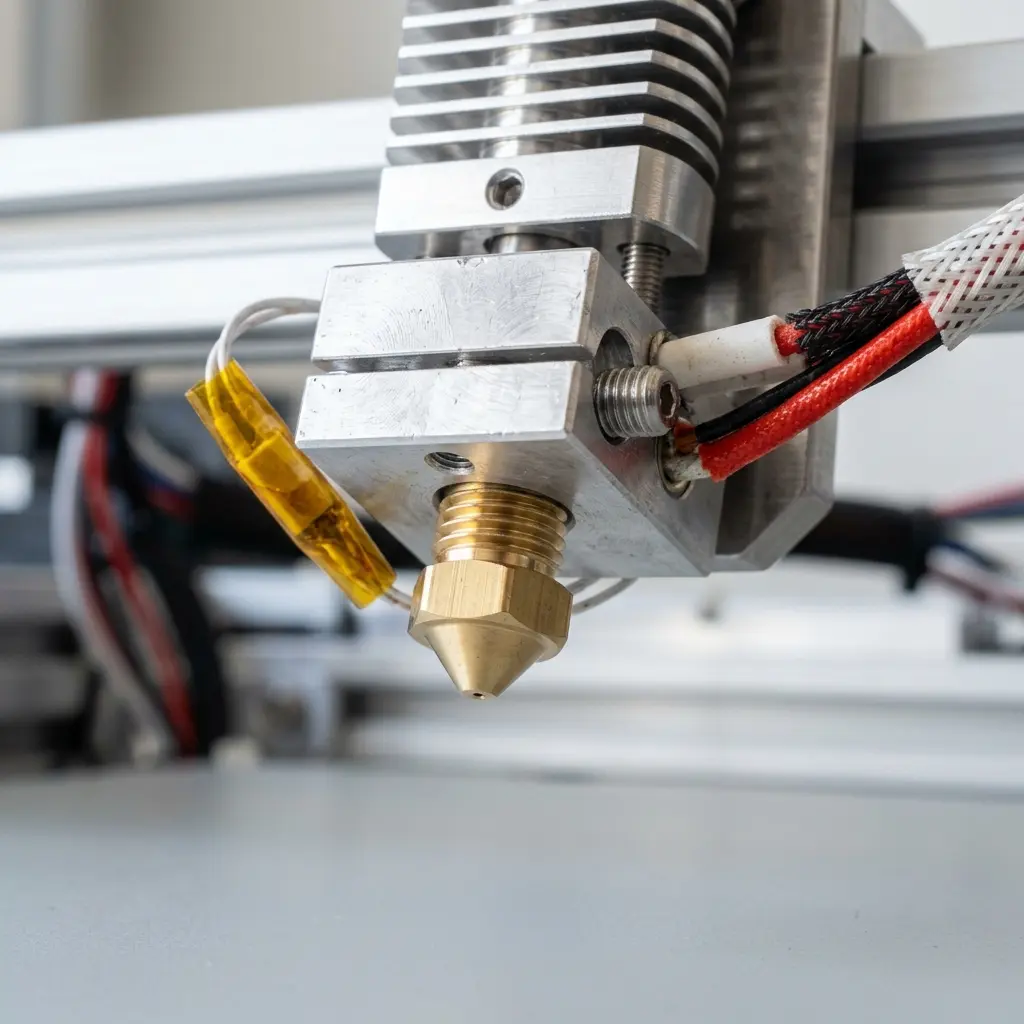
Key items include:
- Resin Printer: Choose a printer that fits specific needs, considering build volume and printing speed.
- Resin: Select the appropriate resin type based on the desired application, such as standard, flexible, or castable resin.
- Post-Processing Station: A dedicated space for cleaning and curing prints ensures a safe and efficient workflow.
- Cleaning Supplies: Isopropyl alcohol (IPA), gloves, and paper towels are essential to maintain cleanliness and safety.
- UV Light Curing Station: This station cures prints after washing, providing optimal hardness and durability.
Comparing Resin and Filament 3D Printing
Understanding the differences between resin and filament printing helps determine the right choice for specific needs.
| Feature | Resin Printing | Filament Printing |
|---|---|---|
| Detail Level | High | Medium |
| Surface Finish | Smooth | Layered |
| Material Cost | Higher | Lower |
| Post-Processing | Required | Minimal |
| Speed | Variable | Generally Faster |
| Safety | More Care Needed | Less Hazardous |
Getting Started with Resin 3D Printing
To begin resin printing, follow these essential steps:
- Choose Your Printer: Select a resin printer that fits specific budget and requirements.
- Select the Right Resin: Determine the type of resin needed for projects.
- Set Up Your Workspace: Ensure proper ventilation and safety measures are in place.
- Level the Build Plate: Follow the manufacturer's guidelines for leveling the build plate, crucial for successful prints.
- Prepare the Model: Use slicing software to prepare the 3D model for printing.
- Print and Monitor: Start the printing process and monitor for any issues.
- Post-Processing: Clean and cure the printed model according to the recommended procedures.
DomineTec Tip: Always wear gloves and protective eyewear when handling resin to ensure safety and prevent skin irritation.
Best Practices for Resin Printing
To achieve optimal results with resin 3D printers, adhering to best practices is essential. Below are some helpful guidelines:
- Keep Your Workspace Clean: Resin spills can be hazardous. Always clean the workspace after printing.
- Store Resin Properly: Keep resin in a cool, dark place to prolong its shelf life.
- Use the Right Exposure Settings: Consult the resin manufacturer's guidelines for exposure times to avoid over or under-curing prints.
- Regular Maintenance: Clean the printer regularly and check for any clogs or issues that may affect print quality.
Common Issues and Troubleshooting
Even experienced users may encounter issues during resin printing. Here are some common problems and troubleshooting tips:
| Issue | Possible Cause | Solution |
|---|---|---|
| Prints Not Sticking to the Build Plate | Improper leveling or insufficient exposure time | Re-level the build plate and adjust exposure settings |
| Prints Missing Details | Under-exposure or incorrect model orientation | Increase exposure time or adjust model orientation |
| Prints Warping | Too much or too little resin on the build plate | Ensure proper resin levels and balance |
| Resin Leaks | Worn or damaged FEP film | Replace the FEP film and ensure proper sealing |
Frequently Asked Questions
Are resin printers suitable for beginners?
Resin printers can be used by beginners, but they require a commitment to understanding safety protocols and post-processing techniques.
How much does resin printing cost?
The initial setup cost for resin printing can range from $200 to over $1,000, depending on the printer and equipment selected.
What types of resin are available?
There are various types of resin, including standard, flexible, castable, and high-temperature, each designed for specific applications.
Is post-processing necessary for resin prints?
Yes, post-processing is essential for resin prints, involving washing and curing to achieve the desired strength and finish.
Can resin prints be painted?
Resin prints can be painted, but proper surface preparation is needed to ensure paint adheres well to the smooth surface.
```htmlAdvanced Configurations for Optimal Printing
Utilizing advanced configurations can significantly enhance the performance of resin 3D printers. Parameters such as exposure time, layer height, and lift speed must be meticulously adjusted to achieve the best results.
Many resin printers offer customizable settings that allow users to fine-tune their prints. Understanding the impact of each parameter can lead to greater print quality and reduced material waste.
Common Calibration Mistakes
Calibration is a critical step in the 3D printing process, yet many users overlook its importance. Neglecting to properly calibrate can lead to issues such as layer misalignment and poor adhesion.
Cost Estimations for Resin Printing
The initial investment for resin 3D printers can be higher compared to their FDM counterparts. However, the costs associated with resin materials, post-processing, and maintenance should also be factored into the overall expense.
On average, resin costs can range significantly based on quality and type, impacting the long-term budget. Evaluating these costs upfront can help determine if resin printing aligns with financial expectations.
Security Precautions When Using Resin Printers
Resin printing poses unique safety risks, necessitating appropriate security measures to ensure safe operation. Protective gear, including gloves and goggles, should be worn during handling to prevent skin and eye irritation.
Proper ventilation is crucial when operating resin printers, as fumes can be harmful if inhaled. Additionally, storing resin in a cool, dark place reduces the risk of accidental exposure and degradation of the material.
Post-Processing Techniques for Resin Prints
Post-processing is often required to achieve a polished finish on resin prints. Techniques such as washing, curing, and sanding can significantly enhance the final appearance and durability of the printed object.
Investing in a dedicated washing station and UV curing chamber can streamline this process. These tools not only improve efficiency but also ensure that prints achieve optimal strength and detail.
Alternative Choices to Resin 3D Printing
While resin printing offers high precision, alternative methods like FDM and SLS can also be considered for different applications. Each technology has its own set of advantages and limitations that should be evaluated based on project requirements.
For larger parts or functional prototypes, FDM printing may provide a more cost-effective solution. Understanding the strengths of each technology allows for better decision-making when selecting a printing approach.
Maintenance and Care for Resin Printers
Regular maintenance is vital for ensuring the longevity of resin 3D printers. Cleaning the build plate and vat after each print helps prevent contamination and improves print quality.
Additionally, periodic checks of the printer's components, such as the LCD screen and resin tank, can identify potential issues before they become significant problems. A proactive maintenance routine can extend the lifespan of the printer.
Community and Support for Resin Printing
Engaging with the online community can provide valuable insights and support for users of resin 3D printers. Forums and social media groups often share tips, tricks, and troubleshooting advice that can enhance the printing experience.
Accessing shared knowledge from experienced users can help newcomers navigate challenges more effectively. Participating in discussions can also lead to discovering new techniques and materials that improve overall printing outcomes.
``` ```htmlAre Resin 3D Printers Worth It?
The debate over whether resin 3D printers are worth the investment can be complex. This article explores the pros and cons of resin 3D printing, along with essential equipment needed for optimal results.
Pros of Resin 3D Printing
- High Detail and Precision: Resin printers excel in producing highly detailed models with fine features.
- Smooth Surface Finish: The smoothness of the printed surfaces typically requires less post-processing compared to FDM prints.
- Variety of Resins: There are various resin types available, including flexible, durable, and castable resins, allowing for diverse applications.
- Faster Printing Times: Resin printers can often produce models more quickly than traditional filament-based printers.
Cons of Resin 3D Printing
- Cost: Resin printers and materials can be more expensive than FDM printers and filaments.
- Mess and Odor: Resin can be messy to work with and produces strong odors, necessitating proper ventilation.
- Post-Processing: Printed models often require washing and curing, adding to the time and effort involved.
- Safety Concerns: Many resins are toxic and require careful handling and storage to ensure safety.
Cost Comparison: Resin vs. FDM Printers
| Item | Resin Printer | FDM Printer |
|---|---|---|
| Initial Cost | $300 - $5,000+ | $200 - $2,500+ |
| Material Cost (per kg) | $50 - $150 | $20 - $50 |
| Maintenance Cost | Higher due to resin handling | Lower |
| Print Speed | Faster for small models | Varies widely |
Essential Equipment for Resin 3D Printing
Investing in a resin 3D printer also means considering additional equipment that enhances the printing experience and ensures safety.
- UV Curing Station: Essential for curing prints post-production, ensuring they achieve the desired hardness and durability.
- Resin Washing Station: A dedicated cleaning station can help wash prints effectively to remove uncured resin.
- Protective Gear:
- Gloves
- Safety goggles
- Respirator mask
Popular Resin Printer Models
| Model | Build Volume (mm) | Price Range | Key Features |
|---|---|---|---|
| Anycubic Photon Mono X | 192 x 120 x 245 | $600 - $700 | High resolution, fast printing speed |
| Elegoo Mars 2 Pro | 129 x 80 x 160 | $250 - $300 | Affordable, easy to use |
| Prusa SL1S | 127 x 80 x 150 | $1,000 - $1,200 | High precision, excellent community support |
| Creality LD-002R | 130 x 82 x 160 | $200 - $300 | Budget-friendly, good quality |
Applications of Resin 3D Printing
- Prototyping: Ideal for creating highly detailed prototypes for design evaluation.
- Jewelry Making: Castable resins allow for creating intricate jewelry designs.
- Miniatures: Popular in tabletop gaming, resin printers produce high-detail miniatures.
- Dental Applications: Used for creating dental models and aligners due to their precision.
- Engineering Parts: Functional prototypes for testing and development in engineering applications.
Conclusion: Are Resin 3D Printers Worth It?
The value of a resin 3D printer ultimately depends on specific needs and applications. For those requiring high detail and precision in their prints, the advantages may outweigh the cons. However, for casual hobbyists or those on a tight budget, alternative options such as FDM printers may be more suitable.
``` ```htmlIntroduction to Resin 3D Printing
Resin 3D printing utilizes a liquid photopolymer resin that is cured layer by layer using ultraviolet light. This technology has been gaining popularity due to its ability to produce highly detailed and intricate models.
Pros of Resin 3D Printers
- High Precision: Resin printers can produce incredibly detailed prints, making them ideal for applications like jewelry and miniatures.
- Smooth Surface Finish: The prints have a smoother finish compared to filament-based printers, often requiring minimal post-processing.
- Variety of Materials: A wide range of resin materials is available, including flexible, tough, and castable resins for different applications.
- Faster Print Speeds: Many resin printers have faster print times due to the layer-by-layer curing process.
High Detail and Resolution
Resin printers are capable of achieving layer resolutions as fine as 0.01mm. This is particularly beneficial for detailed models where precision is paramount.
Variety of Resins
Different resin types cater to specific needs, including dental applications, prototyping, and art. Choosing the right resin can greatly enhance the final product's utility and aesthetic appeal.
Cons of Resin 3D Printers
- Odor and Toxicity: The resin emits strong odors and can be toxic, requiring a well-ventilated workspace and protective gear.
- Post-Processing Requirements: Prints typically require cleaning and curing after printing, which can be time-consuming.
- Higher Material Costs: Resin can be more expensive than filament, impacting the overall cost of printing.
- Limited Build Volume: Many resin printers have smaller build volumes compared to FDM printers, restricting the size of printed objects.
Health and Safety Concerns
Exposure to uncured resin can cause skin irritation and other health issues. Proper safety protocols should always be followed when using resin printers.
Time-Consuming Post-Processing
After printing, objects must be washed in isopropyl alcohol and cured under UV light. This adds to the overall time and effort required for each print.
Essential Equipment for Resin 3D Printing
To effectively operate a resin 3D printer, several essential items are necessary. Each piece of equipment plays a vital role in the printing process.
Basic Equipment List
| Equipment | Description |
|---|---|
| Resin 3D Printer | The main device responsible for the printing process, available in various technologies such as LCD and DLP. |
| Resin | Special photopolymer resin needs to be selected based on the desired characteristics of the print. |
| Build Plate | The platform where the print is built, often removable for easy post-processing. |
| Cleaning Station | A dedicated area for washing prints in isopropyl alcohol to remove uncured resin. |
| UV Curing Station | A setup to cure prints after cleaning, ensuring they reach their optimal strength and durability. |
| Protective Gear | Includes gloves, goggles, and masks to ensure safety while handling resin and prints. |
Additional Tools
Additional tools such as scrapers, tweezers, and a digital caliper can enhance the 3D printing experience. These tools assist in post-processing and ensure better accuracy in model sizing.
Conclusion: Are Resin 3D Printers Worth It?
Investing in a resin 3D printer ultimately depends on the specific needs of the user. The advantages of high detail and material versatility may outweigh the drawbacks for certain projects.
```Conclusion
Resin 3D printing offers incredible detail and quality, making it a worthwhile investment for those who need high-precision models. While the initial costs and maintenance can be higher than traditional filament printers, the advantages in surface finish, detail, and versatility make it an appealing choice for many users. By understanding both the pros and cons, as well as the essential equipment and best practices, an informed decision can be made about whether resin printing is the right choice.




