Is Cat8 Ethernet Cable Worth It for Gaming and Home Networks?
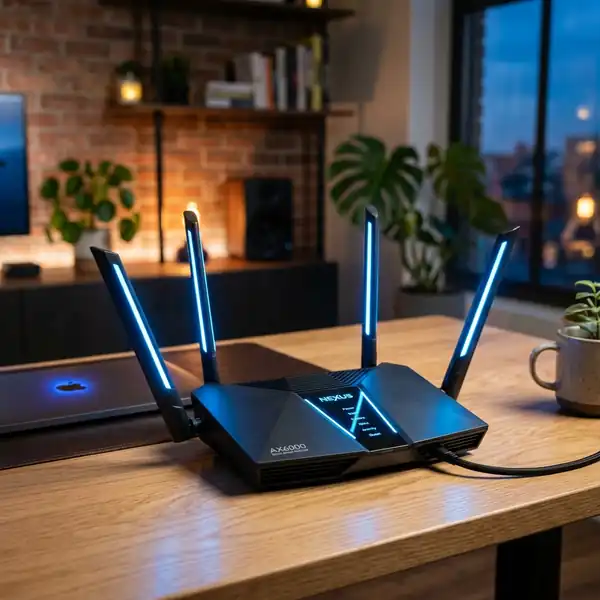
Yes, Cat8 Ethernet cable can enhance gaming and home networks with its high bandwidth and low latency capabilities.
Understanding Cat8 Ethernet Cable Specifications
Cat8 Ethernet cables support frequencies up to 2000 MHz and data rates of 25 Gbps to 40 Gbps over distances up to 30 meters.
This makes them suitable for data centers and high-performance applications, contrasting with Cat6a's 500 MHz and 10 Gbps speeds.
Impact on Gaming Performance
Low latency is crucial for online gaming; Cat8 cables can reduce latency significantly due to their higher bandwidth capabilities.
While overall network performance benefits from Cat8, actual gaming improvements depend on network conditions and equipment used.
Home Network Compatibility
Most home routers and switches may not fully utilize the Cat8 cable’s capabilities, with many models limited to Cat6 or Cat7 speeds.
However, upgrading to Cat8 ensures future-proofing for upcoming devices and services that may demand higher speeds.
Comparative Analysis of Ethernet Cables
| Cable Type | Max Bandwidth | Max Distance | Frequency |
|---|---|---|---|
| Cat6 | 10 Gbps | 55 meters | 250 MHz |
| Cat6a | 10 Gbps | 100 meters | 500 MHz |
| Cat7 | 10 Gbps | 100 meters | 600 MHz |
| Cat8 | 25-40 Gbps | 30 meters | 2000 MHz |
Setup Instructions for Cat8 Ethernet
- Terminate the Cat8 cable with RJ45 connectors using a crimping tool.
- Connect one end of the cable to the gaming console or PC Ethernet port.
- Connect the other end to a compatible switch or router.
- Log into the router interface using CLI commands:
ssh admin@192.168.1.1. - Configure the network settings as needed, ensuring the device receives the correct IP address.
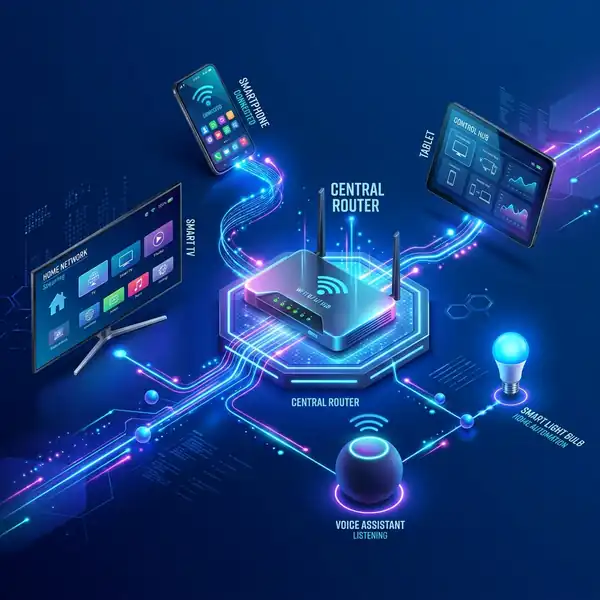

DomineTec Tip: Use quality connectors and ensure proper termination to avoid signal loss and maintain performance.
Future-Proofing Your Network with Cat8
As technology evolves, so does the demand for faster internet speeds and more reliable connections. Cat8 cables are designed to support future networking standards, making them a worthwhile investment for those looking to future-proof their home networks.
With the rise of smart home devices, 4K streaming, and online gaming, the capacity for higher data rates becomes increasingly important. Cat8 can handle frequencies up to 2000 MHz, allowing for higher bandwidth and improved performance in data-intensive applications.
Investing in Cat8 now may save you from needing an upgrade in the near future. As internet service providers continue to offer faster speeds, having a cable that can support these advancements is crucial.
Additionally, Cat8’s backward compatibility with previous Ethernet standards ensures that users can transition smoothly without replacing their entire network infrastructure.
Environmental Considerations of Using Cat8 Cables
As environmental concerns grow, the sustainability of networking equipment becomes increasingly significant. Cat8 cables often use higher-quality materials that can reduce the overall environmental impact.
Manufacturers are now focusing on producing cables that are more energy-efficient and recyclable, contributing positively to ecological sustainability. This is an essential factor for users who prioritize eco-friendliness in their technology choices.
Additionally, the durability of Cat8 cables means they have a longer lifespan compared to lower category cables, consequently reducing electronic waste. Choosing a long-lasting cable can significantly minimize the frequency of replacements.
Moreover, as the demand for high-speed internet increases, opting for cables that reduce energy consumption in data centers and networks can have a broader impact on energy usage at a global scale.
The Role of Shielding in Cat8 Performance
One of the key features of Cat8 cables is their advanced shielding, which provides superior protection against electromagnetic interference (EMI) and crosstalk. This shielding is essential for maintaining optimal performance in environments with multiple electronic devices.
Cat8 cables typically utilize either shielded twisted pairs (STP) or screened twisted pairs (S/FTP), which help maintain signal integrity over longer distances. This is particularly beneficial in densely populated urban areas where interference may be commonplace.
Improved shielding not only enhances data transmission speeds but also ensures stability and reliability, translating to lower latency during gaming and more consistent streaming experiences.
As network demands evolve, the importance of shielding in high-performance cables like Cat8 cannot be overstated. Users seeking the best possible performance should prioritize cables with robust shielding options.
Installation and Maintenance Tips for Cat8 Cables
Proper installation and maintenance of Cat8 cables can significantly impact their performance and longevity. Users should ensure that cables are routed correctly, avoiding sharp bends and kinks that could damage the internal wiring.
It is advisable to use cable management systems to keep Cat8 cables organized and protected from physical stress. This helps maintain signal quality and reduces the risk of interference from other electrical devices.
Regular inspections of cable integrity can also prevent potential issues. Users should check for any visible damage or wear, especially in high-traffic areas where cables may be subject to more physical strain.
Ultimately, taking these steps can ensure that Cat8 cables perform optimally, providing the best possible internet connectivity for gaming and home use.
Cost-Benefit Analysis of Cat8 vs. Other Cables
When considering a Cat8 Ethernet cable, it's essential to evaluate its cost against potential benefits. While Cat8 cables may carry a higher price point compared to older standards, the performance improvements can justify the expense.
Users should consider their specific needs; for high-speed gaming and 4K streaming, the advantages of reduced latency and increased bandwidth can outweigh the initial investment.
Additionally, the longevity and durability of Cat8 cables mean that they could offer long-term savings by reducing the need for frequent replacements. This makes them a cost-effective choice for technology enthusiasts.
A thorough cost-benefit analysis can help users make informed decisions about upgrading their networking equipment, ensuring they choose the best option for their specific use cases.
Real-World Testing: Cat8 Performance in Different Scenarios
Real-world testing of Cat8 cables in various scenarios can provide valuable insights into their performance. In controlled environments, Cat8 consistently outperforms lower category cables, showcasing its capabilities in high-speed data transfer.
In practical applications, users have reported noticeable improvements in online gaming, particularly in terms of lower latency and faster load times during peak usage hours.
Streaming services also benefit from the higher bandwidth capabilities of Cat8, allowing for uninterrupted 4K streaming even when multiple devices are connected simultaneously.
These real-world tests highlight the practical advantages of investing in Cat8 cables, reinforcing their value for users who require reliable and fast internet connectivity.
Choosing the Right Length and Accessories for Cat8 Cables
Selecting the appropriate length for Cat8 cables is crucial for optimizing both performance and convenience. Users should measure the distance from their router to devices carefully to avoid excess slack, which can lead to signal degradation.
Additionally, using quality connectors and accessories can further enhance the performance of Cat8 cables. High-quality RJ45 connectors are essential to ensure a secure and stable connection.
Users should also consider cable extenders or repeaters if they need to cover long distances, as these can help maintain signal strength without compromising performance.
Ultimately, taking the time to choose the right length and accessories can maximize the benefits of Cat8 cables, ensuring a seamless networking experience.
Latency Reduction and Its Importance in Gaming
Latency, or the time it takes for data to travel from the source to the destination, plays a critical role in gaming performance.
Cat8 Ethernet cables are designed to minimize latency through advanced technology that ensures quick data transmission.
Lower latency can lead to a more responsive gaming experience, especially in fast-paced online multiplayer games where every millisecond counts.
By investing in Cat8 cables, gamers can potentially reduce lag and improve their overall gameplay experience.
The Role of Network Switches and Routers in Cat8 Performance
The performance of Cat8 Ethernet cables can be significantly affected by the network switches and routers used in conjunction with them.
To fully utilize the high speeds offered by Cat8, it is essential that the connected devices also support these speeds and standards.
Outdated or low-quality switches and routers can create bottlenecks, negating the advantages of using Cat8 cables.
Investing in compatible networking equipment is crucial for achieving optimal performance and reliability in your home network.
Security Features of Cat8 Cables
As cyber threats become increasingly sophisticated, the security features of networking cables, including Cat8, are gaining attention.
Cat8 cables often come with enhanced shielding that not only improves performance but also provides better protection against eavesdropping and signal interference.
Using Cat8 cables can help ensure that sensitive data transmitted over your network remains secure.
Understanding the security benefits of Cat8 can be a deciding factor for users concerned about their network integrity.
Real-World Scalability with Cat8 Ethernet Cables
Scalability is a crucial consideration for both home and gaming networks, especially as technology continues to evolve.
Cat8 Ethernet cables provide a level of scalability that can accommodate future advancements in networking technology.
These cables are capable of supporting high-speed internet plans and a growing number of connected devices without degrading performance.
Investing in Cat8 can be seen as a strategic move for users looking to future-proof their networks for years to come.
Energy Efficiency of Cat8 Ethernet Cables
Cat8 Ethernet cables are designed not only for high performance but also with energy efficiency in mind. These cables utilize advanced materials and construction techniques that reduce power consumption, making them a greener choice for home and gaming setups.
The reduction in energy usage can be attributed to the lower attenuation and enhanced shielding that Cat8 cables provide. This means that less energy is needed to transmit data over longer distances, which is particularly beneficial in large homes or gaming environments where multiple devices are connected.
Moreover, energy efficiency also plays a role in reducing operational costs over time. While Cat8 cables may have a higher initial purchase price, their energy-saving capabilities can lead to lower electricity bills, especially in networks with high data traffic.
In addition, using energy-efficient cables like Cat8 contributes to environmental sustainability. As users become more conscious of their carbon footprint, opting for cables that minimize energy consumption aligns with broader efforts to reduce energy waste in technology.
Interference and Signal Integrity in Cat8 Ethernet Cables
One of the standout features of Cat8 Ethernet cables is their ability to minimize interference and maintain signal integrity. This capability is crucial in environments with numerous electronic devices that could cause electromagnetic interference (EMI).
Cat8 cables employ a combination of shielding techniques, including foiled twisted pairs (FTP) and overall shielding, to protect against both external and internal interference. This ensures that data transmission remains stable and reliable, even in crowded network setups.
Maintaining signal integrity is particularly important for applications requiring high bandwidth and low latency, such as online gaming and 4K streaming. By reducing the risk of data loss or corruption, Cat8 cables provide a seamless user experience, enhancing overall performance.
As technology continues to evolve, the demand for clean and interference-free signal transmission will only increase. Cat8 cables are well-equipped to meet these demands, making them a future-proof choice for any serious gamer or home network enthusiast.
Troubleshooting Common Network Issues with Cat8 Cables
Troubleshooting network issues is essential for maintaining optimal performance, especially when utilizing Cat8 Ethernet cables. Common problems include slow speeds, intermittent connectivity, and packet loss, which require systematic diagnosis to identify the root cause.
To diagnose slow speeds, begin by running a speed test using a reliable service like Ookla or Fast.com. If speeds are significantly lower than expected, check for potential cable faults by inspecting physical connections and ensuring the cable is not pinched or damaged.
Next, utilize the command-line interface to perform a ping test, which can help identify packet loss or high latency. The command `ping -t [destination IP]` will continuously send packets to the specified destination, revealing any packet loss in real-time.
If issues persist, consider using a network analyzer tool, such as Wireshark, to capture traffic and analyze packet flow for abnormalities. This tool can provide insights into bandwidth usage and help pinpoint devices that may be consuming excessive resources.
Intermittent connectivity issues might stem from physical layer problems. Check the integrity of connectors and ports, ensuring they are clean and free from dust or corrosion.
In some cases, updating firmware on network devices such as routers and switches can resolve connectivity problems by eliminating known bugs or enhancing performance. Always consult the manufacturer’s website for the latest firmware versions and follow the provided update instructions carefully.
For packet loss troubleshooting, it may be beneficial to analyze the quality of service (QoS) settings on the router. Enabling QoS can prioritize gaming traffic, potentially reducing packet loss and improving the overall gaming experience.
Best Practices for Securing Your Cat8 Network
Network security is paramount, especially when using advanced Ethernet cables like Cat8 that support higher bandwidths. Following best practices can help safeguard data and enhance overall network integrity.
Start by ensuring all devices connected to the network have updated firmware and security patches. Utilize the command `ipconfig` on Windows or `ifconfig` on Linux to check the connected devices and ensure they are all secure and updated.
Implementing a strong password policy for all network devices is crucial. Use complex passwords that include a mix of uppercase, lowercase, numbers, and symbols, and change them regularly to mitigate the risk of unauthorized access.
Next, consider segmenting the network using VLANs (Virtual Local Area Networks). This practice helps isolate sensitive devices from general traffic, reducing the attack surface and providing an additional layer of security.
Regularly monitor network traffic using tools like PRTG or Nagios to detect unusual patterns that could indicate a security breach. Set up alerts for any spikes in traffic that deviate from normal behavior, which may suggest malicious activity.
Furthermore, utilize firewall rules to restrict access to critical resources within the network. Implementing rules based on IP addresses or MAC addresses can prevent unauthorized devices from connecting to the network.
Lastly, consider deploying a network intrusion detection system (NIDS) to enhance security. This system can analyze traffic patterns and detect suspicious activities, allowing for a proactive approach to network security management.
Frequently Asked Questions
Is Cat8 cable backward compatible?
Yes, Cat8 cables are backward compatible with previous Ethernet standards, including Cat5e, Cat6, and Cat7.
Do I need a Cat8 router for maximum performance?
A Cat8 router is recommended to fully utilize the cable's capabilities; otherwise, speeds may be limited by the router’s specifications.
What length of Cat8 cable is ideal?
For optimal performance, keep the cable length under 30 meters, as Cat8 is designed for short-distance high-speed transmission.
Can Cat8 cables improve Wi-Fi performance?
While Cat8 cables directly improve wired connections, they can enhance the overall network efficiency, which may indirectly benefit Wi-Fi performance.
Are Cat8 cables worth the investment?
If future-proofing a network and ensuring high performance for demanding applications is a priority, Cat8 cables are a worthwhile investment.




