IPS vs VA vs TN Panel Comparison: Which Monitor Panel is Best?
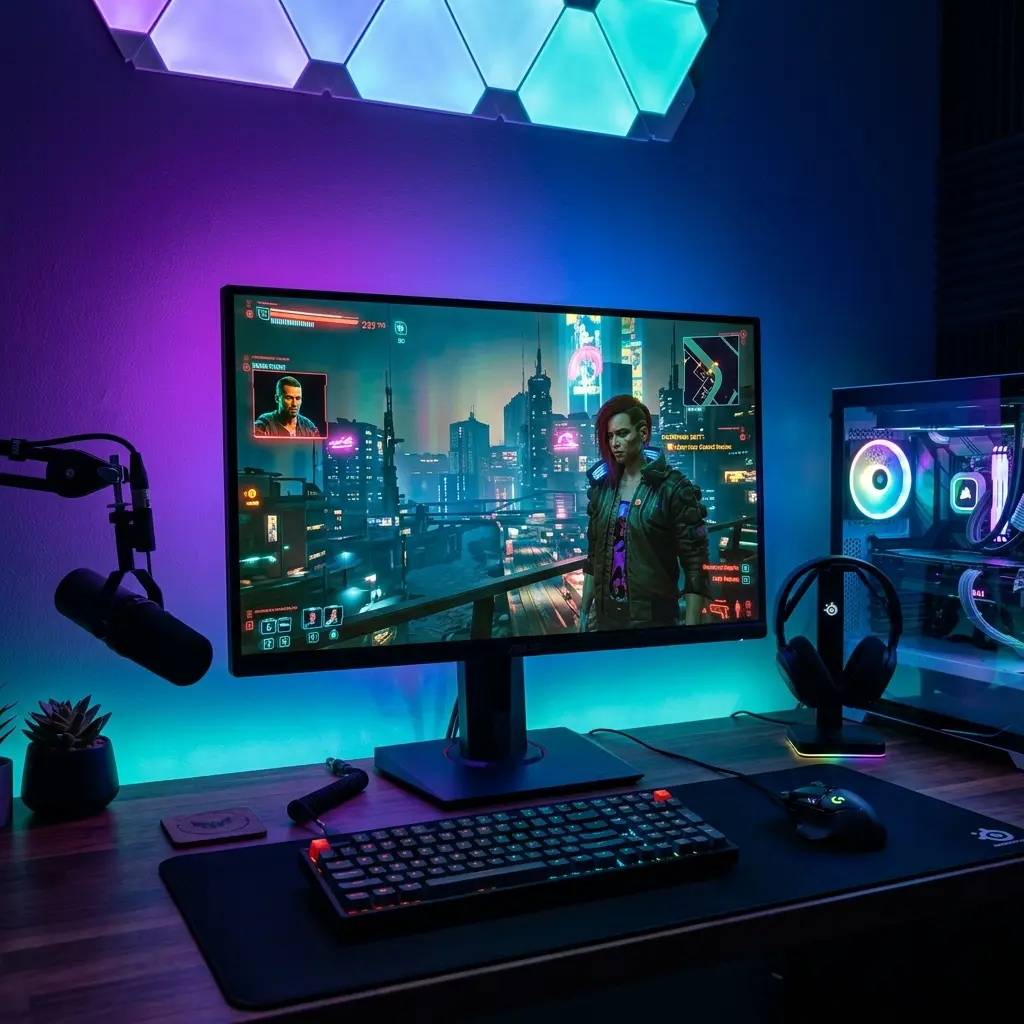
When comparing monitor panels, IPS is favored for color accuracy, VA for contrast, and TN for speed.
Physical Aspects and Resolution
IPS panels typically feature a wider color gamut and better viewing angles, making them ideal for creative work. VA panels excel in contrast ratios, while TN panels offer faster response times, but at the expense of color reproduction.
Performance and Technology
IPS technology utilizes liquid crystals aligned horizontally, enhancing color accuracy and viewing angles. Conversely, VA panels employ vertically aligned crystals, providing deeper blacks and improved contrast, while TN panels use twisted nematic technology for quicker refresh rates.
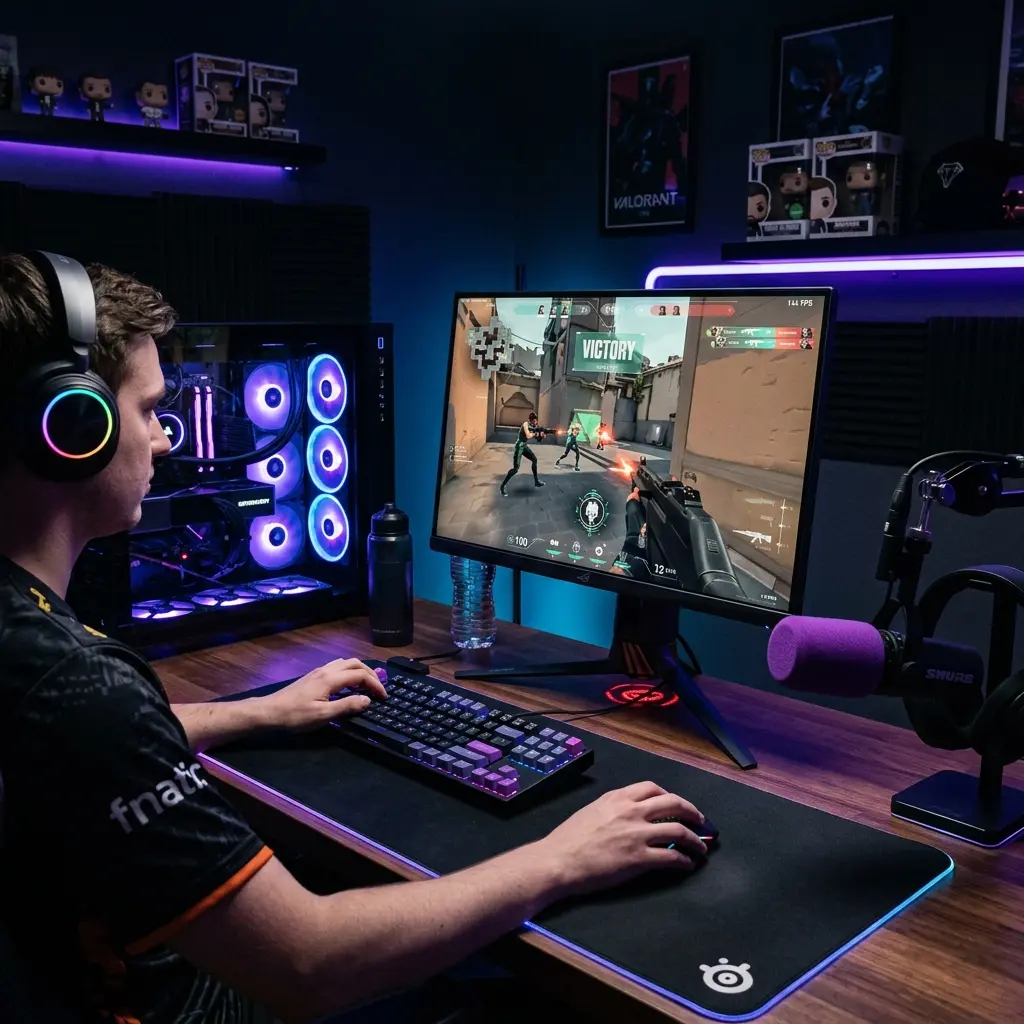
Ergonomics and Visual Comfort
IPS monitors are generally more ergonomic due to their superior color consistency, reducing eye strain during extended use. In contrast, TN panels may cause discomfort due to limited viewing angles, affecting visual comfort.
| Panel Type | Color Accuracy | Contrast Ratio | Response Time | Viewing Angles | Common Use |
|---|---|---|---|---|---|
| IPS | Excellent | Moderate | 5-8 ms | 178° | Creative, Gaming |
| VA | Good | High | 4-6 ms | 178° | Gaming, Movies |
| TN | Fair | Low | 1-3 ms | 160° | Competitive Gaming |
Materials and Durability
IPS panels are often made with high-quality glass, providing durability and superior image quality. VA panels are typically constructed with robust materials for longevity, while TN panels may use less durable plastics, impacting their lifespan.

DomineTec Tip: Utilize monitor calibration tools to ensure optimal color accuracy for creative tasks.
Buying Recommendations and Brands
Leading brands such as Dell, LG, and ASUS offer a range of IPS, VA, and TN panels catering to specific needs. Carefully consider panel type based on intended use to maximize value and performance.

- Determine primary usage: Gaming, professional work, or general use.
- Assess budget constraints and desired panel type.
- Check refresh rates and response times for gaming performance.
- Evaluate ergonomics and adjustability options.
- Read reviews and compare specifications across different models.
Value Analysis and Verdict
IPS panels offer superior color accuracy and viewing angles, making them ideal for professionals. VA panels provide excellent contrast for movies, while TN panels are best for competitive gamers seeking speed.
Color Accuracy and Gamut Coverage
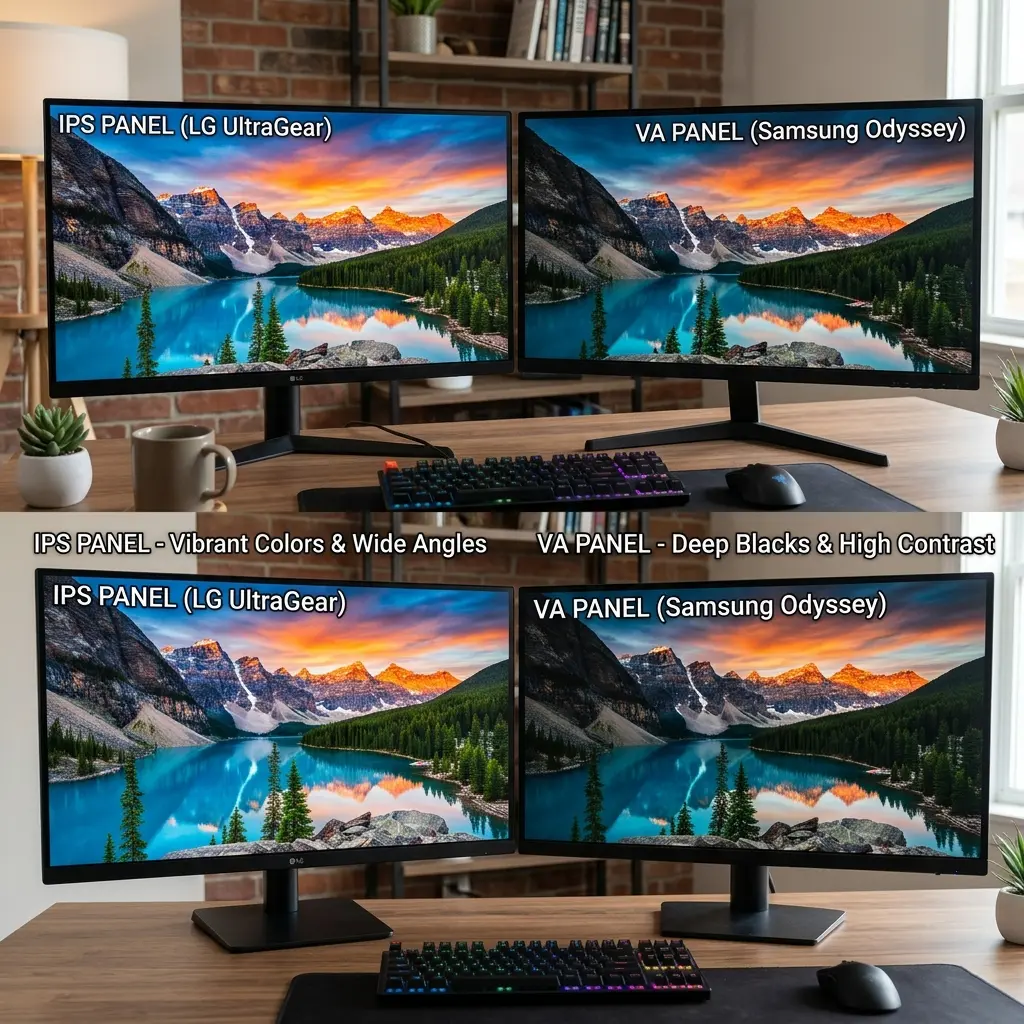
Color accuracy is a critical factor for professionals in fields such as graphic design and photography. IPS panels are renowned for their superior color reproduction, often covering a wider color gamut compared to VA and TN panels.
VA panels provide decent color accuracy but generally fall short of IPS panels. However, they can still produce deep blacks and vibrant colors, making them suitable for media consumption.
TN panels, while improving over the years, typically struggle with color accuracy and gamut coverage, making them less ideal for tasks that require precise color work.
When selecting a monitor for color-sensitive tasks, it is crucial to consider the panel's color calibration and the percentage of sRGB, AdobeRGB, or DCI-P3 that it can cover.
Viewing Angles and Image Consistency
Viewing angles play a significant role in how a monitor is perceived from different positions. IPS panels excel in this area, offering wide viewing angles that maintain color consistency even at extreme angles.
In contrast, VA panels tend to experience color shifts and contrast loss when viewed from the side. This can be problematic in multi-monitor setups or shared viewing situations.
TN panels have the narrowest viewing angles, leading to pronounced color distortion and brightness loss when viewed off-axis. This limitation can hinder collaborative work or casual viewing experiences.
For users who prioritize consistent image quality from various angles, IPS panels are the clear winner, making them ideal for creative work and presentations.
Response Times and Ghosting Effects
Response time is crucial for gamers and fast-paced media consumption, as it affects motion clarity. TN panels typically have the fastest response times, making them popular among competitive gamers.
VA panels generally offer moderate response times, which can result in ghosting effects, particularly in fast-moving scenes. This can detract from the overall gaming experience.
IPS panels have historically lagged in response times, but advancements have led to significantly improved performance. Many modern IPS displays now offer competitive response times suitable for gaming.
Ultimately, for gamers, selecting a panel with low response times and minimal ghosting is essential, making TN panels preferable for competitive gaming while IPS is suitable for balanced performance.
Power Consumption and Efficiency
Power consumption is an important consideration, particularly for eco-conscious users. IPS panels tend to consume more power than VA and TN panels due to their backlighting technology and overall design.
VA panels often strike a balance between power efficiency and performance, making them a good option for users concerned about energy bills without compromising too much on image quality.
TN panels are the most power-efficient, making them ideal for budget builds or situations where low power consumption is a priority. However, this efficiency comes at the cost of color performance.
When assessing monitors, users should consider both the energy consumption ratings and the potential impact on long-term utility costs.
Price Range and Budget Considerations
Price is a significant factor when choosing a monitor panel type. TN panels are generally the most affordable, making them accessible for basic computing needs and entry-level gaming.
VA panels are usually priced in the mid-range, offering a balance between performance and cost. They are suitable for users who want better image quality without breaking the bank.
IPS panels are typically the most expensive due to their advanced technology and superior performance. However, they offer significant benefits for professionals and enthusiasts willing to invest for better results.
Ultimately, users should evaluate their budget alongside their requirements, weighing the cost against the benefits of each panel type to make an informed decision.
Compatibility with Graphics Technology
Compatibility with graphics technologies, such as NVIDIA G-Sync and AMD FreeSync, can enhance the gaming experience. Many modern IPS and VA panels support these technologies, reducing screen tearing and stuttering.
TN panels also support G-Sync and FreeSync in some models, but their inherent limitations in color and viewing angles may detract from the advantages offered by these technologies.
For users who prioritize smooth gaming experiences, selecting a monitor that supports adaptive sync technologies alongside the preferred panel type can significantly enhance performance.
Considering the compatibility with current graphics cards and gaming systems is essential for achieving the best visual experience and performance.
Use Cases and Target Audience
Different panel types cater to varying use cases and audiences. IPS panels are ideal for creative professionals, offering unmatched color accuracy and wide viewing angles for design and editing work.
VA panels appeal to gamers and movie watchers, providing excellent contrast ratios and vibrant colors that enhance visual experiences in darker scenes.
TN panels are best suited for competitive gamers who prioritize fast response times and affordability over color accuracy and viewing angles.
Understanding the target audience and specific use cases is crucial for selecting the right monitor panel, ensuring that users get the best performance for their needs.
Calibration and Customization Options
Calibration is essential for achieving optimal color accuracy and visual performance in monitors. IPS panels often come with advanced calibration options, allowing users to adjust settings to their preferences.
VA panels typically have fewer built-in calibration tools but can still offer decent customization through software. This limitation may affect color fidelity, particularly in professional settings.
TN panels, while generally not favored for color-critical work, can be tweaked using external calibration devices. However, the results may not match those achieved with IPS technology.
Users should consider their specific needs for calibration and customization when selecting a panel type, as this can significantly influence overall satisfaction and performance.
Environmental Impact and Sustainability
The environmental impact of monitor production and disposal has become increasingly important for consumers. IPS panels often utilize more eco-friendly materials and manufacturing processes compared to other types.
VA panels may also incorporate sustainable practices, but the adoption varies among manufacturers. Consumers should seek brands that prioritize environmental responsibility in their production methods.
TN panels, while often less expensive, may not offer the same level of sustainability in their materials or processes, raising concerns for environmentally conscious buyers.
When purchasing a monitor, it is advisable to consider the manufacturer's commitment to sustainability in addition to performance specifications.
Future Trends in Monitor Technology
As technology advances, the landscape of monitor panels is expected to evolve significantly. Innovations such as Mini-LED and Micro-LED technologies may influence the performance and characteristics of traditional panel types.
IPS technology is likely to integrate these advancements, potentially enhancing brightness and contrast ratios while maintaining color accuracy. This could make IPS panels even more appealing for creative professionals.
VA panels may also benefit from emerging technologies, improving their response times and color reproduction, making them more competitive in gaming and professional markets.
TN panels, while historically lagging behind in performance, may see niche improvements, particularly in gaming, where ultra-fast refresh rates are paramount.
Market Trends and Consumer Preferences
Consumer preferences are shifting towards monitors that offer a balance of performance, aesthetics, and sustainability. IPS panels are becoming increasingly popular among content creators and gamers alike due to their superior color accuracy.
VA panels are gaining traction in the gaming community as they offer an excellent contrast ratio and deep blacks, appealing to enthusiasts who prioritize immersive experiences.
TN panels remain relevant primarily in budget-conscious markets, where speed is prioritized over color fidelity, making them a staple for competitive gamers.
Understanding current market trends and consumer preferences can guide potential buyers in selecting the right monitor panel type that aligns with their specific use cases and budget constraints.
Connectivity Options and Port Types
Connectivity is a critical factor when considering a monitor panel, as it affects versatility and integration with other devices. Most modern monitors offer a variety of port types, including HDMI, DisplayPort, USB-C, and older VGA or DVI options.
HDMI is commonly used for consumer electronics, while DisplayPort is favored for high-resolution displays and multi-monitor setups. USB-C, increasingly prevalent, allows for both video and data transfer, providing a streamlined solution for laptops and mobile devices.
When selecting a monitor panel, it is essential to ensure compatibility with your existing devices. The number and type of ports can significantly influence the ease of setup and overall user experience.
Future-proofing is also an important consideration; opting for monitors with the latest connectivity options can enhance longevity and adaptability as technology evolves.
Gaming Features and Performance Enhancements
For gamers, specific performance features can greatly enhance the overall experience. Many modern monitors come equipped with technologies such as FreeSync and G-Sync, which help to reduce screen tearing and provide smoother gameplay.
Adaptive sync technologies adjust the monitor's refresh rate in real-time to match the frame rate output of the graphics card, resulting in a more fluid visual experience. This is particularly important in fast-paced gaming scenarios where every millisecond counts.
Additionally, features such as high refresh rates (144Hz and above) and low input lag are critical for competitive gamers. These attributes ensure that the monitor responds swiftly to user inputs, providing a tactile and engaging gaming experience.
Moreover, gaming monitors often come with customizable settings and preset modes tailored for different genres, further enhancing performance and user satisfaction.
Maintenance and Care for Monitor Panels
Maintaining a monitor panel is crucial for ensuring longevity and optimal performance. Regular cleaning is necessary to prevent dust and fingerprints from accumulating on the screen, which can affect image clarity.
Use a microfiber cloth and a gentle cleaning solution specifically designed for electronics to clean the screen. Avoid using ammonia-based cleaners, as they can damage the panel's coating.
Additionally, keeping the monitor in an appropriate environment contributes to its lifespan. Avoiding direct sunlight and extreme temperatures can help prevent issues like screen burn-in or color degradation over time.
It is also advisable to check the cables and connections regularly to ensure they are secure and free from damage, as faulty connections can lead to display issues.
Impact of Panel Technology on Eye Health
The choice of monitor panel technology can significantly affect eye health, particularly for users who spend extended periods in front of screens. Different panel types have varying levels of flicker and blue light emission, which can influence eye strain and fatigue.
IPS panels typically offer better color consistency and less flicker, making them a more comfortable option for long-term use. However, VA panels may have higher contrast ratios, which can also be beneficial in reducing eye strain in low-light conditions.
Implementing features such as blue light filters and flicker-free technology can further enhance eye comfort across all panel types. Many modern monitors include these features to cater to health-conscious consumers.
Ultimately, understanding the impact of panel technology on eye health can guide users in making informed decisions based on their specific usage patterns and needs.
Frequently Asked Questions
What is the best panel for gaming?
TN panels typically offer the fastest response times, making them suitable for competitive gaming.
Are IPS monitors worth the price?
IPS monitors provide better color accuracy and viewing angles, justifying their higher price for creative professionals.
Can VA panels be used for gaming?
Yes, VA panels can be used for gaming, especially for those prioritizing contrast and deeper blacks.
How do viewing angles affect monitor use?
Wider viewing angles reduce color distortion and improve overall visual comfort, particularly when multiple viewers are present.
What should be considered for monitor height?
Proper monitor height is essential for ergonomics; the top of the screen should be at or slightly below eye level.




