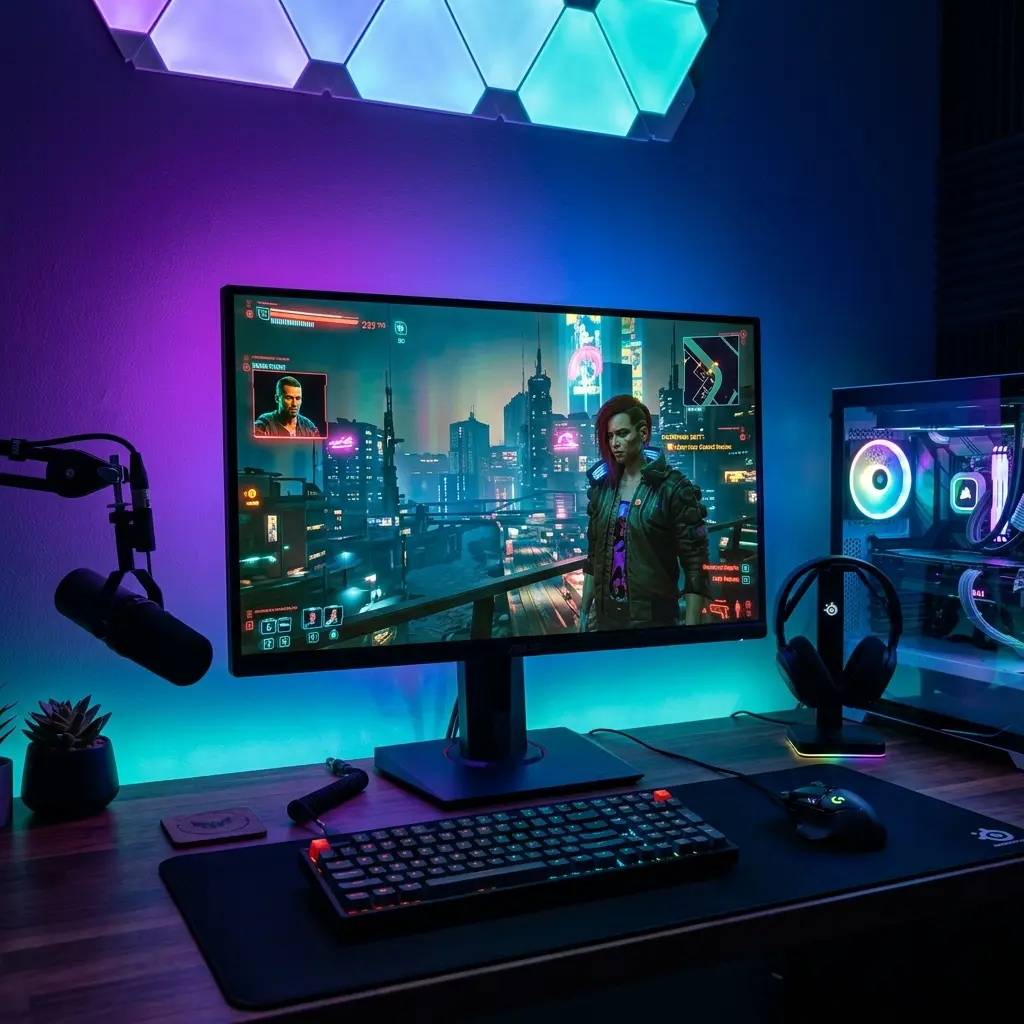
IPS panels generally offer superior color accuracy and viewing angles, while VA panels excel in contrast and black levels.
Physical Aspects and Resolution
IPS (In-Plane Switching) panels utilize liquid crystals aligned in parallel, enhancing color reproduction and viewing angles. VA (Vertical Alignment) panels feature liquid crystals aligned vertically, which can deliver deeper blacks but may sacrifice color accuracy at wide angles.
Performance and Technology
IPS panels typically achieve refresh rates up to 240Hz, making them ideal for gaming and professional applications. VA panels often provide higher static contrast ratios, ranging from 3000:1 to 6000:1, which enhances image depth and vibrancy in darker scenes.
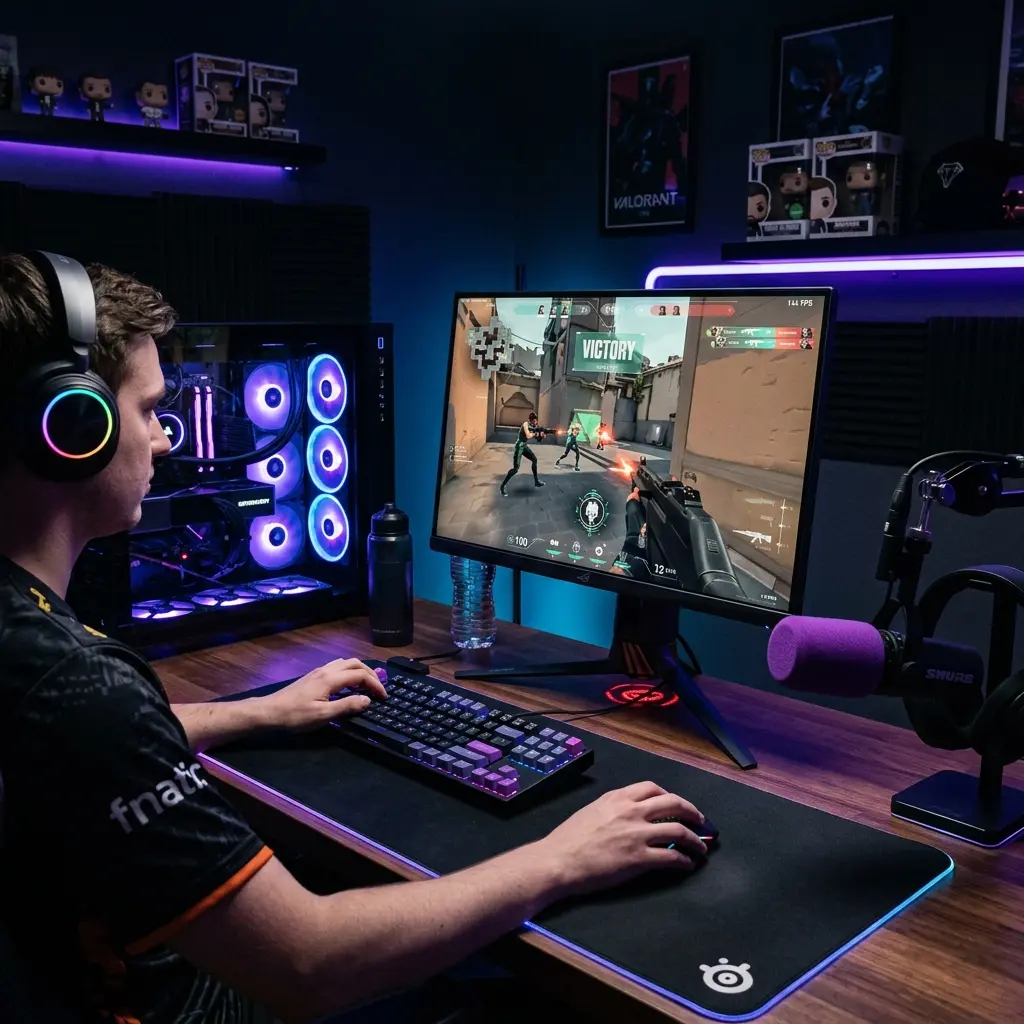
Ergonomics and Visual Comfort
IPS monitors generally feature better ergonomics, allowing for more comfortable prolonged use due to reduced eye strain. VA monitors, while providing excellent contrast, may lead to discomfort at extreme angles due to color and brightness shifts.
| Aspect | IPS Panel | VA Panel |
|---|---|---|
| Color Accuracy | High | Moderate |
| Viewing Angles | Wide (178°) | Narrow (160°) |
| Contrast Ratio | Low (1000:1) | High (3000:1 - 6000:1) |
| Refresh Rate | Up to 240Hz | Up to 165Hz |
| Response Time | 5-10ms | 4-8ms |
Materials and Durability
IPS panels are often constructed with higher-quality components, leading to greater longevity and consistent performance. VA panels may use less expensive materials, potentially affecting long-term durability but often provide competitive pricing.

DomineTec Tip: Ensure proper monitor height to reduce neck strain; the top of the screen should align with eye level for optimal comfort.
Buying Recommendations and Brands
Leading brands for IPS panels include Dell, LG, and ASUS, known for their reliable color performance. For VA panels, Samsung and AOC are recommended for exceptional contrast ratios and value.

- Assess the intended use: gaming, professional work, or general use.
- Determine the importance of color accuracy versus contrast depth.
- Evaluate the budget and compare models from reputable brands.
- Check user reviews for performance feedback.
- Consider additional features, such as adaptive sync technologies.
Value Analysis and Verdict
IPS panels are recommended for tasks requiring precise color representation, while VA panels are advantageous for cinematic experiences due to their high contrast. The choice ultimately depends on individual preferences and intended use scenarios.
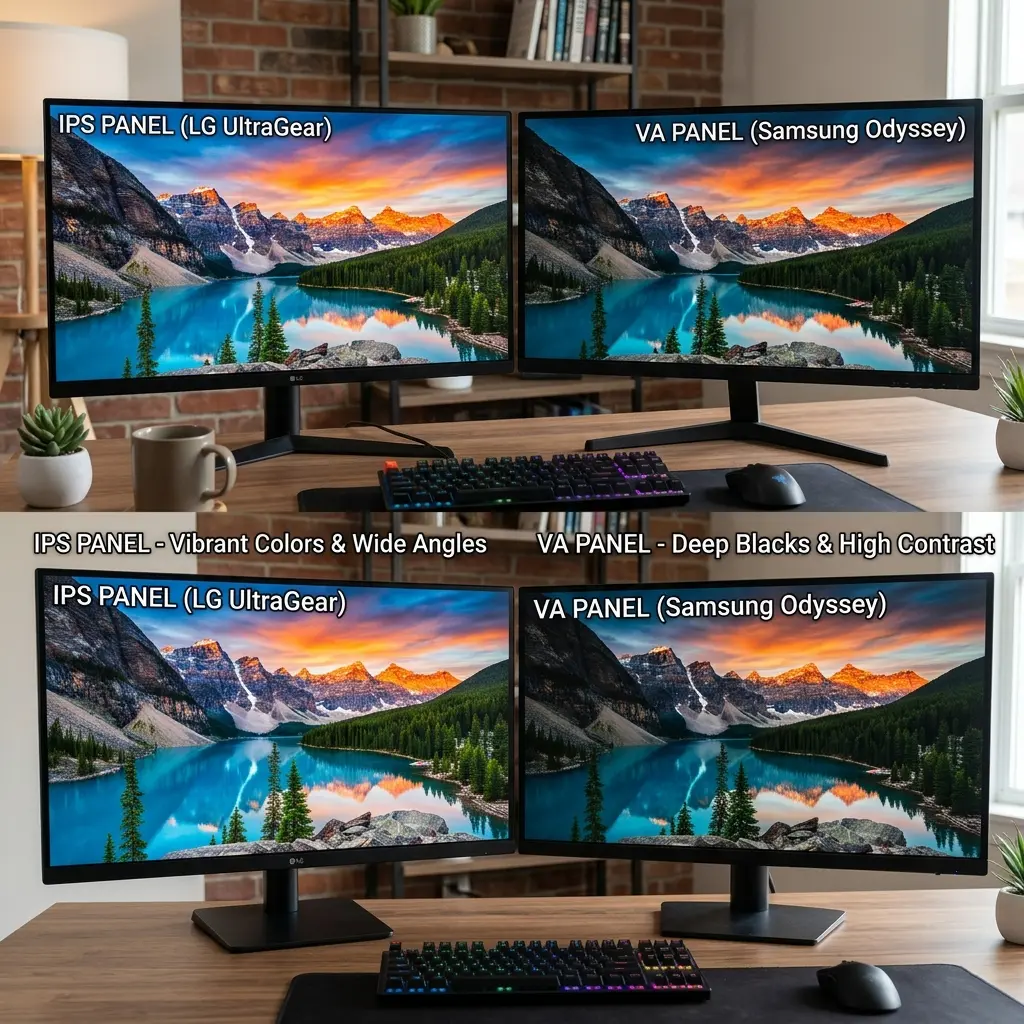
Color Accuracy and Gamut Coverage
Color accuracy is critical for professionals in photography, graphic design, and video editing. IPS panels are renowned for their ability to reproduce colors with high fidelity, often covering over 99% of the sRGB color space and a significant portion of Adobe RGB.
In contrast, VA panels may struggle with color accuracy, particularly at wide viewing angles. While some high-end VA panels have made strides in color reproduction, they typically do not match the color performance of their IPS counterparts.
For users whose work demands precise color representation, investing in an IPS monitor can be invaluable. The consistent color quality and wider viewing angles offered by IPS technology make it the preferred choice for many creative professionals.
Additionally, the ability to calibrate IPS displays enhances their color accuracy, allowing for tailored settings that can suit specific workflows or preferences, further solidifying their reputation in color-critical environments.
Response Time and Input Lag
Response time and input lag are crucial for gamers and fast-paced multimedia applications. IPS panels have historically had slower response times compared to VA panels, leading to potential ghosting effects in fast-moving scenes.
However, advancements in IPS technology have led to the development of models with significantly improved response times, often matching or exceeding traditional VA offerings. Many modern IPS panels can achieve response times as low as 1ms.
Input lag is another important consideration; while many IPS monitors maintain competitive input lag levels, VA panels may offer slightly lower lag in certain instances. Gamers should assess specific model specifications to make informed decisions.
In competitive gaming scenarios, both types of panels have their strengths, but the recent improvements in IPS technology make them increasingly viable for high-speed gaming environments.
Viewing Angles and Multi-Monitor Setups
Viewing angles are a significant factor for users who work with multi-monitor setups or share their screens. IPS panels typically offer superior viewing angles, with color and brightness remaining consistent even at extreme angles.
This characteristic makes IPS monitors ideal for collaborative environments where multiple viewers may be observing the screen simultaneously. In contrast, VA panels tend to suffer from color shifting and reduced brightness when viewed off-axis.
For professionals who require a multi-monitor configuration, IPS panels provide a more uniform experience across multiple screens. This consistency is crucial for tasks like video editing, where precise color matching is essential.
Ultimately, the choice between IPS and VA may hinge on the user's specific viewing needs, especially in scenarios where multiple users need to view the screen at different angles.
Power Consumption and Heat Generation
Power consumption and heat generation are important considerations for environmentally conscious consumers and those looking to minimize electricity costs. Generally, IPS panels consume more power than VA panels due to their backlight technology and pixel structure.
This efficiency difference can be particularly noticeable in larger monitors, where the overall power usage can add up significantly over time. VA panels often boast better energy efficiency, making them a more sustainable choice for prolonged use.
In addition to energy savings, lower heat generation from VA panels can enhance the comfort of users in warmer environments. Monitors that run cooler may contribute to a more pleasant workspace.
When selecting a monitor, consumers should weigh the implications of power consumption against performance needs, especially if they plan to use the monitor extensively.
Cost and Long-Term Investment
Cost is a significant deciding factor for many consumers when choosing between IPS and VA panels. Generally, IPS monitors tend to carry a premium price tag due to their advanced technology and superior color accuracy.
Conversely, VA panels are often more affordable, offering good performance for everyday tasks and casual gaming. However, price alone should not dictate the final decision, as long-term investment value is also crucial.
For professionals who rely on accurate color representation and superior viewing angles, the higher initial investment in an IPS panel may be justified by the enhanced productivity and quality of work produced.
Ultimately, users should assess their specific needs and budget, as the right choice can significantly impact their overall satisfaction and effectiveness in various applications.
Market Trends and Future Developments
The monitor market is continuously evolving, with new technologies emerging that blur the lines between IPS and VA panel characteristics. Innovations like Mini-LED and OLED technologies are beginning to influence traditional panel types.
Mini-LED backlighting has the potential to improve contrast ratios and color accuracy across both IPS and VA panels, while OLED technology offers unrivaled color performance and true blacks.
As these technologies develop, consumers may see a shift in the advantages traditionally held by both IPS and VA panels. Keeping an eye on market trends will be essential for users looking to invest in the latest display technologies.
As manufacturers continue to push the boundaries of display technology, the future may see even more hybrid solutions that combine the strengths of both panel types, offering users even greater flexibility and performance.
Use Case Scenarios
Understanding specific use case scenarios is vital when choosing between IPS and VA panels. IPS displays are ideal for tasks requiring color accuracy and wide viewing angles, such as graphic design, photography, and video editing.
In contrast, VA panels excel in situations where high contrast and deeper blacks are prioritized, making them suitable for watching movies and general multimedia consumption.
For competitive gamers, the choice may depend on the specific gaming genre. Fast-paced FPS games may benefit from the low response times of certain IPS panels, while strategy games might do well on VA displays due to their immersive contrast.
Ultimately, assessing personal usage patterns and needs will help guide users toward the monitor panel type that best fits their specific circumstances.
Calibration and Factory Settings
Calibration is crucial for both IPS and VA panels, as it determines the accuracy of color reproduction out of the box. IPS panels tend to have better factory calibration, resulting in more accurate colors without extensive adjustments.
Many manufacturers provide pre-calibrated profiles, which can be beneficial for professionals in fields like graphic design and photography. VA panels, while capable of good color performance, often require additional calibration to match the fidelity of IPS displays.
Software and Driver Support
The software ecosystem surrounding monitor panels can significantly impact user experience and functionality. IPS panels often have better software support, especially for color calibration tools and display management applications.
Many high-end IPS monitors come bundled with proprietary software that helps users tweak settings for optimal performance. VA panel support can be more variable, with some brands lacking robust software, which can hinder the user experience.
Impact on Eye Health and Fatigue
The type of monitor panel can influence eye health, particularly in prolonged use scenarios. IPS panels typically offer better viewing comfort due to their superior color accuracy and reduced flicker, which can lower eye strain.
VA panels may induce more fatigue due to their higher levels of contrast and potential for color distortion at extreme angles. Users should consider panel type when selecting a monitor if minimizing eye fatigue is a priority for long working hours.
Gaming Performance and Competitive Edge
When evaluating monitor panel types for gaming, both IPS and VA panels bring unique advantages and disadvantages that can significantly impact the gaming experience. IPS panels are often favored for their superior color reproduction and wider viewing angles, making them ideal for immersive gaming environments.
The vibrant colors and consistent saturation across different angles enhance the overall visual fidelity of games, particularly those with rich graphics. On the other hand, VA panels tend to excel in contrast ratios, delivering deeper blacks and more dynamic range in darker scenes, which can be beneficial in genres like horror or action.
This can create a more engaging atmosphere, enhancing the player’s emotional experience during gameplay. Latency is another crucial factor for gamers; while modern IPS panels have made significant advancements in reducing response times, some high-end VA panels can still lag in this area, potentially affecting competitive gameplay.
Players seeking the fastest reaction times might prefer the latest IPS technologies, designed specifically for esports and competitive gaming.
Environmental Impact and Sustainability
The environmental footprint of monitor production and disposal is becoming increasingly important for consumers. Both IPS and VA panels have distinct implications for sustainability.
IPS panels tend to use more energy during operation compared to VA panels, which may have implications for long-term energy consumption. However, advancements in technology are leading to more energy-efficient IPS displays that align with eco-friendly standards.
Additionally, the materials used in the manufacturing process of each panel type contribute to their environmental impact. While VA panels may employ different chemicals in their production, both IPS and VA technologies are now leaning towards more sustainable practices to reduce hazardous waste.
Consumer awareness about recycling options for electronic waste is growing. Many manufacturers are implementing take-back programs, encouraging responsible disposal of old monitors, which is critical for minimizing the environmental impact of both IPS and VA panels.
Refresh Rates and Adaptive Sync Technologies
Refresh rates play a crucial role in the overall performance of a monitor, particularly for gaming and fast-paced applications. IPS panels typically support a wide range of refresh rates, often reaching up to 144Hz or even higher in some models, making them suitable for competitive gaming.
VA panels, while traditionally offering good refresh rates, may not perform as well at the higher end compared to their IPS counterparts. However, advancements in VA technology have led to models that can also support high refresh rates, providing options for gamers who prioritize deep blacks and contrast.
Both panel types increasingly support adaptive sync technologies like NVIDIA G-SYNC and AMD FreeSync, which help eliminate screen tearing and stuttering during gameplay. These technologies enhance the gaming experience by synchronizing the monitor's refresh rate with the graphics card's output.
Ultimately, the choice between IPS and VA panels may depend on specific gaming needs, such as preference for color fidelity or deeper blacks, as well as the importance of high refresh rates in competitive environments.
Gaming Ecosystem and Community Support
The gaming community often influences monitor choice through shared experiences and recommendations. Both IPS and VA panel types have dedicated user bases, with communities offering insights into performance, calibration tips, and best practices.
Online forums and social media platforms feature discussions that highlight the advantages and disadvantages of each panel type, guiding potential buyers in their decision-making process. This communal knowledge can be invaluable for new gamers looking to invest in the right display technology.
Additionally, many gaming peripherals and software manufacturers provide tailored settings and optimizations for specific monitor types. This means that consumers can benefit from industry partnerships that enhance the performance of their chosen panel type.
As technology evolves, community support continues to grow, with resources available for troubleshooting and maximizing the potential of both IPS and VA panels in gaming setups, ensuring users can make informed decisions based on collective experience.
Frequently Asked Questions
What is the main advantage of IPS panels?
IPS panels offer superior color accuracy and wider viewing angles, making them ideal for graphic design and multimedia tasks.
Are VA panels better for gaming?
VA panels provide deeper blacks and higher contrast ratios, enhancing the gaming experience in dark scenes; however, response times may be slower than IPS panels.
Can IPS panels suffer from backlight bleed?
Yes, IPS panels can experience backlight bleed, which may affect viewing quality in dark environments.
Which panel type is more energy-efficient?
Generally, VA panels consume less power than IPS panels at similar brightness levels, making them slightly more energy-efficient.
What is the ideal refresh rate for gaming monitors?
A refresh rate of 144Hz or higher is recommended for gaming monitors to ensure smooth and responsive gameplay.