iPhone Rumors: Design Leaks, Pro Models, and Apple Updates
Apple's smartphone lineup generates steady industry expectation. Supply chain reports and analyst leaks offer insights into upcoming iPhone generations, featuring titanium design refinements, upgraded camera arrays, thinner display bezels, and enhanced Apple Intelligence AI processing.
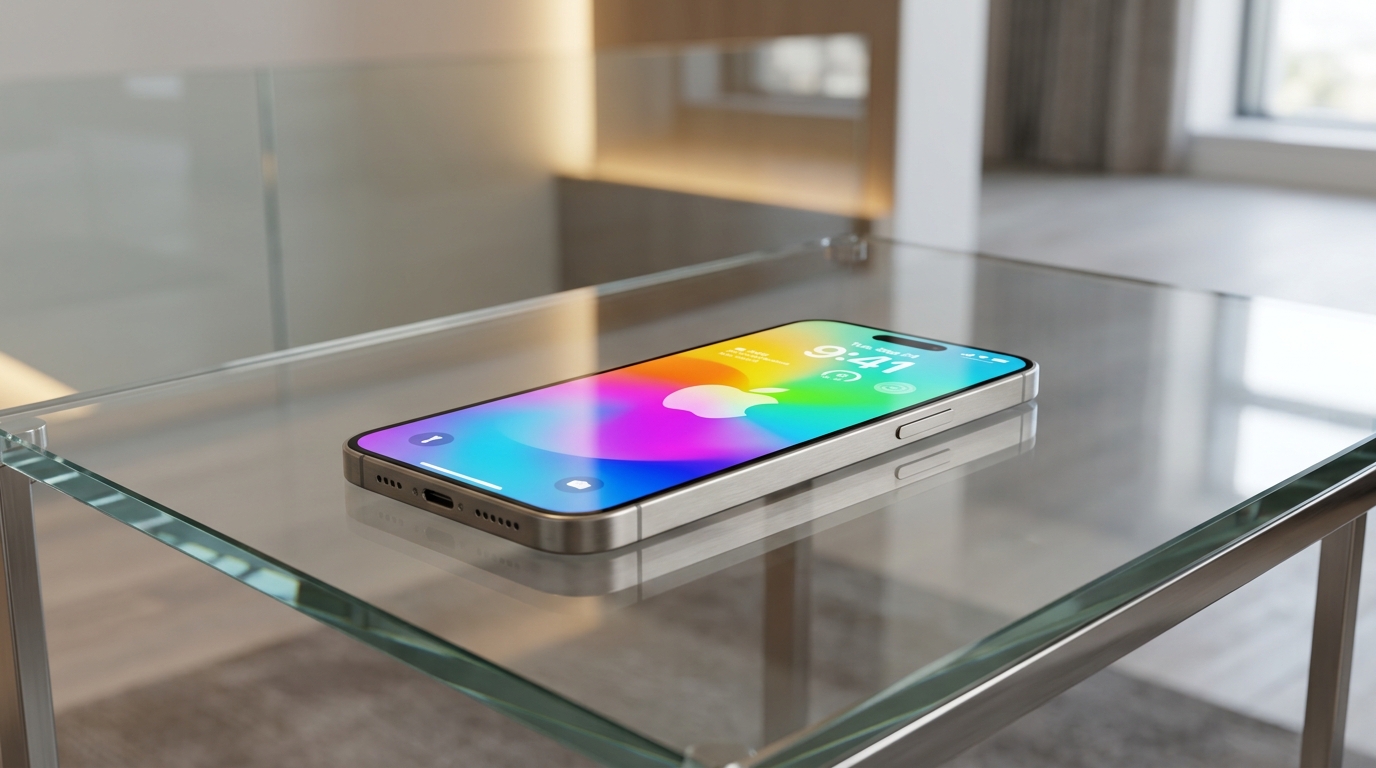
Key iPhone Leaks and Expected Innovations
- New Ultra / Slim Variant: Reports suggest a ultra-thin model designed to replace the Plus tier, emphasizing a sleek profile.
- 120Hz ProMotion Across All Models: Expansion of smooth 120Hz display refresh rates to base non-Pro models.
- 48 MP Camera Upgrades: High-resolution 48 megapixel sensors for Ultrawide and Telephoto lenses on Pro models.
- Next-Gen 2nm Apple Silicon: TSMC 2 nanometer process technology delivering enhanced efficiency and GPU power.
iPhone Storage and Maintenance Tips
Explore our guides on selecting the best iPhone for content creators, resolving iPhone full storage warnings, and managing computer iPhone backups without iCloud.
Decoding the Apple Supply Chain: How Leaks Shape Our Expectations
In the highly secretive world of Apple product development, the supply chain is often the most reliable source of information. Unlike software features which can be developed entirely behind the closed doors of Apple Park, physical hardware requires a vast global network of suppliers, manufacturers, and logistics partners. This sprawling ecosystem makes it nearly impossible for the Cupertino giant to keep its upcoming devices completely under wraps. From display panel manufacturers in South Korea to assembly plants in China, every step of the manufacturing process represents a potential leak point for upcoming iPhone designs and specifications.
Prominent analysts like Ming-Chi Kuo and Mark Gurman have built their reputations on deciphering these supply chain signals. When a display manufacturer receives a massive order for a new size of OLED panel, or a camera lens supplier retools their factory for a novel periscope lens design, these industry watchers can piece together a highly accurate picture of what Apple plans to release. Case manufacturers also play a crucial role in the rumor mill. These companies rely on leaked CAD (Computer-Aided Design) files to begin producing accessories months before a phone is officially announced, ensuring their products are ready for launch day. These CAD files often reveal exact dimensions, button placements, and camera bump sizes, giving consumers their first tangible look at the device's physical form.
However, navigating the landscape of tech rumors requires a discerning eye. While structural and hardware changes are often leaked with high accuracy, specific software features or exact marketing names (like whether a device will be called "Pro Max" or "Ultra") are frequently kept secret until the very end. The journey from a prototype in a lab to a final consumer product involves multiple iterations, and what leaks in January might not represent the final design shipped in September. Therefore, while supply chain reports provide invaluable insights into Apple's technological trajectory, they should be viewed as strong indicators rather than absolute certainties.
The complexity of modern smartphones means that development cycles are longer than ever. By the time one iPhone model is released, its successor is already in the final stages of design, and the model for the following year is entering active development. This overlapping timeline is why we often hear rumors about the iPhone 17 even before the current generation has fully matured in the market. Understanding this cycle helps contextualize the constant stream of leaks and rumor reports that define the tech news cycle.
Beyond the primary components like displays and cameras, secondary supply chain movements also offer fascinating clues. For instance, changes in orders for specific types of adhesives, frame materials, or internal thermal management systems can indicate broader design shifts. When Apple transitioned to titanium frames for its Pro models, the initial rumors surfaced not from glamorous design leaks, but from mundane reports about raw material acquisitions and new metallurgical processing equipment in partner factories. This level of granular detail underscores the sheer scale of Apple's manufacturing footprint and the inevitable transparency it creates.
TSMC's 2nm Architecture: The Heart of the Next Generation
At the core of every smartphone is its System on a Chip (SoC), and for Apple, this means their custom-designed A-series processors. The next major leap in mobile computing power is expected to come from TSMC's revolutionary 2-nanometer (2nm) manufacturing process. To understand the significance of this transition, it is essential to look at the physics of semiconductor fabrication. The "nanometer" metric traditionally referred to the physical size of the transistors on a chip; while it has become more of a marketing term today, a smaller number still signifies a denser, more advanced manufacturing process. By moving from 3nm to 2nm, TSMC can pack significantly more transistors into the same physical space, leading to dramatic improvements in both performance and energy efficiency.
The implications of a 2nm A-series chip are profound for the end user. First and foremost is the expected leap in battery life. As transistors become smaller, they require less voltage to switch states, meaning the processor can execute the same amount of work while drawing a fraction of the power. This efficiency gain is particularly crucial for modern smartphones, where larger batteries often conflict with consumer demands for thinner, lighter devices. A 2nm processor allows Apple to maintain or even improve battery life without needing to physically increase the battery's capacity, opening up new possibilities for device design.
Beyond power savings, the transition to 2nm architecture will unlock new levels of computational performance. While day-to-day tasks like web browsing or messaging rarely stress modern smartphone processors, the extra headroom provided by 2nm technology is critical for demanding applications. High-end mobile gaming, complex video rendering, and augmented reality (AR) applications will all benefit from the increased processing speed and enhanced thermal management. When a processor runs more efficiently, it generates less heat, allowing it to sustain peak performance for longer periods without throttling down to protect the device.
However, the journey to 2nm manufacturing is fraught with technical and financial challenges. The equipment required to fabricate chips at this microscopic scale—specifically High-NA Extreme Ultraviolet (EUV) lithography machines—costs hundreds of millions of dollars per unit. As one of TSMC's largest and most important clients, Apple often secures early and exclusive access to these cutting-edge manufacturing nodes. This strategic partnership gives Apple a significant competitive advantage, allowing them to introduce next-generation processors to the market before their rivals in the Android ecosystem can secure the necessary production capacity.
Looking ahead, the 2nm process is not just about raw speed; it is about enabling entirely new categories of features. As smartphones become increasingly responsible for complex, on-device artificial intelligence tasks, the efficiency and power of the underlying silicon become the primary bottleneck. The upcoming 2nm architecture is expected to feature a significantly expanded Neural Engine, specifically designed to accelerate the machine learning algorithms that power modern AI features. This deep integration between hardware and software is what allows Apple to deliver seamless, resource-intensive experiences while maintaining the smooth performance users expect.
The manufacturing precision required for 2nm chips also pushes the boundaries of physics. At this scale, electron leakage and quantum tunneling become significant engineering hurdles. TSMC's adoption of Gate-All-Around (GAA) transistor architecture is a critical innovation enabling this transition. Unlike traditional FinFET designs, GAA transistors provide superior control over electrical currents, minimizing power leakage and maximizing switching speeds. This underlying architectural shift is what makes the 2nm node not just an iterative update, but a fundamental leap forward in semiconductor technology.
Apple Intelligence and the Hardware Demands of Local AI
The tech industry is currently undergoing a massive paradigm shift centered around Artificial Intelligence, and Apple is aggressively positioning its devices to be at the forefront of this revolution. With the introduction of "Apple Intelligence," the company has outlined a vision for AI that is deeply integrated into the operating system, highly personalized, and uncompromisingly private. Unlike many competitors who rely heavily on cloud-based processing for complex AI tasks, Apple's strategy heavily favors on-device computation. This approach ensures user data never leaves the physical device, providing a level of privacy that cloud-based solutions simply cannot match.
However, executing advanced AI models locally requires a tremendous amount of raw computing power and memory. This shift in software strategy is directly dictating the hardware specifications of upcoming iPhone models. One of the most significant anticipated changes is a substantial increase in Random Access Memory (RAM). While Apple has historically equipped its smartphones with less RAM than comparable Android devices—relying on the tight optimization of iOS to ensure smooth performance—the demands of local AI processing are fundamentally different. Large Language Models (LLMs) and advanced image generation algorithms require large amounts of high-speed memory to store and manipulate data in real-time. Consequently, rumors suggest that upcoming Pro and Ultra models may feature up to 12GB of unified memory, a significant jump from previous generations.
The Neural Engine, Apple's dedicated hardware for machine learning tasks, is also poised for a massive upgrade. While the CPU handles general computing and the GPU handles graphics, the Neural Engine is optimized specifically for the matrix math that underpins modern AI algorithms. To support the advanced features of Apple Intelligence—such as real-time language translation, contextual awareness across multiple apps, and complex photo manipulation—the next generation of iPhones will require a Neural Engine capable of performing trillions of operations per second more than current models. This hardware acceleration is the key to making AI features feel instantaneous and integrated, rather than like slow, bolted-on additions.
This hardware arms race for AI dominance has significant implications for consumers looking to future-proof their purchases. While older iPhone models may receive software updates that include basic AI features, the most advanced, computationally intensive tasks will likely be restricted to newer devices with the requisite RAM and Neural Engine capabilities. For users who rely heavily on productivity tools, advanced photography, or automated workflows, upgrading to a device designed from the ground up for Apple Intelligence will become increasingly necessary.
The integration of AI also fundamentally changes how we interact with our devices. Instead of navigating through complex menus or manually searching for information, users will increasingly rely on natural language commands and context-aware suggestions. For this to work seamlessly, the device must constantly monitor the user's context—what's on the screen, recent messages, location data, and calendar events—without draining the battery. This requires dedicated, low-power processing cores that can handle continuous background monitoring efficiently. The hardware architecture of upcoming iPhones must strike a delicate balance between providing massive peak performance for active AI tasks and extreme efficiency for background monitoring.
Furthermore, Apple's commitment to privacy means that even when a task is too complex for on-device processing and requires cloud intervention, the hardware must ensure security. Technologies like "Private Cloud Compute" rely on hardware-level encryption and secure enclaves within the A-series chip to ensure that data sent to Apple's servers is anonymized and unreadable by anyone, including Apple itself. This deep synergy between custom hardware and secure software architecture is a distinct advantage that Apple is leveraging in the AI era, requiring ongoing hardware innovation to maintain.
Pushing the Boundaries of Mobile Photography: Next-Gen Camera Sensors
The camera system remains one of the most critical battlegrounds in the smartphone industry, and Apple consistently pushes the envelope of what is possible in mobile photography. For years, the physical constraints of a thin smartphone body limited the size of the sensors and lenses that could be included. However, innovative engineering and computational photography have allowed modern iPhones to rival traditional dedicated cameras in many scenarios. The upcoming generations are expected to introduce several major optical upgrades, solidifying the iPhone's position as a premier tool for both casual users and professional content creators.
One of the most anticipated shifts is the universal adoption of 48-megapixel sensors across the entire camera array on Pro models. While recent iPhones have featured a 48MP main sensor, the ultrawide and telephoto lenses have remained at 12MP. Upgrading all three lenses to high-resolution sensors represents a massive leap in photographic capability. For the ultrawide lens, a 48MP sensor will dramatically improve image sharpness and detail, particularly in landscape and architectural photography. More importantly, a higher resolution ultrawide sensor will significantly enhance the quality of macro photography, allowing users to capture incredibly detailed close-up shots with superior clarity.
The telephoto lens is also expected to benefit immensely from this resolution bump. Combined with the innovative tetraprism lens design introduced in recent Pro Max models—which bends light multiple times within the phone's chassis to achieve a longer focal length—a 48MP sensor will enable even further digital zoom capabilities without the severe degradation in quality traditionally associated with digital cropping. This combination of advanced optics and high-resolution sensors will provide users with unprecedented flexibility in framing their shots, from expansive wide angles to tight, detailed portraits.
Beyond raw resolution, improvements in sensor size and pixel architecture are crucial for low-light performance. Larger sensors can capture more light in a shorter amount of time, reducing noise and blur in dark environments. Rumors point to Apple adopting customized sensors from Sony that utilize advanced stacked architecture. This design separates the photodiodes (the light-capturing elements) from the pixel transistors, allowing for larger photodiodes within the same physical footprint. The result is a substantial increase in light sensitivity and dynamic range, ensuring that photos taken in challenging lighting conditions retain their detail, color accuracy, and contrast.
Video capabilities are another area where Apple traditionally excels, and upcoming models are expected to widen the gap with competitors. The shift to 48MP across all lenses will likely enable new video recording features, potentially including the ability to record 8K video or higher frame-rate ProRes video for professional workflows. Additionally, the continued integration with the Apple Vision Pro ecosystem means that Spatial Video recording—which captures 3D depth information for immersive playback on the headset—will become a standard feature, likely benefiting from the enhanced resolution and optical characteristics of the new sensor array.
Another fascinating rumor involves the potential introduction of variable aperture technology. Unlike traditional smartphone cameras which have a fixed aperture (the opening that lets light into the sensor), a variable aperture mechanism allows the camera to physically adjust the size of the opening. This provides the photographer with true mechanical control over the depth of field—allowing for natural, optical background blur (bokeh) rather than relying solely on software-generated portrait modes. It also allows the camera to adapt more effectively to extremely bright environments by stopping down the aperture to prevent overexposure, further cementing the iPhone's capability as a professional-grade imaging tool.
Design Evolution: The Slim Model and the End of the Plus
Apple's industrial design philosophy is characterized by a relentless pursuit of thinness and lightness, balanced against the practical necessities of battery life and thermal management. Over the years, the iPhone lineup has evolved through various form factors, from the rounded edges of the iPhone 6 era to the flat, industrial aesthetic of recent models. The upcoming product cycle is heavily rumored to introduce one of the most significant design shakeups in years: the introduction of an entirely new "Slim" or "Ultra" model, and the potential discontinuation of the traditional "Plus" tier.
The rumored "iPhone Slim" represents a bold bet on extreme portability and sleek aesthetics. Reports suggest this model will feature a significantly thinner chassis than current Pro models, prioritizing a striking visual profile over raw internal volume. To achieve this, Apple engineers will have to make complex trade-offs. A thinner body means less space for the battery, requiring advancements in battery density and the extreme power efficiency of the new 2nm processors to maintain acceptable usage times. It also challenges thermal design; less physical mass means less material to absorb and dissipate heat generated by the processor during intensive tasks.
This pursuit of slimness may also necessitate changes to the camera module. The massive camera bumps seen on recent Pro models are a direct result of housing complex, high-performance optics. A truly slim iPhone might require a redesigned camera array, potentially utilizing new lens technologies or accepting slightly smaller sensors to maintain a flush or minimally protruding profile. The strategic positioning of this Slim model is fascinating; it is expected to sit above the standard models in price, acting as a premium lifestyle device that appeals to users who value design and portability above the absolute maximum technical specifications offered by the Pro Max.
The potential retirement of the "Plus" model reflects shifting consumer preferences. While the Plus was introduced to offer a large-screen experience at a lower price point than the Pro Max, sales data reportedly suggests that consumers demanding large screens are overwhelmingly opting for the premium Pro Max models. By replacing the Plus with a unique Slim variant, Apple can differentiate its lineup more clearly. The standard model serves the entry-level, the Pro models cater to power users and photography enthusiasts, and the Slim model targets the premium design-conscious demographic.
Materials science plays a crucial role in these design evolutions. Following the successful introduction of titanium frames on the Pro models—which significantly reduced the weight of the devices while increasing structural rigidity—Apple is expected to refine this manufacturing process further. We may see new finishes, improved scratch resistance, and tighter tolerances in the machining process. Additionally, advancements in display technology, such as the adoption of new Border Reduction Structure (BRS) technology, will allow for even thinner bezels around the screen, maximizing the display area without increasing the overall footprint of the device.
The Dynamic Island, which replaced the traditional notch, is also expected to evolve. As Apple manages to shrink the underlying Face ID components and front-facing camera hardware, the Dynamic Island could become smaller and less obtrusive. Looking further ahead, the holy grail of smartphone design—an entirely unblemished display with all sensors and cameras hidden under the screen—remains a target for Apple's engineering teams. While under-display Face ID might still be a few iterations away, every reduction in bezel size and notch area represents a step toward that ultimate minimalist vision.
Strategic Buying Advice: Should You Wait or Upgrade Now?
With a constant stream of rumors highlighting exciting future features, the decision of when to upgrade your smartphone has become increasingly complex. The age-old tech adage applies: there will always be something better just around the corner. However, practical considerations such as your current device's performance, battery health, and your immediate needs should dictate your purchasing strategy. Evaluating the current iPhone lineup against the backdrop of upcoming leaks is essential for making an informed investment.
If you are currently using an iPhone that is three to four generations old (such as an iPhone 12 or 13), upgrading to the current generation offers an immediate and massive leap in performance, battery life, and camera quality. The transition to USB-C alone makes recent models highly attractive for standardizing your charging cables. For users in this category, waiting another year for rumored features might mean enduring a degraded experience with a failing battery or sluggish performance. The current Pro models, with their titanium frames and capable processors, provide an excellent long-term ownership experience that will remain highly functional for years to come.
Conversely, if you own a relatively recent device (like an iPhone 14 Pro or iPhone 15), the calculus changes. The iterative improvements of a single generation rarely justify the financial cost of an upgrade. In this scenario, the rumors surrounding the iPhone 17 and potential Ultra/Slim models become highly relevant. The anticipated shift to 2nm processors, massive RAM increases for Apple Intelligence, and across-the-board 48MP camera arrays represent a more substantial generational leap. For power users currently on a one- or two-year-old device, holding out for these specific technological advancements is likely the most strategic move.
Financial strategy also plays a significant role in upgrading. Apple's devices generally retain their value better than competing smartphones, making trade-ins a viable way to offset the cost of a new device. However, trade-in values drop precipitously when a phone crosses the three-year mark or if major design changes render older form factors less desirable. Understanding the depreciation curve of your current model can help you time your upgrade to maximize your return on investment. Sometimes, upgrading a year early can actually be more cost-effective if it secures a significantly higher trade-in value before a major redesign hits the market.
For those intrigued by the rumored "Slim" model, it is important to temper expectations with practical usage realities. While a significantly thinner phone is aesthetically appealing, it is crucial to wait for independent reviews regarding battery life and thermal performance before committing. First-generation design shifts often involve compromises that are refined in subsequent years. If raw battery endurance and peak sustained performance are your primary requirements, the established Pro Max lineage remains the safer, more reliable choice over an unproven ultra-thin form factor.
Ultimately, the best time to buy a new iPhone is when your current device no longer meets your needs or hinders your daily workflow. Whether it's a battery that won't hold a charge, a camera that struggles in low light, or a lack of storage space, tangible pain points should drive your decision rather than the fear of missing out on rumored future features. By carefully assessing your personal usage patterns against the confirmed capabilities of current models and the likely trajectory of future releases, you can confidently navigate the Apple upgrade cycle.
Frequently Asked Questions
When are the new iPhone models typically announced?
Apple traditionally holds its major iPhone launch events in early-to-mid September. Pre-orders usually begin the Friday following the announcement, with devices arriving in stores and to customers a week later. However, massive supply chain disruptions or major design overhauls can sometimes push specific models (like a specialized Slim or Ultra variant) into October or November.
Will all new iPhones feature the 120Hz ProMotion display?
Current rumors strongly suggest that Apple will finally expand its 120Hz ProMotion technology down to the standard, non-Pro iPhone models in the upcoming generation. This would provide a significantly smoother scrolling and gaming experience across the entire lineup, addressing one of the most common criticisms of the base model iPhones.
What is the difference between an iPhone "Pro Max" and the rumored "Slim/Ultra"?
While the Pro Max focuses on offering the absolute maximum specifications—the biggest battery, the largest screen, and the most advanced camera system—the rumored Slim or Ultra model is expected to prioritize a striking, ultra-thin design. It may sit at a higher price point as a premium lifestyle device, potentially sacrificing some battery capacity or extreme camera hardware to achieve its sleek profile.
Do I need to upgrade to use Apple Intelligence?
Basic Apple Intelligence features will be available on certain older models (typically requiring at least an A17 Pro chip or M-series processor). However, the most advanced, fast, and complex on-device AI tasks will likely require the increased RAM and vastly upgraded Neural Engines expected in the forthcoming generation of iPhones.
Is the transition to a 2nm chip really that important?
Yes. The shift to a 2-nanometer manufacturing process is a major technological milestone. It allows for significantly better battery efficiency and higher sustained performance. For power users, gamers, and those relying heavily on local AI processing, the 2nm architecture represents a substantial upgrade over current 3nm and older chips.