HP P500 Portable SSD Review: Compact Budget Drive Analysis

HP P500 Portable SSD Review: Compact Budget Drive Analysis
The HP P500 Portable SSD is designed as an affordable storage solution that balances performance and portability. This compact drive stands out in the budget segment, making it an intriguing option for users seeking reliable external storage without breaking the bank.
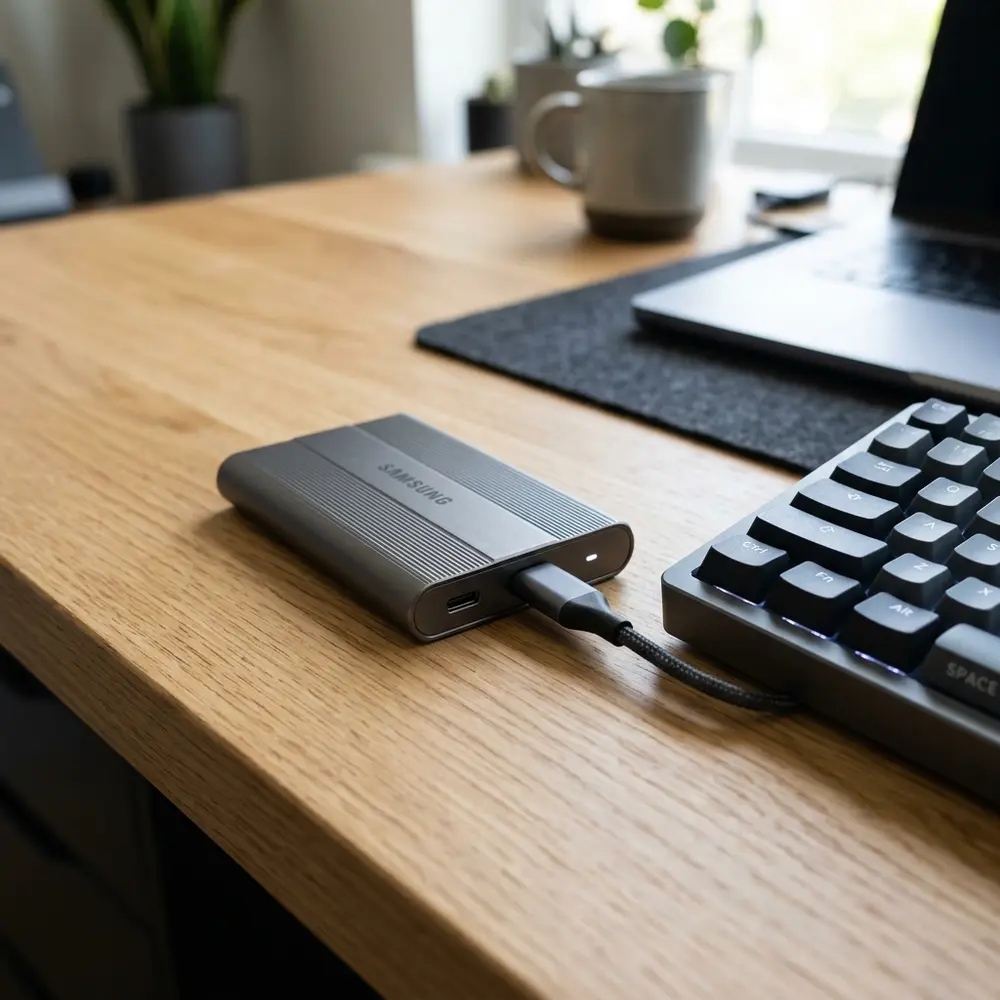
Specifications Overview
Key specifications of the HP P500 Portable SSD include:
- Capacity: 256GB, 512GB, 1TB
- Interface: USB 3.2 Gen 1
- Read Speed: Up to 400 MB/s
- Write Speed: Up to 300 MB/s
- Form Factor: Compact, lightweight
Design and Build Quality
The design of the HP P500 Portable SSD is minimalistic, featuring a sleek, matte finish that enhances portability. Weighing only a few ounces, its compact size enables effortless transport.
Durability is a notable aspect, as the drive is engineered to withstand drops and bumps, making it suitable for mobile users. The sturdy casing contributes to its resilience without compromising aesthetics.
Performance Analysis
In practical use, the HP P500 Portable SSD demonstrates commendable performance metrics. It offers read speeds up to 400 MB/s and write speeds reaching 300 MB/s, which are competitive for budget-friendly drives.
Transfer speeds may vary based on the host device and file types. Large files such as videos benefit from the high transfer rates, while smaller files may not see the same level of acceleration.
Comparison with Competitors
To provide context to the HP P500 Portable SSD's performance and pricing, the following table compares it with similar products from other brands.
| Brand | Model | Capacity | Read Speed (MB/s) | Write Speed (MB/s) | Price (USD) |
|---|---|---|---|---|---|
| HP | P500 | 256GB / 512GB / 1TB | Up to 400 | Up to 300 | $49.99 / $79.99 / $139.99 |
| Samsung | T7 | 500GB / 1TB | Up to 1050 | Up to 1000 | $69.99 / $119.99 |
| SanDisk | Extreme Portable SSD | 250GB / 500GB | Up to 550 | Up to 500 | $59.99 / $89.99 |
Compatibility and Connectivity
The HP P500 Portable SSD is compatible with various operating systems, including Windows, macOS, and Linux. Its USB 3.2 Gen 1 interface ensures broad compatibility across devices, including laptops, desktops, and gaming consoles.
Plug-and-play functionality allows for immediate use without the need for additional software installation. This feature enhances user experience, especially for those seeking straightforward setup.
Use Cases and Scenarios
Several scenarios highlight the versatility of the HP P500 Portable SSD. For photographers and videographers, the high-speed transfer rates facilitate rapid movement of large files. This efficiency aids in maintaining workflow without delays.
Additionally, gamers can utilize the drive to expand console storage. It can store and run games directly, providing a seamless experience without sacrificing performance.
Battery and Power Efficiency
Being a portable SSD, the HP P500 does not require an external power source. It draws power from the host device through the USB connection.
This feature not only simplifies the setup but also enhances its portability, as there are no additional cables or adapters needed for operation.
DomineTec Tip: When using external SSDs, consider strategies to backup iPhone to computer without iCloud to ensure data integrity.
Pricing and Availability
The pricing of the HP P500 Portable SSD positions it as a competitive option in the budget segment. Prices range from approximately $49.99 for the 256GB model up to $139.99 for the 1TB variant.
Availability through various online retailers facilitates easy access, and frequent promotions can make this drive even more appealing.
User Feedback and Reviews
Feedback from users reflects a generally positive reception. Many appreciate the drive's speed and compactness, praising its ability to deliver reliable performance at an attractive price point.
However, some users noted that the drive could benefit from slightly higher write speeds, particularly for intensive tasks such as video editing.
Conclusion
In conclusion, the HP P500 Portable SSD stands out as an excellent choice for individuals seeking a budget-friendly external storage solution. Its combination of performance, design, and affordability makes it a strong contender in the competitive storage market.
While it may not offer the highest speeds available, it fulfills the needs of most users effectively, particularly those requiring portability and reliability.
Frequently Asked Questions
- What capacities are available for the HP P500 Portable SSD? The HP P500 is available in 256GB, 512GB, and 1TB capacities.
- Is the HP P500 compatible with gaming consoles? Yes, the drive can be used with gaming consoles like PlayStation and Xbox to store and run games.
- What is the maximum read speed of the HP P500? The maximum read speed of the HP P500 is up to 400 MB/s.
- Does the HP P500 require external power? No, the drive is powered through the USB connection, eliminating the need for an external power source.
- Can the HP P500 be used with both Windows and macOS? Yes, it is compatible with Windows, macOS, and Linux operating systems.
Advanced Setup Tips for the HP P500 Portable SSD
Utilizing the HP P500 Portable SSD to its fullest potential requires understanding its setup intricacies. Ensuring the latest firmware is installed can significantly enhance performance and compatibility with various devices.
For optimal data transfer rates, connecting the SSD via USB 3.1 or higher is recommended. Additionally, using a quality cable can prevent data loss and ensure stable connections during file transfers.
Consider formatting the drive to a file system that suits specific needs, such as NTFS for Windows or APFS for macOS. This can help in maximizing storage efficiency and compatibility with various operating systems.
Common Mistakes When Using the HP P500 Portable SSD
One frequent error involves neglecting to eject the drive properly before disconnecting it from a device. This action can lead to data corruption or loss, undermining the reliability of the SSD.
Another common mistake is filling the drive to maximum capacity, which can slow down performance. Maintaining at least 10-15% of free space is advisable to ensure optimal speed and longevity of the drive.
Users sometimes overlook the importance of regular backups, assuming the SSD is infallible. Relying solely on a portable drive without additional copies can be risky in case of drive failure.
Comparing the HP P500 with Other Portable SSDs
The HP P500 Portable SSD stands out in a crowded market, yet it's essential to compare it with competitors. Models like the Samsung T5 and SanDisk Extreme offer similar features but may differ in speed and build quality.
When evaluating performance, consider factors such as read/write speeds and durability ratings. While the HP P500 is budget-friendly, other models may provide faster transfer rates at a higher cost.
It is also crucial to assess warranty and customer support options from different manufacturers. This can impact long-term satisfaction and reliability when issues arise with the device.
Use Case Scenarios for the HP P500 Portable SSD
The HP P500 Portable SSD is ideal for photographers who require high-speed storage for large RAW images. Its compact design allows for easy transport during shoots, making it a practical choice in the field.
For students and professionals, this SSD can serve as a reliable backup solution for important documents and projects. Its affordability allows users to create multiple backups without breaking the bank.
Gamers can also benefit from using the HP P500 to expand storage for console or PC games, providing additional space without sacrificing speed. Quick load times can enhance the overall gaming experience, making it a valuable accessory.
System Compatibility of the HP P500 Portable SSD
The HP P500 Portable SSD is designed to work across various operating systems, including Windows, macOS, and Linux. This versatility makes it an appealing option for users with multiple devices.
However, checking compatibility with specific versions of operating systems is essential to avoid issues. Some older systems may require additional drivers to recognize the SSD properly.
USB type also plays a role in compatibility; ensuring that the device supports USB 3.0 or higher is crucial for achieving optimal performance. Users should verify their devices' ports before purchasing to ensure seamless integration.
Cost Estimates for the HP P500 Portable SSD
The HP P500 Portable SSD is positioned as a budget-friendly storage solution, typically priced lower than many competitors. Prices can vary based on storage capacity, with larger models commanding a higher price point.
When calculating the total cost, consider additional expenses such as protective cases or backup software. These accessories can enhance the user experience but should be factored into the overall budget.
Additionally, look for seasonal discounts or promotional offers that may be available. Shopping during sales events can result in significant savings on this portable SSD.
Troubleshooting Common Issues with the HP P500 Portable SSD
In the event of connectivity issues, first check the USB cable and port for any signs of damage. Switching to a different cable or port can often resolve the problem quickly.
If the SSD is not recognized by a device, reformatting it might be necessary. Keep in mind that reformatting will erase all data, so ensure a backup exists before proceeding.
For performance issues, running a disk health check can reveal underlying problems. If the SSD shows signs of deterioration, seeking professional assistance may be the best course of action.
When to Seek Expert Help for the HP P500 Portable SSD
Consulting a professional is advisable when experiencing persistent issues that standard troubleshooting cannot resolve. This may include problems with data recovery or severe performance declines.
If the SSD has suffered physical damage, such as from water or impact, expert evaluation can determine the extent of the damage. Attempting self-repair can often exacerbate the problem and lead to further data loss.
Users should also consider seeking help if there is uncertainty about data security or backup strategies. Professionals can offer tailored solutions to enhance data protection and system efficiency.
HP P500 Portable SSD Review: Compact Budget Drive Analysis
Frequently Asked Questions (FAQ)
-
What is the storage capacity of the HP P500 Portable SSD?
The HP P500 Portable SSD is available in various storage capacities, including 256GB, 512GB, and 1TB options, catering to different user needs.
-
What interface does the HP P500 use?
The HP P500 Portable SSD utilizes a USB 3.2 Gen 1 interface, ensuring high-speed data transfer rates up to 5 Gbps.
-
Is the HP P500 compatible with both Windows and macOS?
Yes, the HP P500 Portable SSD is compatible with both Windows and macOS operating systems, making it versatile for users of different platforms.
The HP P500 does not come with proprietary software for backup or encryption, but users can utilize third-party software solutions if required.
The HP P500 typically comes with a limited warranty of 3 years, providing users with peace of mind regarding their purchase.
Verification Checklist
- Check Compatibility: Ensure that the device supports USB 3.2 Gen 1 interface.
- Inspect Build Quality: Examine the SSD casing for durability and resistance to shock.
- Test Transfer Speeds: Conduct transfer speed tests using large files to verify claimed speeds.
- Check for Overheating: Monitor the SSD during prolonged usage to ensure it does not overheat.
- Verify Capacity: Check the actual usable storage space on the device once formatted.
Comparison Table
| Feature | HP P500 Portable SSD | Samsung T7 Portable SSD | SanDisk Extreme Portable SSD |
|---|---|---|---|
| Storage Capacity | 256GB, 512GB, 1TB | 500GB, 1TB, 2TB | 250GB, 500GB, 1TB, 2TB |
| Interface | USB 3.2 Gen 1 | USB 3.2 Gen 2 | USB 3.1 Gen 2 |
| Read Speed | Up to 400 MB/s | Up to 1050 MB/s | Up to 550 MB/s |
| Write Speed | Up to 300 MB/s | Up to 1000 MB/s | Up to 500 MB/s |
| Warranty | 3 years | 3 years | 5 years |
Technical Glossary
-
SSD (Solid State Drive):
A type of storage device that uses NAND flash memory to store data, providing faster access times and better durability compared to traditional hard drives.
-
USB (Universal Serial Bus):
A standard for connecting devices to a computer, allowing for data transfer and power supply. Different USB versions (e.g., USB 2.0, USB 3.0, USB 3.2) offer varying speeds and capabilities.
The rate at which data can be read from the SSD, typically measured in MB/s. Higher read speeds result in faster file access and loading times.
The rate at which data can be written to the SSD, also measured in MB/s. Faster write speeds improve the efficiency of saving files.
Refers to the ability of the SSD to withstand physical stress, including shock and vibration, making it suitable for portable use.
Conclusion
The HP P500 Portable SSD is a budget-friendly option for users seeking a compact and reliable storage solution. Its combination of reasonable performance, build quality, and compatibility with multiple operating systems makes it an appealing choice for everyday use. However, users seeking higher performance may consider alternatives like the Samsung T7 or SanDisk Extreme Portable SSD, which offer superior read/write speeds and additional features. Ultimately, the choice of SSD should align with the specific storage needs and budget constraints of the user.




