How to Use a VR Headset as Multiple Virtual Monitors for Your PC
How to Use a VR Headset as Multiple Virtual Monitors for Your PC
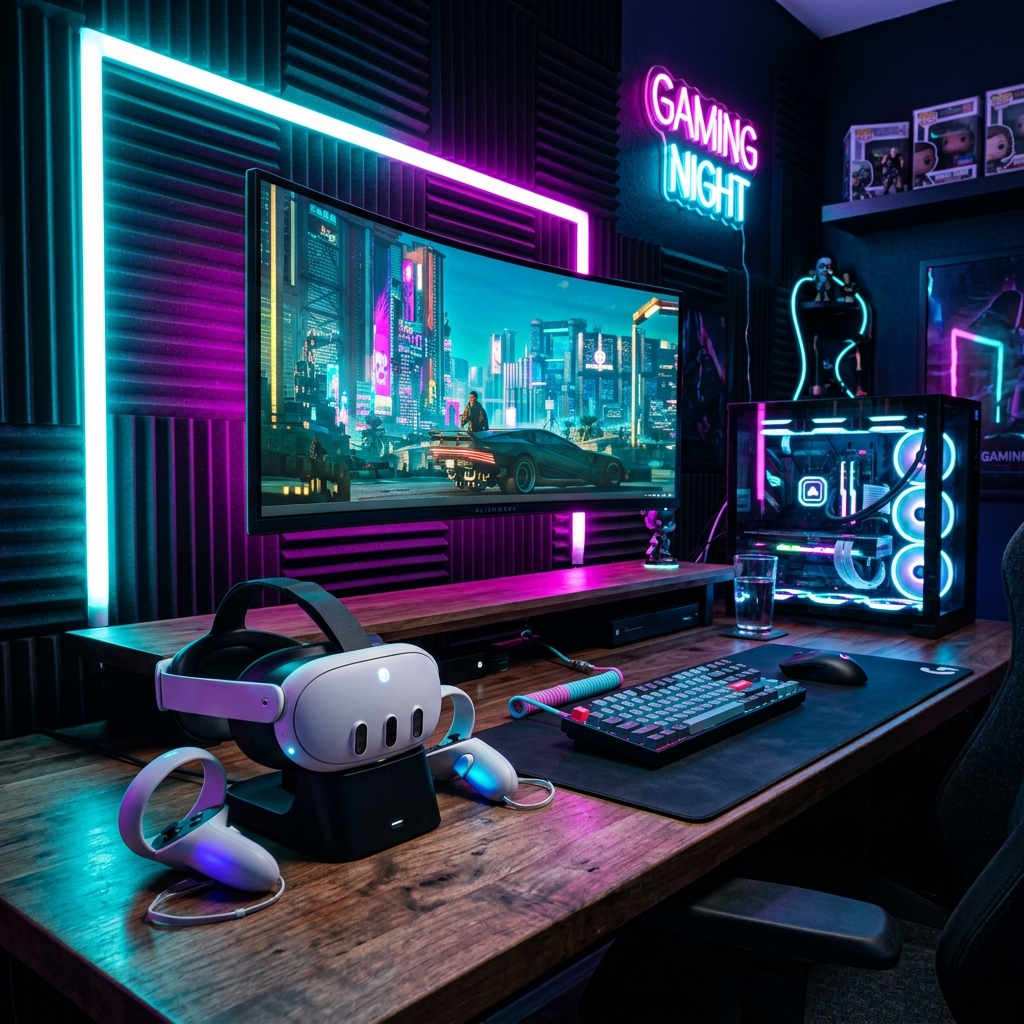
Using a VR headset as multiple virtual monitors for a PC is an innovative way to expand screen real estate and enhance productivity. This method allows users to immerse themselves in a fully customizable digital workspace.
Understanding the Basics
Virtual reality headsets can create a simulated environment that mimics multiple monitors. By utilizing specialized software and features, it becomes feasible to transform a single display into a multi-monitor setup.
This article outlines the processes and necessary tools to successfully use a VR headset as multiple virtual monitors for a PC.
Comparison of Popular VR Headsets
| VR Headset | Resolution | Refresh Rate | Field of View | Tracking Type | Price Range |
|---|---|---|---|---|---|
| Meta Quest 3 | 2064 x 2208 per eye | 120 Hz | 110° | Inside-out | $499 |
| Pico 4 | 2160 x 2160 per eye | 90 Hz | 105° | Inside-out | $429 |
| Valve Index | 1440 x 1600 per eye | 144 Hz | 130° | External | $999 |
| PlayStation VR2 | 2000 x 2040 per eye | 120 Hz | 110° | Inside-out | $549 |
| Apple Vision Pro | 3840 x 3024 per eye | 120 Hz | 120° | Inside-out | $3499 |
Required Software for VR Display
To utilize a VR headset as multiple virtual monitors, specific software is essential. Solutions like Virtual Desktop, Immersed, or Bigscreen enable the connection between a PC and a VR headset.
These applications allow the arrangement of virtual screens within the VR environment, providing a customizable workspace.
Step-by-Step Guide to Set Up VR as Multiple Monitors
- Check compatibility: Ensure the VR headset is compatible with the desired software.
- Install the necessary VR application on the PC.
- Connect the VR headset to the PC via USB or wirelessly, depending on the model.
- Launch the VR application and configure the virtual monitor layout.
- Adjust resolution settings based on the VR headset specifications.
- Ensure the software recognizes the VR headset as an output device.
- Use VR controllers or hand tracking to navigate and arrange virtual monitors.
- Save the configurations and start using the virtual monitors in the VR environment.
DomineTec Tip: For those looking to enhance their tech capabilities, consider learning how to backup iPhone to computer without iCloud to ensure data safety.
Enhancing the Virtual Workspace
Once the VR headset is set up as a virtual monitor, further enhancements can be made. Customizing the environment and adding various applications can streamline workflow.
Virtual desktops can be organized according to tasks, making multitasking more intuitive. Furthermore, users can experience virtual 3D applications that benefit from additional screen space.
Considerations for Optimal Performance
Performance depends on several factors, including hardware specifications of the PC and the capabilities of the VR headset. Ensure that the graphics card is capable of handling multiple streams effectively.
Moreover, optimize the VR software settings for better frame rates and reduced latency. This adjustment can significantly enhance the overall experience.
Common Issues and Troubleshooting Tips
Users may encounter various issues while using a VR headset as virtual monitors. Common problems include connectivity issues, low frame rates, or software crashes.
Checking the USB connections, updating drivers, and ensuring proper software installation can resolve most problems. Additionally, restarting the system may help in clearing temporary glitches.
Expanding Use Cases for Virtual Monitors
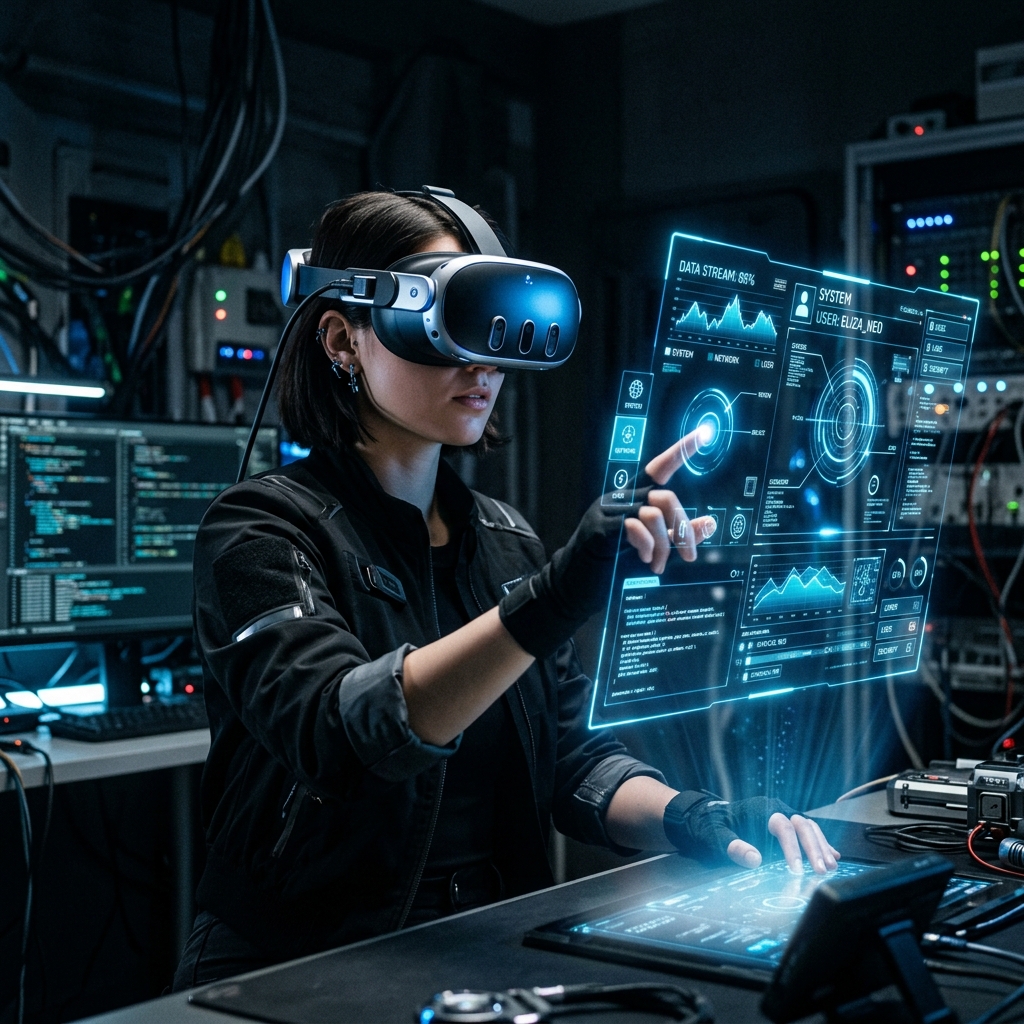
The applications for using a VR headset as multiple monitors extend beyond productivity. Gamers can utilize this setup for immersive experiences, while developers can test applications in a simulated multi-screen environment.
Moreover, creative professionals can benefit from expansive digital canvases, allowing for innovative design possibilities. This versatility makes VR headsets an exciting tool in various fields.
Conclusion
Utilizing a VR headset as multiple virtual monitors for a PC offers a unique solution for expanding workspace and enhancing productivity. With the right software and setup, this method can transform how tasks are approached in digital environments.
Frequently Asked Questions
1. Can any VR headset be used as a virtual monitor?
Not all VR headsets support this feature. It is essential to check compatibility with specific software designed for virtual desktops.
2. What software is best for using a VR headset as a monitor?
Applications like Virtual Desktop, Immersed, and Bigscreen are popular choices for creating virtual monitor setups.
3. How do performance requirements differ across VR headsets?
Performance requirements vary based on the headset's specifications, such as resolution and refresh rate, as well as the PC's hardware capabilities.
4. Is it possible to use multiple VR headsets simultaneously?
Using multiple VR headsets at once is typically limited due to software support and hardware capabilities, but some applications may allow it.
5. What are the benefits of using virtual monitors in VR?
Virtual monitors enhance productivity by allowing users to organize their digital workspace intuitively, making multitasking and collaboration easier.
Understanding the Concept of Virtual Monitors
Virtual monitors created through VR headsets offer an immersive workspace, allowing users to expand their digital environment beyond physical limitations. This technology provides the ability to control multiple applications simultaneously in a 3D space.
Instead of being confined to a traditional multi-monitor setup, virtual screens can be arranged in various configurations based on user preference. This flexibility enhances productivity and provides a unique way to interact with content.
Choosing the Right VR Headset
Selecting a compatible VR headset is crucial for an optimal virtual monitor experience. Models like the Meta Quest 2 and Valve Index are popular choices, offering high-resolution displays and comfortable designs for extended use.
Ensure that the chosen headset supports the necessary software for virtual desktop applications. Compatibility with systems like Windows Mixed Reality can also enhance the overall experience.
Setting Up Your VR Headset with Your PC
Establishing a connection between a VR headset and a PC is the first step in utilizing virtual monitors. Most headsets require a USB connection and a DisplayPort or HDMI output for optimal performance.
Follow manufacturer guidelines to install the necessary drivers and software. This setup process ensures that the VR headset recognizes the PC and is ready for virtual desktop applications.
Installing Virtual Desktop Software
To transform the VR headset into multiple virtual monitors, specific software must be installed. Popular options include Virtual Desktop and Bigscreen, which allow users to mirror their desktop in virtual reality.
These applications often come with settings to customize the virtual environment, enabling users to arrange and resize virtual screens to their liking. Users can easily navigate between applications in a three-dimensional space.
Configuring Your Virtual Workspace
Once the software is installed, configuring the virtual workspace is essential for maximizing productivity. Users can create a layout that mimics a multi-monitor setup, placing applications on different virtual screens.
Customization options allow for adjustments in screen sizes and positions, enabling a tailored workspace that adapts to individual needs. This setup can enhance focus and efficiency throughout tasks.
Utilizing Applications in VR
With the virtual monitors set up, users can launch various applications like web browsers, video editors, or productivity tools in their virtual environment. The immersive experience allows for a more engaging interaction with content.
Switching between applications is seamless, providing a fluid workflow that can improve task management and overall efficiency. The unique perspective offered by VR can also facilitate creative processes.
Optimizing Performance for a Better Experience
To ensure a smooth experience, optimizing the PC's performance is key. This can include adjusting graphics settings and ensuring that the hardware meets the recommended specifications of the VR headset.
Regular updates for both the VR headset and the virtual desktop software can also enhance stability and performance. A well-optimized setup leads to a more enjoyable and productive virtual workspace.
How to Use a VR Headset as Multiple Virtual Monitors for Your PC
Virtual reality (VR) headsets are no longer confined to gaming experiences; they can also serve as versatile tools for productivity. By using a VR headset as a virtual monitor, users can expand their digital workspace significantly.
Benefits of Using a VR Headset as Virtual Monitors
Utilizing a VR headset as multiple monitors provides several advantages. Users can create a spacious workspace without the physical constraints of traditional monitors.
- Enhanced multitasking capabilities.
- Immersive experience for productivity tasks.
- Customizable virtual environments.
Supported VR Headsets
Not all VR headsets support the functionality of acting as virtual monitors. Here are some popular models that do:
| VR Headset | Compatibility | Resolution |
|---|---|---|
| Oculus Quest 2 | Windows, macOS | 1832 x 1920 per eye |
| Valve Index | Windows | 1440 x 1600 per eye |
| HTC Vive Pro 2 | Windows | 2448 x 2448 per eye |
| Pimax 8K X | Windows | 3840 x 2160 per eye |
Setting Up Your VR Headset
To begin using a VR headset as virtual monitors, specific software and configurations are required. Follow these steps for a successful setup.
1. Install Necessary Software
Software such as Virtual Desktop or Bigscreen allows users to utilize their VR headset as a virtual monitor. Download and install your chosen application on your PC.
2. Connect Your VR Headset
Ensure that the VR headset is properly connected to the PC. For standalone headsets like the Oculus Quest 2, a wireless connection may be used.
3. Configure Display Settings
Access the display settings on your PC. Select the VR headset as a monitor option, and adjust the resolution and display orientation as needed.
Using Virtual Desktop
Virtual Desktop is a popular choice for utilizing VR headsets as monitors. It allows users to stream their desktop environment into the VR space seamlessly.
1. Launch Virtual Desktop
Open the Virtual Desktop application on the VR headset. This will display your PC’s desktop in a virtual environment.
2. Adjust Virtual Environment
Users can customize the virtual environment to enhance productivity. Options include changing the background, adjusting the size of virtual monitors, and selecting different layouts.
3. Open Applications
Simply open applications on your desktop like you normally would. They will appear in the virtual space, allowing for multitasking effectively.
Using Bigscreen
Bigscreen offers a social VR experience in addition to productivity functionalities. It enables users to share their desktop with friends or collaborate in virtual environments.
1. Launch Bigscreen
Start Bigscreen on your VR headset and select the “Desktop” option. This will mirror your PC display into the VR space.
2. Customize Your Room
Bigscreen allows users to select different themed rooms. Choose a comfortable space that suits personal preferences for work.
3. Invite Friends or Collaborators
For collaborative tasks, invite friends into the virtual room. This feature makes it easy to work together on projects remotely.
Tips for Optimal Experience
To ensure the best experience while using a VR headset as virtual monitors, consider the following tips:
- Adjust the headset fit for comfort and clarity.
- Use a high-speed internet connection for seamless performance.
- Optimize PC performance by closing unnecessary applications.
Limitations and Considerations
While using a VR headset as a virtual monitor has many benefits, there are limitations to consider. Understanding these can help users prepare for their experience.
1. Potential Motion Sickness
Some users may experience discomfort or motion sickness during extended use. It is advisable to take regular breaks.
2. Limited Physical Interaction
Interacting with physical peripherals may be awkward in a VR environment. Users should consider using virtual keyboards or voice commands.
Conclusion
Using a VR headset as multiple virtual monitors can significantly enhance productivity. By following the outlined steps and tips, users can create a personalized and expansive virtual workspace.
As technology evolves, the possibilities for VR in professional environments continue to grow. Users are encouraged to explore different applications and configurations to optimize their VR workspace.




