How to Use a Monitor in Portrait Mode for Coding and Reading
Using a monitor in portrait mode enhances coding and reading efficiency by providing a taller view for scrolling through code and documents.
Physical Aspects and Resolution
Portrait mode is particularly beneficial for displaying long lines of code or extensive text, maximizing vertical screen space.
Monitors with resolutions such as 1080p, 1440p, or 4K are recommended to ensure clarity and reduce eye strain during prolonged use.
Performance and Technology
High refresh rates and low response times are crucial for seamless scrolling and quick code adjustments in portrait mode.
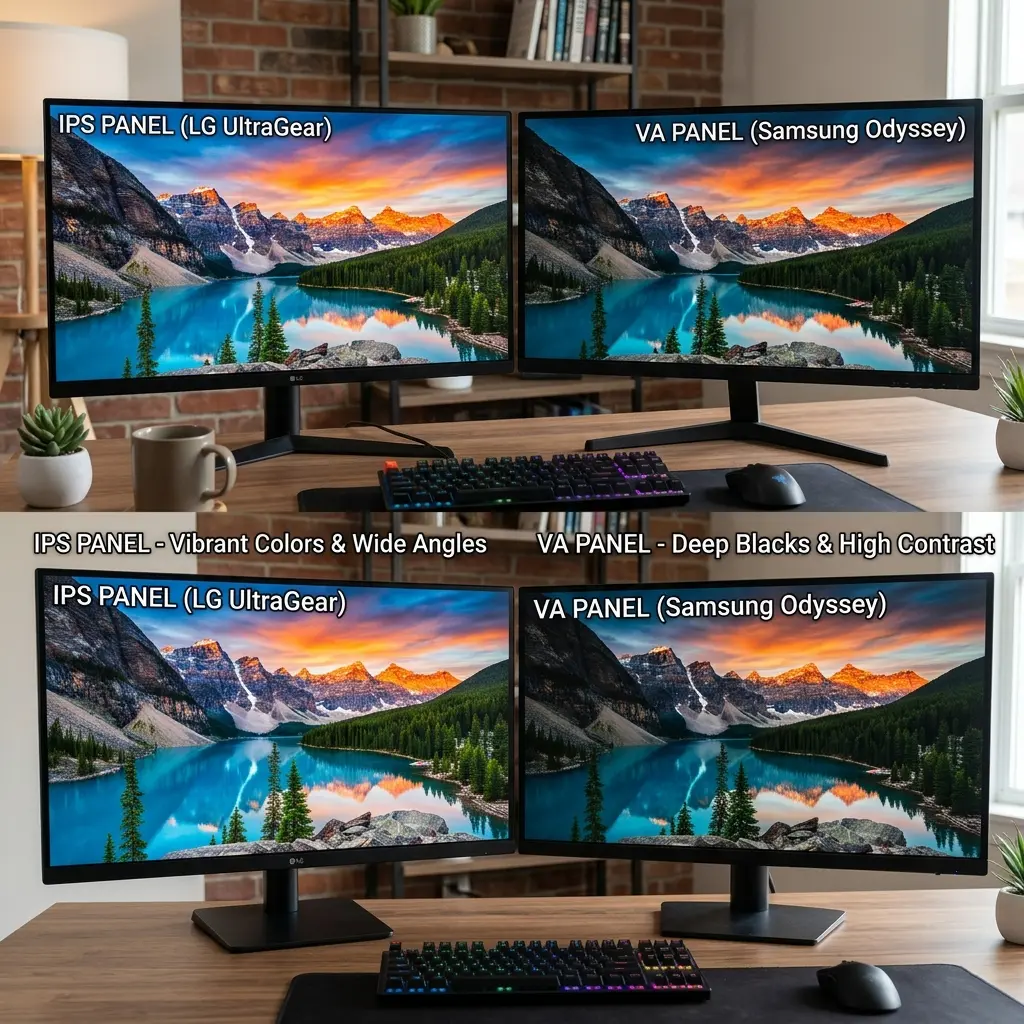
Monitors equipped with IPS or VA panels provide better color accuracy and wider viewing angles, enhancing overall productivity.
Ergonomics and Visual Comfort
Adjustable stands and VESA mount compatibility allow for easy height and angle adjustments, promoting better posture during coding sessions.
Blue light filtering and flicker-free technology are essential features to minimize eye fatigue during long periods of screen use.
| Feature | IPS Panel | VA Panel |
|---|---|---|
| Color Accuracy | Excellent | Good |
| Response Time | Moderate | Good |
| Viewing Angles | Wide | Narrower |
| Contrast Ratio | Standard | High |
Materials and Durability
Monitors constructed with premium materials such as aluminum and high-grade plastic tend to offer better durability and aesthetics.
Models with anti-glare coatings help reduce reflections, contributing to a more comfortable viewing experience.
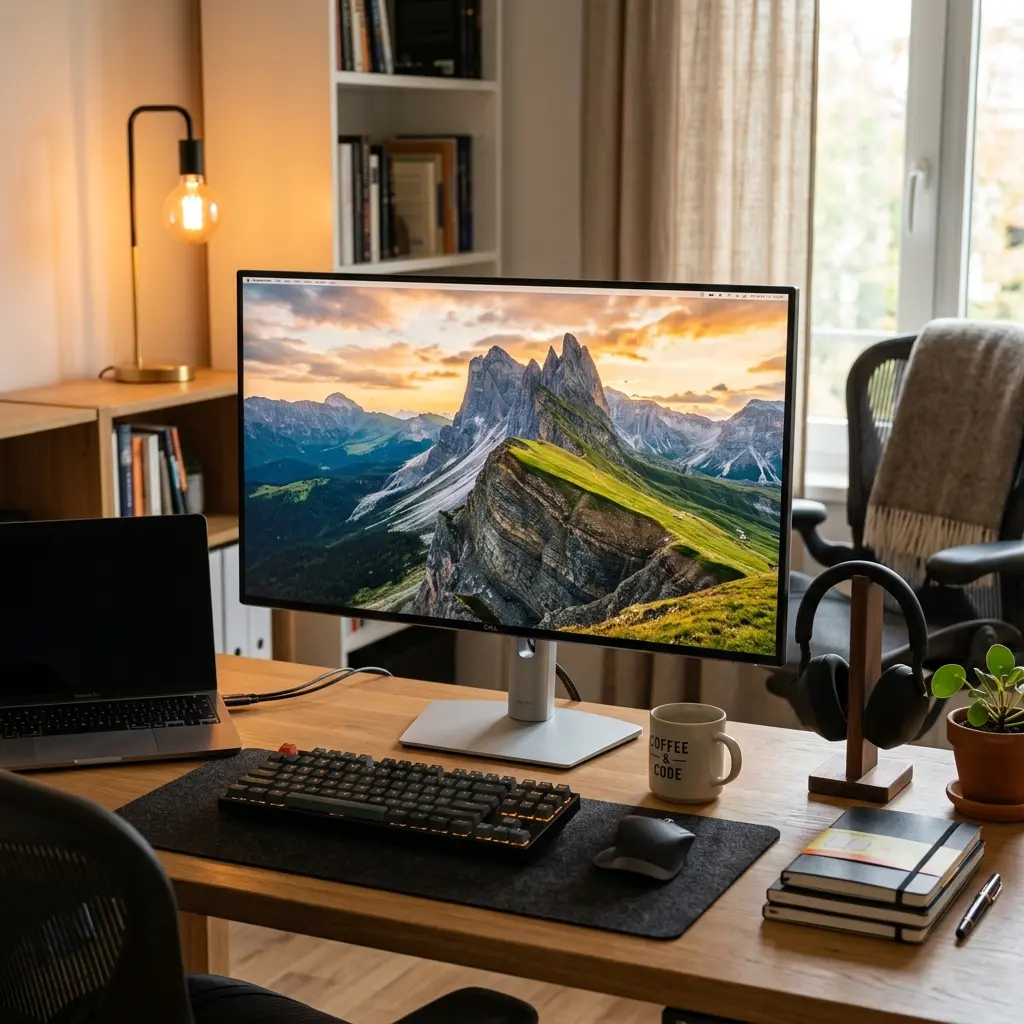
DomineTec Tip: Adjust the monitor height so that the top of the screen is at or just below eye level to promote better posture and reduce neck strain.
Buying Recommendations and Brands
When selecting a monitor for portrait mode, consider brands like Dell, ASUS, and LG, which offer reliable products with excellent customer support.
Look for models with ergonomic features such as height adjustment, swivel, and tilt to maximize comfort and functionality.
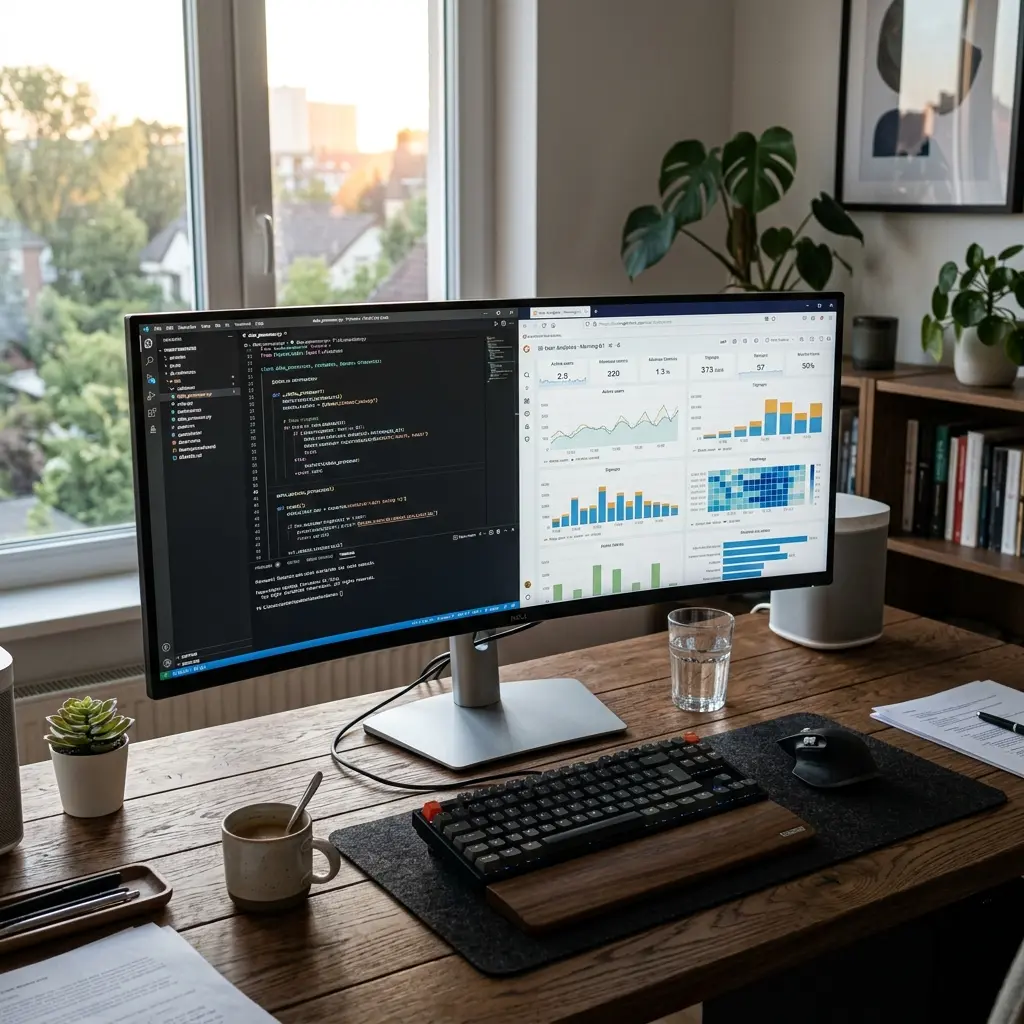
- Evaluate the monitor size; 24 to 32 inches is ideal for portrait orientation.
- Choose a resolution of at least 1440p for optimal clarity.
- Prioritize panel types; IPS is recommended for better color accuracy.
- Check for ergonomic features such as adjustable stands.
- Research brands and read reviews before making a purchase.
Value Analysis and Verdict
Implementing a portrait mode monitor can significantly enhance productivity, especially in coding and reading tasks.
Investing in a high-quality monitor with ergonomic features and superior technology is advisable for long-term benefits.
Software Configuration for Portrait Mode
Configuring your operating system to support portrait mode is essential for a seamless coding and reading experience. Both Windows and macOS provide built-in settings to easily switch the display orientation.
For Windows users, right-click on the desktop, select 'Display settings', and scroll down to 'Display orientation' to choose 'Portrait'. macOS users can access 'System Preferences', click on 'Displays', and then select 'Rotation'.
In addition to adjusting the orientation, it may be beneficial to tweak the display scaling settings for better readability. Increasing the scaling can make text and code more legible without straining your eyes.
Lastly, ensure that the software you use for coding or reading supports multiple monitors and can be configured to utilize the portrait mode effectively. This will enhance your productivity and comfort levels.
Keyboard Shortcuts for Efficient Workflow
Utilizing keyboard shortcuts can significantly enhance your workflow while working in portrait mode. Many coding environments and text editors support customizable shortcuts for navigation and editing.
Familiarizing yourself with shortcuts specific to your coding environment can reduce the time spent on repetitive tasks. For instance, using shortcuts to switch between tabs or files can streamline the coding process.
Additionally, using operating system-level shortcuts can help manage windows effectively. Windows users can employ shortcuts like Win + Arrow keys to snap windows to specific orientations, while Mac users can utilize Mission Control for window management.
Consider creating a cheat sheet of your most-used shortcuts to keep them accessible. This practice can lead to a more fluid coding and reading experience in portrait mode.
Monitor Calibration and Color Settings
Proper monitor calibration is crucial for accurate color representation, particularly for coding and reading. An uncalibrated monitor may lead to eye strain and affect overall productivity.
Most operating systems have built-in calibration tools that guide users through adjusting brightness, contrast, and color balance. It's advisable to follow these steps to ensure your monitor displays colors accurately.
In addition to system tools, third-party calibration software can offer more advanced settings for professional needs. These tools can provide precise adjustments based on specific lighting conditions in your workspace.
Regularly recalibrating your monitor is also recommended, especially if you notice any discrepancies in color or brightness. Keeping your display in optimal conditions can enhance your coding and reading experience significantly.
Optimal Layouts for Coding and Reading
Choosing the right layout for coding and reading can greatly impact efficiency. Portrait mode allows for a unique arrangement that can be tailored to individual workflows.
For coding, organizing your IDE on one side while displaying documentation or reference material on the other can enhance productivity. This dual view minimizes the need to switch between tabs, saving time.
Reading material can also be configured in portrait mode to resemble a book layout, making it easier to follow along. Utilizing split-screen features can allow for simultaneous reading and note-taking, beneficial for coding projects.
Experimenting with different layouts is encouraged to find what works best for personal preferences. The flexibility of portrait mode can be a powerful tool in customizing your work environment.
Impact on Coding and Reading Speed
The orientation of your monitor can influence both coding and reading speed significantly. Portrait mode tends to accommodate longer lines of code or text, which can reduce the need for excessive scrolling.
Studies suggest that when text is displayed in a portrait format, readers can process information more efficiently, thereby enhancing comprehension and retention. This attribute is particularly beneficial for lengthy documents or code files.
Furthermore, the vertical layout can help programmers focus on one section of code at a time, reducing cognitive overload. This focused approach can lead to fewer errors and improved coding accuracy.
Over time, users may notice a tangible improvement in both speed and accuracy when utilizing portrait mode, making it a worthwhile adjustment for anyone involved in extensive reading or programming tasks.
Adjusting Workflow for Remote and Hybrid Work
As remote and hybrid work environments become more prevalent, optimizing your workspace for portrait mode can be beneficial. Adapting to this setup can enhance communication and productivity in collaborative projects.
Using portrait mode allows for better visibility of shared documents and coding sessions during video conferences. This can facilitate smoother discussions and real-time collaboration, which is essential in remote settings.
Additionally, portrait mode can help maintain focus during long periods of coding or reading by reducing distractions. The vertical orientation can encourage a more organized workspace, leading to improved time management.
Creating designated workspaces that take advantage of portrait mode can help establish boundaries between professional and personal tasks, ensuring a more effective work-life balance.
Environmental Considerations and Energy Efficiency
When utilizing monitors in portrait mode, environmental considerations and energy efficiency become critical factors. Many modern monitors are designed to consume less power, which can be beneficial for both the environment and your utility bills.
Portrait mode can sometimes lead to reduced energy consumption, particularly if the monitor's brightness settings are optimized for ambient lighting conditions. Adjusting these settings can contribute to a greener workspace.
Moreover, selecting energy-efficient monitors that meet Energy Star standards can further enhance sustainability efforts. These monitors typically use advanced technologies to minimize energy use without compromising performance.
Incorporating energy-saving practices into your portrait mode setup not only benefits the planet but can also lead to cost savings over time, making it a practical choice for environmentally-conscious consumers.
Impact on Multitasking and Productivity
Using a monitor in portrait mode can significantly enhance multitasking capabilities for coders and readers alike. The vertical orientation allows for a greater display of long documents or code files, reducing the need to scroll and enabling users to view more content simultaneously.
This layout is particularly beneficial when working with extensive text files, as it provides a more natural reading flow. Users can see entire paragraphs or code blocks without interruption, thus facilitating easier comparisons and edits.
Moreover, portrait mode can streamline the organization of multiple windows. Developers can stack several applications vertically, allowing for quick access to tools, documentation, or communication platforms without needing to switch back and forth frequently.
Ultimately, the enhanced visibility and organization fostered by portrait mode can lead to improved focus and efficiency, helping users maintain a productive workflow during long coding or reading sessions.
Adjusting Your Workspace for Portrait Mode
Transitioning to portrait mode requires thoughtful adjustments to your workspace for optimal effectiveness. Start by assessing your desk setup and ensuring that the monitor is positioned at eye level to maintain a comfortable viewing angle while reducing neck strain.
Consider rearranging your keyboard and mouse to accommodate the new monitor orientation. A wireless setup can offer flexibility, allowing you to place the input devices in a way that suits your new layout and enhances accessibility.
Additionally, think about the lighting conditions in your workspace. Portrait mode can create unique reflections or glare depending on the light source, so it may be necessary to reposition your monitor or adjust nearby light sources to minimize distractions.
Finally, incorporating organizational elements like monitor risers or cable management tools can enhance the aesthetics and functionality of your workspace, making it conducive to long-term coding or reading tasks.
Learning Curve and Adaptation Period
Shifting to portrait mode may initially present a learning curve for users accustomed to landscape orientation. The new layout can feel unfamiliar, and it might take time to adjust to the visual differences and workflow changes.
During the adaptation period, it is advisable to gradually incorporate portrait mode into daily tasks. Begin with short coding sessions or reading intervals, progressively increasing the duration as comfort and familiarity grow.
Engaging in practice exercises that utilize the advantages of portrait orientation can help reinforce the benefits. For instance, try organizing a coding project or reading a lengthy article to leverage the increased vertical space.
Ultimately, with patience and practice, users can capitalize on the advantages of portrait mode, resulting in a more productive and satisfying coding and reading experience.
Accessibility Features and Benefits
Using a monitor in portrait mode can significantly enhance accessibility for users with various needs. The vertical orientation allows for better visibility of long documents and code, reducing the need for excessive scrolling.
Many operating systems offer accessibility settings that can be optimized for portrait mode. Features such as text enlargement, high contrast themes, and screen readers can be more effectively utilized when the monitor is vertically aligned.
Additionally, portrait mode can benefit users with visual impairments by providing a more focused view of content. This can help in reducing eye strain and makes it easier to track lines of code or text without losing one's place.
Incorporating portrait mode into your workspace also promotes inclusivity, allowing individuals with different abilities to engage more effectively with digital content, thus fostering a more productive environment.
Long-Term Health Considerations
Prolonged use of monitors in any orientation can lead to physical strain, but portrait mode may offer unique advantages in mitigating such issues. The vertical setup can promote a more natural head and neck posture, potentially reducing the risk of cervical strain.
Moreover, the ability to read entire pages or code snippets without frequent horizontal movements can lower the chances of developing repetitive strain injuries in the wrists and hands. Users often find that they can maintain a more relaxed posture while engaged in lengthy reading or coding sessions.
Regular breaks and proper ergonomics should still be emphasized, regardless of monitor orientation. However, many users report less discomfort when using portrait mode, as it encourages a more upright position while engaging with content.
Overall, the long-term health benefits of using a monitor in portrait mode can contribute to a more comfortable and sustainable work routine, making it a worthwhile consideration for professionals in coding and reading-intensive tasks.
Networking and Collaboration Considerations
Utilizing a monitor in portrait mode can significantly enhance collaborative activities among coding teams. When working with others, the vertical display allows for a more comprehensive view of lengthy documents, such as code files, design specifications, or technical documentation.
This layout not only improves readability but also facilitates discussions during pair programming or code reviews. Team members can easily share insights and feedback without the need to scroll excessively, leading to more productive sessions.
For remote collaborations, portrait mode can also be beneficial during video calls. Participants can share their screens in a way that highlights critical information, making it easier to engage in conversations about specific sections of code or documents.
Incorporating tools like shared coding environments or collaborative document editors can further leverage the advantages of portrait mode, fostering a more interactive and efficient workflow within teams.
Advanced Customization Options
Beyond basic software configurations, advanced customization options can enhance the experience of using a monitor in portrait mode. Users can explore various applications that allow for tailored layouts, such as tiling window managers or virtual desktops.
These tools enable programmers to segment their workspace effectively, displaying multiple windows simultaneously without clutter. For instance, having a code editor on one half and documentation on the other can streamline the coding process.
Additionally, users can adjust font sizes and styles in their coding environments to optimize readability in portrait mode. This level of personalization ensures that individuals can work comfortably without straining their eyes.
Finally, using scripting tools to automate window arrangements can enhance efficiency. By creating specific configurations that activate upon launching certain applications, users can quickly set up their ideal workspace for maximum productivity.
Frequently Asked Questions
What is the best size for a portrait mode monitor?
A 24 to 32-inch monitor provides an optimal balance of screen real estate and usability in portrait orientation.
Can any monitor be used in portrait mode?
Most monitors can be rotated to portrait mode, but those with adjustable stands are preferable for ergonomic positioning.
What is the benefit of using portrait mode for coding?
Portrait mode allows for longer lines of code or text to be viewed without excessive scrolling, enhancing workflow efficiency.
Are there specific monitors known for portrait mode usage?
Monitors from Dell, ASUS, and LG are frequently recommended for their ergonomic designs and high-quality displays.
How can monitor height affect comfort?
Proper monitor height can prevent neck strain and promote better posture, contributing to overall comfort during extended use.




