How to Use an External Monitor as a Second Screen for Your Laptop
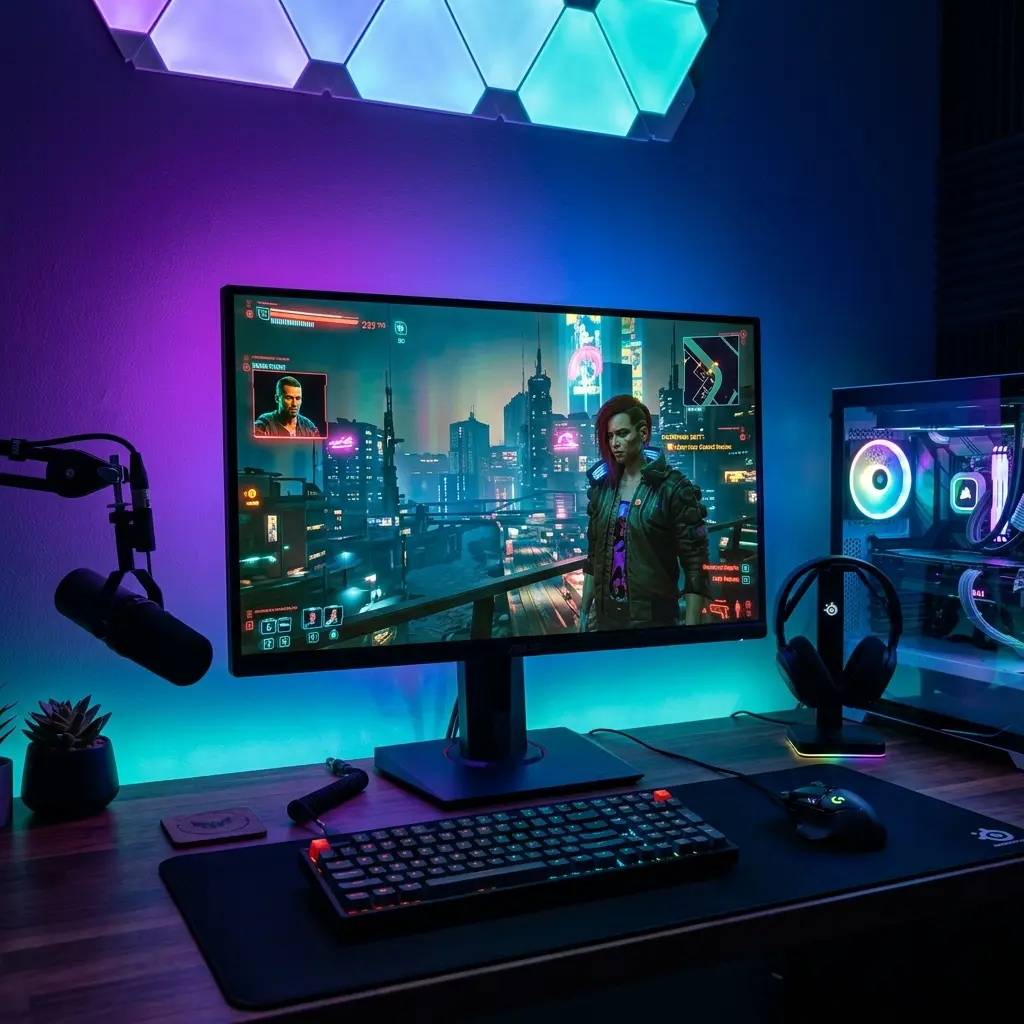
Using an external monitor as a second screen for a laptop enhances productivity and multitasking capabilities efficiently.
Physical Aspects and Resolution
Screen size and resolution significantly impact the user experience. Common resolutions include Full HD (1920x1080), Quad HD (2560x1440), and 4K (3840x2160).
Consideration of pixel density is essential; higher density results in sharper images and better clarity.
Performance and Technology
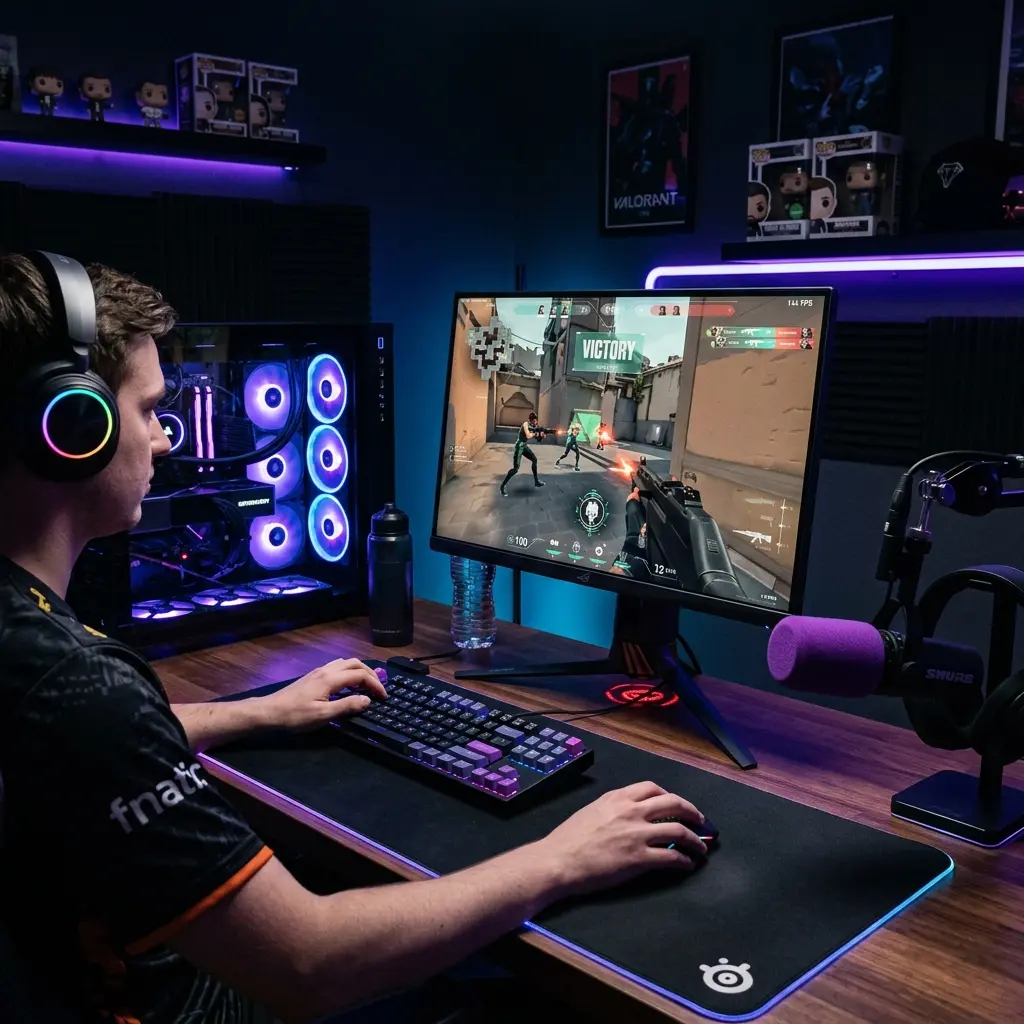
Refresh rates and response times influence the performance of external monitors. Monitors with 144Hz refresh rates are ideal for gaming and fast-paced activities.
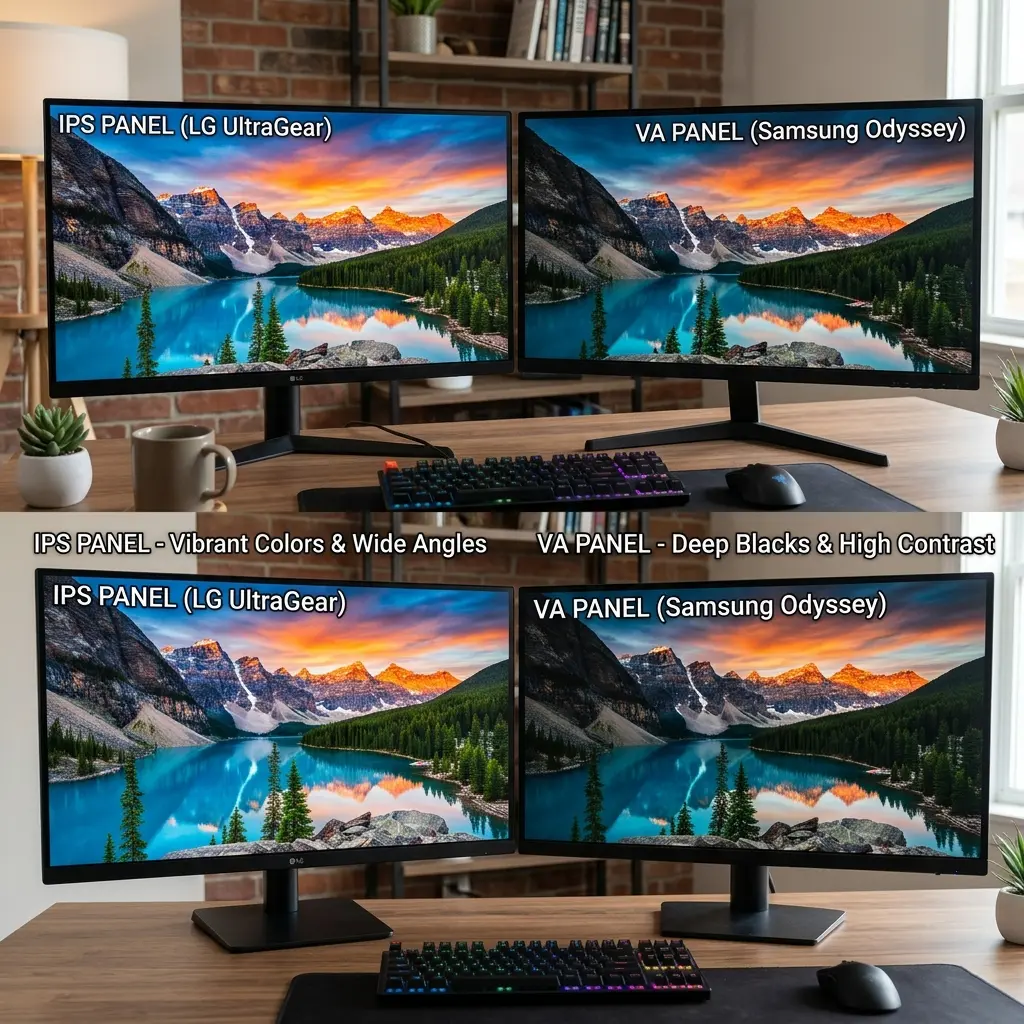
Technologies like IPS, VA, and TN panels offer varying color accuracy, viewing angles, and contrast ratios, impacting overall performance.
Ergonomics and Visual Comfort
Adjustability in height, tilt, and swivel ensures optimal viewing angles and comfort. Proper monitor height can reduce neck strain and enhance posture.
Blue light filters and flicker-free technology contribute to reduced eye strain during prolonged use.
| Monitor Type | Resolution | Refresh Rate | Panel Technology | Best Use Case |
|---|---|---|---|---|
| Budget Monitor | Full HD | 60Hz | TN | General Use |
| Gaming Monitor | 1440p | 144Hz | IPS | Gaming |
| Professional Monitor | 4K | 60Hz | VA | Content Creation |
Materials and Durability
High-quality materials enhance the durability of external monitors. Common materials include plastic casings for budget models and aluminum for premium options.
Screen coatings, such as anti-glare or matte finishes, improve visibility under various lighting conditions.
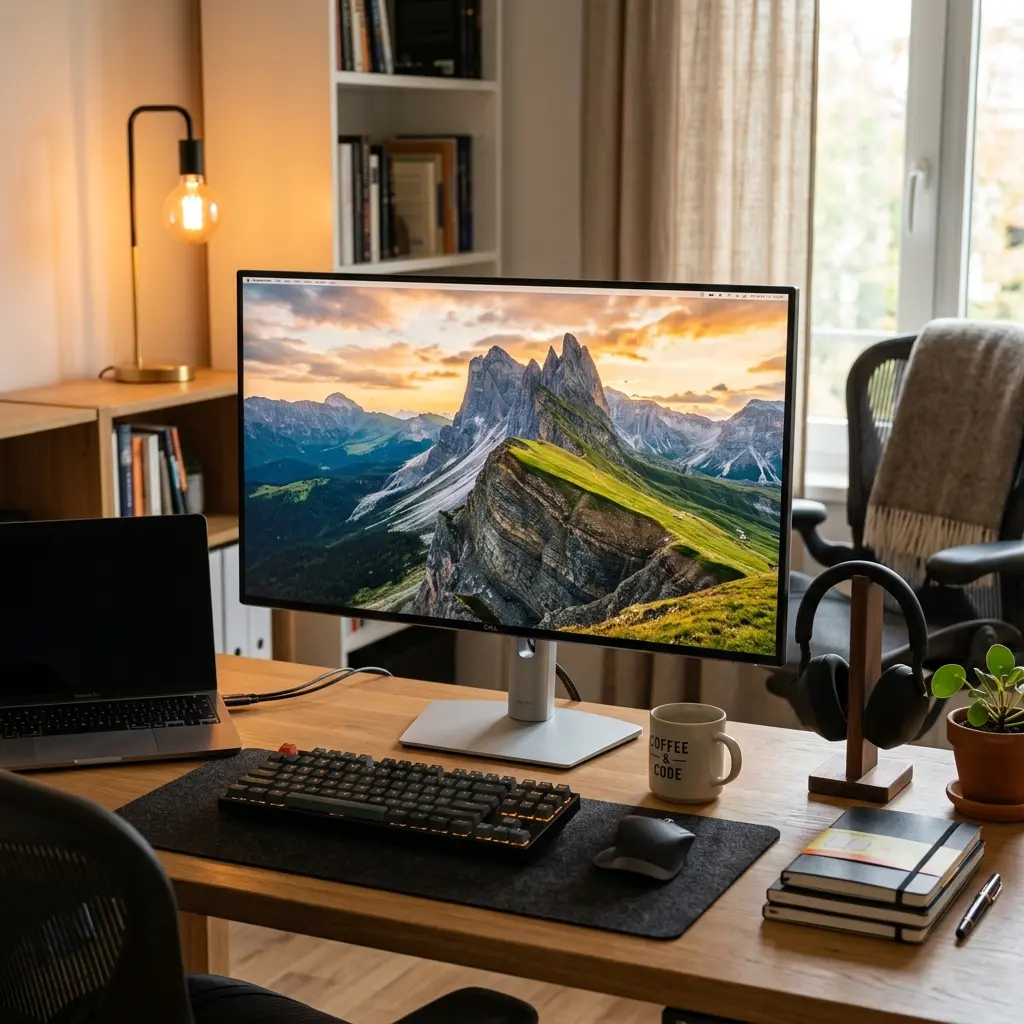
DomineTec Tip: Ensure the monitor is positioned at eye level to promote better posture and reduce neck strain.
Buying Recommendations and Brands
Recognized brands such as Dell, ASUS, and LG offer a range of external monitors suitable for varied needs. Target specifications based on personal requirements for optimal performance.
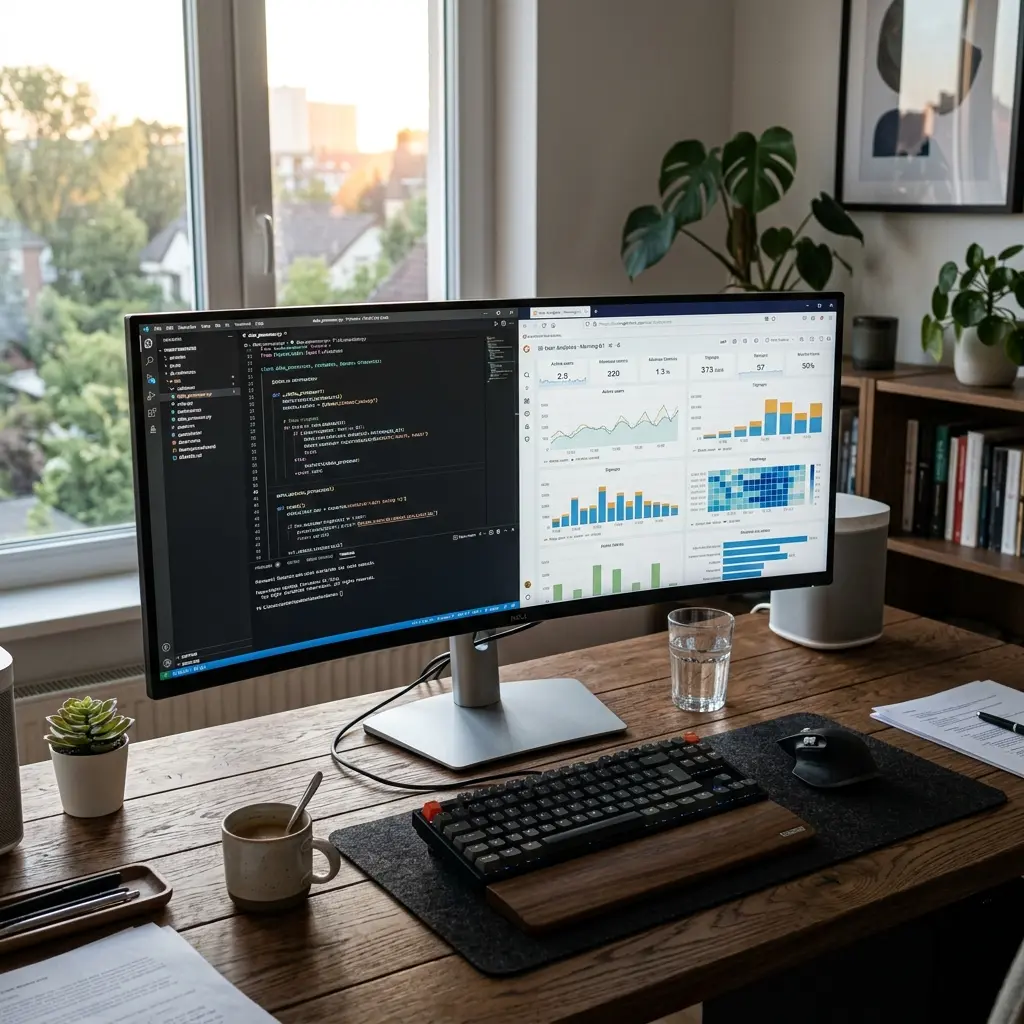
- Determine the primary use case (gaming, professional work, etc.).
- Select the desired resolution based on workspace and usage.
- Consider panel technology for color accuracy and response times.
- Evaluate ergonomics for comfort during extended use.
- Research brands and read user reviews for reliability.
Value Analysis and Verdict
Investing in a quality external monitor can significantly enhance productivity and user experience. Proper evaluation of features versus cost can lead to informed purchasing decisions.
Setting Up Display Configuration
Configuring the display settings on your laptop is a critical step to ensure optimal use of an external monitor. Begin by connecting the monitor to your laptop using the appropriate cable, such as HDMI or DisplayPort.
Once connected, navigate to your laptop’s display settings, typically found in the Control Panel or System Preferences. Here, you can choose how you want the external display to function—either as a mirror of your laptop screen or as an extended desktop.
For a more tailored experience, adjust the resolution and orientation settings to match your preferences. It's important to select a resolution that is supported by both the laptop and the external monitor for the best visual quality.
Lastly, consider saving these settings to ensure that they are applied automatically in future sessions, allowing for a seamless user experience each time you connect the external monitor.
Connecting Multiple Monitors
Using more than one external monitor can significantly enhance productivity and multitasking capabilities. To connect multiple monitors, first check your laptop’s specifications for the maximum number of displays it can support.
After ensuring compatibility, connect each monitor using the appropriate ports. Some laptops may require a docking station or an adapter if they lack multiple video outputs.
Once connected, return to the display settings to arrange the monitors according to your preferred layout, which can often involve dragging the monitor icons to reflect their physical positions.
Utilizing multiple monitors allows for dedicated spaces for different tasks, improving workflow and making it easier to manage various applications simultaneously.
Adjusting Color Calibration
Color calibration is essential for achieving accurate color representation on your external monitor. This process helps align the display settings with industry standards, especially for tasks such as photo editing or graphic design.
Most operating systems provide built-in calibration tools that guide users through the calibration process, allowing adjustments of settings such as brightness, contrast, and color balance.
For more advanced users, third-party calibration tools and hardware can be used to achieve higher precision. These tools often provide detailed analysis and adjustments that can significantly enhance visual accuracy.
Regular calibration is advisable, as monitors can shift in color accuracy over time due to factors like aging and environmental conditions.
Managing Display Layout and Desktop Organization
Effective desktop organization can greatly enhance productivity when using an external monitor. Start by determining which applications you frequently use and assign them to specific monitors accordingly.
Utilizing features such as virtual desktops can help compartmentalize tasks, allowing for a cleaner workspace. For instance, one monitor can be dedicated to communication tools while the other is used for primary work applications.
Consider the use of window management tools that enable snapping windows to predetermined positions on your screens. These tools can help streamline workflows and minimize the clutter on your desktop.
Regularly reviewing and adjusting your layout can ensure that your workspace continues to meet your evolving needs as you adapt to different projects and tasks.
Exploring Software Solutions for Enhanced Functionality
Numerous software solutions are available that can extend the functionality of your external monitor setup. These applications can provide features like multi-desktop management, screen sharing, and window management enhancements.
For example, software like DisplayFusion allows users to create custom profiles for their multi-monitor setups, making it easier to switch between different workflows. Such tools can also help manage taskbars across multiple screens.
Additionally, some software solutions enable advanced features such as virtual desktops, allowing users to organize their workspace further without physical rearrangement of monitors.
Researching and experimenting with various software can unlock your external display's full potential and greatly enhance your overall productivity.
Addressing Common Connectivity Issues
Connectivity issues can often arise when setting up external monitors, leading to frustration. Common problems include the monitor not being detected, resolution mismatches, or display flickering.
Start troubleshooting by ensuring that all cables are securely connected and that the monitor is powered on. If the monitor still isn’t detected, check for updates to your graphics drivers, as outdated drivers can cause compatibility issues.
In cases of resolution mismatches, return to the display settings to manually adjust the resolution for the external monitor. Ensure that the resolution selected is supported by the monitor.
If issues persist, consulting the user manual for both the laptop and monitor can provide specific guidance on troubleshooting common problems unique to your hardware.
Utilizing Accessibility Features
Modern operating systems come equipped with a variety of accessibility features that can enhance the usability of an external monitor. These features are particularly beneficial for users with visual impairments or specific accessibility needs.
Common accessibility options include screen magnifiers, high-contrast modes, and text-to-speech functionalities, which can be adjusted in the system settings.
When using an external monitor, these features can be tailored to provide a more comfortable viewing experience, allowing users to adjust settings such as font size and color contrast to suit their preferences.
Leveraging accessibility features not only improves individual comfort but can also boost productivity, making it easier to engage with content displayed on external monitors.
Understanding Different Connection Types
When integrating an external monitor with a laptop, it is essential to understand the various connection types available. The most common types are HDMI, DisplayPort, VGA, and USB-C, each offering different capabilities and performance levels.
HDMI is widely used for its compatibility with most modern monitors and laptops. It supports high-definition video and audio, making it suitable for presentations and media consumption.
DisplayPort, while less common than HDMI, provides advantages such as higher bandwidth and the ability to connect multiple monitors through daisy chaining. This feature can be particularly useful for professionals requiring extensive screen real estate.
VGA is an older standard that may still be found on some legacy devices. While it can transmit video signals, it lacks support for audio and higher resolutions compared to its modern counterparts.
Optimizing Screen Real Estate with Virtual Desktops
Virtual desktops can significantly enhance productivity when using multiple monitors. They allow users to create separate workspaces on a single screen, helping to manage tasks and applications more effectively.
Most operating systems, including Windows and macOS, have built-in support for virtual desktops. Users can switch between desktops easily, allowing for a seamless transition between different projects or tasks.
By combining virtual desktops with an external monitor setup, individuals can organize their workflow more intuitively. This setup minimizes clutter and enables focused work environments tailored to specific tasks.
Utilizing virtual desktops also encourages better multitasking, as users can keep unrelated applications separated. This organization leads to improved efficiency and reduced distractions during work hours.
Exploring Different Use Cases for Multi-Monitor Setups
Multi-monitor setups can cater to a variety of user needs, from gamers to professionals in creative industries. Each use case may require specific configurations to maximize productivity and enjoyment.
For gamers, having an external monitor can enhance the gaming experience through wider field of view and smoother graphics. Many gamers opt for high-refresh-rate monitors to reduce motion blur and input lag.
Creative professionals, such as graphic designers and video editors, benefit from having additional screen space to view their work in detail. An external monitor allows for better color accuracy and larger canvas sizes.
Business users also find multi-monitor setups advantageous for multitasking. They can easily manage spreadsheets, presentations, and emails, leading to more efficient workflows during meetings and collaborative projects.
Managing Power Consumption and Energy Efficiency
Utilizing an external monitor can significantly impact the power consumption of your laptop setup. External monitors, especially larger models, often consume more energy than standard laptop displays. Understanding the energy requirements of your monitor can help in managing your overall power usage.
To mitigate power consumption, consider using energy-efficient monitors certified by organizations such as ENERGY STAR. These monitors are designed to use less energy while maintaining high performance, which can be beneficial for both your electricity bill and the environment.
Additionally, adjusting the brightness settings of your external monitor can lead to substantial energy savings. Lowering brightness during non-intensive tasks can help extend the life of your monitor while reducing energy consumption, making it a practical choice for users concerned about sustainability.
Lastly, employing features such as sleep mode or automatic turn-off settings when the monitor is not in use can further enhance energy efficiency. This not only saves energy but also prolongs the lifespan of your external monitor, ensuring optimal performance over time.
Customizing User Experience with Third-Party Applications
Enhancing the multi-monitor experience often involves leveraging third-party applications designed for better window management. Tools like DisplayFusion or Ultramon provide advanced features that can help organize your workspace more effectively.
These applications allow users to create custom shortcuts, manage wallpapers across multiple screens, and even control display settings with ease. Such features enhance productivity by enabling smoother transitions between tasks and reducing the time spent on manual adjustments.
Moreover, some software solutions offer additional functionalities like taskbar management, enabling users to extend the taskbar across multiple screens or adjust its appearance. This customization can make navigating between applications more intuitive and user-friendly.
Finally, utilizing third-party applications can enhance compatibility with specific workflows, especially for creative professionals who require precise control over their workspace. Tailoring the user experience with these tools can lead to increased efficiency and a more enjoyable working environment.
Maintaining Cable Management and Workspace Organization
Effective cable management is crucial for maintaining a tidy workspace when using an external monitor as a second screen. Poor cable organization can lead to clutter, making it difficult to navigate your work area and potentially creating safety hazards.
Utilizing cable ties, clips, and sleeves can help keep cables organized and out of sight. Additionally, consider using a cable management box to conceal power strips and excess cords, promoting a cleaner aesthetic.
Positioning your laptop and external monitor on a dedicated desk can also improve organization. Ensure that both devices are at a comfortable working height to promote better posture and accessibility.
Regularly inspecting and adjusting your cable setup can enhance both functionality and appearance, contributing to a more efficient and enjoyable work environment.
Enhancing Productivity through Custom Shortcuts and Automation
Custom shortcuts and automation tools can significantly enhance productivity when utilizing an external monitor. By creating personalized keyboard shortcuts, users can streamline their workflow and access frequently used applications with ease.
Many operating systems offer built-in options for creating shortcuts, while third-party applications can facilitate more advanced automation. These tools allow users to set up routines, such as opening specific programs on the second screen, which can save time and reduce repetitive tasks.
Task automation can extend to organizing windows on multiple displays, ensuring that each screen serves its intended purpose without clutter. For example, users can designate one monitor for communication tools and another for research or design tasks.
Ultimately, leveraging shortcuts and automation not only improves efficiency but also allows users to focus on their work without the distraction of manual organization and navigation.
Frequently Asked Questions
Can any monitor be used as a second screen?
Most monitors can serve as a second screen, provided compatibility with the laptop's output ports is ensured.
What cables are typically needed to connect a laptop to an external monitor?
HDMI, DisplayPort, and USB-C are common cables used to connect laptops to external monitors.
Is it better to use an ultrawide monitor?
Ultrawide monitors provide more screen real estate, enhancing multitasking capabilities without the bezels of multiple monitors.
How can display settings be adjusted for the external monitor?
Display settings can be adjusted via the operating system's settings menu, where resolution and orientation options are available.
What are the advantages of using an IPS panel?
IPS panels offer superior color accuracy and wider viewing angles, making them ideal for design work and multimedia consumption.




