How to Update Meta Quest Firmware Using ADB Sideload Command Lines

How to Update Meta Quest Firmware Using ADB Sideload Command Lines
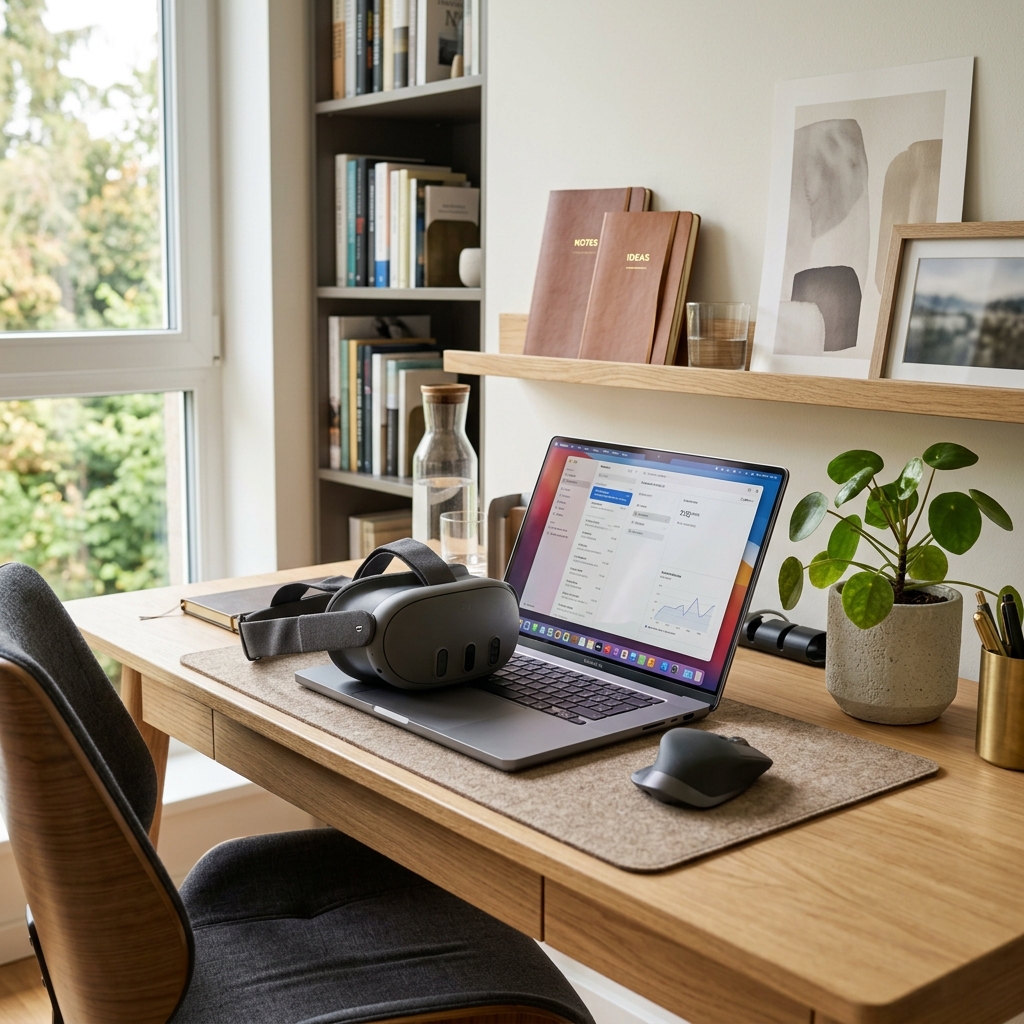
Keeping the firmware of the Meta Quest headset up to date is crucial for optimal performance and access to the latest features. ADB (Android Debug Bridge) is a versatile command-line tool that enables the installation and management of applications on Android devices, including the Meta Quest.
This article provides a step-by-step guide on updating the Meta Quest firmware using ADB sideload command lines. By following these instructions, the latest firmware can be easily installed, ensuring the device operates smoothly.
Requirements for ADB Sideloading
Before proceeding, certain prerequisites must be met. The following tools and resources should be prepared:
- A computer with ADB installed.
- Meta Quest headset with Developer Mode enabled.
- Latest firmware file downloaded to the computer.
- USB cable for connecting the headset to the computer.
Enabling Developer Mode
To use ADB, Developer Mode must be enabled on the Meta Quest headset. This can be done through the Oculus app on a mobile device:
- Open the Oculus app and navigate to the 'Settings' section.
- Select the connected headset and tap on 'More Settings'.
- Find 'Developer Mode' and toggle it to 'On'.
Installing ADB on Your Computer
If ADB is not already installed, it can be easily set up on most operating systems. Instructions for installation vary, so it is recommended to follow the guide specific to the operating system in use.
Connecting the Meta Quest to Your Computer
Using the USB cable, connect the Meta Quest headset to the computer. Ensure that the headset is powered on. A prompt may appear in the headset asking to allow USB debugging; accept this prompt to establish a connection.
Using ADB Sideload Command Lines
With everything set up, the firmware update can commence using the ADB sideload command. Follow these steps:
- Open a command prompt or terminal window on the computer.
- Navigate to the directory where the firmware file is stored.
- Enter the following command:
- Wait for the process to complete. The headset will automatically reboot once the update is finished.
adb sideload.zip

Comparing VR Headsets
When considering virtual reality options, it is beneficial to compare specifications across different models. The table below highlights key features of popular VR headsets available in the market:
| VR Headset | Resolution | Refresh Rate | Field of View | Price |
|---|---|---|---|---|
| Meta Quest 3 | 2064 x 2208 per eye | 120 Hz | 110 degrees | Check Price |
| Valve Index | 1440 x 1600 per eye | 144 Hz | 130 degrees | $999 |
| HTC Vive Pro 2 | 2448 x 2448 per eye | 120 Hz | 120 degrees | $799 |
| Pico 4 | 2160 x 2160 per eye | 90 Hz | 105 degrees | $499 |
| PlayStation VR2 | 2000 x 2040 per eye | 120 Hz | 110 degrees | $549 |
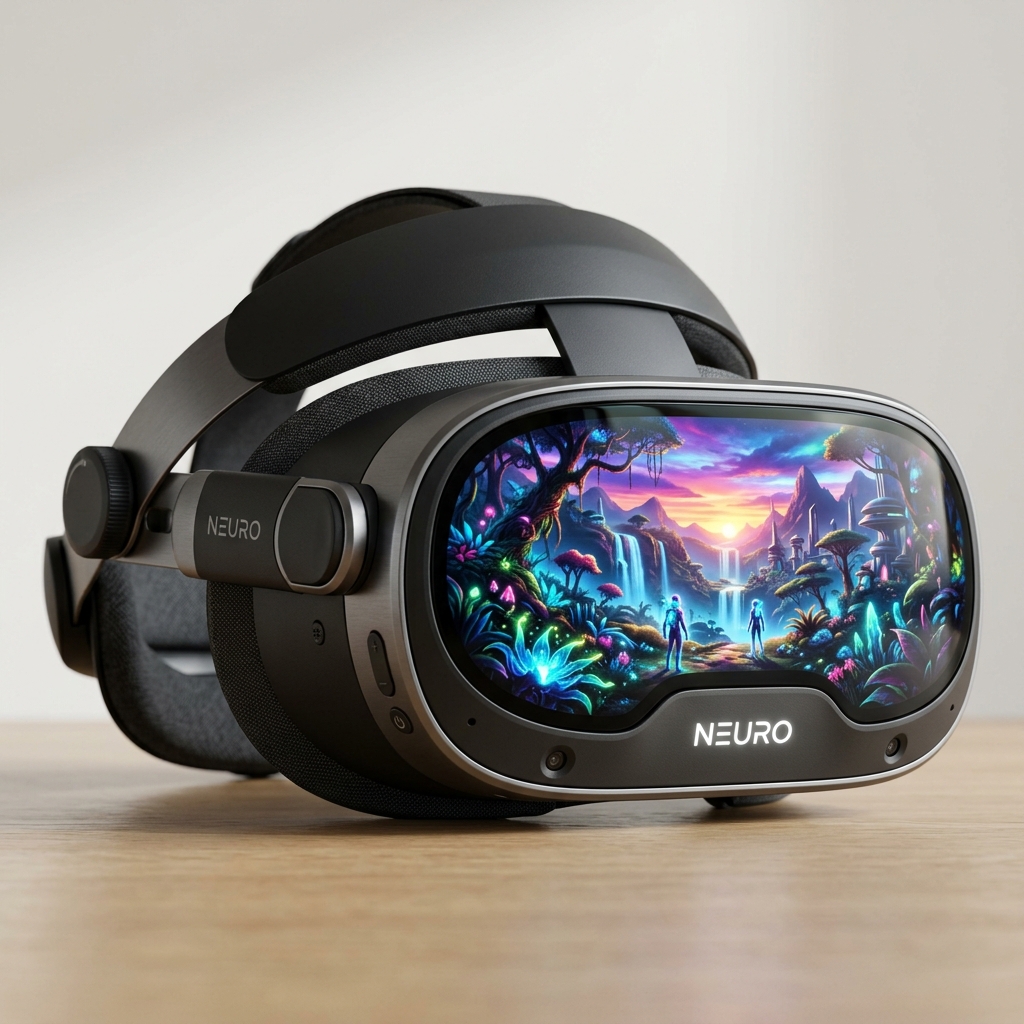
Maintaining Your Meta Quest
Regular firmware updates ensure that the headset remains compatible with the latest applications and games. It is advisable to check for updates periodically.
Additional resources, such as how to backup an iPhone to a computer without iCloud, can also enhance the overall experience with the Meta Quest by ensuring that personal data and settings are preserved.

FAQs
What is ADB?
ADB, or Android Debug Bridge, is a command-line tool that allows communication between a computer and an Android device. It enables various functions, including application installation and firmware updates.
Is it safe to update firmware using ADB?
Yes, updating firmware using ADB is safe, provided the correct firmware file is used. Ensuring that the file is from a trusted source is essential to avoid potential issues.
Can ADB be used with other VR headsets?
ADB is primarily designed for Android devices, so compatibility may vary. Many Android-based VR headsets can utilize ADB for updates and management.
Will ADB erase data on the headset?
No, using ADB to sideload firmware should not erase data on the headset. However, it is always wise to back up important data before proceeding with any updates.
How often should firmware be updated?
Firmware should be checked and updated regularly, especially when new features are released or issues are addressed. Keeping the firmware current enhances performance and security.
Understanding ADB and Its Importance
Android Debug Bridge (ADB) is a versatile command-line tool that allows communication with an Android device. This tool can be essential for updating firmware on devices like the Meta Quest VR headset.
Using ADB sideload commands enables users to install updates seamlessly, ensuring the headset operates with the latest features and security patches. Familiarity with ADB can enhance overall device management.
Preparing Your Meta Quest for Firmware Update
Before initiating a firmware update, ensure that the Meta Quest is charged and connected to a reliable Wi-Fi network. This step helps prevent interruptions during the update process.
Enabling Developer Options on the headset is crucial, as it allows for ADB connections. This can typically be done through the headset's settings menu, enhancing the device's functionality.
Setting Up ADB on Your Computer
To use ADB, it must be installed on your computer. Download the Android SDK Platform Tools to access ADB commands effectively.
After installation, ensure that the ADB path is added to your system environment variables for easy access via the command line. This setup is essential for executing the necessary commands to update the firmware.
Connecting the Meta Quest to ADB
Using a USB cable, connect the Meta Quest to your computer to establish a connection. Once connected, authorize the ADB connection from the headset when prompted.
Verifying the connection can be done by running the command 'adb devices' in your command line interface. A successful connection will display the headset's serial number.
Downloading the Latest Firmware
Visit the official Meta website or trusted community forums to find the latest firmware suitable for your Meta Quest model. It is crucial to download the correct file to avoid compatibility issues.
Ensure that the downloaded firmware file is in the ZIP format, as this is required for the ADB sideload process. Having the latest firmware helps improve performance and add new features.
Executing ADB Sideload Command
Once all preparations are complete, use the command 'adb sideload
The process may take several minutes, and the headset will automatically reboot once the update completes. Monitoring the command line for any errors during the update is advisable.
Troubleshooting Common ADB Issues
If the ADB connection fails, ensure that USB debugging is enabled on your Meta Quest. Additionally, check the USB cable and port for any physical issues that may disrupt the connection.
In cases where the firmware update does not succeed, re-download the firmware file and ensure it is not corrupted. Following the ADB commands carefully can also minimize errors during the process.
How to Update Meta Quest Firmware Using ADB Sideload Command Lines
Updating the firmware on your Meta Quest headset can enhance performance and add new features. Using ADB (Android Debug Bridge) sideload commands is a reliable method to ensure your device operates with the latest software.
What is ADB?
ADB stands for Android Debug Bridge, a versatile command-line tool that allows users to communicate with Android devices. It enables users to execute various commands, including installing applications and updating firmware.
Preparing for the Update
Before proceeding with the firmware update via ADB, certain preparations must be completed. Ensure that the Meta Quest headset is charged and that you have a USB cable ready.
- Download the latest firmware file for your Meta Quest model.
- Install ADB on your computer, which is available through the Android SDK or as a standalone package.
- Enable Developer Mode on your Meta Quest headset through the Meta Quest app on your smartphone.
Step-by-Step Guide to Update Firmware
Follow these steps to update the firmware using ADB sideload:
Step 1: Connect the Headset
Connect the Meta Quest headset to your computer using a USB cable. Ensure that the connection is secure to avoid any interruptions during the update process.
Step 2: Open Command Prompt or Terminal
On your computer, open the Command Prompt (Windows) or Terminal (Mac/Linux). This will be used to execute the ADB command lines.
Step 3: Verify ADB Connection
Type the following command to verify that the headset is recognized by ADB:
adb devicesIf the headset is connected properly, it should appear in the list of devices. If not, check the USB connection and ensure that USB debugging is enabled in the Developer options of the headset.
Step 4: Download the Firmware
Before sideloading, ensure the firmware file is readily accessible on your computer. The file is usually in the form of a .zip or .img file.
Step 5: Sideload the Firmware
Use the following command to start the sideloading process:
adb sideload path/to/firmware.zipReplace "path/to/firmware.zip" with the actual path to the firmware file. This command will initiate the update process.
Step 6: Monitor the Update Progress
During the update, the Command Prompt or Terminal will display progress information. It is essential not to disconnect the headset during this time to avoid corrupting the firmware.
Step 7: Reboot the Headset
Once the sideload process is complete, reboot the headset. You can do this by either using the command:
adb rebootOr by manually restarting the device. This will apply the new firmware and should improve the overall performance.
Common Issues and Troubleshooting
While updating the firmware using ADB sideload, users may encounter certain issues. Here are some common problems and their solutions:
| Issue | Solution |
|---|---|
| Device not recognized | Ensure USB debugging is enabled and the drivers are installed on your computer. |
| ADB sideload fails | Check the integrity of the firmware file and ensure it is compatible with your headset model. |
| Slow update process | Ensure a stable connection and close unnecessary applications that may be consuming bandwidth. |
| Headset does not reboot | Try manually rebooting the headset by holding down the power button until it turns off. |
Benefits of Updating Firmware
Keeping the firmware of your Meta Quest headset up-to-date has several advantages. It can improve security, fix bugs, and provide new features that enhance the user experience.
- Improved performance and stability of applications.
- Access to new features and functionalities.
- Enhanced compatibility with new games and software.
Final Thoughts
Updating the firmware of a Meta Quest headset through ADB sideload commands is a straightforward process. Following the outlined steps ensures that your device remains updated and performs optimally.
Regular updates not only enhance performance but also protect against potential vulnerabilities. Keeping up with the latest firmware ensures that the headset continues to deliver an excellent virtual reality experience.
Additional Resources
For further assistance, users can explore various online resources and communities dedicated to VR technology. Forums such as Reddit and specialized VR groups often provide valuable insights and troubleshooting techniques.
Important Notes
Always ensure that the firmware file is sourced from official channels to avoid malicious software. Sideloading unofficial firmware can void warranties and potentially brick the device.
Consult the user manual for specific instructions tailored to your Meta Quest model. Each model may have distinct requirements or steps for firmware updates.