How to Update Meta Quest Firmware Using ADB Sideload Command Lines
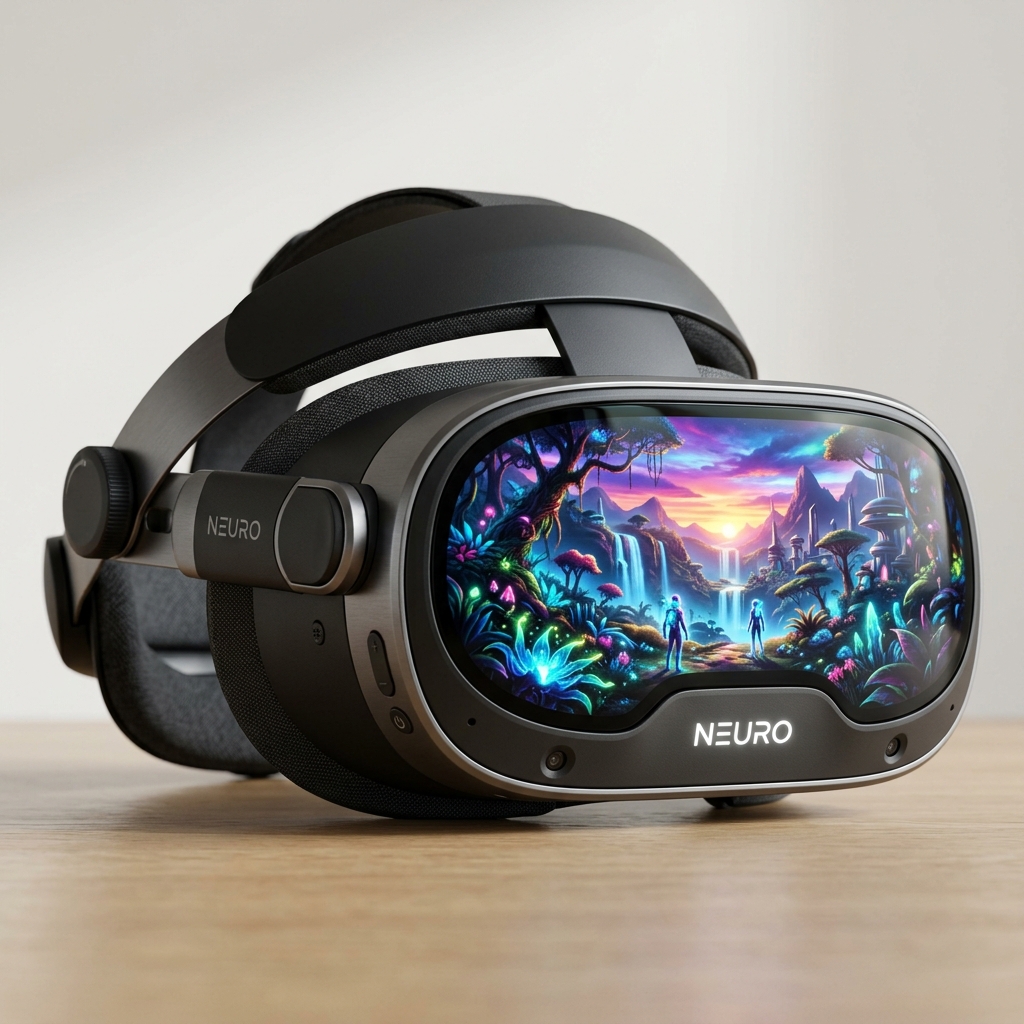
How to Update Meta Quest Firmware Using ADB Sideload Command Lines
Updating the firmware of a Meta Quest device using ADB (Android Debug Bridge) sideload command lines is a straightforward process that enhances the functionality and performance of the headset. This guide provides a comprehensive, step-by-step approach to execute the update efficiently.
Understanding ADB and Sideloading
ADB is a versatile command-line tool that allows communication between a computer and an Android device. Sideloading refers to the process of installing software on a device via ADB commands, bypassing the usual methods.
Benefits of Updating Firmware
Keeping the firmware updated ensures optimal performance, introduces new features, and addresses security vulnerabilities. Regular updates enhance user experience and device stability.
Specifications Comparison of Popular VR Headsets
| Model | Display Resolution | Refresh Rate | Storage Options | Battery Life |
|---|---|---|---|---|
| Meta Quest 3 | 2064 x 2208 per eye | 120 Hz | 128GB, 256GB | 2-3 hours |
| Meta Quest 2 | 1832 x 1920 per eye | 90 Hz | 64GB, 256GB | 2-3 hours |
| HTC Vive Focus 3 | 2448 x 2448 per eye | 90 Hz | 128GB | 2 hours |
| Valve Index | 1440 x 1600 per eye | 144 Hz | Varies | Varies |
| PlayStation VR2 | 2000 x 2040 per eye | 120 Hz | Varies | Varies |
| Apple Vision Pro | Multiple 4K displays | Varies | Varies | Varies |
Prerequisites for ADB Sideloading
Ensure the following prerequisites are met before proceeding with the firmware update:
- Meta Quest headset fully charged.
- USB Type-C cable to connect the headset to the computer.
- ADB installed on the computer.
- Firmware update file downloaded.
Step-by-Step Guide to Update Firmware
- Download the latest firmware update file from the official Meta website.
- Connect the Meta Quest headset to the computer using a USB Type-C cable.
- Enable Developer Mode on the Meta Quest headset via the Meta Quest app on the smartphone.
- Open a command prompt or terminal window on the computer.
- Navigate to the directory where the ADB tool is installed.
- Verify the connection by entering the command:
adb devices. The headset should appear in the list of connected devices. - Execute the sideload command:
adb sideload, replacing.zip with the actual file name. - Wait for the process to complete. The headset will automatically reboot once the update is finished.
- Verify the firmware version in the settings menu of the headset to ensure the update was successful.
DomineTec Tip: Always back up important data before a firmware update to prevent data loss. For the latest model, consider checking out options to buy Meta Quest 3.
Common Issues and Troubleshooting
During the firmware update process, users may encounter various issues. Common problems include connection errors, corrupted files, or the device not recognizing ADB commands.
Ensure the USB Type-C cable is functioning correctly and that the drivers for ADB are installed on the computer. If issues persist, try restarting the headset and the computer.
Conclusion
Updating the firmware on the Meta Quest using ADB sideload command lines may seem daunting, but it enhances the overall experience significantly. Following the outlined steps ensures a hassle-free update process.
Frequently Asked Questions
1. What is ADB?
ADB stands for Android Debug Bridge, a command-line tool that allows users to communicate with Android devices for various purposes, including sideloading firmware updates.
2. How do I enable Developer Mode on Meta Quest?
Developer Mode can be enabled through the Meta Quest app on a connected smartphone. Navigate to settings and toggle the Developer Mode option on.
3. What should I do if the device does not connect to ADB?
Ensure that the USB Type-C cable is properly connected and functioning. Additionally, check if the necessary drivers for ADB are installed on the computer.
4. Can firmware updates be rolled back?
Firmware updates typically cannot be rolled back unless a specific downgrade option is provided in the update files from the manufacturer.
5. How long does the update process take?
The update process usually takes several minutes, depending on the size of the firmware file and the speed of the connection.
Understanding ADB Sideloading
ADB, or Android Debug Bridge, is a versatile command-line tool that enables communication between a computer and an Android device. Sideloading using ADB allows users to install firmware updates directly onto devices like the Meta Quest headsets.
This process is particularly useful when conventional update methods fail or when users seek to install custom firmware. Familiarity with ADB commands can significantly enhance the user experience with VR headsets.
Preparing Your Meta Quest for Update
Before initiating an ADB sideload, ensure the Meta Quest headset is fully charged and connected to a reliable Wi-Fi network. It's vital to enable Developer Mode in the headset settings to facilitate ADB access.
Connecting the headset to a PC via a USB cable is essential for executing the ADB commands. Double-check that the necessary drivers are installed on your computer for seamless connectivity.
Installing ADB on Your Computer
To utilize ADB commands, installing ADB on your computer is necessary. ADB can be downloaded as part of the Android SDK platform tools from the official Android developer website.
Once downloaded, the ADB executable should be added to your system's PATH variable to allow command-line access from any directory. This setup is crucial for executing the firmware update process smoothly.
Locating the Firmware Update File
Obtaining the correct firmware update file is a critical step in the sideloading process. Official firmware files can typically be sourced from the Meta website or trusted community forums.
Ensure that the firmware version is compatible with the specific Meta Quest model in use, such as the Meta Quest 2. Incorrect files may lead to system instability or bricking of the device.
Executing ADB Commands
Once the ADB environment is set up and the firmware file is ready, open a command prompt or terminal window. Use the command 'adb devices' to verify that the headset is properly connected and recognized by the computer.
The actual sideload command follows the format 'adb sideload
Monitoring the Update Process
During the sideload procedure, progress will be displayed in the command prompt or terminal window. It is essential to monitor this output for any errors or messages indicating that the process is underway.
The update process may take several minutes, depending on the size of the firmware file and the speed of the connection. Patience is key during this phase to ensure a successful installation.
Troubleshooting Common Issues
In the event of errors during the ADB sideload, checking the USB connection and ensuring that the firmware file is not corrupted is advisable. Repeating the command or restarting both the computer and headset can often resolve minor issues.
Additionally, verifying that Developer Mode is still enabled and that the correct drivers are installed can prevent common connectivity problems. A systematic approach to troubleshooting can expedite a successful update.
Post-Update Verification
After the firmware update completes, it is essential to reboot the Meta Quest headset. This step ensures that all changes are applied correctly and that the device functions as expected.
Users should check for any new features or improvements introduced with the update. Regularly updating firmware can enhance performance and introduce new capabilities, enriching the overall VR experience.
How to Update Meta Quest Firmware Using ADB Sideload Command Lines
Updating the firmware of your Meta Quest headset can enhance its performance, introduce new features, and fix existing bugs. One effective way to perform this update is through the ADB (Android Debug Bridge) sideload command lines.
What is ADB Sideload?
ADB Sideload is a command-line tool that allows users to install software on their Android devices via a computer. It is particularly useful for updating firmware on devices that may not receive automatic updates.
Requirements for ADB Sideload
Before proceeding with the firmware update, ensure the following requirements are met:
- A computer with ADB installed.
- A USB cable to connect the headset to the computer.
- The firmware file for the Meta Quest headset.
- Developer options enabled on the Meta Quest headset.
Enabling Developer Options on Meta Quest
To use ADB, developer options need to be enabled on the Meta Quest headset. Follow these steps:
- Power on the Meta Quest headset.
- Navigate to the "Settings" menu.
- Select "System," then "Developer."
- Toggle the "Developer Mode" switch to enable it.
Installing ADB on Your Computer
ADB can be installed on various operating systems. Below are basic steps for Windows, macOS, and Linux:
For Windows:
- Download the ADB platform-tools from the official Android developer website.
- Extract the downloaded ZIP file to a location on your computer.
- Open Command Prompt and navigate to the extracted folder.
For macOS:
- Open Terminal.
- Install Homebrew if not already installed by pasting the following command:
/bin/bash -c "$(curl -fsSL https://raw.githubusercontent.com/Homebrew/install/HEAD/install.sh)". - Use Homebrew to install ADB:
brew install android-platform-tools.
For Linux:
- Open Terminal.
- Use the package manager to install ADB. For example, on Ubuntu, type:
sudo apt install android-tools-adb.
Downloading the Firmware File
Obtain the latest firmware file for the Meta Quest headset from a trusted source. Ensure that the file is compatible with the device model to avoid issues during installation.
Connecting the Meta Quest to Your Computer
Use a USB cable to connect the Meta Quest headset to the computer. It is crucial to ensure the connection is stable to prevent interruptions during the firmware update process.
Using ADB Sideload Command
Once all preparations are complete, the ADB sideload command can be executed. Follow these steps:
- Open a command line window on your computer.
- Type
adb devicesto verify that the headset is recognized. - Reboot the headset into recovery mode by typing
adb reboot recovery.
Executing the Sideload Command
With the headset in recovery mode, the next step is to execute the sideload command:
- In the command line, type
adb sideload path/to/firmware.zip. - Replace
path/to/firmware.zipwith the actual path of the firmware file on your computer.
Monitoring the Update Process
As the firmware update proceeds, the command line will display progress. It is essential to avoid disconnecting the headset or interrupting the process until it is complete.
Completing the Update
Once the update finishes, the headset will automatically reboot. Wait for the reboot process to complete before using the headset again.
Troubleshooting Common Issues
Sometimes issues can arise during the firmware update process. Below is a list of common problems and solutions:
| Issue | Solution |
|---|---|
| Device not recognized | Check USB connection and ADB installation. |
| Update fails | Ensure firmware is compatible with the headset model. |
| Stuck in recovery mode | Force restart the headset by holding the power button. |
Keeping Firmware Updated
Regularly checking for firmware updates is essential for optimal performance. Users should maintain a habit of visiting the official Meta website or forums for the latest firmware releases.
Conclusion
Updating firmware using ADB sideload is a straightforward process that can greatly benefit Meta Quest users. Following the steps outlined ensures a smooth and successful update experience.




