How to Update Meta Quest Firmware Using ADB Sideload Command Lines
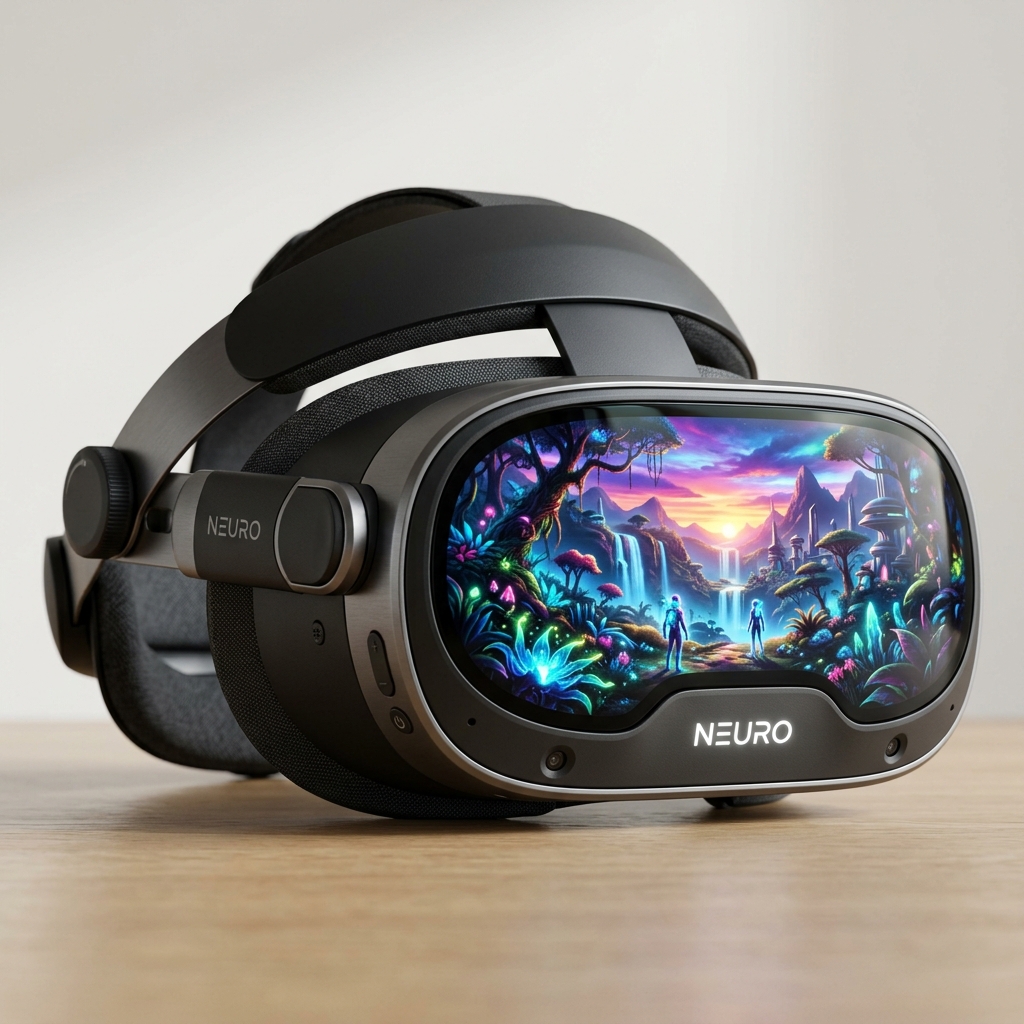
How to Update Meta Quest Firmware Using ADB Sideload Command Lines
Updating the Meta Quest firmware using ADB sideload command lines can enhance device performance and unlock new features. This guide offers a thorough walkthrough for executing the firmware update process safely and efficiently.
Understanding ADB and Its Importance
Android Debug Bridge (ADB) is a versatile command-line tool that allows communication with an Android device. Utilizing ADB for firmware updates provides a method to sideload updates without relying on official OTA releases.
Pre-requisites for Updating Firmware
- ADB installed on a computer.
- USB cable compatible with Meta Quest.
- Latest firmware file downloaded in ZIP format.
- Enable Developer Mode on the Meta Quest.
Steps to Enable Developer Mode on Meta Quest
- Open the Meta Quest app on a smartphone.
- Select the headset from the devices list.
- Navigate to 'More Settings' and choose 'Developer Mode.'
- Toggle Developer Mode on.
How to Update Meta Quest Firmware Using ADB Sideload Command Lines
Follow these steps to perform the update:
- Connect the Meta Quest to the computer with a USB cable.
- Open a command prompt or terminal window on the computer.
- Verify the connection by typing
adb devicesand pressing Enter. - Ensure the firmware file is in the correct location.
- Type the command
adb sideloadand press Enter..zip - Wait for the process to complete and then reboot the headset.
DomineTec Tip: For an optimal VR experience, consider buying Meta Quest 3, which offers enhanced features and performance.
Comparison of Popular VR Headsets
| Model | Display Resolution | Refresh Rate | Field of View | Price |
|---|---|---|---|---|
| Meta Quest 3 | 2064 x 2208 per eye | 120 Hz | 110 degrees | $499 |
| Meta Quest 2 | 1832 x 1920 per eye | 90 Hz | 89 degrees | $299 |
| HTC Vive Focus 3 | 2448 x 2448 per eye | 90 Hz | 100 degrees | $999 |
| Valve Index | 1440 x 1600 per eye | 144 Hz | 130 degrees | $999 |
| PlayStation VR2 | 2000 x 2040 per eye | 120 Hz | 110 degrees | $549 |
| Apple Vision Pro | 3400 x 3400 per eye | 120 Hz | 120 degrees | $3499 |
Common Issues and Troubleshooting
Errors may occur during the ADB sideload process. Common issues include:
- Device not recognized: Ensure the correct USB drivers are installed.
- ADB not responding: Restart the ADB server by typing
adb kill-serverfollowed byadb start-server. - Failed to install: Verify the firmware file's integrity and compatibility.
For more advanced users, customizing the firmware settings post-update may enhance performance. Explore options within the device's menus after the update completes.
Conclusion
Updating the Meta Quest firmware through ADB sideload command lines is a straightforward process when following the outlined steps. This method ensures that the latest features and enhancements are accessible to users, maintaining optimal performance.
Frequently Asked Questions
- What is ADB? ADB stands for Android Debug Bridge, a command-line tool for communicating with Android devices.
- Can all firmware updates be sideloaded? Not all firmware updates may be available for sideloading; check the official Meta support site for compatibility.
- Is it safe to sideload firmware? Sideloading firmware is generally safe if the firmware is sourced from official channels.
- What if ADB does not recognize my device? Ensure USB debugging is enabled and that the correct drivers are installed on your computer.
- Can sideloading void the warranty? Sideloading firmware may void the warranty if it leads to device malfunction; consult the warranty terms for specifics.
Understanding ADB Sideload
ADB (Android Debug Bridge) is a versatile command-line tool that facilitates communication between a computer and an Android device. Sideloading allows users to install firmware updates from a computer directly to the Meta Quest headset.
This method is particularly useful for those who want to manually update their device without relying on over-the-air updates. Additionally, it provides access to firmware that may not yet be available through standard channels.
Preparing Your Environment
Before using ADB sideload, ensure that the necessary tools are installed on your computer. This includes the Android SDK platform tools which provide the ADB command.
Make sure to enable Developer Options on your Meta Quest headset, which allows USB debugging and sideloading functionality. This can typically be done through the device settings menu.
Connecting the Device
Connect the Meta Quest headset to your computer using a USB cable. This connection is essential for executing ADB commands.
Once connected, verify the connection by executing the command 'adb devices' in your command prompt or terminal. This will display a list of connected devices, confirming the headset is recognized.
Downloading the Firmware Update
Obtain the latest firmware update file from the official Meta website or a trusted source. Ensure the file format is compatible with the Meta Quest device.
It is crucial to double-check the firmware version to avoid compatibility issues. Using an incorrect firmware version can lead to potential device malfunctions.
Executing the ADB Sideload Command
With the firmware file ready, initiate the sideload process by entering the command 'adb sideload
The process may take several minutes, depending on the size of the firmware. Ensure the computer and headset remain connected throughout the update to prevent any interruptions.
Monitoring the Update Process
During the sideloading process, monitor the terminal for progress messages. This feedback indicates that the firmware is being transferred successfully.
Once the process is complete, a success message will appear. This signals that the firmware has been installed, and the headset can be rebooted.
Post-Update Steps
After the firmware update, it is advisable to restart the Meta Quest headset. This ensures that all new features and improvements take effect.
Check the firmware version in the device settings to confirm that the update was successful. If any issues arise, re-check the connection and repeat the sideload procedure if necessary.
Troubleshooting Common Issues
In case of errors during the ADB sideload process, verify that USB debugging is enabled on the Meta Quest headset. This option must be activated to allow ADB commands to function properly.
Also, ensure that the cable used for connection is functioning correctly and that the firmware file is not corrupted. If problems persist, consider consulting user forums for additional support.
How to Update Meta Quest Firmware Using ADB Sideload Command Lines
Updating the firmware on a Meta Quest device is essential for ensuring optimal performance and accessing the latest features. This guide provides a step-by-step process on how to utilize ADB sideload commands to update your Meta Quest firmware efficiently.
What is ADB?
ADB, or Android Debug Bridge, is a versatile command-line tool that allows users to communicate with an Android device. It provides numerous functionalities such as installing apps, copying files, and updating firmware.
Preparing for the Update
Before updating the firmware, certain preparations must be made to ensure the process goes smoothly. Here are the necessary steps to prepare the Meta Quest for the update.
- Ensure that the Meta Quest device is fully charged or connected to a power source.
- Check the current firmware version to determine if an update is necessary.
- Download the latest firmware update file from a trusted source.
- Install ADB on your computer. This can be done by downloading the Android SDK Platform Tools.
Setting Up ADB
After downloading, the next step involves setting up ADB on the computer. Follow these steps to set up ADB correctly.
- Extract the downloaded platform tools to a folder on your computer.
- Open a command prompt or terminal window in the extracted folder.
- Connect your Meta Quest to the computer using a USB cable.
- Enable Developer Options on the Meta Quest device by going to Settings > About > Software Version and tapping on it several times.
- Enable USB Debugging in Developer Options.
Using ADB to Sideload the Firmware Update
Once ADB is set up and the firmware file is ready, the next step is to execute the ADB sideload command. This process will initiate the firmware update on the Meta Quest device.
- Open the command prompt or terminal window where ADB is installed.
- Execute the command
adb devicesto verify that the Meta Quest is recognized by the computer. - Boot the Meta Quest device into recovery mode. This is typically done by holding down the power and volume down buttons simultaneously.
- Once in recovery mode, select "Apply update from ADB."
- In the command prompt, type
adb sideload [filename].zip, replacing [filename] with the name of the downloaded firmware file.
Monitoring the Update Process
During the sideload process, it is important to monitor the command prompt for any error messages. The update process may take several minutes to complete, depending on the size of the firmware file.
- If the update is successful, the command prompt will indicate the completion of the process.
- If an error occurs, review the messages for troubleshooting options or try the steps again.
Rebooting the Device
After the sideloading process is complete, it is necessary to reboot the Meta Quest device to finalize the update. Follow these steps:
- In the recovery menu, select "Reboot system now."
- Wait for the Meta Quest to restart. It may take longer than usual as it processes the new firmware.
Verifying the Update
Once the device has rebooted, it is advisable to check the firmware version to confirm the update was successful. This can be done by navigating to:
- Settings > About > Software Version.
Compare the displayed version with the latest version available online to ensure the update was applied correctly.
Troubleshooting Common Issues
Occasionally, users may encounter issues during the firmware update process. Here are some common problems and their solutions:
| Issue | Solution |
|---|---|
| Device not recognized by ADB | Ensure USB Debugging is enabled and the correct drivers are installed. |
| Update fails with an error message | Check the integrity of the firmware file and ensure it is the correct version for your device. |
| Device stuck in recovery mode | Force reboot the device by holding the power button until it turns off. |
Conclusion
Updating the firmware on a Meta Quest device using ADB sideload commands is a straightforward process when following the steps outlined above. Regularly updating the firmware ensures the device operates optimally and benefits from new features.
By understanding how to utilize ADB effectively, users can manage their VR experiences more efficiently. Embracing these updates is crucial for enjoying the full capabilities of the Meta Quest headset.
Understanding ADB and Its Importance in VR Updates
Android Debug Bridge (ADB) serves as a vital tool for developers and enthusiasts alike, facilitating communication with Android devices. In the context of virtual reality headsets, ADB allows users to sideload updates, enhancing performance and introducing new features.
For models like the Meta Quest 2 and Meta Quest Pro, ADB is invaluable for accessing advanced settings and troubleshooting. Utilizing ADB can significantly improve the user experience by ensuring devices run the latest firmware versions.
Embracing ADB sideloading can unlock a world of possibilities in virtual reality. Users can enjoy smoother gameplay and improved functionalities, solidifying the importance of keeping firmware up to date.
Common Issues When Sideloading Firmware Updates
While sideloading firmware updates can be straightforward, several common issues may arise. Connection problems between the headset and the computer can hinder the process, leading to frustration.
Another frequent issue involves incorrect command inputs, which can result in failed updates. Ensuring that commands are entered accurately is crucial for a successful firmware installation on devices like the Meta Quest 3 and other VR headsets.
Lastly, insufficient storage space on the VR headset can impede updates. Keeping enough free space available is essential for a seamless sideloading experience.
Preparing Your VR Device for a Smooth Update Experience
Before initiating a firmware update through ADB, preparing the VR device is essential. This includes ensuring the headset is sufficiently charged to avoid interruptions during the process.
Additionally, backing up important data can prevent loss in case of unexpected issues. Users should consider transferring game saves and personal settings before proceeding with the update.
Finally, ensuring that the PC and headset are connected properly is vital. A stable USB connection will facilitate a smoother sideloading experience, minimizing potential complications.




