How to Share a Printer and Keyboard Between Two PCs Using a KVM Switcher
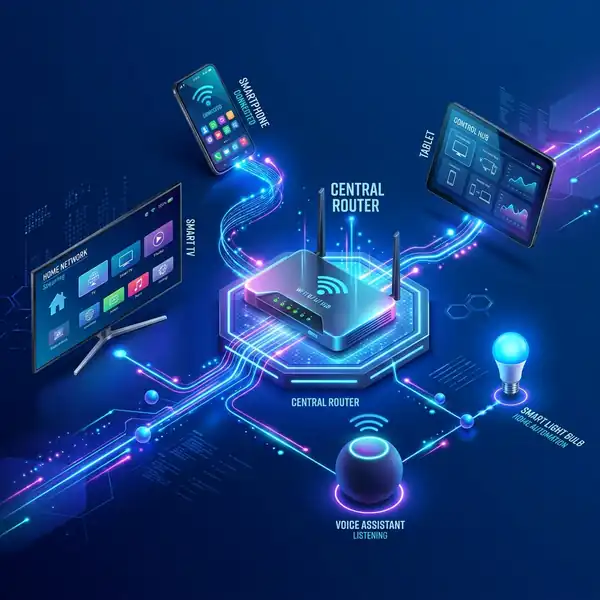
Sharing a printer and keyboard between two PCs can be efficiently accomplished using a KVM switcher.
Understanding KVM Switch Technology
A KVM (Keyboard, Video, Mouse) switch allows multiple computers to share a single set of peripherals. Devices can be switched manually or automatically depending on the model.
Choosing the Right KVM Switch
Select a KVM switch that supports the necessary connections, such as USB for keyboards and printers. Ensure it has compatibility with the operating systems used on the PCs.
Configuration of the KVM Switch
Connect both PCs to the KVM switch using appropriate cables; typically, USB and HDMI or DisplayPort are used. Power on the KVM switch to initialize the connected devices.
Network Printer Configuration
For a network printer, assign a static IP address through the printer's control panel or web interface. Use a subnet mask of 255.255.255.0 for local network compatibility.
Printer Sharing in Windows
On the primary PC, navigate to Control Panel > Devices and Printers. Right-click the printer, select 'Printer properties', and enable 'Share this printer'.
| Feature | KVM Switch Type A | KVM Switch Type B |
|---|---|---|
| USB Ports | 2 | 4 |
| Video Output | HDMI | DisplayPort |
| Max Resolution | 1920x1080 | 3840x2160 |
| Switching Method | Button | Hotkey |
DomineTec Tip: For optimal performance, ensure the KVM switch supports USB 3.0 for faster data transfer rates.
- Unbox the KVM switch and connect the USB and video cables from both PCs.
- Connect the keyboard and printer to the KVM switch.
- Power on the KVM switch and the connected PCs.
- Assign a static IP to the printer via its web interface.
- Enable printer sharing from the primary PC settings.
Benefits of Using a KVM Switch
Utilizing a KVM switch can significantly enhance workspace efficiency, particularly in environments where multiple computers are operated simultaneously. It eliminates the need for multiple sets of peripherals, reducing clutter and streamlining operations.
By allowing users to control multiple PCs from a single keyboard, monitor, and mouse, KVM switches facilitate quicker task switching. This is especially beneficial for professionals who need to monitor different systems or applications concurrently.
Moreover, KVM switches can also contribute to cost savings by minimizing the need for additional hardware. Organizations can allocate resources more effectively by leveraging existing peripherals across multiple systems.
Additionally, KVM switches can improve ergonomics by centralizing control of PCs, reducing strain from repetitive movements and cluttered workspaces, which may lead to increased productivity and comfort over prolonged usage.
Types of KVM Switches
KVM switches are available in various formats to suit different user needs and setups. The two primary categories are analog and digital KVM switches, each serving unique purposes and configurations.
Analog KVM switches are typically used in smaller setups, allowing connections through standard VGA, USB, or PS/2 ports. They are suitable for basic applications where high-resolution video or long-distance connectivity is not a priority.
In contrast, digital KVM switches support higher resolutions and can manage connections over IP networks. This type is ideal for larger environments, offering remote access capabilities and enhanced security features.
Furthermore, KVM switches can be categorized based on the number of ports they offer, ranging from simple two-port models to complex setups capable of managing dozens of computers simultaneously, catering to varying scale requirements.
Setting Up Multiple Monitors with KVM Switches
For users requiring multiple monitors, certain KVM switches are designed to support dual or even triple display configurations. This setup can significantly enhance multitasking capabilities and user productivity.
When selecting a KVM switch for multiple monitors, ensure it supports the desired video output standards, such as HDMI, DisplayPort, or DVI. Compatibility with the operating systems of the connected PCs is also crucial to maintain seamless functionality.
Installation typically involves connecting the monitors to the KVM switch and configuring the display settings on each PC. Users may need to adjust resolution settings and arrange display positions for optimal performance.
Additionally, software solutions may be available to enhance the multi-monitor experience, allowing for features such as mouse wrapping and seamless switching between displays, thereby optimizing the workflow across multiple screens.
Troubleshooting Common KVM Switch Issues
Users may encounter various issues when utilizing KVM switches, ranging from connectivity problems to display malfunctions. Understanding common troubleshooting techniques can help mitigate these challenges effectively.
One frequent issue is the lack of video output after switching. This could be due to loose cables or incorrect input selection on the monitor. Ensuring all connections are secure and the correct source is selected is the first step in resolving this issue.
Another common concern is keyboard or mouse lag. This can often be traced back to outdated drivers or compatibility problems between the devices and the KVM switch. Updating drivers and ensuring device compatibility can typically resolve such problems.
In cases where the KVM switch does not recognize connected devices, power cycling the switch and connected PCs may help. If issues persist, consulting the user manual for specific troubleshooting steps related to the model can provide further guidance.
Security Considerations for KVM Switches
Security is a vital aspect to consider when implementing KVM switches, especially in environments handling sensitive data. Ensuring that the KVM switch has robust security features is crucial to safeguarding information.
Many modern KVM switches offer encryption capabilities to protect data transmissions between connected devices. This is particularly important in situations where sensitive information may be accessed through shared peripherals.
Additionally, implementing physical security measures, such as restricting access to the KVM switch and connected devices, can further enhance security. This includes positioning the switch in a secure location and using locks where applicable.
Regular firmware updates are also necessary to protect against vulnerabilities. Manufacturers often release updates to address security issues, so keeping the KVM switch firmware up to date is essential for maintaining security integrity.
Integrating KVM Switches with Virtual Machines
As virtualization becomes increasingly prevalent, integrating KVM switches with virtual machines (VMs) offers a versatile solution for managing multiple systems. This configuration allows users to switch between physical and virtual environments seamlessly.
To set up a KVM switch with VMs, ensure compatibility between the KVM switch and the virtualization software used, such as VMware or VirtualBox. This compatibility can affect how input devices are recognized and function across different environments.
Users may also need to configure their virtualization software to properly route keyboard and mouse input. This often involves adjusting settings to ensure that input is directed to the appropriate VM when selected via the KVM switch.
Implementing KVM switches in virtualized environments can enhance performance and workflow efficiency, providing a centralized interface for managing both physical and virtual resources from one location.
Alternative Solutions for Peripheral Sharing
While KVM switches offer a robust solution for sharing peripherals, other alternatives exist that may better suit specific needs. USB switch hubs, for instance, can be used to share devices like printers and external drives without switching video output.
Network-based solutions, such as remote desktop software, allow users to access multiple PCs over a network without physical switching. This can be particularly useful for remote workers or in situations where physical access to machines is limited.
Additionally, software applications designed for peripheral sharing can provide a versatile solution for users who require access to devices across different systems without the need for a physical switch.
Ultimately, the choice of solution should depend on the specific requirements and workflows of the user, with KVM switches being one of several viable options for managing peripheral sharing effectively.
Advanced KVM Switch Features and Functionality
Modern KVM switches often come equipped with advanced features that enhance user experience and functionality. These features may include hotkey switching, which allows users to switch between connected PCs using keyboard shortcuts, improving efficiency during multitasking.
Additionally, some KVM switches support USB 3.0, offering faster data transfer rates for connected peripherals. This is particularly beneficial when using external hard drives or high-speed devices that require significant bandwidth.
Another notable feature is Audio Support, which enables users to share audio output across multiple computers through the KVM switch. This functionality is essential for users who require sound from different PCs for tasks such as video editing or gaming.
Lastly, many KVM switches offer On-Screen Display (OSD) menus, which provide users with an intuitive interface for managing connected devices and settings, making it easier to navigate between multiple systems.
Maintaining Your KVM Switch for Optimal Performance
Regular maintenance of your KVM switch is crucial for ensuring optimal performance and longevity. Dust accumulation can lead to overheating and connectivity issues, so it is advisable to periodically clean the switch using compressed air to remove any debris.
Additionally, checking and updating firmware is essential for maintaining compatibility with new devices and improving functionality. Manufacturers often release updates that address bugs or enhance features, so staying current is beneficial.
Physical connections should also be inspected routinely. Loose cables can cause intermittent connections or signal loss, so securing all connections and replacing any damaged cables is important for reliable operation.
Finally, keeping an eye on user manuals and manufacturer guidelines can provide insights into specific maintenance tasks and troubleshooting steps tailored to your KVM switch model.
Comparing KVM Switches with Other Peripheral Sharing Solutions
When evaluating KVM switches, it is helpful to compare them against other peripheral sharing solutions such as software-based remote desktop applications. While KVM switches provide direct hardware connections, remote desktop solutions rely on network connectivity, which may introduce latency.
Another alternative is using USB switches, which allow multiple computers to share USB peripherals. However, unlike KVM switches, USB switches do not facilitate sharing video and audio outputs, limiting their functionality for users needing comprehensive control over multiple systems.
Furthermore, the cost factor may influence the choice between KVM switches and other solutions. While KVM switches can be more expensive, they offer a seamless and immediate connection that software solutions cannot always replicate, especially for high-performance tasks.
Ultimately, the best choice will depend on specific use cases, such as the need for video output or the importance of latency. Understanding these differences can guide users in selecting the most appropriate solution for their peripheral sharing needs.
Understanding KVM Switch Compatibility
Compatibility is a crucial factor when selecting a KVM switch for your setup. Different KVM switches support various operating systems, including Windows, macOS, and Linux. It is essential to verify that the KVM switch can seamlessly operate with both PCs to avoid compatibility issues.
Additionally, the supported video resolutions and formats should be considered. Many KVM switches accommodate standard resolutions, but if your setup includes high-definition displays or multiple monitors, ensure that the switch can handle these specifications without compromising performance.
Moreover, pay attention to the types of connections supported by the KVM switch. Common connections include HDMI, DisplayPort, USB-C, and VGA. Having a KVM switch that supports the connection types your devices utilize is fundamental for a smooth integration.
Lastly, check for any required driver installations or software that may be needed to facilitate the KVM switch's functionality. Some models might require additional setup to ensure all features work as intended across different systems.
Optimizing Performance with KVM Switch Settings
To maximize the efficiency of your KVM switch, adjusting specific settings can significantly enhance performance. Start by configuring keyboard and mouse emulation settings, which are crucial for ensuring that both devices respond correctly when switching between PCs.
Additionally, consider the display settings, especially if you are using multiple monitors. Adjust the resolution and refresh rates to ensure optimal visual quality. Many KVM switches allow users to customize these settings for each connected PC, providing flexibility based on individual needs.
Network configuration can also impact performance, especially when using network printers. Ensure that both PCs are correctly configured to access the network printer through the KVM switch. This might involve setting static IP addresses or resolving any network conflicts that could hinder printing capabilities.
Finally, regularly check for firmware updates for your KVM switch. Manufacturers often release updates that improve compatibility, security, and performance. Keeping the firmware up-to-date ensures that the switch operates efficiently and integrates seamlessly with both PCs.
Implementing Hotkey Switching for Enhanced User Experience
Hotkey switching is a feature that significantly improves the usability of KVM switches, allowing users to toggle between connected computers effortlessly. By configuring specific keyboard shortcuts, users can switch control between systems without needing to reach for a physical button on the switch itself.
To implement hotkey switching, first consult the KVM switch's user manual for the default hotkey combinations. Most devices will allow users to customize these shortcuts, enabling a more personalized experience. It’s essential to note that some software applications may interfere with hotkey functionality, so testing is necessary to ensure compatibility.
Additionally, users should consider the layout and design of their keyboard when selecting hotkeys. For example, using a combination of the Alt key with a function key can prevent accidental switches during typing. Proper configuration can make the switching process seamless, enhancing productivity and reducing frustrations.
Regularly updating the firmware of the KVM switch can also enhance hotkey functionality. Manufacturers often release updates that improve performance or add new features, ensuring that users benefit from the latest advancements in KVM technology.
Integrating KVM Switches with Remote Access Solutions
Integrating a KVM switch with remote access solutions can offer significant advantages for users who need to manage multiple systems from various locations. This integration allows users to access and control their computers remotely while still leveraging the benefits of a KVM switch.
To set up remote access with a KVM switch, users can utilize software solutions such as TeamViewer or AnyDesk, paired with their hardware. This setup involves enabling remote desktop functionalities on the connected PCs while ensuring the KVM switch is appropriately configured to allow seamless access.
Security is a critical concern in remote access scenarios. Users should ensure that strong passwords and two-factor authentication are employed to protect their systems. Additionally, keeping the KVM switch firmware and remote access software updated is vital for safeguarding against vulnerabilities.
This integration not only increases flexibility but also allows for quick troubleshooting and maintenance tasks without needing physical access to each PC. It streamlines workflows, especially in environments where remote operations are essential, such as in IT support or managed service provider settings.
Frequently Asked Questions
Can a KVM switch share a printer?
Yes, a KVM switch can share a printer if it has the appropriate USB ports and switching capabilities.
What is the maximum number of PCs for a KVM switch?
Most KVM switches support 2 to 16 PCs, depending on the model specifications.
Is a KVM switch compatible with all operating systems?
Compatibility generally includes Windows, macOS, and Linux, but specific models may vary.
How to switch between PCs using a KVM switch?
Switching can be done via a physical button on the switch or using keyboard hotkeys, depending on the model.
Are there any limitations to using a KVM switch?
Some limitations include potential latency issues and reduced video quality with very high resolutions.