How to Share One Keyboard and Mouse Between Two PCs Using KVM
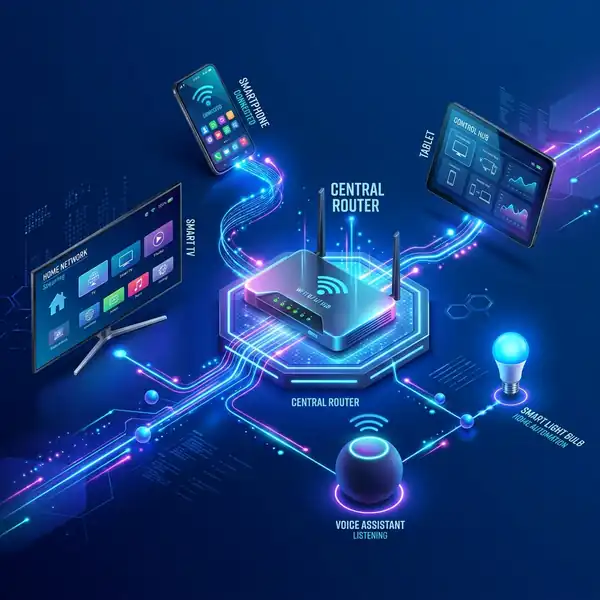
To share one keyboard and mouse between two PCs, a KVM switch is utilized, enabling seamless control and switching.
What is a KVM Switch?
A KVM (Keyboard, Video, Mouse) switch allows multiple computers to be controlled from a single keyboard, monitor, and mouse setup. It operates by connecting the peripherals to the switch and then linking the switch to each PC via USB and HDMI or DisplayPort cables.
Types of KVM Switches
There are two main types of KVM switches: hardware-based and software-based. Hardware KVMs require physical connections, while software KVMs operate over the network, often utilizing remote desktop protocols.
Electrical Specifications
KVM switches typically require a power supply between 5V to 12V, depending on the model. Ensure that the total current drawn does not exceed the rated power of the switch, usually around 500mA.
Connection Setup
Connect the keyboard and mouse to the KVM switch's USB ports, and connect the display output (HDMI or DisplayPort) from each PC to the KVM. Power the KVM switch and ensure that all devices are properly connected before operation.
Switching Between PCs
Switching between PCs is commonly done via a physical button on the KVM or a keyboard shortcut. Ensure that the KVM supports hotkey functions for efficient switching without needing to manually press buttons.
| KVM Type | Connection | Maximum PCs | Price Range |
|---|---|---|---|
| Hardware | USB/HDMI | 4-16 | $50 - $300 |
| Software | Network | Unlimited | $0 - $100 |
DomineTec Tip: Consider a KVM with dual monitor support for enhanced productivity on multi-display setups.
- Purchase a KVM switch compatible with your PCs.
- Connect the keyboard and mouse to the KVM switch.
- Link each PC to the KVM using HDMI/DisplayPort and USB cables.
- Power on the KVM switch.
- Switch between PCs using the KVM button or keyboard shortcuts.
Benefits of Using a KVM Switch
Utilizing a KVM switch offers numerous advantages for users managing multiple computers. One of the primary benefits is the simplification of workspace, allowing users to operate two or more PCs with a single keyboard and mouse setup.
This consolidation not only saves physical space but also reduces cable clutter, contributing to a more organized and efficient working environment. Additionally, the cost-effectiveness of a KVM switch can lead to significant savings for businesses and individuals alike.
Another advantage is the ease of switching between systems, enhancing productivity for users who frequently alternate between PCs. This seamless transition minimizes downtime and allows for a more fluid workflow.
Furthermore, KVM switches can improve ergonomics by allowing users to maintain a consistent posture while switching between devices. This can reduce strain and discomfort associated with using multiple input devices.
Troubleshooting Common Issues with KVM Switches
While setting up a KVM switch is generally straightforward, users may encounter some common issues. One frequent problem is connectivity, where devices fail to recognize the switch or peripherals.
To address this, ensure that all cables are securely connected and that the switch is powered on. Checking for compatibility between the KVM switch and connected devices can also help resolve recognition issues.
Another issue might involve resolution settings, where the display does not show correctly after switching. Users should verify that the monitor's resolution is supported by the KVM switch and adjust settings accordingly.
Additionally, if peripherals are not functioning as expected, it may be necessary to update drivers or firmware for the KVM switch. Regular maintenance and updates can prevent many operational issues.
Advanced Features of Modern KVM Switches
Modern KVM switches often incorporate advanced features that enhance usability and functionality. One notable feature is the support for multiple video formats, including HDMI, DisplayPort, and VGA.
This versatility allows users to connect various types of monitors and ensures compatibility with a wide range of devices. Moreover, many KVM switches now support high-definition resolutions, which enhances the visual experience.
Another advanced feature is the inclusion of USB hub capabilities, enabling users to connect additional peripherals such as printers and external drives. This can further streamline workflows and reduce the need for multiple connections.
Many units also offer hotkey switching, allowing users to switch between connected PCs using keyboard shortcuts. This feature provides a fast and efficient way to manage multiple systems without needing to physically interact with the switch.
Security Considerations When Using KVM Switches
Security is a critical aspect to consider when using a KVM switch, especially in environments handling sensitive data. Ensuring that the KVM switch has encryption capabilities can protect the information being transmitted between devices.
Some modern KVM switches include additional security features, such as user authentication and access control. These measures help prevent unauthorized access to connected systems, safeguarding confidential information.
Regular firmware updates are essential to maintaining security, as they can address vulnerabilities and enhance protection against potential threats. Users should regularly check for updates from the manufacturer.
Moreover, considering physical security is vital. Placing the KVM switch in a secure location can help prevent tampering or unauthorized access, further reinforcing data protection measures.
Key Features to Look For in a KVM Switch
When selecting a KVM switch, several key features should be considered to ensure the device meets user needs. First, the number of ports is crucial, as it determines how many PCs can be connected simultaneously.
Additionally, users should evaluate video compatibility, ensuring the switch supports the desired resolution and video formats for their monitors. Features such as audio support may also be important for users who require sound output.
USB support is another critical factor, as it allows for the connection of various peripherals. Users should check if the KVM switch supports USB 2.0 or USB 3.0, depending on their data transfer needs.
Finally, consider the ease of use and installation process. A user-friendly interface and straightforward setup can significantly enhance the overall experience with the KVM switch.
Integrating a KVM Switch into a Home Office Setup
Integrating a KVM switch into a home office setup can greatly enhance productivity and efficiency. The switch allows users to seamlessly transition between work and personal computers without the hassle of multiple keyboards and mice.
When setting up the KVM switch, it is vital to organize the workspace to optimize ergonomics. Proper placement of the monitor and peripherals can reduce strain and promote comfortable use throughout the day.
Using a KVM switch can also facilitate collaboration in home office environments. Users can easily switch control to a partner's PC during joint projects, streamlining the flow of information and processes.
Furthermore, the reduced cable clutter from using a KVM switch can contribute to a tidy and professional appearance, which is particularly beneficial for video conferencing and virtual meetings.
Future Trends in KVM Technology
As technology evolves, so do KVM switches, with emerging trends that enhance functionality and usability. One significant trend is the increasing integration of wireless technology, allowing users to connect devices without physical cables.
This development not only reduces clutter but also offers greater flexibility in positioning devices within a workspace. Wireless KVM switches are becoming more prevalent, catering to modern, minimalist office setups.
Another trend is the rise of software-based KVM solutions, which leverage network connections to manage multiple computers. These solutions can be particularly appealing for users who prioritize remote access and control.
Lastly, the incorporation of artificial intelligence and automation features is on the horizon, promising to further streamline the switching process and improve user experience in managing multiple devices.
Performance Optimization Techniques for KVM Switches
To ensure optimal performance when sharing a keyboard and mouse between two PCs using a KVM switch, it is essential to consider various factors that can affect responsiveness and functionality. One primary consideration is the quality of the cables used for connections. High-quality, shielded cables can significantly reduce latency and improve signal integrity.
Additionally, the resolution and refresh rate settings of the connected monitors must be compatible with the KVM switch's specifications. Using resolutions that exceed the switch's capabilities can lead to degraded performance or image artifacts. It is vital to check the maximum supported resolutions for both video input and output.
Another technique to enhance performance is to regularly update the firmware of the KVM switch. Manufacturers often release firmware updates to address bugs, improve compatibility, and enhance performance. Ensuring your KVM switch runs the latest firmware can help maintain smooth operation between connected devices.
Lastly, consider the placement of the KVM switch in relation to your PCs. Keeping the KVM switch centrally located can reduce cable lengths, minimizing potential signal degradation and interference from other electronic devices.
Using KVM Switches for Gaming: Considerations and Best Practices
Using a KVM switch for gaming can introduce both benefits and challenges. Gamers often prioritize low latency and high refresh rates, making it crucial to select a KVM switch designed specifically for high-performance applications. Look for switches that support high bandwidth and low input lag to ensure an optimal gaming experience.
It is also important to consider the type of input devices used. A gaming mouse and keyboard with advanced features, such as programmable buttons and high polling rates, may not perform optimally when connected through a standard KVM switch. Ensure that the switch can handle these advanced peripherals without compromising their performance.
Additionally, gamers should be mindful of the potential impact of switching between systems during gameplay. Some KVM switches may introduce a brief delay when switching, which could disrupt gameplay. Testing the switch in a gaming scenario before relying on it for competitive play is advisable.
Finally, consider creating dedicated profiles for different gaming setups on each PC to streamline the experience. This can include customized settings for graphics, control configurations, and other preferences that can be quickly accessed through the KVM switch.
Maintaining Your KVM Switch: Best Practices for Longevity
Regular maintenance of a KVM switch is essential for ensuring its longevity and consistent performance. One of the primary best practices is to keep the switch clean and dust-free. Dust buildup can lead to overheating and connectivity issues, so periodic cleaning with a soft cloth can help mitigate these risks.
Additionally, it is crucial to check all connections regularly to ensure they are secure. Loose or damaged cables can lead to intermittent connectivity problems that can disrupt workflow. Regularly inspecting and replacing any worn cables can prevent these issues from arising.
Another important aspect of KVM switch maintenance is monitoring the environmental conditions in which the device operates. Excessive heat can impact performance and longevity, so ensuring proper ventilation and avoiding direct sunlight can help maintain optimal operating conditions.
Lastly, keeping track of the warranty and support options available for your KVM switch can be beneficial. In the event of a malfunction, knowing the terms of your warranty can facilitate repairs or replacements, ensuring minimal downtime in your setup.
Configuring Hotkeys for Seamless Switching
Configuring hotkeys is an effective method for enhancing the user experience when operating a KVM switch. Hotkeys allow users to switch between connected PCs without the need to physically press the KVM switch button. This feature can significantly streamline workflows, especially in multi-tasking environments where time is of the essence.
Most modern KVM switches support customizable hotkeys that can be easily configured through the device's settings interface. Users can typically access this interface via a dedicated software application or through on-screen menus. Once in the settings, users can assign specific key combinations that suit their preferences, allowing for quick and intuitive transitions between systems.
It is essential to consider keyboard layout and compatibility when configuring hotkeys, as some key combinations may conflict with existing shortcuts in applications or operating systems. Testing different configurations can help identify the most efficient setup that minimizes interruptions during use. Additionally, maintaining a record of assigned hotkeys can aid in troubleshooting and adjustments in the future.
For users who frequently switch between PCs, employing hotkeys can significantly enhance productivity. This feature allows for a fluid work environment, where users can focus on tasks without the distraction of manually switching connections. Furthermore, the convenience of hotkeys can reduce wear and tear on both the KVM switch and the connected devices.
Enhancing User Experience with On-Screen Display (OSD) Features
On-Screen Display (OSD) features provide an additional layer of functionality to KVM switches, enhancing the overall user experience. OSD menus typically display information about the current active PC, available connections, and options for switching between systems. This visual feedback can make it easier to navigate complex setups with multiple devices.
Many KVM switches with OSD capabilities allow users to customize the display settings, enabling adjustments to font size, color schemes, and layout. This personalization ensures that users can optimize visibility according to their preferences and environmental conditions. An effective OSD can also help minimize confusion when multiple devices are connected, as it clearly indicates which PC is currently active.
In addition to basic switching functions, OSD features can include advanced options such as port labeling, which allows users to assign names to each connected device. This can be particularly useful in professional environments where multiple systems are in use, as it simplifies identification and reduces the chance of accidental switching. Furthermore, some OSD implementations provide real-time performance monitoring, offering insights into system health and network activity.
Ultimately, integrating OSD features into a KVM switch can significantly improve usability and efficiency. The enhanced visibility and customization options empower users to manage their devices more effectively, leading to a smoother and more organized operational experience. As technology advances, the incorporation of OSD capabilities is likely to become a standard expectation in KVM switch design.
Frequently Asked Questions
What is the maximum distance for KVM switch connections?
The maximum distance for USB connections is typically limited to 5 meters without signal degradation, while HDMI can reach up to 15 meters with active cables.
Can KVM switches work with different operating systems?
Yes, most KVM switches are compatible with various operating systems, including Windows, macOS, and Linux, provided they support standard USB and display protocols.
Are KVM switches hot-swappable?
Many KVM switches support hot-swapping, allowing devices to be connected or disconnected without powering down the switch. Check the specific model's manual for details.
Do KVM switches support audio switching?
Some KVM switches include audio support, allowing users to switch audio output along with video and input devices. This feature is particularly useful for multimedia setups.
How to troubleshoot connectivity issues with KVM switches?
Begin by verifying all cable connections and ensuring the KVM switch is powered. If issues persist, testing with alternate cables or devices may help isolate the problem.




