How to Setup and Configure Unreal Engine 5 for Virtual Reality (VR) Game Development

How to Setup and Configure Unreal Engine 5 for Virtual Reality (VR) Game Development
Unreal Engine 5 has revolutionized the way developers approach game creation, particularly in the realm of Virtual Reality (VR). Setting up this powerful engine for VR development can seem daunting, but with the right steps, it becomes an exciting journey.
Getting Started with Unreal Engine 5
The first step in VR game development is downloading and installing Unreal Engine 5. This can be accomplished via the Epic Games Launcher, which provides a user-friendly interface for installation.
After installation, opening the launcher will reveal the option to create a new project. Selecting the “Games” category followed by the “Virtual Reality” template simplifies the initial setup.
Choosing the Right VR Hardware
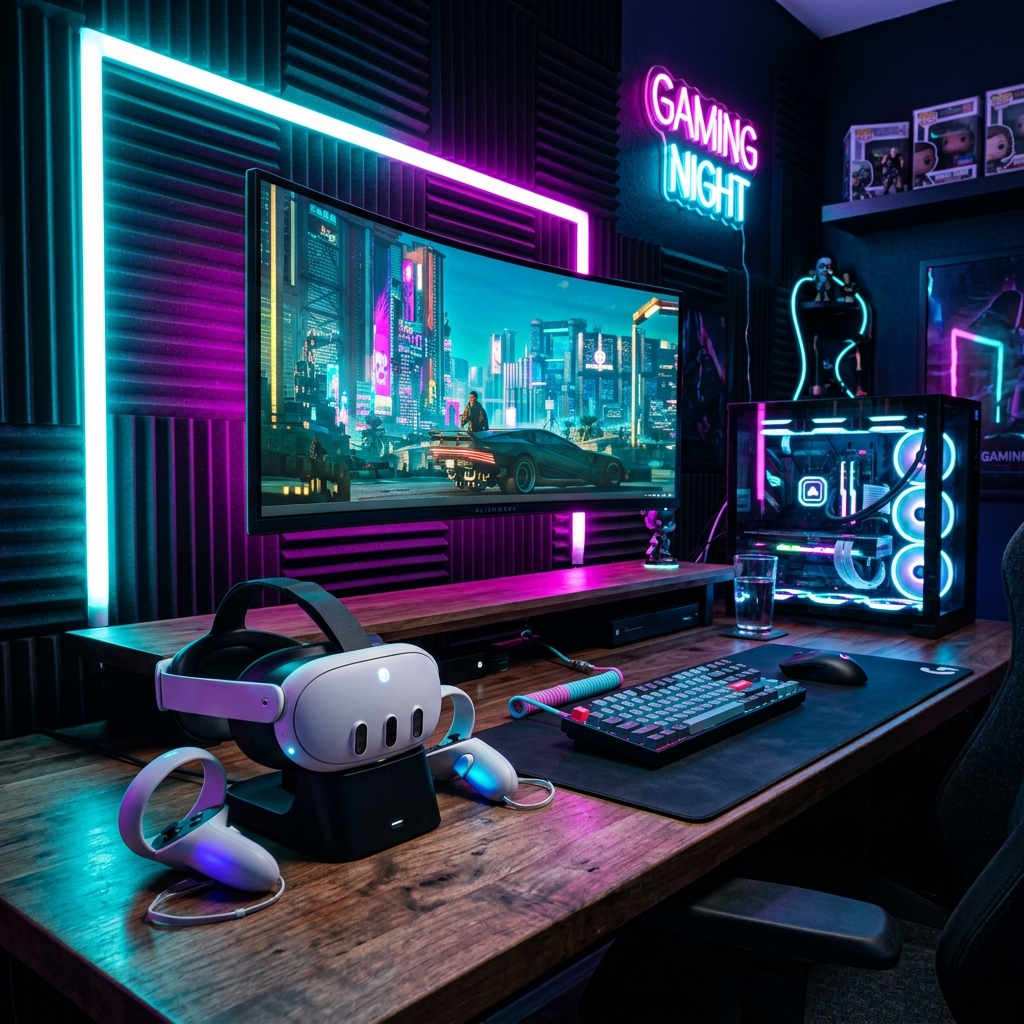
Selecting the appropriate VR headset is crucial for a smooth development experience. Each headset comes with unique specifications that may affect compatibility and performance.
| VR Headset | Resolution | Refresh Rate | Field of View | Price |
|---|---|---|---|---|
| Meta Quest 3 | 2064 x 2208 per eye | 120Hz | 110 degrees | Check Price |
| Valve Index | 1440 x 1600 per eye | 120Hz | 130 degrees | $999 |
| HTC Vive Pro 2 | 2448 x 2448 per eye | 120Hz | 120 degrees | $799 |
| Pimax 8K X | 3840 x 2160 per eye | 75Hz | 200 degrees | $1299 |
| Oculus Rift S | 2560 x 1440 | 80Hz | 110 degrees | $399 |
Configuring Unreal Engine 5 for VR
Once the VR headset is selected, ensuring the proper configuration within Unreal Engine 5 is essential. Begin by enabling the necessary VR plugins within the engine.
Navigate to the “Edit” menu, select “Plugins”, and then search for the VR-related plugins. Enabling the “OpenXR” and the specific plugin for the chosen headset will lay the groundwork for VR development.
Creating Your First VR Project
With the plugins activated, the next step involves setting up the project settings. Access the “Project Settings” and ensure that the “XR Plugin” settings align with the VR hardware.
Adjusting the “Frame Rate” and enabling “V-Sync” can enhance the overall performance, providing a smoother user experience. Testing the project with the headset connected allows for immediate feedback and adjustments.

Designing for VR
When designing for VR, special considerations must be taken into account. The scale of objects and environments should be adjusted to match the real world.
Moreover, user interactions should be intuitive. Utilizing the “VR Template” provided by Unreal Engine accelerates development, allowing for pre-built interactions and controls.

Testing and Optimization
Testing is a critical phase in VR development. Regularly testing the project with the VR headset helps identify performance issues and ensures a seamless experience.
Optimization techniques such as reducing polygon counts and utilizing Level of Detail (LOD) settings can significantly enhance performance. Profiling tools within Unreal Engine 5 assist in monitoring performance metrics.
Conclusion
Setting up Unreal Engine 5 for VR development opens up a world of possibilities. With the right tools and configurations, the creation of immersive VR experiences becomes an achievable goal.
Frequently Asked Questions
What VR headsets are compatible with Unreal Engine 5?
Unreal Engine 5 supports various VR headsets, including Meta Quest 3, Valve Index, HTC Vive Pro 2, and more. Ensuring the right plugins are enabled is key for compatibility.
How do I optimize my VR project for performance?
Optimizing a VR project involves reducing polygon counts, using Level of Detail (LOD) settings, and regularly profiling performance metrics within Unreal Engine 5.
Can I use Unreal Engine 5 for non-VR game development?
Yes, Unreal Engine 5 is versatile and can be used for both VR and traditional game development, offering a wide range of features suitable for various genres.
What is the importance of frame rate in VR?
Frame rate is crucial in VR as it impacts the smoothness of the experience. A higher frame rate reduces motion sickness and enhances immersion.
Is there a community for Unreal Engine 5 VR developers?
Yes, there is a vibrant community of Unreal Engine developers. Online forums, social media groups, and official Epic Games resources provide support and collaboration opportunities.
Understanding the Basics of Unreal Engine 5
Unreal Engine 5 is a powerful game development platform that offers advanced features for creating immersive experiences. Familiarity with its interface and tools is essential for successful VR game development.
Key features like Nanite and Lumen enhance graphical fidelity and lighting, making them particularly beneficial for VR applications. These innovations allow for rich, detailed environments without compromising performance.
Before diving into VR, it's crucial to grasp core concepts such as actors, blueprints, and materials. Mastering these elements will streamline the development process and improve the overall quality of the game.
Choosing the Right VR Hardware
Selecting the appropriate VR headset is critical for development and user experience. Popular options include the Oculus Quest 2, Valve Index, and HTC Vive Pro, each offering unique capabilities and performance levels.
Ensure that the selected headset meets the technical specifications required for Unreal Engine 5. Compatibility with your development setup will significantly influence project success.
Additionally, consider the tracking technology used by each headset, as it impacts the precision and immersion of the VR experience. Opt for a headset that aligns with the intended gameplay mechanics and audience expectations.
Setting Up Unreal Engine 5 for VR Development
Installation of Unreal Engine 5 can be done through the Epic Games Launcher, which provides an easy-to-use interface. After installation, enable the VR plugins necessary for your selected headset within the project settings.
Configuration settings must be adjusted to optimize performance for VR. This includes setting the appropriate frame rate, resolution, and input settings tailored to the VR experience.
Testing the project frequently during setup ensures that all components are functioning correctly. Regular checks can help identify issues early in the development process.
Designing VR-Friendly User Interfaces
Creating user interfaces for VR presents unique challenges that differ from traditional game development. It is essential to design interfaces that are intuitive and easily navigable within a 3D space.
Utilizing Unreal Engine 5's UMG (Unreal Motion Graphics) allows for the creation of immersive HUDs and menus. Keep interface elements within the user's field of view to enhance accessibility and engagement.
Moreover, consider implementing gaze-based interaction and hand tracking for a more natural user experience. This approach can significantly increase player immersion and satisfaction.
Implementing Optimized Graphics for VR
Performance optimization is crucial in VR, as it directly affects the user experience. Unreal Engine 5 offers tools to optimize graphics without sacrificing quality, such as LOD (Level of Detail) management.
Utilizing Nanite technology can streamline asset management and improve loading times, which is vital for maintaining a smooth VR experience. Reduced load times enhance immersion and player retention.
Additionally, adjusting post-processing settings can improve visual fidelity while maintaining performance. Tailoring these settings to the specific needs of VR will yield the best results.
Testing and Debugging in VR
Thorough testing is essential to ensure a smooth user experience in VR. Utilize Unreal Engine 5's built-in testing tools to identify and resolve issues in real-time.
Conduct playtests using the target VR headset to gather feedback on performance, comfort, and usability. This feedback is invaluable for making necessary adjustments before the final release.
Implementing analytics tools can help track user interactions and behaviors, providing insights into areas for improvement. Continuous testing and iteration are key to delivering a polished VR experience.
Publishing Your VR Game
Once development is complete, the next step is to publish the VR game across appropriate platforms. Common platforms for VR games include SteamVR and the Oculus Store, each with specific submission guidelines.
Adhering to the platform's requirements ensures a smooth submission process and maximizes visibility. Proper marketing strategies should also be considered to reach the target audience effectively.
Lastly, maintain an update schedule post-launch to address any issues that may arise and to introduce new content. Engaging with the community can foster loyalty and enhance the game's longevity.
How to Setup and Configure Unreal Engine 5 for Virtual Reality (VR) Game Development
Unreal Engine 5 (UE5) offers powerful tools for creating immersive virtual reality (VR) experiences. Proper setup and configuration are essential for optimizing performance and ensuring a seamless user experience.
System Requirements for Unreal Engine 5
Before diving into the setup, ensure that the development machine meets the necessary system requirements. A capable GPU is particularly important for VR development.
| Component | Recommended | Minimum |
|---|---|---|
| OS | Windows 10 64-bit | Windows 10 64-bit |
| Processor | Quad-core Intel or AMD | Dual-core Intel or AMD |
| Memory | 32 GB RAM | 8 GB RAM |
| Graphics Card | NVIDIA GeForce RTX 2060 | NVIDIA GeForce GTX 770 |
| DirectX | Version 12 | Version 11 |
Installing Unreal Engine 5
Download the Epic Games Launcher from the Epic Games website. After installation, open the launcher and navigate to the Library section.
- Click on the “+” icon to add a new engine version.
- Select Unreal Engine 5 from the dropdown and click “Install.”
Ensure that the installation path has enough storage space for assets and projects. Once installed, launch Unreal Engine 5 from the Epic Games Launcher.
Setting Up a New VR Project
Creating a new project tailored for VR is straightforward in UE5. Start by selecting the “Games” category when prompted for a new project type.
- Choose the “Virtual Reality” template for a pre-configured setup.
- Specify a project name and location, then click “Create.”
The template includes essential VR components like motion controllers and VR pawn, allowing for quick project initiation. Familiarize with the included assets and starter content.
Configuring VR Hardware
VR development requires specific hardware for testing. Oculus Quest, HTC Vive, and Valve Index are popular VR headsets that can be used with UE5.
Oculus Quest Setup
To develop for Oculus Quest, install the Oculus app on the development PC. Connect the headset and enable Developer Mode via the Oculus app settings.
- Set up the Oculus Link if using a PC connection.
- Ensure that the Oculus Integration package is installed in Unreal Engine.
HTC Vive Setup
For HTC Vive, install Steam and SteamVR. Ensure that the headset is properly configured and connected to the PC before launching Unreal Engine.
- Install the SteamVR plugin found under the Plugins menu in UE5.
- Activate the plugin and restart Unreal Engine.
Configuring Project Settings for VR
Access the Project Settings menu by clicking on “Edit” in the toolbar. Under the Engine section, select “Input” to configure VR input settings.
- Define action mappings for VR interactions, such as grabbing or teleporting.
- Ensure that motion controller inputs are mapped correctly.
Next, navigate to the “Rendering” section and enable “Instanced Stereo” for performance optimization. This feature reduces the rendering workload by sharing resources between the left and right eye.
Enabling VR Plugins
Several plugins enhance VR functionality within Unreal Engine. Activate relevant plugins through the “Plugins” menu.
- Enable the “Oculus VR” plugin for Oculus headsets.
- Enable the “SteamVR” plugin for HTC Vive and Valve Index.
- Consider activating the “OpenXR” plugin for broader compatibility across various VR devices.
Testing VR in Unreal Engine
Testing the VR project requires connecting the headset and launching the game from the editor. The Play button in the toolbar allows for VR preview mode.
- To use the VR preview, ensure the headset is powered on and recognized by the PC.
- Monitor performance metrics to ensure smooth gameplay during testing.
Optimizing Performance for VR
Performance optimization is crucial in VR to maintain high frame rates. Ensure that the project settings are adjusted to maximize performance.
- Reduce the number of draw calls by merging static meshes and using simpler materials.
- Use Level of Detail (LOD) settings to manage asset complexity based on distance from the camera.
Consider using baked lighting instead of dynamic lighting to reduce computational load. This method enhances performance while improving visual fidelity.
Integrating VR Interactions
Creating interactive elements in VR enhances immersion. Use Blueprints to add functionality to VR objects and interactions.
- Create grab and throw mechanics using physics components.
- Implement teleportation systems for easy navigation within the VR environment.
Publishing VR Projects
Once the project is complete and thoroughly tested, it is time to publish. Unreal Engine allows for packaging projects across various platforms.
- Select the appropriate platform, such as Oculus or SteamVR, in the Project Settings.
- Use the “File” menu to access the “Package Project” option and follow the prompts.
Ensure all VR requirements and guidelines are met for the chosen platform to facilitate a smooth publishing process. Review the documentation provided by the platform for specific submission criteria.
Conclusion
Setting up Unreal Engine 5 for VR game development is a multi-step process that requires careful attention to detail. Following the outlined steps ensures a well-configured environment for creating engaging VR experiences.
With the right hardware, settings, and optimization techniques, developers can focus on crafting immersive worlds that captivate players. Continuous testing and iteration will lead to successful VR projects that can stand out in the burgeoning market.