How to Configure Switch Port Profiles and VLANs on UniFi Controller
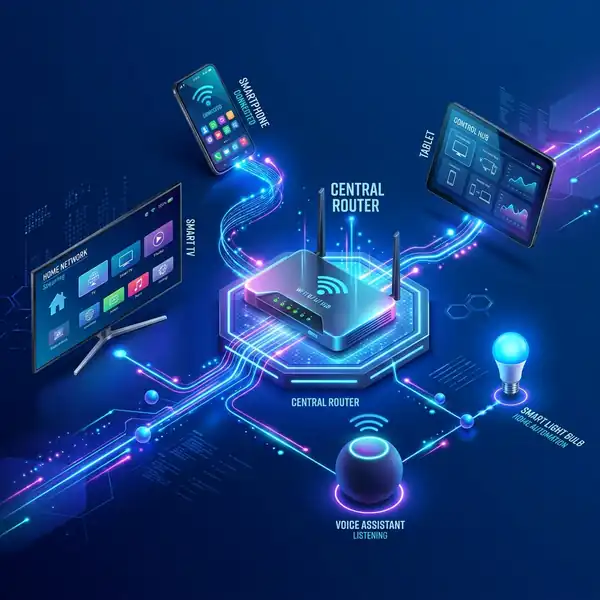
Configuring switch port profiles and VLANs on the UniFi Controller enhances network management and segmentation.
Understanding Switch Port Profiles
Switch port profiles define how individual ports on a UniFi switch behave. This includes settings for VLANs, PoE, and port speed.
Creating a Switch Port Profile
Access the UniFi Controller and navigate to the "Devices" section. Select the switch requiring configuration.
- Click on the "Ports" tab.
- Select the port to configure and click "Edit".
- Choose "Switch Port Profile".
- Set specific VLAN and PoE settings as required.
- Click "Apply Changes" to save settings.
Configuring VLANs in UniFi
VLANs (Virtual Local Area Networks) segment network traffic, enhancing security and performance. Each VLAN is assigned a unique ID.
To configure VLANs:
- Navigate to the "Settings" section.
- Select "Networks".
- Click "Create New Network".
- Define a name, select "VLAN Only", and assign a VLAN ID.
- Save the new network configuration.
Switch Port Profile Configuration Variables
| Variable | Description | Default Value |
|---|---|---|
| VLAN ID | Identifier for the VLAN assigned to the port. | 1 (Default VLAN) |
| PoE Mode | Power over Ethernet setting for the port. | Off |
| Port Profile | Profile type assigned to the port. | Default Profile |
Physical Properties of UniFi Switches
UniFi switches feature various physical attributes critical for deployment. These include port count, power consumption, and cooling methods.

Power consumption can vary based on PoE settings and active devices. Ensure switches are placed in well-ventilated areas to prevent overheating.
Advanced Configurations
DomineTec Tip: Consider enabling VLAN tagging for more complex network architectures that require traffic separation.
Utilizing multiple VLANs can enhance security by isolating sensitive traffic from the rest of the network.
Integrating Switch Port Profiles with Network Security Policies
Network security is paramount in any organizational setup, and integrating switch port profiles with security policies enhances overall protection. By establishing security parameters within the switch port profiles, administrators can restrict access and define guidelines for network traffic.
UniFi allows for the configuration of security settings such as DHCP snooping, dynamic ARP inspection, and port security directly within the switch port profiles. These features can mitigate risks associated with unauthorized devices and potential attacks on the network.
Assigning specific VLANs to switch port profiles can further enforce security protocols by segregating sensitive data traffic from standard user traffic. This segregation ensures that only authorized devices can access critical resources, thus maintaining data integrity.
Regular audits and updates of security policies within switch port profiles are essential to adapt to evolving threats. This proactive approach ensures that the network remains resilient against new vulnerabilities and maintains compliance with industry standards.
Monitoring and Analyzing Switch Performance
Monitoring switch performance is crucial for maintaining optimal network functionality. The UniFi Controller provides detailed analytics and reporting tools that allow network administrators to assess the performance of switch ports and VLANs effectively.
Real-time statistics on port utilization, error rates, and traffic load can be accessed through the UniFi interface. These metrics help identify bottlenecks and performance issues, allowing for timely interventions to improve network efficiency.
Additionally, the controller offers historical data analysis, which helps in understanding traffic patterns and trends over time. This information can be valuable for capacity planning and optimizing network resources to meet future demands.
Alerts and notifications can be configured within the UniFi Controller to keep administrators informed of any performance degradation or anomalies detected in switch operations. This proactive monitoring enables quick responses to potential issues, minimizing downtime.
Implementing Quality of Service (QoS) in Switch Port Profiles
Quality of Service (QoS) is essential for prioritizing network traffic, particularly in environments with critical applications such as VoIP and video conferencing. Configuring QoS settings within switch port profiles ensures that high-priority traffic receives the necessary bandwidth and low latency.
UniFi provides options for setting bandwidth limits and prioritizing traffic types through Differentiated Services Code Point (DSCP) marking. This allows network administrators to define which types of traffic should be prioritized based on specific business needs.
Implementing QoS involves analyzing the types of traffic present in the network and determining appropriate settings for each switch port profile. Continuous monitoring of QoS performance is necessary to ensure that traffic management objectives are being met.
Feedback mechanisms can be established to refine QoS settings over time based on real-world usage and performance data. This iterative approach allows for dynamic adjustments that align with changing network demands and application priorities.
Utilizing Link Aggregation for Enhanced Bandwidth
Link aggregation is a technique used to combine multiple network connections into a single logical link to enhance bandwidth and provide redundancy. Configuring link aggregation on UniFi switches can improve overall network performance and resilience.
UniFi supports Link Aggregation Control Protocol (LACP), which automatically manages the aggregation of ports. This feature ensures that traffic is balanced across the aggregated links, maximizing throughput and minimizing the risk of single points of failure.
To implement link aggregation, specific switch ports must be grouped together and configured within the UniFi Controller. Proper configuration is essential to ensure compatibility with other network devices and to avoid misconfigurations that could lead to network issues.
Monitoring link aggregation performance is vital to assess the effectiveness of the setup. Regular checks can help identify any imbalances in traffic distribution or potential failures in the aggregated links, allowing for timely maintenance or adjustments.
Configuring Spanning Tree Protocol for Network Stability
Spanning Tree Protocol (STP) is critical for preventing loops in network topologies, especially in complex setups with multiple switches. Proper configuration of STP on UniFi switches can enhance network stability and reliability.
UniFi supports Rapid Spanning Tree Protocol (RSTP), which offers faster convergence times compared to traditional STP. By enabling RSTP, network administrators can significantly reduce downtime during topology changes or device failures.
Configuring STP parameters such as bridge priority and port costs within switch port profiles helps in defining the network topology. This configuration enables the selection of the optimal root bridge and the most efficient paths for data traffic.
Regularly reviewing and updating STP configurations ensures that the network adapts to changes in topology and continues to operate efficiently. This practice is crucial for maintaining overall network health and preventing disruptions in service.
Creating and Managing Multiple VLANs for Enhanced Segmentation
Creating and managing multiple VLANs is essential for enhancing network segmentation and improving security. UniFi provides intuitive tools for setting up and managing VLANs, allowing for effective traffic separation based on organizational needs.
Each VLAN can be assigned a unique identifier and specific switch port profiles to ensure that only authorized devices access certain segments of the network. This separation minimizes the risk of data breaches and allows for targeted security measures.
In addition to security benefits, VLANs can improve network performance by reducing broadcast traffic. By confining broadcast domains to individual VLANs, overall network efficiency is enhanced, leading to a smoother user experience.
Regular maintenance of VLAN configurations is necessary to accommodate changes in organizational structure or network requirements. This ongoing management ensures that network segmentation remains effective and aligned with current business operations.
Additional Tuning and Diagnostics
Advanced tuning of switch port profiles on UniFi requires a thorough understanding of both the hardware and software capabilities of the devices in use. This includes adjusting parameters such as port speed, duplex settings, and auto-negotiation capabilities to optimize performance based on network demands.
Diagnostic tools built into the UniFi Controller can assist in identifying issues related to switch performance. Features such as packet loss monitoring, latency tracking, and error rate reporting provide valuable insights that can help in fine-tuning configurations for specific applications.
Implementing SNMP (Simple Network Management Protocol) can further enhance diagnostics by enabling real-time monitoring and alerting for network anomalies. This allows network administrators to proactively address issues before they escalate into major disruptions.
Utilizing network topology visualization tools available in the UniFi Controller can also aid in understanding the flow of traffic through the switch. These tools help in pinpointing bottlenecks and ensuring that the network architecture aligns with performance expectations.
Implementing VLAN Trunking for Multi-Network Environments
VLAN trunking is essential for environments requiring multiple VLANs to traverse a single physical link. Configuring trunk ports on UniFi switches allows for the transmission of traffic from various VLANs, optimizing bandwidth utilization while maintaining network segmentation.
To establish trunk ports, it is crucial to define acceptable VLAN IDs on the switch configuration. This process involves specifying which VLANs can pass through the trunk link, ensuring that only authorized traffic is permitted, thereby enhancing security and efficiency.
Properly configured trunk ports also facilitate communication between different VLANs through inter-VLAN routing. This capability allows devices on separate VLANs to communicate without compromising the segregation established by VLANs.
Monitoring the performance of trunked links is equally important, as it provides insights into traffic patterns and potential congestion points. Utilizing the UniFi Controller’s monitoring tools can help in adjusting VLAN configurations based on usage trends and performance metrics.
Optimizing Power over Ethernet (PoE) Settings
Power over Ethernet (PoE) capabilities on UniFi switches provide significant advantages in deploying devices like IP cameras and wireless access points without the need for additional power sources. Properly configuring PoE settings ensures that connected devices receive adequate power for optimal performance.
UniFi switches offer several PoE modes, including PoE, PoE+, and PoE++. Each mode provides different power levels, and selecting the appropriate mode is essential based on the power requirements of connected devices. Careful planning of power budgets is necessary to prevent overloads.
Monitoring PoE consumption through the UniFi Controller is crucial for maintaining network stability. Real-time power consumption data allows administrators to quickly identify and resolve issues related to power supply, ensuring that all devices remain operational.
Implementing scheduled PoE settings can also enhance energy efficiency by powering down devices during non-peak hours. This feature can be particularly useful in environments with fluctuating demand, allowing for better resource management while reducing energy costs.
Leveraging Network Segmentation for Enhanced Security
Network segmentation is a fundamental aspect of modern network security, and implementing VLANs is a key strategy in achieving this. By dividing the network into distinct segments, organizations can contain potential security breaches and limit unauthorized access to sensitive data.
When configuring VLANs for segmentation, it is essential to adhere to the principle of least privilege. This involves granting users and devices access only to the resources necessary for their roles, thereby minimizing the attack surface and enhancing overall security posture.
Combining VLAN configurations with firewall rules further strengthens network security. By enforcing strict access controls at the VLAN level, organizations can ensure that even if a segment is compromised, the rest of the network remains secure from intrusion.
Regular audits of VLAN configurations and access controls are necessary to adapt to evolving security threats. Leveraging the reporting and logging capabilities of the UniFi Controller enables administrators to stay informed about potential vulnerabilities and implement timely corrective measures.
Configuring Link Layer Discovery Protocol (LLDP) on UniFi Switches
Link Layer Discovery Protocol (LLDP) is a vital network protocol used for discovering devices on a local area network. Implementing LLDP on UniFi switches enhances network visibility and aids in the management of connected devices.
To configure LLDP on a UniFi switch, access the UniFi Controller and navigate to the switch settings. Ensure that LLDP is enabled globally or on specific ports to facilitate device discovery, which provides information such as device type, capabilities, and connected ports.
Once enabled, LLDP allows switches to advertise their information to neighboring devices, creating a detailed mapping of the network topology. This information is crucial for network administrators when troubleshooting connectivity issues or planning network expansions.
In addition to visibility, LLDP supports the configuration of advanced features such as network policies and VLAN assignments based on device type. By leveraging LLDP, organizations can automate network configurations, reducing manual errors and improving overall efficiency.
Implementing Network Redundancy with Rapid Spanning Tree Protocol (RSTP)
Network redundancy is essential for maintaining uptime and reliability in any network infrastructure. Rapid Spanning Tree Protocol (RSTP) is a robust solution for preventing network loops while ensuring fast reconvergence in case of link failures.
To implement RSTP on UniFi switches, access the UniFi Controller and enable RSTP within the switch configuration settings. This protocol enhances traditional Spanning Tree Protocol (STP) by significantly reducing the time it takes for the network to recover from failures.
When configuring RSTP, it is critical to identify the root bridge and its associated ports to optimize the network layout. Properly configuring port roles and states ensures that traffic flows efficiently while maintaining redundancy in the network architecture.
Incorporating RSTP not only improves network reliability but also enhances performance by allowing quicker data transmission after a topology change. The result is a more resilient network that can adapt to changes with minimal impact on users and services.
Frequently Asked Questions
What is a VLAN?
A VLAN is a virtual network that segments broadcast domains, improving security and performance.
How many VLANs can be created?
Up to 4096 VLANs can be created, each identified by a unique VLAN ID ranging from 1 to 4095.
Can different VLANs communicate?
Yes, inter-VLAN communication can be enabled through a Layer 3 device, such as a router.
What is PoE?
Power over Ethernet (PoE) allows network cables to carry electrical power to devices, such as IP cameras and access points.
How do I reset a UniFi switch?
To reset a UniFi switch, locate the reset button, press and hold it for about 10 seconds until the LED indicator blinks.