How to Run Ethernet Cable in an Apartment Using Surface Raceways
Direct Answer: Running an Ethernet cable in an apartment using surface-mounted PVC raceways delivers high-speed internet without drilling walls.
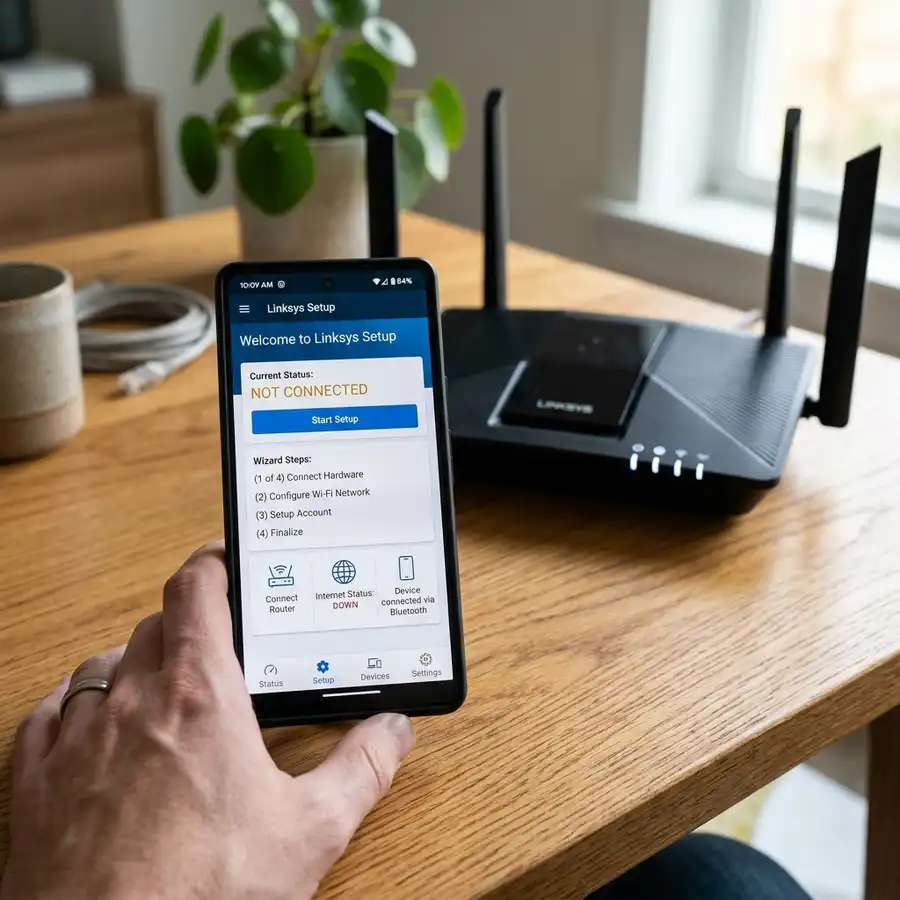
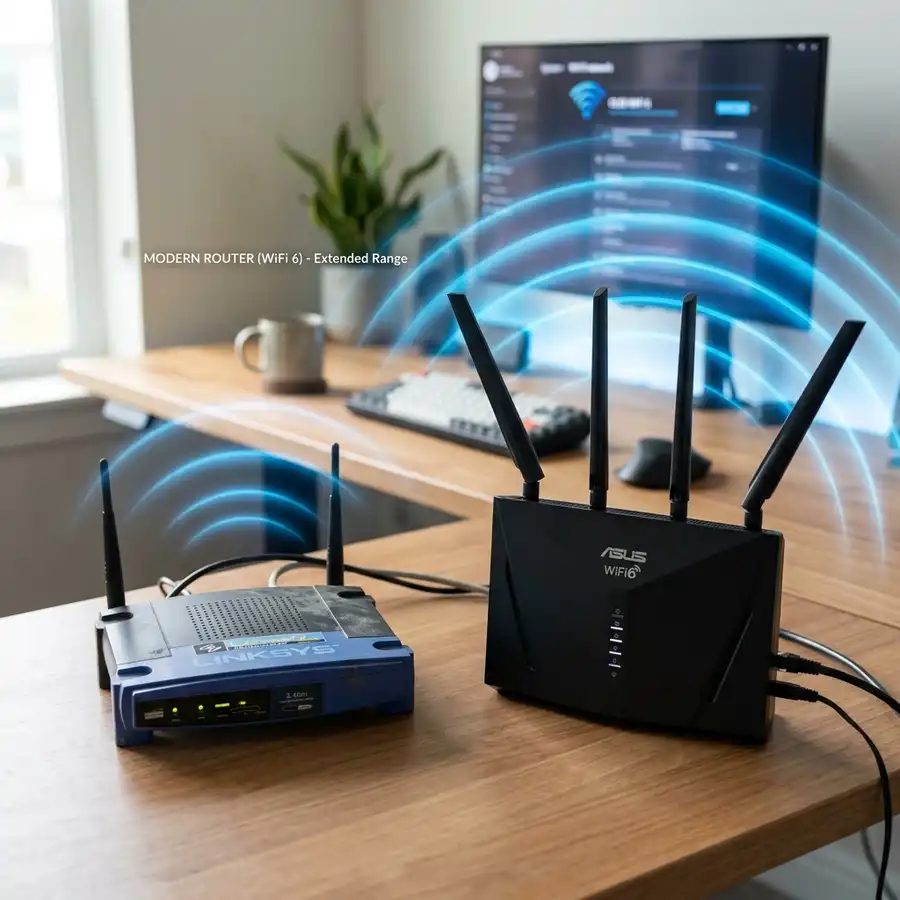
Establishing a stable wired network connection is essential for users facing continuous Wi-Fi signal drops and interference inside apartment buildings. Thick concrete walls, mirrors, and neighboring wireless channels degrade performance constantly.
Using surface raceways is the best clean, fast, and low-cost cabling infrastructure alternative. It completely eliminates the need for expensive structural renovations, masonry cutting, or risky wall drilling.
Planning the Route and Selecting the Required Tools
Ethernet Cable Route PlanningIntroduction
Planning the Ethernet cable route in an apartment requires careful consideration of various factors to ensure a reliable and aesthetically pleasing installation. This section outlines the key considerations for choosing between self-adhesive surface raceways and drilling walls.
Self-Adhesive Surface Raceways
Self-adhesive surface raceways provide a convenient and non-invasive solution for routing Ethernet cables. They can be easily applied to baseboards and walls without the need for drilling or patching.
Drilling Walls
Drilling walls may be necessary for longer cable runs or when surface raceways are not feasible. This approach requires careful measurement and planning to avoid damaging surrounding structures or cables.
Accurate Measurement Along Baseboards
Accurate measurement along baseboards is crucial for determining the optimal cable route and ensuring a smooth installation process. Measure the distance between outlets, switches, and other devices to plan the cable path.
PVC Cutting Tools
PVC cutting tools, such as PVC pipe cutters or utility knives, are necessary for cutting PVC conduit or surface raceways to the required length. Choose a tool that can make clean, precise cuts to avoid damaging the cable or conduit.
Wire Pulling Guides (Nylon Tapes)
Wire pulling guides, such as nylon tapes, can be used to facilitate the pulling of Ethernet cables through tight spaces or long conduit runs. These guides can help reduce the risk of cable damage or kinking.
Drill Bit Selection
Select a drill bit that is suitable for the type of wall material being drilled, such as a masonry bit for concrete or a wood bit for drywall. Use a drill bit with a sharp edge to minimize the risk of cable damage or wall damage.
Cable Management
Proper cable management is essential for maintaining a neat and organized installation. Use cable ties or cable clips to secure cables to the surface raceway or wall, and label each cable for easy identification.
Final Check
Perform a final check of the cable route to ensure that it meets the required specifications and is free from any obstacles or hazards. Verify that all cables are securely fastened and labeled for easy maintenance and troubleshooting.
Types of Surface Raceways and Selection Criteria
Surface Raceway ComparisonSelf-Adhesive PVC Conduits
Self-adhesive PVC conduits are a popular choice for surface wiring due to their ease of installation and flexibility. They consist of a PVC sleeve with an adhesive backing, allowing for quick and secure attachment to surfaces.
Physical Cable Capacity
The physical cable capacity of self-adhesive PVC conduits varies depending on size, with larger conduits (e.g., 20x10mm) accommodating more cables than smaller ones (e.g., 10x10mm). For example, a 20x10mm conduit can hold up to 12 cables, while a 10x10mm conduit can hold up to 6 cables.
Visual Impact
Self-adhesive PVC conduits have a relatively low visual impact due to their slim profile and ability to be painted or finished to match surrounding surfaces. However, they may not be suitable for areas with high aesthetic demands.
Technical Baseboard Raceways with Internal Channels
Technical baseboard raceways with internal channels offer a more structured approach to surface wiring, providing a dedicated pathway for cables and reducing clutter. These raceways typically consist of a baseboard with removable covers and internal channels for cable management.
Physical Cable Capacity
Technical baseboard raceways with internal channels can accommodate more cables than self-adhesive PVC conduits, with larger sizes (e.g., 30x20mm) holding up to 24 cables. Smaller sizes (e.g., 20x10mm) can hold up to 12 cables.
Visual Impact
Technical baseboard raceways with internal channels have a moderate visual impact due to their larger size and visible channels. However, they can be finished to match surrounding surfaces and provide a clean, organized appearance.
Ceiling Corner Conduits
Ceiling corner conduits are designed to manage cables in high-traffic areas, such as corners and intersections. They consist of a curved or angled conduit that can be attached to ceilings or walls.
Physical Cable Capacity
Ceiling corner conduits typically have a smaller physical cable capacity than technical baseboard raceways, with most sizes holding up to 6-8 cables. However, they are designed for high-traffic areas and can help reduce cable clutter.
Visual Impact
Ceiling corner conduits have a moderate to high visual impact due to their unique shape and size. However, they can be finished to match surrounding surfaces and provide a clean, organized appearance in high-traffic areas.
Comparison Summary
| Surface Raceway Type | Physical Cable Capacity | Visual Impact |
|---|---|---|
| Self-Adhesive PVC Conduits | 6-12 cables (10x10mm-20x10mm) | Low |
| Technical Baseboard Raceways | 12-24 cables (20x10mm-30x20mm) | Moderate |
| Ceiling Corner Conduits | 6-8 cables | Moderate to High |
Note: The physical cable capacity and visual impact of each surface raceway type may vary depending on specific product offerings and installation requirements.
Surface Raceway Type Comparison Table
| Raceway Type | Installation Difficulty | Cable Capacity | Visual Impact | Estimated Cost |
|---|---|---|---|---|
| Adhesive PVC 20x10mm | Extremely Easy (No drilling) | Up to 2 Cat6 cables | Low (Blends with baseboard) | Low |
| Technical Baseboard | High (Replaces old baseboards) | Up to 4 Cat6 cables | Zero (Perfect Aesthetics) | Medium-High |
| Ceiling Corner Molding | Medium (Requires ladder) | Up to 3 Cat6 cables | Low (Follows ceiling line) | Low-Medium |
Step-by-Step Installation of Self-Adhesive PVC Raceways
Installing Self-Adhesive PVC Conduits: A Step-by-Step Guide Step 1: Preparing the Wall SurfaceClean the wall surface with isopropyl alcohol to ensure a strong bond between the conduit and the wall. This is crucial for the self-adhesive PVC conduits to adhere properly.
Measure the wall to determine the correct placement of the conduit, taking into account any obstructions or corners. Use a level to ensure the conduit is straight and level.
Step 3: Cutting the ConduitCut the conduit to the required length using a sharp utility knife or a conduit cutter. Make sure to cut the conduit slightly longer than required to allow for easy installation.
Step 4: Making 45-Degree CutsUse a miter saw or a utility knife to make 45-degree cuts at the corners, creating a professional-looking joint. This will ensure a smooth and secure connection between the conduits.
Step 5: Running the CableCarefully run the cable through the conduit without applying any tension, as this can cause damage to the cable or the conduit. Use a cable puller or a fish tape to guide the cable through the conduit.
Step 6: Securing the ConduitPress the conduit firmly onto the wall, ensuring it is securely attached. Use a rubber mallet to tap the conduit into place, if necessary.
Close the conduit covers by snapping them into place, ensuring they are securely fastened. Use a screwdriver to tighten any screws or clips, if necessary.
Step 8: Final InspectionInspect the conduit installation to ensure it is secure, level, and properly sealed. Check for any signs of damage or wear on the conduit or the cable.
Step 9: Testing the InstallationTest the cable by plugging in a device and verifying that it is functioning properly. Check for any signs of damage or wear on the cable or the conduit.
Step 10: Documenting the InstallationDocument the installation, including any relevant details such as conduit lengths, cable types, and installation dates. This will help with future maintenance and troubleshooting.
Additional Tips- Always follow the manufacturer's instructions for the self-adhesive PVC conduits.
- Use a conduit cleaner to clean the conduit before installation.
- Use a cable tester to verify the integrity of the cable.
- Consider using a conduit sealant to ensure a watertight seal.
By following these steps, you can ensure a professional and secure installation of self-adhesive PVC conduits. Remember to always follow safety protocols and manufacturer's instructions when working with electrical systems.

Routing Rules and Avoiding Electromagnetic Interference
Advanced Infrastructure: Cabling Rules for ApartmentsIntroduction
Proper cabling installation is crucial for maintaining a reliable and secure network infrastructure in apartments. Adhering to established cabling rules minimizes the risk of electromagnetic interference (EMI) and ensures optimal network performance.
Cable Routing and Placement
Cables should be routed along the shortest path possible, avoiding unnecessary bends and kinks that can cause damage or signal degradation. Cable ties and cable clips should be used to secure cables to walls, floors, and ceilings.
Electrical Wiring Proximity
Running network cables parallel to electrical wiring is strongly discouraged due to the risk of electromagnetic noise induction. This can cause signal degradation, packet loss, and network instability.
Electromagnetic Noise Induction
Electromagnetic noise induction occurs when electrical currents in nearby wiring induce electromagnetic fields that interfere with network signals. This can lead to decreased network performance, dropped connections, and data corruption.
Shielded Twisted Pair (STP) Cables
When proximity to electrical wiring is unavoidable, shielded twisted pair (STP) cables should be used to minimize electromagnetic noise induction. STP cables feature a braided shield that surrounds the twisted pair, reducing EMI and signal degradation.
Cable Separation and Spacing
Cables should be separated from electrical wiring by at least 10 inches (25 cm) to minimize electromagnetic noise induction. This separation distance can be reduced to 6 inches (15 cm) if STP cables are used.
Cable Management and Labeling
Cables should be properly labeled and managed to prevent confusion and ensure easy identification. Cable labels should include the cable's purpose, location, and any relevant network information.
Compliance and Standards
Cabling installations should comply with relevant industry standards, such as the National Electric Code (NEC) and the International Organization for Standardization (ISO). Compliance with these standards ensures a safe and reliable network infrastructure.
Regular Maintenance and Inspection
Regular maintenance and inspection of cabling infrastructure are essential to ensure optimal network performance and prevent potential issues. Cables should be inspected for damage, wear, and tear, and replaced as necessary.
Conclusion
Proper cabling installation and maintenance are critical components of a reliable and secure network infrastructure. By following established cabling rules and guidelines, apartment owners and network administrators can minimize the risk of electromagnetic noise induction and ensure optimal network performance.
Why You Should Choose Cat6 Cabling for Apartment Networks
Category 6 (Cat6) Cabling: A Superior Choice for High-Speed NetworksIntroduction
Cat6 cabling is a crucial component of modern network infrastructure, offering superior performance and reliability compared to its predecessors. In this section, we will explore the benefits of choosing Cat6 over older Cat5e cabling.
Operating Frequency
Cat6 cabling operates at a frequency of 250 MHz, allowing for faster data transfer rates and reduced signal degradation. This increased frequency enables seamless communication over longer distances, making it ideal for high-speed applications.
Reduced Crosstalk
The internal spline, or cross separator, within Cat6 cabling reduces crosstalk between adjacent pairs, minimizing signal interference and ensuring reliable data transmission. This design feature is critical in high-density environments where multiple cables are bundled together.
Compatibility
Cat6 cabling is backward compatible with Cat5e and Cat5 cabling, making it a seamless upgrade for existing infrastructure. This ensures a smooth transition to higher-speed networks without the need for extensive re-cabling.
Bandwidth and Speed
Cat6 cabling supports speeds of up to 10 Gbps, significantly outperforming Cat5e's 1 Gbps limit. This increased bandwidth enables faster data transfer, improved network performance, and enhanced user experience.
Reliability and Durability
Cat6 cabling is designed to withstand the rigors of high-speed networking, with a more robust construction and improved insulation. This ensures reliable data transmission and minimizes the risk of signal degradation or loss.
Conclusion
In conclusion, Cat6 cabling offers superior performance, reliability, and durability compared to older Cat5e cabling. By choosing Cat6, organizations can ensure a future-proof network infrastructure that meets the demands of high-speed applications.
- Choosing the Right Network Cabling for Your Business
- Understanding Network Cabling Standards: Cat5, Cat5e, and Cat6
- Best Practices for Installing and Maintaining Network Cabling
Testing Connection Integrity and Professional Cable Slack
Testing Continuity and Wire Mapping with an RJ45 Cable Tester IntroductionAn RJ45 cable tester is a crucial tool for verifying the integrity of Ethernet cables. It ensures that the cable's wiring is correct and that there are no shorts or opens.
Pre-Test PreparationBefore testing, ensure the cable is free from any damage or kinks. Remove any protective covering from the cable's ends to expose the RJ45 connectors.
Testing ContinuityInsert the cable into the tester and verify continuity by checking for a solid green or blue light. This indicates that the cable's wiring is correct and there are no shorts.
Wire MappingPerform a wire map test to verify the correct wiring of the cable. This involves checking the tester's display for the correct sequence of colors.
Leaving technical slack (slack loops) at the ends of the cable is crucial to prevent cable tension on the ports. This ensures that the cable can be easily removed and reconnected without causing damage.
Importance of Slack LoopsCable tension can cause the RJ45 connectors to become loose over time, leading to signal degradation and potential network outages. Slack loops prevent this by providing a buffer zone for the cable to move.
Best PracticesWhen crimping RJ45 cables, always leave 1-2 inches of slack at the ends. This ensures that the cable can be properly secured and that there is enough room for the connectors to move.
Post-Test VerificationAfter testing, verify that the cable's wiring is correct and that there are no signs of damage or wear. This ensures that the cable is ready for use in the network infrastructure.
TroubleshootingIf the cable tester indicates a problem, troubleshoot the issue by checking the cable's wiring and connectors. This may involve re-crimping the connectors or replacing the cable altogether.
Testing continuity and wire mapping with an RJ45 cable tester is a critical step in ensuring the integrity of Ethernet cables. Leaving technical slack at the ends of the cable is essential to prevent cable tension and ensure reliable network performance.
Frequently Asked Questions About Ethernet Cables in Conduits
What is the best surface raceway size for network cables?
For running a single standard Cat6 network cable, a 10x10mm raceway is usually enough. If you plan to run two cables or thicker shielded cables, choose a 20x10mm profile.
Will the adhesive tape on surface raceways damage wall paint upon removal?
Yes, high-tack adhesive tapes can pull paint or plaster off the wall when removed. To minimize damage, use a hair dryer to heat the adhesive backing before pulling the raceway off.
Can I run network cables next to power lines in the same raceway?
No, running Ethernet cables parallel to power lines in the same conduit causes electromagnetic interference. This decreases network speed and causes drops, unless you use shielded twisted pair (STP) cables.
Which Ethernet cable category should I use for apartment raceways?
Choose standard copper Cat6 cables. They support data rates up to 10 Gbps, feature better internal crosstalk separation, and future-proof your residential network.