How to Print with Wood PLA Filament: Settings and Clog Prevention
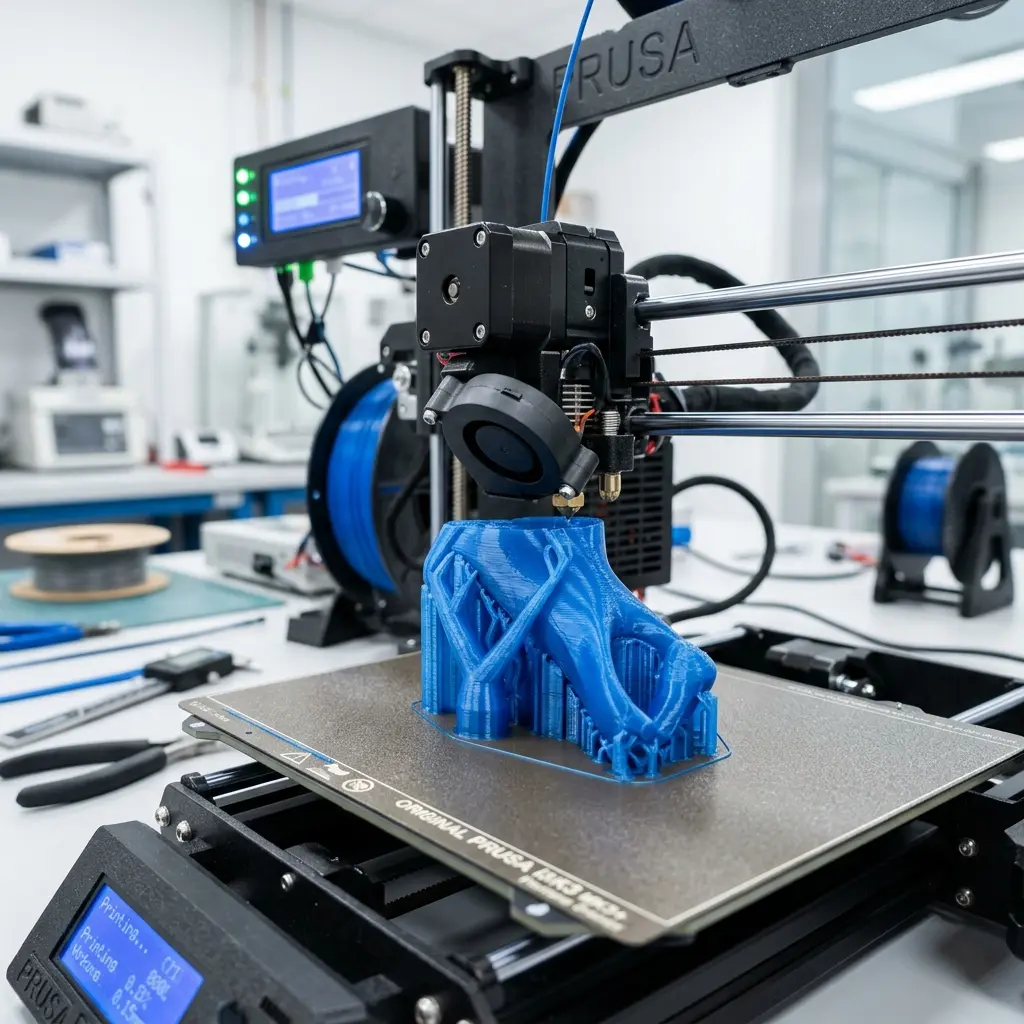
How to Print with Wood PLA Filament: Settings and Clog Prevention
Wood PLA filament is a popular choice among 3D printing enthusiasts due to its unique aesthetic and finish. It contains a mixture of PLA and wood fibers, giving prints a wood-like appearance and feel. However, printing with wood PLA requires specific settings and precautions to prevent clogs and ensure high-quality prints.
Understanding Wood PLA Filament
Wood PLA is a composite material that combines traditional PLA with fine wood particles. This composition results in several unique characteristics:
- Wood-like appearance
- Natural aroma during printing
- Ability to be sanded and painted
- Lower strength compared to pure PLA
Optimal Printing Settings
When printing with wood PLA, specific settings can help achieve the best results. The following table summarizes recommended settings:
| Setting | Recommended Value | Notes |
|---|---|---|
| Print Temperature | 190-220°C | Start at 200°C and adjust as necessary. |
| Bed Temperature | 40-60°C | A heated bed helps with adhesion. |
| Print Speed | 30-60 mm/s | Slower speeds improve surface finish. |
| Layer Height | 0.1-0.3 mm | Smaller layer heights enhance detail. |
| Retraction Distance | 1-2 mm | Reduce stringing issues. |
| Cooling Fan | 50-100% | Cooling helps improve print quality. |
Preparation of the 3D Printer
Before starting a print with wood PLA filament, proper preparation of the printer is essential:
- Clean the Nozzle: Ensure the nozzle is free from any previous filament residues.
- Use a Larger Nozzle: A nozzle size of 0.4 mm or larger is recommended to prevent clogging.
- Check Filament Quality: Use high-quality wood PLA to minimize the risk of printing issues.
Preventing Clogs During Printing
Clogs can be a significant issue when printing with wood PLA. The following strategies can help prevent clogs:
Filament Storage
Wood PLA is sensitive to humidity. Proper storage can help maintain filament quality:
- Store filament in a dry, airtight container.
- Use desiccants to absorb moisture in the storage container.
Printing Techniques
Utilizing specific printing techniques can minimize clogs:
- Regularly Clean the Nozzle: Clean the nozzle between prints to remove any buildup.
- Adjust Retraction Settings: Proper retraction settings can help prevent oozing and clogs.
Temperature Management
Maintaining the correct temperature is crucial for successful prints:
- Monitor the printer's temperature closely during printing.
- Consider using a temperature tower to find the optimal temperature for specific filament.
Post-Processing of Wood PLA Prints
Post-processing can enhance the appearance and functionality of wood PLA prints:
- Sanding: Sanding can smooth out rough areas and enhance the wood-like finish.
- Painting: Use acrylic paints for coloring, as they adhere well to wood PLA.
- Sealing: Consider applying a sealant to protect the print and enhance durability.
Common Issues and Troubleshooting
Several common issues may arise when using wood PLA filament. The following table provides troubleshooting tips:
| Issue | Possible Cause | Solution |
|---|---|---|
| Clogs in Nozzle | Wood particles in filament | Clean the nozzle and consider using a larger diameter nozzle. |
| Poor Adhesion | Incorrect bed temperature | Increase bed temperature or use adhesive aids like glue stick. |
| Stringing | Improper retraction settings | Adjust retraction distance and speed settings. |
| Rough Surface Finish | High print speed | Reduce print speed to improve surface quality. |
Frequently Asked Questions
Can wood PLA filament be painted?
Yes, wood PLA can be painted. It is advisable to sand the surface lightly for better adhesion before applying paint or stain.
What is the best nozzle size for wood PLA?
A nozzle size of 0.4mm or larger is recommended for wood PLA to accommodate the wood particles and minimize clogging.
How do I store wood PLA filament?
Wood PLA should be stored in a cool, dry place in an airtight container to prevent moisture absorption and maintain print quality.
Can I mix wood PLA with regular PLA?
Mixing wood PLA with regular PLA can lead to unpredictable results. It is best to print with each type separately to maintain quality.
What are some common issues when printing with wood PLA?
Common issues include clogging, poor layer adhesion, and stringing. Adjusting settings and maintaining the printer can mitigate these problems.




