How to Print with Nylon Filament: Extruder Temp and Bed Adhesion Tips
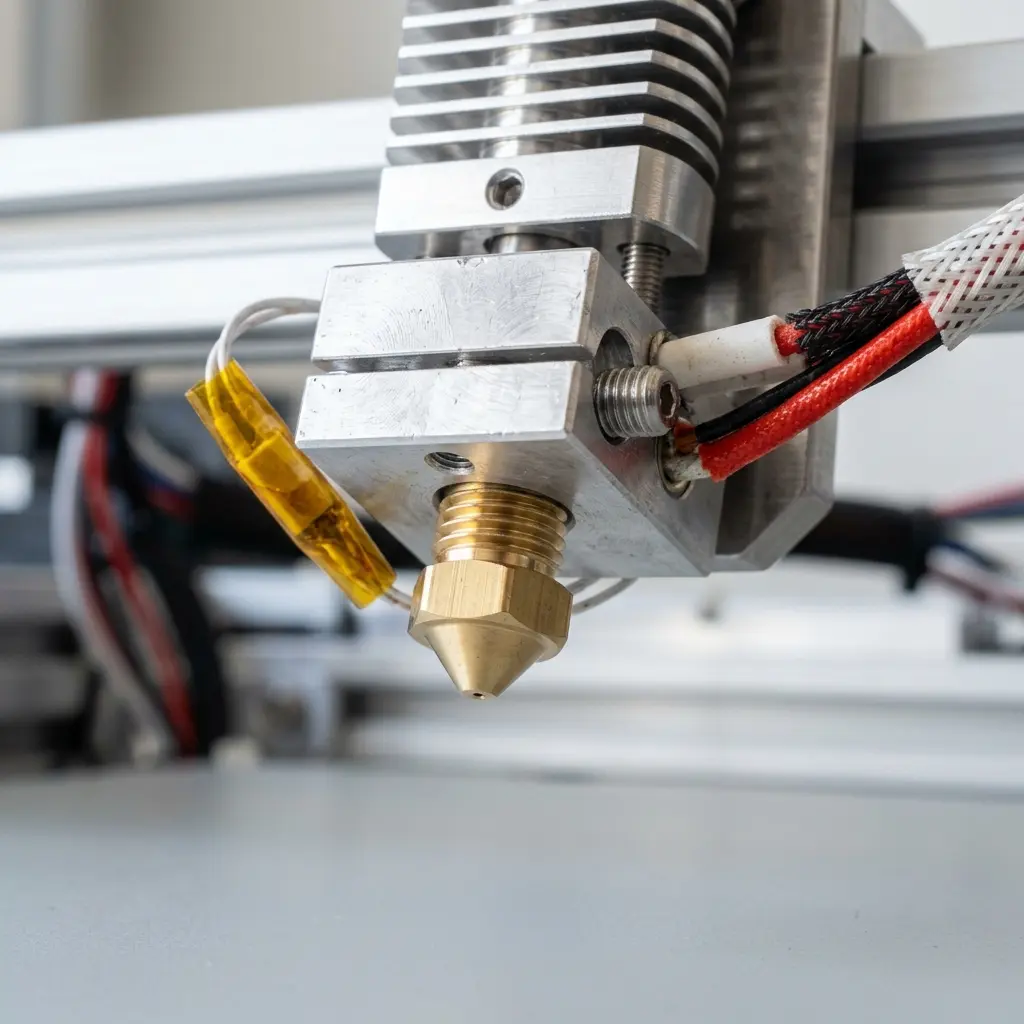
How to Print with Nylon Filament: Extruder Temp and Bed Adhesion Tips
Nylon filament is a popular choice in 3D printing due to its strength, flexibility, and durability. However, printing with nylon presents unique challenges, particularly concerning extruder temperature and bed adhesion. This document outlines essential tips for achieving optimal results when printing with nylon filament.
Understanding Nylon Filament
Nylon, also known as polyamide, is a synthetic polymer that offers excellent mechanical properties. It is commonly used in applications that require strong and flexible parts. However, nylon is hygroscopic, meaning it absorbs moisture from the air, which can affect print quality.
Recommended Extruder Temperatures
The extruder temperature is critical when printing with nylon. If the temperature is too low, the filament may not flow properly, leading to under-extrusion. Conversely, if the temperature is too high, the filament may degrade and produce poor-quality prints.
| Nylon Type | Recommended Extruder Temperature (°C) |
|---|---|
| Nylon 6 | 240 - 260 |
| Nylon 12 | 230 - 250 |
| Nylon 645 | 220 - 240 |
| PA 6/66 | 250 - 270 |
It is advisable to start at the lower end of the temperature range and increase it gradually until optimal extrusion is achieved. Monitoring the print quality closely during this process is crucial.
Bed Adhesion Techniques
Bed adhesion is another critical factor when printing with nylon. Due to its properties, nylon can warp and detach from the print bed during the printing process. Here are several techniques to enhance bed adhesion:
- Use a Heated Bed: Setting the bed temperature between 70°C and 100°C helps keep the nylon filament warm and reduces the chances of warping.
- PEI Sheets: A PEI (Polyetherimide) sheet can provide excellent adhesion for nylon. Ensure the surface is clean before printing.
- Blue Painter's Tape: Applying blue painter's tape can create a rough surface that helps the filament stick better to the bed.
- Glue Stick: A thin layer of glue stick on the print bed can enhance adhesion and make it easier to remove prints afterward.
- Rafts and Brims: Using a raft or brim can create a larger surface area, reducing the risk of warping during printing.
Post-Processing for Improved Results
After completing a print, certain post-processing techniques can enhance the properties of nylon parts:
- Heat Treatment: Annealing nylon parts can improve their strength and ductility. Heat the part in an oven at around 80°C for 30 minutes, then allow it to cool gradually.
- Surface Smoothing: Acetone vapor can be used to smooth out the surface of nylon prints, improving aesthetics and reducing friction.
Common Issues and Troubleshooting
Several common issues may arise when printing with nylon filament. Understanding these problems can help in troubleshooting effectively:
| Issue | Possible Cause | Solution |
|---|---|---|
| Warping | Insufficient bed temperature | Increase bed temperature or use adhesive solutions |
| Under-extrusion | Low extruder temperature | Increase extruder temperature |
| Stringing | High temperature or inconsistent retraction settings | Lower temperature and adjust retraction settings |
| Brittleness | Moisture absorption | Dry filament before printing |
Storage and Maintenance of Nylon Filament
Proper storage of nylon filament is essential to maintain print quality. Here are some tips:
- Use Airtight Containers: Store nylon filament in airtight containers with desiccants to prevent moisture absorption.
- Keep in a Cool, Dry Place: Avoid exposing filament to high humidity and temperatures.
- Use Vacuum Sealed Bags: Vacuum sealing can provide an extra layer of protection against moisture.
Frequently Asked Questions
Can nylon filament be used for outdoor applications?
Nylon's durability and resistance to wear make it suitable for outdoor use. However, consider UV exposure and possible degradation over time.
What is the best way to store nylon filament?
Store nylon filament in a cool, dry place, ideally in a vacuum-sealed bag with desiccants. This helps prevent moisture absorption.
How can warping be minimized during printing?
Ensure proper bed leveling and temperature settings are optimized. Using a brim or raft can also help reduce warping.
Is nylon filament compatible with all 3D printers?
Most modern FDM printers can handle nylon filament if they reach the necessary temperatures. Ensure the printer is equipped with a suitable hotend.
Can nylon be painted or dyed after printing?
Yes, nylon can be painted or dyed, but proper surface preparation is essential for adhesion. Consider using fabric dyes for optimal results.




