How to Enable Client Isolation on the Same VLAN in UniFi Switch
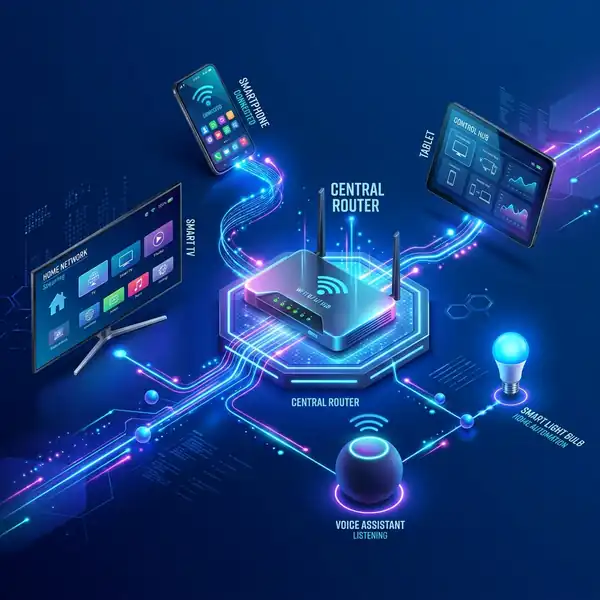
How to Enable Client Isolation on the Same VLAN in UniFi Switch
Client isolation on the same VLAN can be enabled through UniFi Controller settings.
Understanding Client Isolation
Client isolation prevents devices on the same VLAN from communicating with each other. This is crucial for enhancing security in environments such as guest networks.
Prerequisites for Configuration
Ensure that the UniFi Controller software is updated to the latest version. A compatible UniFi switch must be connected to the network.
Accessing the UniFi Controller
Login to the UniFi Controller interface using a web browser. Navigate to the 'Devices' section to locate the switch requiring configuration.
Enabling Client Isolation
- Select the specific switch from the device list.
- Click on the 'Settings' icon.
- Go to the 'Port' tab.
- Locate the option for 'Client Isolation' and toggle it to 'Enabled.'
- Save the changes and apply the configuration.
Technical Specifications
| Feature | Description | Notes |
|---|---|---|
| Client Isolation | Restricts device-to-device communication | Applicable on the same VLAN |
| VLAN Support | Multiple VLANs can be created | Max 4096 VLANs supported |
| UniFi Switch Models | Supports various models like US-8-150W | Check model specifications |
DomineTec Tip: For enhanced security, consider using VLANs for different departments or user groups.

Verifying Configuration
To confirm that client isolation is functioning correctly, use a network monitoring tool to test device communication. Devices on the same VLAN should not be able to ping each other.
Common Use Cases
Client isolation is often utilized in guest networks where users should not access each other's devices. It is also beneficial in public Wi-Fi setups for security purposes.
Conclusion
Enabling client isolation on a UniFi switch enhances security by restricting communication between devices on the same VLAN. Proper configuration can significantly improve network integrity.
Additional Tuning and Diagnostics
After enabling client isolation, it is essential to perform additional tuning and diagnostics to ensure optimal performance. This involves monitoring network traffic and looking for any anomalies that could hinder the functionality of client isolation.
Utilizing network monitoring tools such as UniFi's built-in insights or third-party solutions can significantly aid in diagnosing issues. These tools provide visual representations of network traffic and help identify which clients may still be communicating with each other.
It is also advisable to analyze the DHCP logs to confirm that client devices are obtaining IP addresses correctly without conflicts. Checking for any devices that may be bypassing isolation settings is crucial in maintaining a secure environment.
Regular audits of access control lists (ACLs) and firewall rules can further enhance the security posture of the network. This proactive approach ensures that client isolation operates effectively and any potential vulnerabilities are addressed promptly.
Impact on Network Performance
Enabling client isolation can have a significant impact on overall network performance. When devices are isolated, broadcast traffic is reduced, leading to lower congestion rates on the VLAN.
This reduction in unnecessary traffic can enhance the responsiveness of applications that rely on real-time data transfer, such as VoIP and video conferencing tools. Additionally, network throughput may increase as devices are prevented from sending unsolicited packets to each other.
However, it is important to note that while isolation improves performance for some applications, it could also hinder functionalities that depend on device discovery protocols. This includes services such as network printing or media streaming between clients.
To mitigate performance issues, consider segmenting the VLAN further or implementing Quality of Service (QoS) rules. This allows for prioritization of critical traffic while maintaining isolation among clients.
Security Considerations
Implementing client isolation brings numerous security benefits to a network environment. It minimizes the risk of lateral movement by malicious actors, making it harder for them to access sensitive information or exploit vulnerabilities on other devices.
Furthermore, client isolation helps in protecting devices that may lack robust security features. For instance, Internet of Things (IoT) devices, which often have weaker security measures, can be shielded from more capable devices that could serve as entry points for attacks.
Despite these advantages, relying solely on client isolation is not sufficient. Other security measures, such as robust authentication mechanisms and regular firmware updates, must also be implemented to create a more comprehensive security framework.
Conducting regular security assessments and penetration testing can further enhance the effectiveness of client isolation. This proactive approach identifies weaknesses and ensures the isolation feature operates as intended.
Client Isolation Limitations
While client isolation is a powerful feature, it does come with certain limitations that users must be aware of. One of the primary limitations is that some essential network services may be disrupted due to the isolation settings.
For example, features like multicast traffic, which is commonly used for streaming protocols and device discovery, may not function correctly when client isolation is enabled. This could lead to issues with applications that rely on these services.
Additionally, client isolation may complicate network management tasks such as firmware updates or troubleshooting, as administrators may need physical access to devices to perform necessary actions. This could lead to increased operational overhead.
To address these limitations, consider implementing a balanced approach that allows for isolation while providing exceptions for essential services. This can be achieved through selective application of isolation rules on specific devices or groups.
Integration with Other Network Features
Client isolation can be effectively integrated with other network features to enhance security and performance. For instance, combining client isolation with VLAN tagging allows for more granular control over network segmentation.
This integration makes it possible to isolate different user groups or device types while retaining the ability to manage traffic flow intelligently. Additionally, it can aid in applying specific security policies tailored to each group.
Another feature that complements client isolation is the implementation of Access Control Lists (ACLs). ACLs can provide an extra layer of security by defining which devices can communicate with each other and which services are accessible.
Moreover, integrating client isolation with network monitoring solutions can provide real-time insights into traffic patterns. This allows for quicker identification of potential breaches or performance issues, enabling timely corrective actions.
Advanced Configuration Options
For organizations seeking to maximize the benefits of client isolation, exploring advanced configuration options is recommended. One such option includes the use of Layer 3 routing techniques to further refine client interactions.
By implementing Layer 3 routing, network administrators can create more complex rules governing traffic flow. This allows for a combination of isolation and selective communication between clients based on specific criteria.
Another advanced option is the deployment of dynamic VLAN assignment based on user roles or device types. This flexibility enables a more tailored approach to client isolation by placing devices in the most appropriate VLAN based on their function.
Lastly, utilizing automation tools to manage client isolation settings can enhance operational efficiency. Automating routine tasks such as monitoring and adjusting isolation settings reduces the burden on network administrators and improves overall network health.
Future Trends in Client Isolation
The landscape of network security and client isolation is continuously evolving. Emerging trends indicate a growing focus on adaptive security measures that can dynamically respond to threats in real-time.
One promising trend involves the integration of artificial intelligence and machine learning technologies to enhance client isolation. These technologies can analyze patterns in network traffic and automatically adjust isolation settings based on detected anomalies.
Moreover, the rise of cloud-based network management solutions is facilitating more accessible and scalable client isolation implementations. This allows organizations to manage their isolation policies from anywhere, simplifying administration.
Finally, increasing attention to privacy regulations and compliance will likely drive enhancements in client isolation features. Organizations will need to adopt more sophisticated methods to ensure that sensitive client data remains protected while still enabling necessary communications.
Monitoring and Logging Client Isolation Events
Implementing client isolation on a UniFi switch requires robust monitoring and logging mechanisms to ensure effectiveness. Network administrators should establish a logging system that tracks events related to client isolation, such as when isolation is activated or deactivated for specific endpoints.
This logging can be accomplished through the UniFi Controller, where administrators can access detailed logs that outline the status of client devices. By leveraging these logs, any anomalies or unexpected behaviors in client isolation can be quickly identified and addressed.
In addition, integrating Syslog servers or SIEM (Security Information and Event Management) solutions can enhance the monitoring capabilities. These external systems can aggregate logs from various sources, allowing for comprehensive analysis and reporting of client isolation events across the network.
Regular audits of the logs should be conducted to ensure compliance with security policies and to identify potential security threats or misconfigurations. This proactive approach ensures that the client isolation feature effectively mitigates risks while maintaining optimal network performance.
Best Practices for Client Isolation in Multi-Tenant Environments
In multi-tenant environments, implementing client isolation presents unique challenges and opportunities. It is essential to tailor client isolation configurations to accommodate varying security needs while ensuring functionality for all tenants on the same VLAN.
Utilizing VLAN tagging alongside client isolation can effectively segregate tenant traffic while enabling isolated access within shared infrastructure. This combination allows for clear demarcation of client traffic, ensuring that no tenant can interfere with another’s network performance or security.
Furthermore, regular communication with tenants about the implications of client isolation is crucial. Clear guidelines should be provided regarding what services may be affected, such as local printing or device discovery, to manage expectations and mitigate confusion.
Finally, establishing a feedback loop with tenants can help identify issues that arise from the implementation of client isolation. This feedback can be instrumental in refining policies and configurations to better serve the needs of all users while maintaining security and performance standards.
Integrating Client Isolation with Guest Network Management
Client isolation is particularly beneficial when integrated with guest network management systems. This combination provides a secure and efficient way to allow guest access without compromising the internal network's security.
By enabling client isolation for guest users, administrators can ensure that guests remain isolated from internal resources, protecting sensitive data and critical systems. This setup can be further enhanced by implementing time-limited access credentials for guests, ensuring that their connectivity is both temporary and controlled.
Moreover, advanced configuration options such as bandwidth limitations can be applied to guest networks while maintaining client isolation. This approach aids in managing network performance and ensuring that guest usage does not adversely affect the experience of internal users.
Lastly, monitoring guest access logs can provide insights into the types of devices connecting to the network and their behavior. This data can be leveraged to refine guest policies and improve the overall management of client isolation in guest environments.
Implementing VLAN Segmentation for Enhanced Security
VLAN segmentation is a critical strategy for improving security in networks where client isolation is enabled. By creating separate VLANs, network administrators can enforce stricter access controls and limit the potential attack surface for malicious activities within the same broadcast domain.
Each VLAN acts as an independent network segment, allowing administrators to apply tailored security policies. This means that even if clients on one VLAN are compromised, the integrity of other VLANs can be maintained, significantly reducing the risk of lateral movement by attackers.
Furthermore, VLAN segmentation enables more efficient traffic management. By isolating different types of traffic, such as guest access, IoT devices, and employee resources, bandwidth can be allocated more effectively, enhancing overall network performance.
Incorporating VLAN tagging protocols, such as IEEE 802.1Q, allows for the seamless integration of multiple VLANs over the same physical infrastructure. This means that client isolation can be implemented without the need for additional hardware, offering a cost-effective solution for enhancing network security.
Utilizing RADIUS for Enhanced Authentication and Access Control
Integrating RADIUS (Remote Authentication Dial-In User Service) with client isolation provides a robust mechanism for managing user authentication and access control. This protocol offers centralized authentication and can enforce policies based on user roles or device types, further strengthening network security.
With RADIUS, administrators can define granular access controls that dictate who can connect to the network and what resources they can access. This level of control is particularly beneficial in environments where sensitive data needs to be safeguarded from unauthorized clients.
Moreover, RADIUS supports accounting features that can log user access and behavior. This data is invaluable for monitoring potential security threats and ensuring compliance with organizational policies.
Implementing RADIUS in tandem with client isolation creates a multi-layered security approach. It not only prevents direct communication between devices on the same VLAN but also ensures that only authenticated and authorized users can access network resources, thereby enhancing overall network integrity.
Frequently Asked Questions
What is client isolation?
Client isolation is a network security feature that prevents devices on the same VLAN from communicating with one another.
How does client isolation work?
It works by restricting data packets from being sent between devices on the same VLAN, effectively creating a secure barrier.
Can client isolation be applied to multiple VLANs?
Yes, client isolation can be configured for any VLAN individually, depending on network requirements.
Is client isolation suitable for all networks?
Client isolation is best suited for networks where security is a priority, such as guest networks or public Wi-Fi.
How do I check if client isolation is enabled?
Check the UniFi Controller under switch settings to confirm that the client isolation option is enabled for the desired ports.




