How to Install Solar Garden Lights Without Wiring [Easy Guide]
![How to Install Solar Garden Lights Without Wiring [Easy Guide]](https://umoaupsqhrhivceztycp.supabase.co/storage/v1/object/public/media/posts/solar_panels_home.webp)
To install solar garden lights without wiring, simply insert the stakes or mount the fixtures in areas that receive direct sunlight. official NREL website
Solar garden lights are an excellent way to illuminate your outdoor spaces without the need for complex wiring. They harness the power of the sun to provide light during the night. This guide will walk you through the straightforward process of installing these lights efficiently.
Understanding Solar Garden Lights
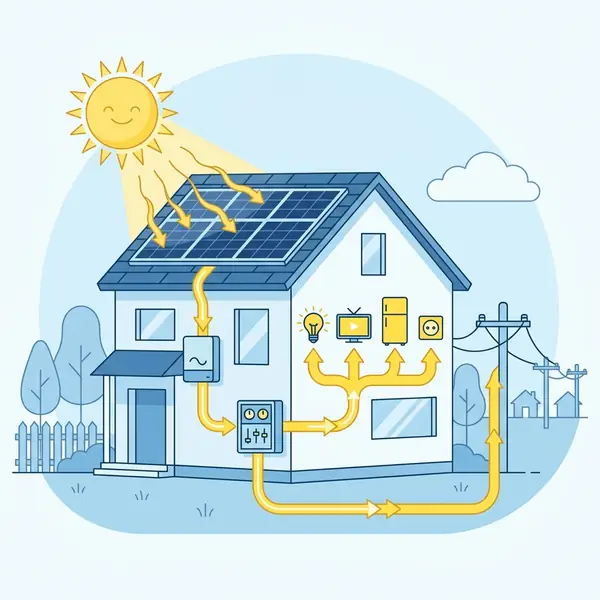
Solar garden lights typically consist of a solar panel, LED light, and a battery. During the day, the solar panel collects sunlight and converts it into energy. This energy charges the battery, which powers the light at night.
Many homeowners choose solar lights because they are easy to install and maintain. Also, they reduce electricity costs significantly. The absence of wires simplifies the installation process, making it accessible for anyone.
Benefits of Solar Garden Lights
There are various advantages to using solar garden lights. First, they are energy-efficient and environmentally friendly. This makes them a sustainable choice for homeowners.
Second, they require minimal maintenance. After installation, all you need to do is ensure the solar panels are not obstructed by debris or dirt.
Lastly, they offer flexibility in installation. You can place them in various locations without worrying about electrical outlets.
Choosing the Right Solar Garden Lights
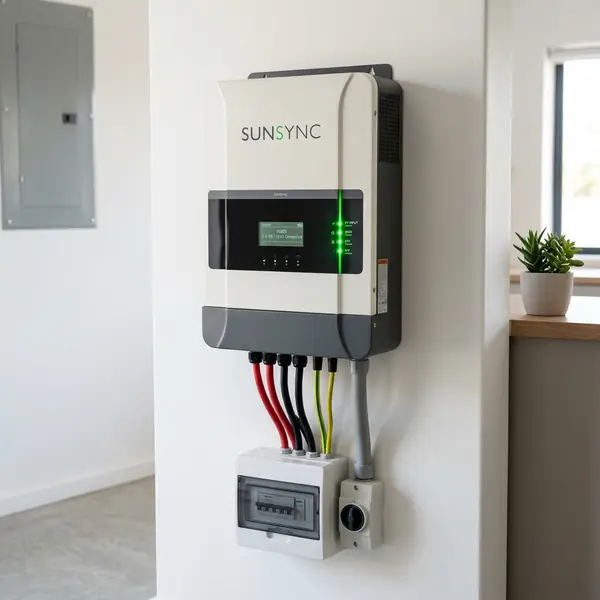
Before installation, selecting the right type of solar garden lights is important. Consider the following factors:
1. Brightness
The brightness of solar lights is measured in lumens. For garden lights, a range of 50 to 200 lumens is typically sufficient. Higher lumens mean brighter lights, making them suitable for security purposes as well.
2. Battery Capacity
Battery capacity affects how long the light will last at night. Look for lights with lithium-ion batteries, as they tend to have a longer lifespan and better performance. A good battery should last at least 6 to 8 hours after charging.
3. Solar Panel Quality
The efficiency of the solar panel plays a significant role in how well your lights perform. Choose lights with high-efficiency solar panels to ensure maximum energy absorption.
Tools and Materials Needed
Installing solar garden lights requires minimal tools. Here’s what you’ll need:
- Solar garden lights
- A shovel or a trowel (if digging is required for certain types)
- A level (to ensure lights are straight)
- Optional: A hammer for stubborn ground
Gather these materials before starting your installation process. This will make the task smoother and faster.
Installation Steps for Solar Garden Lights
Follow these simple steps for an effective installation:
Step 1: Choose the Location
Pick a location that receives ample sunlight throughout the day. Avoid shaded areas from trees or buildings. The more direct sunlight the solar panel gets, the better it will perform.
Step 2: Prepare the Ground
Clear the area of debris and rocks. This will allow for easier installation and ensure that the solar lights sit firmly in place.
Step 3: Insert the Solar Lights
For most solar garden lights, you will need to push the stake into the ground. If the ground is hard, use a shovel or hammer to make a small hole. Ensure that the light is straight and properly positioned.
Step 4: Adjust the Angle (if applicable)
If your solar light has an adjustable head, angle it towards the area that you want to illuminate. This is especially important for pathway lights to maximize visibility.
Step 5: Test the Lights
After installation, turn the lights on to test them. Make sure they light up correctly after sunset. If they do not, check if the solar panel is receiving enough sunlight.
Maintenance Tips
While solar garden lights require less maintenance than traditional lighting, some care is still necessary:
1. Regular Cleaning
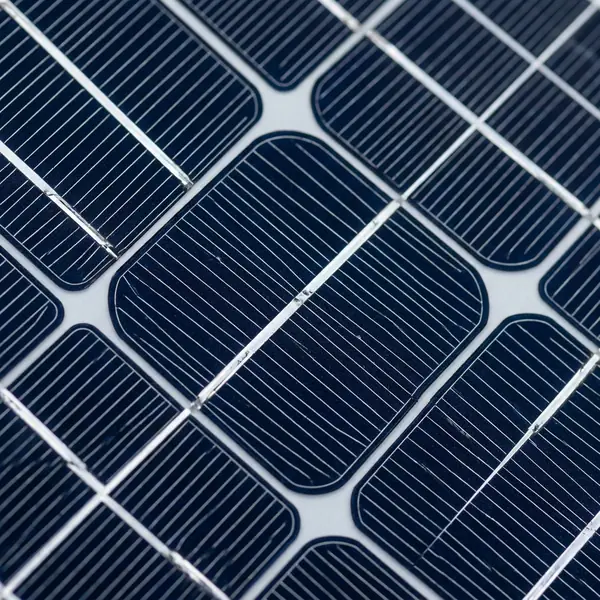
Clean the solar panels periodically to remove dust and debris. This ensures maximum sunlight absorption.
2. Check Battery Life
Monitor the battery performance. If the lights are dimming, it might be time to replace the batteries. Most solar lights use rechargeable batteries that can last for several years.
3. Seasonal Storage
During harsh weather, consider bringing your solar lights indoors. This can prevent damage from snow or ice. Store them in a dry place and re-install them when the weather improves.
Cost Considerations
The cost of solar garden lights varies greatly depending on the type and quality. Basic models can start as low as $20 per light, while high-end models may exceed $100.
For an average garden, a homeowner might invest between $200 to $600 for a complete set. This includes multiple lights to cover pathways, flower beds, or patios.
In the long run, solar lights can save you on energy bills, making them a cost-effective choice. According to the National Renewable Energy Laboratory (NREL), homeowners can save up to $100 annually by switching to solar lighting.
Comparative Table of Solar Garden Lights
| Model | Brightness (Lumens) | Battery Type | Price (USD) | Runtime (Hours) |
|---|---|---|---|---|
| Model A | 50 | NiMH | $20 | 6 |
| Model B | 100 | Li-ion | $40 | 8 |
| Model C | 200 | Li-ion | $80 | 10 |
DomineTec Tip: Always check the warranty offered by the manufacturer. A good warranty can protect your investment in solar garden lights.
Conclusion
Installing solar garden lights is a straightforward process that enhances the beauty and safety of your outdoor spaces. With the right products and installation techniques, you can enjoy beautiful lighting without the hassle of wiring.
Remember to choose high-quality solar lights that meet your needs for brightness and efficiency. Regular maintenance will ensure they perform well for years.
FAQs
Can I install solar lights in shady areas?
It is not recommended as solar lights need direct sunlight to charge effectively.
Do I need to replace the batteries in solar lights?
Yes, rechargeable batteries may need replacement every 1-3 years, depending on usage and quality.
What should I do if my solar lights are not working?
Check if the solar panel is clean and free from obstructions. Also, test the batteries for charge.
How much do solar garden lights cost?
Solar garden lights can range from $20 to $100 per unit, depending on brightness and features.
For more information on solar energy and efficient lighting solutions, check out our articles on how solar systems work and solar technologies.
How to Install Solar Garden Lights Without Wiring: Easy Guide
Installing solar garden lights is a straightforward process that enhances your outdoor space without the hassle of wiring. These lights rely on solar panels to capture sunlight during the day, converting it into energy to power LED bulbs at night. This guide will walk you through selecting and installing solar garden lights effectively.
Choosing the Right Solar Garden Lights
Before installation, it's important to choose the right type of solar garden lights. Look for lights with high-quality solar panels that have a good energy conversion rate and long-lasting batteries. Also, consider the brightness level, measured in lumens, to ensure they provide adequate illumination for your garden.
Another vital factor is the design and style of the lights. Decide whether you want stake lights, wall-mounted fixtures, or decorative lanterns. Matching the style with your garden aesthetics will enhance the overall look while providing functionality.
Preparing for Installation
Once you have chosen your solar lights, it’s time to prepare for installation. Start by selecting the ideal location where the lights will receive ample sunlight throughout the day. Avoid shaded areas from trees, buildings, or other obstructions to maximize their solar energy absorption.
Additionally, consider the layout and spacing of the lights. You might want to create a path, highlight specific plants, or illuminate a seating area. Mark the spots where you plan to place each light to visualize the arrangement before installation.
Installing the Solar Garden Lights
Installing solar garden lights is a simple process, requiring no tools or complicated steps. Begin by removing the lights from their packaging and ensuring each unit has a fully charged battery, which usually takes about 6-8 hours of sunlight. Some models may require you to turn them on; check the manufacturer’s instructions for guidance.
Next, insert the stakes into the ground at the marked positions. Ensure they are pushed deep enough to stand firm, especially if you expect windy conditions. If you are using wall-mounted lights, use the provided screws and anchors to secure them properly.
Testing and Adjusting
After installation, it’s important to test your solar lights. Wait until nightfall to see how effectively they illuminate your garden. If some lights are dim or not functioning, check their orientation and ensure they are not obstructed by foliage or debris.
You may need to adjust the angle of the solar panel for optimal sunlight exposure. Make sure the panels are facing south in the Northern Hemisphere or north in the Southern Hemisphere, as this positioning captures the most sunlight throughout the day.
Maintenance Tips
To keep your solar garden lights functioning optimally, regular maintenance is key. Clean the solar panels periodically to remove dust and debris that may block sunlight. Additionally, check the batteries annually and replace them if they no longer hold a charge.
During the winter months, consider bringing the lights indoors if you live in an area with harsh weather conditions. This will prolong their lifespan and ensure they are ready for use when the warmer seasons return.
By following this easy guide, you can enjoy a beautifully illuminated garden with minimal effort and no need for wiring. Solar garden lights offer an eco-friendly lighting solution that enhances your outdoor space while being cost-effective and easy to maintain.
Do solar panels generate electricity without direct sunlight?
Yes, they produce power on cloudy days but at a reduced capacity of 10% to 25%. They do not generate electricity at night.
How much maintenance do home solar panels require?
Maintenance is minimal, typically involving cleaning the panels twice a year and performing a system health check.
Do I need battery storage for my solar energy system?
It is not required for grid-tied systems, but batteries are vital for off-grid operations or backup power during grid blackouts.
Can I completely eliminate my monthly electricity bill?
You cannot reach absolute zero because most utilities charge a basic monthly grid connection fee regardless of production.




