How to Improve 3D Printer Bed Adhesion: Glues, Sprays and PEI Sheets
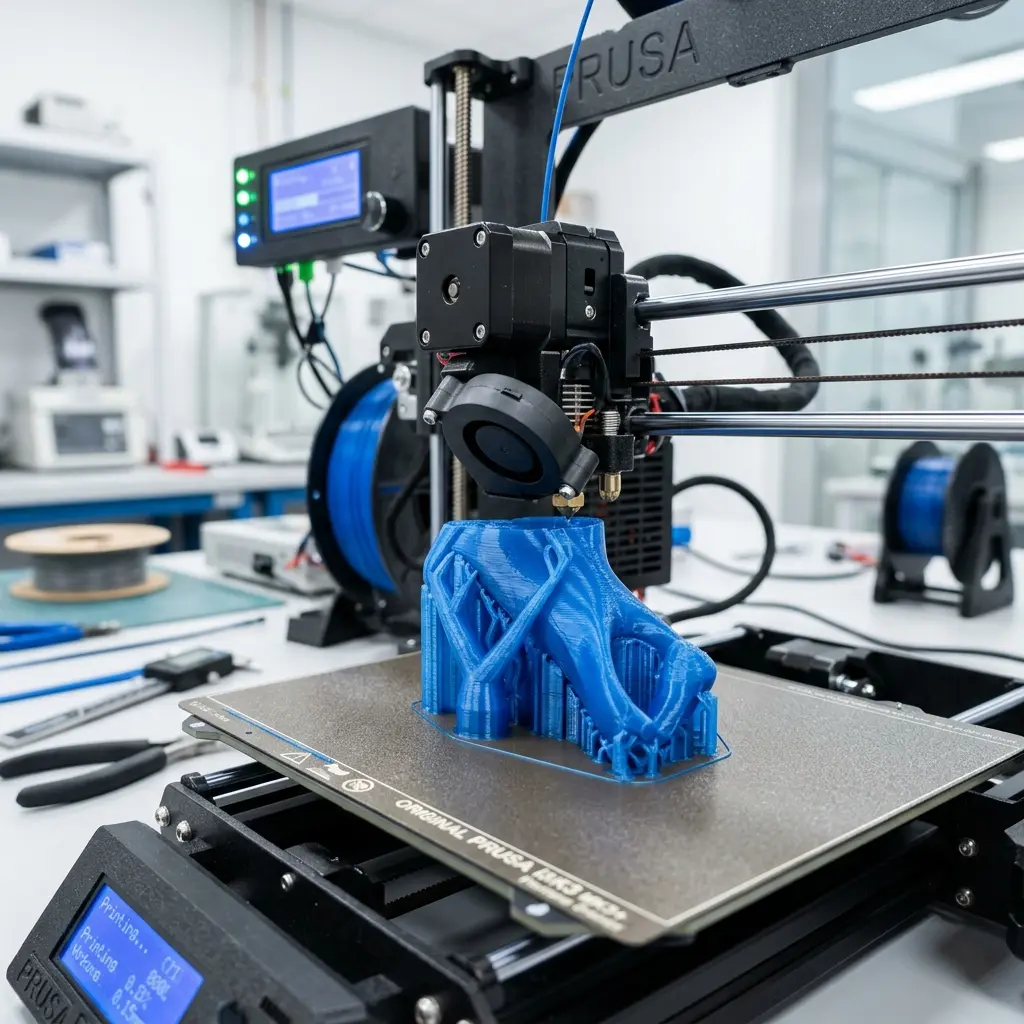
How to Improve 3D Printer Bed Adhesion: Glues, Sprays, and PEI Sheets
Bed adhesion is a critical aspect of 3D printing that directly impacts print quality and success rates. Poor adhesion can lead to warping, shifting, or even complete print failures. This document explores various methods to enhance bed adhesion, including the use of glues, sprays, and PEI sheets.
Importance of Bed Adhesion
Effective bed adhesion is essential for several reasons:
- Prevents warping during the cooling process.
- Ensures the first layer adheres properly to the build surface.
- Aids in achieving a higher-quality final print.
- Reduces the risk of print failures and material wastage.
Common Bed Adhesion Solutions
Several products can be utilized to improve bed adhesion. Each has its own set of advantages and disadvantages.
| Method | Description | Advantages | Disadvantages |
|---|---|---|---|
| Glue Stick | A common adhesive that is water-soluble and easy to apply. | Inexpensive, easy to use, and widely available. | May require frequent reapplication and can be messy. |
| Hairspray | A common spray used to create a sticky layer on the bed. | Creates a strong bond and is easy to apply. | Can leave a residue and may require cleanup. |
| PVA Glue | A type of white glue that can be mixed with water. | Strong adhesion and easy to remove with water. | Can warp certain materials if not applied correctly. |
| Blue Tape | A tape that can be applied directly to the bed surface. | Provides good adhesion and is reusable. | Can wear out over time and may require replacement. |
| PEI Sheets | A type of plastic sheet that provides a smooth surface for printing. | Durable, easy to clean, and provides excellent adhesion. | Can be more expensive than other options. |
Using Glues for Bed Adhesion
When using glues, the application method can significantly impact adhesion quality. Here are some recommended practices:
- Apply a thin, even layer of glue on the print bed.
- Allow the glue to dry slightly before starting the print.
- Consider using a combination of glues for different materials.
Sprays for Bed Adhesion
Sprays can provide a more uniform application than glues. Below are tips for using sprays effectively:
- Shake the spray can well before use.
- Hold the can at least 6-12 inches away from the surface.
- Apply in a well-ventilated area to avoid inhaling fumes.
PEI Sheets: A Comprehensive Solution
PEI (Polyetherimide) sheets are becoming increasingly popular among 3D printing enthusiasts due to their ease of use and effectiveness. Here are some features and benefits:
- PEI sheets do not require additional adhesives or sprays.
- They can withstand high temperatures, making them suitable for various filaments.
- Easy to clean with isopropyl alcohol or warm soapy water.
Applying PEI Sheets
Proper installation of PEI sheets is crucial for optimal performance:
- Ensure the print bed is clean and free from debris before application.
- Cut the PEI sheet to the size of the bed, leaving no overhang.
- Use a roller or flat edge to remove bubbles during application.
Comparative Effectiveness of Adhesion Methods
The effectiveness of various adhesion methods can vary based on the type of filament being used. Below is a summary of the most common filament types and recommended adhesion methods:
| Filament Type | Recommended Adhesion Method | Notes |
|---|---|---|
| PLA | Blue Tape or Glue Stick | PLA adheres well to most surfaces, making it easy to print. |
| ABS | Hairspray or PVA Glue | ABS can warp; ensure a strong bond to prevent issues. |
| PETG | PEI Sheet or Glue Stick | PETG sticks very well; a smooth surface is crucial. |
| Nylon | PVA Glue or Hairspray | Nylon is prone to warping; adequate adhesion is essential. |
| TPU | PEI Sheet or Blue Tape | Flexible filaments require a surface that allows good adhesion. |
Frequently Asked Questions
What is the best adhesive for 3D printing?
The best adhesive varies by filament type. Glue sticks are popular for PLA, while adhesion sprays work well with ABS.
How do I clean my print bed?
Cleaning can be done with isopropyl alcohol and a lint-free cloth. This removes residues that may affect adhesion.
Can PEI sheets be reused?
Yes, PEI sheets are durable and can be cleaned and reused multiple times without losing adhesive properties.
What temperature should my print bed be?
The ideal bed temperature depends on the filament used. For example, PLA typically requires 50-60°C, while ABS may need around 100°C.
How can I fix a failed print due to poor adhesion?
Check the bed level, clean the build surface, and adjust the nozzle height. Reassessing these factors can help improve adhesion in future prints.
Conclusion
Improving bed adhesion is vital for achieving successful 3D prints. The choice between glues, sprays, and PEI sheets depends on the specific printing requirements and materials being used. Experimentation with different methods can yield the best results for various applications.




