How to Host a UniFi Network Controller in the Cloud for Free

How to Host a UniFi Network Controller in the Cloud for Free
Hosting a UniFi Network Controller in the cloud can be achieved using free cloud services like AWS or Google Cloud Platform.
Choosing a Cloud Provider
Amazon Web Services (AWS) and Google Cloud Platform (GCP) offer free tiers suitable for hosting a UniFi controller.
Both platforms provide sufficient resources, including virtual machines (VMs) with adequate CPU and RAM to run the controller efficiently.
Setting Up the Virtual Machine
A virtual machine running Ubuntu Server is recommended for hosting the UniFi Network Controller.
Create a VM instance with at least 1 vCPU and 1 GB RAM on your selected cloud platform.
Installing the UniFi Network Controller
Connect to the VM via SSH using a command such as ssh username@public-ip.
Install the UniFi controller using the following commands:
sudo apt update
sudo apt install openjdk-8-jre
wget https://dl.ui.com/unifi/6.5.55/unifi_sysvinit_all.deb
sudo dpkg -i unifi_sysvinit_all.deb
sudo systemctl start unifi
sudo systemctl enable unifi
Configuring Network and Firewall Settings
Ensure that ports 8080, 8443, 8843, and 3478 are open for communication with devices.
Utilize firewall rules to allow incoming traffic on these ports, which can be done via the cloud provider's console or directly on the VM using ufw:
sudo ufw allow 8080/tcp
sudo ufw allow 8443/tcp
sudo ufw allow 8843/tcp
sudo ufw allow 3478/udp
sudo ufw enable
Connecting Devices to the Controller
Access the controller's web interface by navigating to https://public-ip:8443 in a web browser.
Adopt devices by entering the device's MAC address and following on-screen prompts.

| Feature | AWS Free Tier | GCP Free Tier |
|---|---|---|
| VM Instance Type | T2.micro | f1-micro |
| CPU | 1 vCPU | 1 vCPU |
| RAM | 1 GB | 0.6 GB |
| Storage | 30 GB SSD | 30 GB SSD |
| Free Usage Period | 12 Months | 12 Months |
DomineTec Tip: Consider using a dynamic DNS service to maintain a consistent hostname for your controller, simplifying remote access.
- Sign up for AWS or GCP and navigate to the console.
- Create a new VM instance with the recommended specifications.
- SSH into the instance and install the required packages.
- Download and install the UniFi Network Controller software.
- Configure firewall settings to allow necessary ports.
- Access the web interface and adopt your UniFi devices.
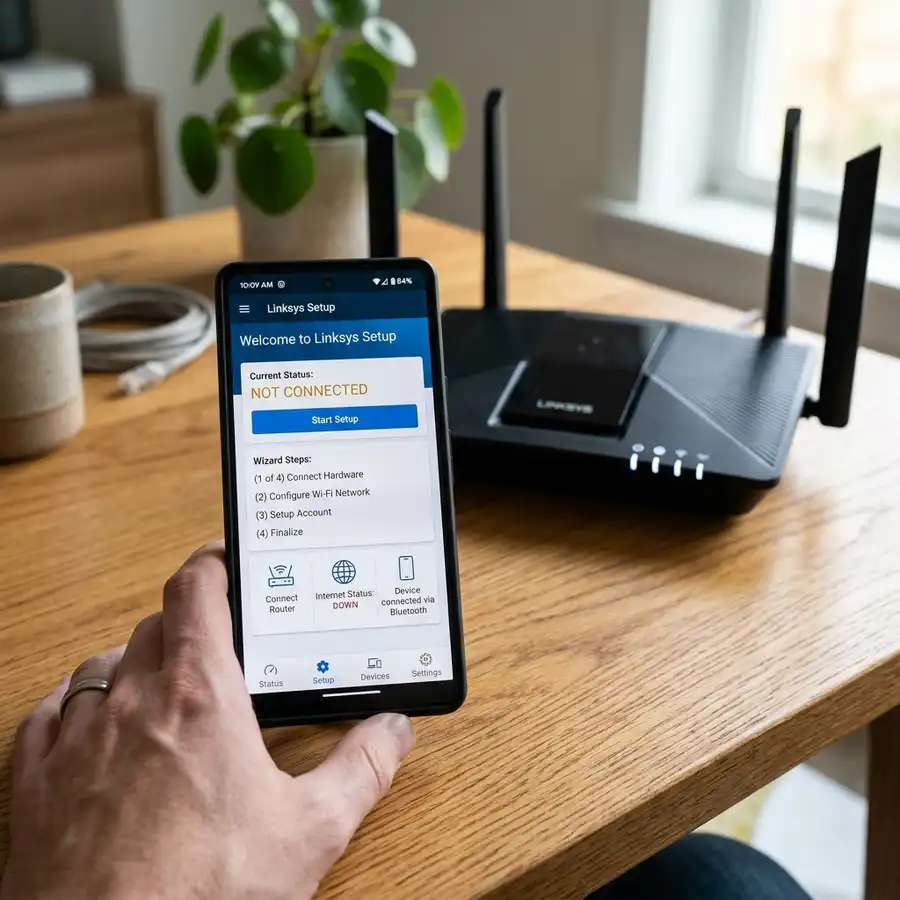
Understanding UniFi Network Controller Features
The UniFi Network Controller offers a variety of features that enhance the management of networking devices. These include a user-friendly interface, detailed analytics, and seamless integration with other UniFi products.
Key features such as Guest Network provisioning and VLAN support allow for improved security and network segmentation. These functionalities are crucial for businesses and organizations that require tailored network solutions.
Moreover, advanced options like zero-touch provisioning simplify device deployment, making it easier to manage multiple devices across different locations. This streamlines operations and reduces the time spent on manual configurations.
Lastly, the ability to monitor network performance in real-time through the dashboard can aid in troubleshooting and optimizing connectivity issues promptly. Leveraging these features is essential for effective network management.
Backing Up Your UniFi Network Controller Configuration
Creating regular backups of the UniFi Network Controller configuration is vital for maintaining network integrity. A backup ensures that, in case of failure or migration, the network settings can be restored quickly and efficiently.
To back up the configuration, navigate to the settings section in the UniFi Controller and select the "Backup" option. This process can be automated or performed manually according to the network administrator's preference.
It is advisable to store backups in a secure location, such as a cloud storage service or an external drive. Regularly updating the backup file ensures that the latest configurations are saved and can be retrieved when needed.
In addition, documenting changes made to the network settings between backups can help in troubleshooting and understanding the evolution of the network's structure. This practice promotes better network management and accountability.
Monitoring Network Performance and Analytics
Monitoring network performance is essential for ensuring optimal functionality and user satisfaction. The UniFi Network Controller provides built-in analytics tools that allow administrators to track usage patterns and performance metrics.
Performance monitoring includes metrics such as bandwidth usage, connected clients, and device health, which can be accessed through the UniFi dashboard. These insights can help identify potential bottlenecks or issues in the network.
Regular analysis of these metrics enables administrators to make informed decisions about network upgrades or adjustments. This proactive approach can significantly enhance overall network efficiency and reliability.
Furthermore, leveraging third-party monitoring tools in conjunction with the UniFi Controller can provide additional layers of analysis and alerts. This combination enables a more comprehensive understanding of the network's performance and security posture.
Implementing Security Best Practices
Securing the UniFi Network Controller is paramount to safeguarding network integrity. Implementing best practices can greatly reduce the risk of unauthorized access and potential threats.
One of the primary practices includes enabling SSL encryption for the controller, ensuring that data transmitted between the server and clients remains secure. This can be configured in the settings under the controller's security options.
Additionally, strong password policies should be enforced, requiring complex passwords that combine letters, numbers, and special characters. Regularly updating passwords and utilizing two-factor authentication can further bolster security measures.
Moreover, keeping the UniFi software up to date is crucial for protecting against vulnerabilities. Regular updates ensure that the latest security patches and features are applied, maintaining the overall security posture of the network.
Scaling Your UniFi Network With Additional Devices
As network demands grow, scaling the UniFi Network Controller to accommodate additional devices becomes necessary. This can be achieved by integrating more access points, switches, and gateways into the existing infrastructure.
When expanding, it is essential to assess the current network load and identify potential bottlenecks that could arise from adding devices. Proper planning ensures that the network can handle increased traffic without degradation in performance.
Using tools within the UniFi Controller, such as the device adoption feature, simplifies the process of adding new devices. This feature allows automatic detection and configuration of new devices, streamlining the scaling process.
Furthermore, implementing a hierarchical architecture with multiple controllers can help distribute the load, especially in large-scale deployments. This approach enhances network reliability and performance across all connected devices.
Integrating Third-Party Services and Tools
Integrating third-party services can enhance the functionality of the UniFi Network Controller significantly. These integrations enable advanced features and additional management capabilities that are not natively available.
For instance, using tools such as Grafana for visual analytics or Prometheus for monitoring can provide deeper insights into network performance. These tools can be configured to pull data from the UniFi controller, allowing for customized dashboards.
API access also allows for automation and integration with other systems, such as RADIUS servers for enhanced authentication processes. This flexibility can be particularly beneficial for organizations requiring customized solutions.
Additionally, subscribing to services that provide threat intelligence can augment the security of the UniFi network. Incorporating such tools helps in proactively identifying and mitigating potential security threats.
Understanding Network Topology and Design
Having a clear understanding of network topology and design is critical for effective management of the UniFi Network Controller. A well-planned topology optimizes performance and minimizes potential points of failure.
Different topologies, such as star, mesh, or hybrid, come with their advantages and challenges. Choosing the right design depends on factors like coverage area, number of devices, and user density.
Documenting the network layout can aid in troubleshooting and future expansion. A visual representation of the network can help identify critical connections and potential weaknesses in the design.
Furthermore, regularly reviewing and updating the network design in accordance with changing needs ensures that the infrastructure remains robust and capable of supporting growth.
Optimizing Your Controller for Performance
To ensure optimal performance of your UniFi Network Controller, consider adjusting the allocated resources of your virtual machine. Increasing CPU and RAM can significantly enhance the responsiveness of the controller, especially in larger networks.
Monitor the system load using tools like top or htop on Linux-based systems. Keeping an eye on CPU and memory utilization will help you identify bottlenecks that may affect performance.
Utilize SSDs for storage, as they provide faster read/write speeds compared to traditional hard drives. This can reduce latency when accessing configuration files and databases.
Regularly update your UniFi software to benefit from performance improvements and bug fixes. Keeping your controller up to date is crucial for maintaining a smooth user experience.
Troubleshooting Common Issues
When hosting a UniFi Network Controller in the cloud, various issues may arise that could affect connectivity and performance. One common issue is the inability to connect devices to the cloud controller.
Verify that network settings, including firewall rules and port forwarding, are properly configured. Ensuring that the necessary ports are open can resolve many connectivity problems.
If experiencing latency or disconnections, check the cloud provider’s status page for outages or maintenance notices. Sometimes, external factors may impact the performance of your hosted services.
Utilize the UniFi Community forums and support resources for additional troubleshooting tips. Engaging with the community can provide insights and solutions to complex issues.
Exploring Advanced Configuration Options
For users seeking to customize their UniFi Network Controller experience, advanced configuration options can be explored. These include setting up custom VLANs for better network segmentation.
Implementing guest networks is another advanced feature that enhances security while allowing visitors to access the internet without compromising the main network.
Consider utilizing the API offered by the UniFi Network Controller for automation and integration with other systems. This can streamline network management tasks and enhance functionality.
Experiment with advanced settings like traffic shaping and Quality of Service (QoS) to prioritize bandwidth for critical applications. Fine-tuning these settings can lead to a more efficient network.
Implementing Automated Backups for Your UniFi Controller
Automating backups for your UniFi Network Controller ensures that your configurations and data are preserved without manual intervention. Utilizing scripts can streamline the backup process, allowing for regular snapshots of the controller's settings.
First, set up a cron job on your cloud virtual machine to schedule the backup script. Determine the frequency of backups based on your network activity and criticality; daily or weekly backups are typically advisable for most setups.
The script should utilize the UniFi Controller’s built-in backup command, which can be executed via SSH. Ensure that the script also compresses the backup files to save space and retains a manageable number of backup files to prevent clutter.
It's crucial to store the backups in a secure location, ideally in a separate cloud storage service or an encrypted external drive. This redundancy protects against data loss in case of a machine failure or configuration errors.
Enhancing Network Security with VPN Integration
Integrating a Virtual Private Network (VPN) into your UniFi Network Controller setup significantly enhances security, especially for remote access. A VPN allows secure connections to the network, ensuring that sensitive data remains protected from potential threats.
Start by selecting a VPN protocol that suits your needs, such as OpenVPN or L2TP/IPsec. Once you’ve set up the VPN server, configure your UniFi devices to route traffic through the VPN, establishing secure tunnels for remote users.
Ensure that your firewall settings accommodate the VPN service while maintaining strict security measures against unauthorized access. Regularly update your VPN software and monitor for any vulnerabilities that could be exploited.
Lastly, educating users on best practices for VPN usage is critical. Encourage the use of strong passwords and two-factor authentication to further secure remote connections, thereby enhancing overall network integrity.
Implementing Multi-Site Management for Distributed Networks
Multi-site management is an essential feature for organizations operating multiple locations. By leveraging the UniFi Network Controller, administrators can efficiently manage multiple sites from a single interface. This capability reduces the complexity involved in overseeing distinct network environments, allowing for streamlined configurations and monitoring.
To set up multi-site management, begin by creating additional sites within the UniFi Controller dashboard. Navigate to the 'Sites' section and select 'Create New Site.' Assign a unique name and configure default settings according to the site’s requirements. This allows for tailored network settings, Wi-Fi configurations, and device management specific to each site.
Once sites are established, administrators can leverage site-specific configurations for ease of management. This includes setting up distinct SSIDs, VLANs, and firewall rules. Moreover, monitoring tools can be applied per site, offering granular insights into performance metrics, client distributions, and network health.
Multi-site management also facilitates the deployment of updates and configurations across different locations. By utilizing the controller's backup and restore features, changes made at one site can be replicated easily, ensuring consistency across all network environments. This capability enhances operational efficiency and reduces the risk of misconfigurations in a distributed network setup.
Utilizing Cloud Backup Solutions for Enhanced Data Integrity
In the digital landscape, safeguarding network configurations and data integrity is paramount. Implementing cloud backup solutions for the UniFi Network Controller ensures that critical configurations are preserved and can be restored in case of data loss. This process is vital for maintaining operational continuity and minimizing downtime.
To implement cloud backups, first select a cloud storage provider that suits your needs. Popular options include Google Drive, Dropbox, and Amazon S3. Once the provider is chosen, configure the backup settings within the UniFi Controller. Navigate to the 'Settings' section and set scheduled backups to automatically save configurations to the selected cloud storage.
Ensure regular backups are scheduled to mitigate risks associated with configuration changes or system failures. By automating this process, administrators can focus on other critical tasks while having peace of mind knowing that their configurations are securely backed up in the cloud. Additionally, consider keeping a local backup alongside the cloud version for an extra layer of security.
Regularly review and test backup restorations to confirm data integrity. This practice ensures that, in the event of a failure, the restoration process is smooth and reliable. By integrating cloud backup solutions, organizations can enhance their disaster recovery strategies and ensure the longevity of their network configurations.
Frequently Asked Questions
Is it really free to host a UniFi Controller in the cloud?
Yes, using AWS or GCP's free tier allows hosting a UniFi Controller at no cost for a limited time.
Can multiple users access the UniFi Controller?
Yes, multiple users can access the controller by creating separate accounts within the UniFi UI with defined roles.
What happens when the free tier expires?
Once the free tier expires, charges will apply based on the cloud provider's pricing model, so monitoring usage is essential.
Is it necessary to have a static IP?
A static IP is not necessary; dynamic DNS can be used to maintain consistent access to the controller if the public IP changes.
Can the UniFi Controller be run on other operating systems?
While Ubuntu is recommended, the UniFi Controller can also run on Windows and macOS, albeit with different installation steps.