How to Fix Underextrusion Caused by Wet Filament and Moisture Absorption
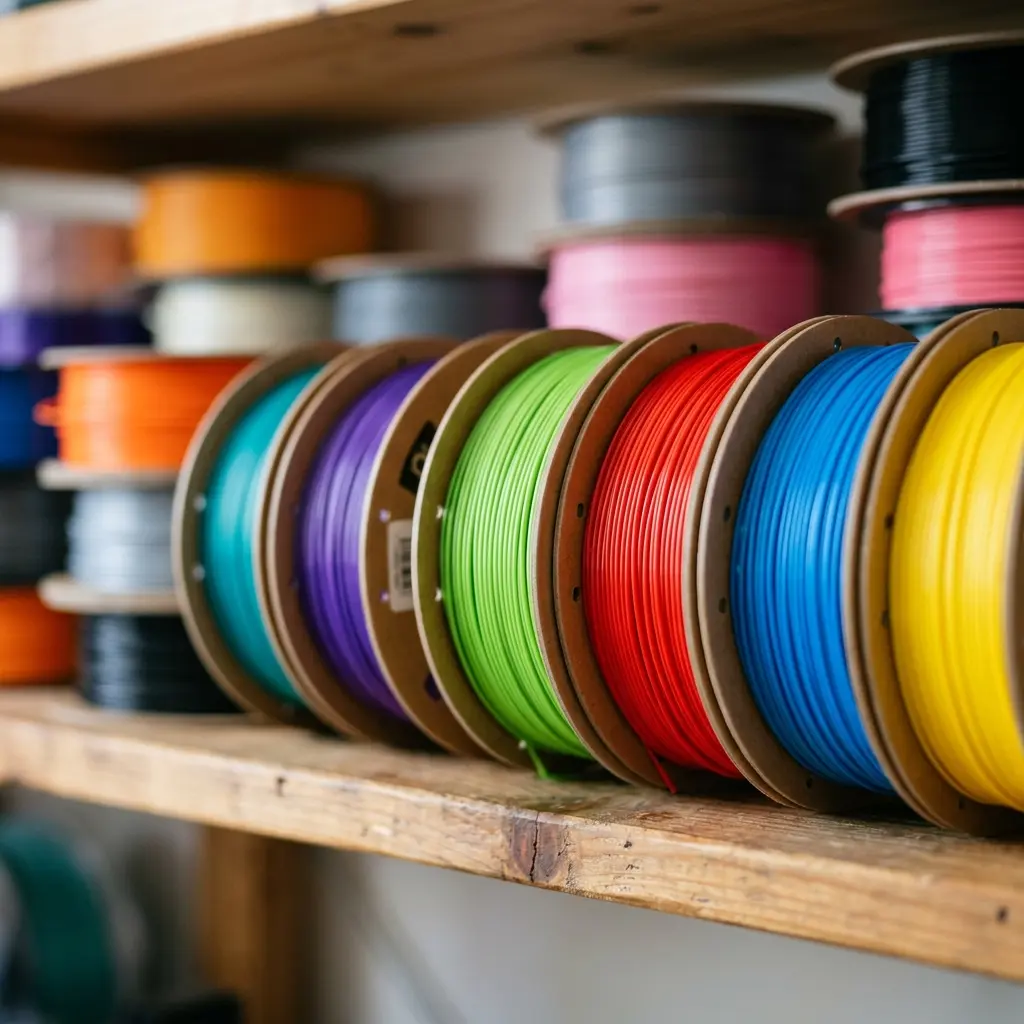
To fix underextrusion caused by wet filament and moisture absorption, dry the filament thoroughly and optimize printing settings.
Understanding Underextrusion and Its Causes
Underextrusion occurs when the 3D printer fails to supply enough filament for adequate material flow. This issue leads to weak prints, surface defects, and layer separation.
Moisture absorption by filament is a common but often overlooked cause. Filaments such as PLA, ABS, and PETG are hygroscopic, meaning they absorb moisture from the air, which can impact print quality significantly.
Identifying Wet Filament
Before addressing underextrusion, it is crucial to determine whether the filament is wet. Signs of wet filament include hissing or bubbling sounds during extrusion, inconsistent extrusion, and poor layer adhesion.
Visual inspection is also helpful; look for filament that appears cloudy or has a rough texture. Performing a snap test can also confirm filament moisture levels; if it snaps instead of bending, moisture may be present.
Effective Drying Techniques for Filament
Drying filament is essential for restoring its performance. Several methods exist for effectively drying wet filament.
- Oven Drying: Preheat the oven to a low temperature (around 50°C/122°F). Place the filament on a baking sheet for 2-4 hours.
- Filament Dryer: Invest in a dedicated filament dryer for consistent results. These devices use controlled heat and airflow.
- Desiccant Storage: Store filament with silica gel packets in airtight containers to prevent future moisture absorption.
Optimizing Printing Settings to Combat Underextrusion
Once the filament is dry, adjusting printer settings can further mitigate underextrusion issues. Fine-tuning temperature, flow rate, and print speed is vital.
Increasing the nozzle temperature can improve filament flow. If using PLA, consider raising the temperature to 210-220°C.
For ABS, a temperature of 230-240°C may be more suitable.
Flow Rate Calibration for Consistent Extrusion
Calibrating the flow rate ensures that the printer extrudes the correct amount of filament. This process can be accomplished in several steps:
- Print a simple calibration cube or a specific flow rate test model.
- Measure the actual extrusion against the expected extrusion amount.
- Adjust the flow rate percentage in the slicer settings accordingly, typically by 1-5% increments.
- Reprint the test model to verify improvements.
DomineTec Tip: Regularly calibrate your 3D printer, especially when changing filament types or brands, to maintain optimal performance.
Maintaining Proper Storage Conditions
Preventing moisture absorption is the best way to avoid underextrusion issues. Store filaments in a cool, dry place, ideally in airtight containers.
Using desiccant packs can significantly reduce humidity levels in storage containers. For long-term storage, consider vacuum-sealing filament spools.
Regular Maintenance of the 3D Printer
Routine maintenance of the 3D printer can minimize the impact of underextrusion. Keeping the nozzle clean is essential; clogged nozzles can lead to inconsistent extrusion.
Regularly inspect and replace worn or damaged components, including the Bowden tube and extruder gears. This upkeep ensures that the printer operates efficiently.
Conclusion: A Holistic Approach to Prevent Underextrusion
Addressing underextrusion requires a multifaceted approach. Drying wet filament, optimizing settings, and maintaining the printer are vital steps.
Proper storage and regular maintenance will help prevent moisture-related issues in the future, leading to consistent, high-quality prints.
Frequently Asked Questions
What are the signs of wet filament?
Signs of wet filament include hissing sounds during extrusion, inconsistent material flow, and visible bubbling. The filament may also appear cloudy or have a rough texture.
How can I dry my filament effectively?
Filament can be dried using an oven, a dedicated filament dryer, or by placing it with desiccant packets in an airtight container. Each method is effective based on specific circumstances.
What settings should be adjusted to combat underextrusion?
Increasing the nozzle temperature, adjusting the flow rate, and optimizing print speed are critical adjustments. Fine-tuning these settings can significantly improve extrusion quality.
How can moisture absorption be prevented?
Store filament in airtight containers with desiccant packs, and consider vacuum-sealing for long-term storage. Keeping filament in a cool, dry environment is crucial.
When should I recalibrate my 3D printer?
Recalibration is advisable when changing filament types or brands, after significant printer maintenance, or if print quality decreases. Regular checks ensure consistent results.
Additional Tips for Optimal 3D Printing
In addition to the above strategies, several more considerations can enhance printing outcomes and prevent underextrusion.
Understanding Filament Types
Different filament types have unique characteristics. Knowledge of these can help select the right filament for specific applications.
| Filament Type | Hygroscopic? | Recommended Print Temperature (°C) | Notes |
|---|---|---|---|
| PLA | Yes | 190-220 | Easy to print, low warping |
| ABS | Yes | 230-260 | Stronger and more heat-resistant |
| PETG | Yes | 220-250 | Good layer adhesion, less brittle |
| TPU | No | 210-230 | Flexible and durable |
Checklist for 3D Printing Success
Following a comprehensive checklist can streamline the printing process and reduce potential issues.
- Check filament condition before use.
- Dry filament if signs of moisture are present.
- Calibrate the printer regularly.
- Optimize slicer settings based on filament type.
- Maintain nozzle cleanliness and inspect for clogs.
- Store filament properly to prevent moisture absorption.
Common Troubleshooting Techniques
Employing troubleshooting techniques can address and resolve underextrusion problems efficiently.
- Examine the filament path for obstructions.
- Verify the extruder gear tension; it should grip the filament adequately.
- Check for any mechanical issues or wear in the printer components.
- Adjust the retraction settings in the slicer if stringing occurs.




