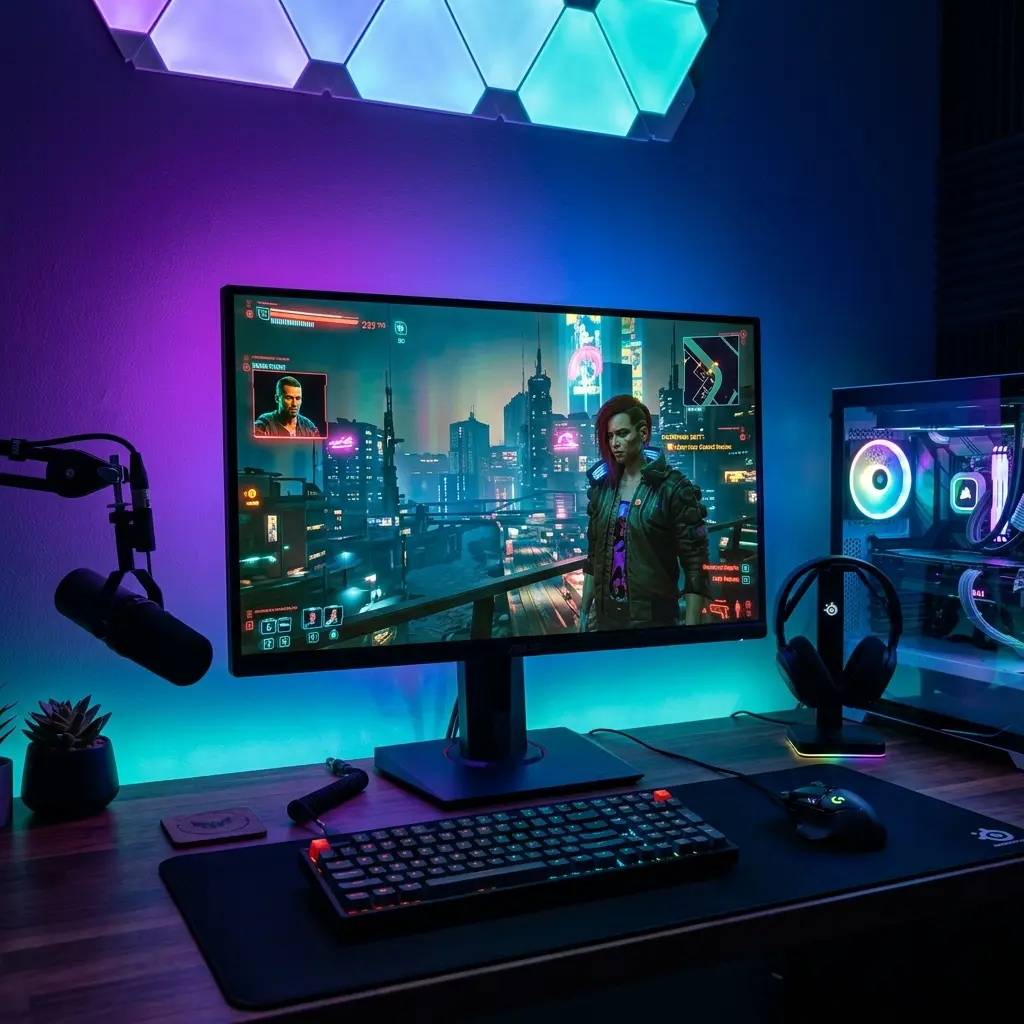
Identifying and fixing dead pixels on a monitor can enhance the visual experience significantly.
Physical Aspects and Resolution
Dead pixels can manifest in various forms, including stuck pixels that display a fixed color and dead pixels that remain black.
Resolution plays a critical role in identifying dead pixels; higher resolutions make it easier to spot these defects due to the increased pixel density.
Performance and Technology
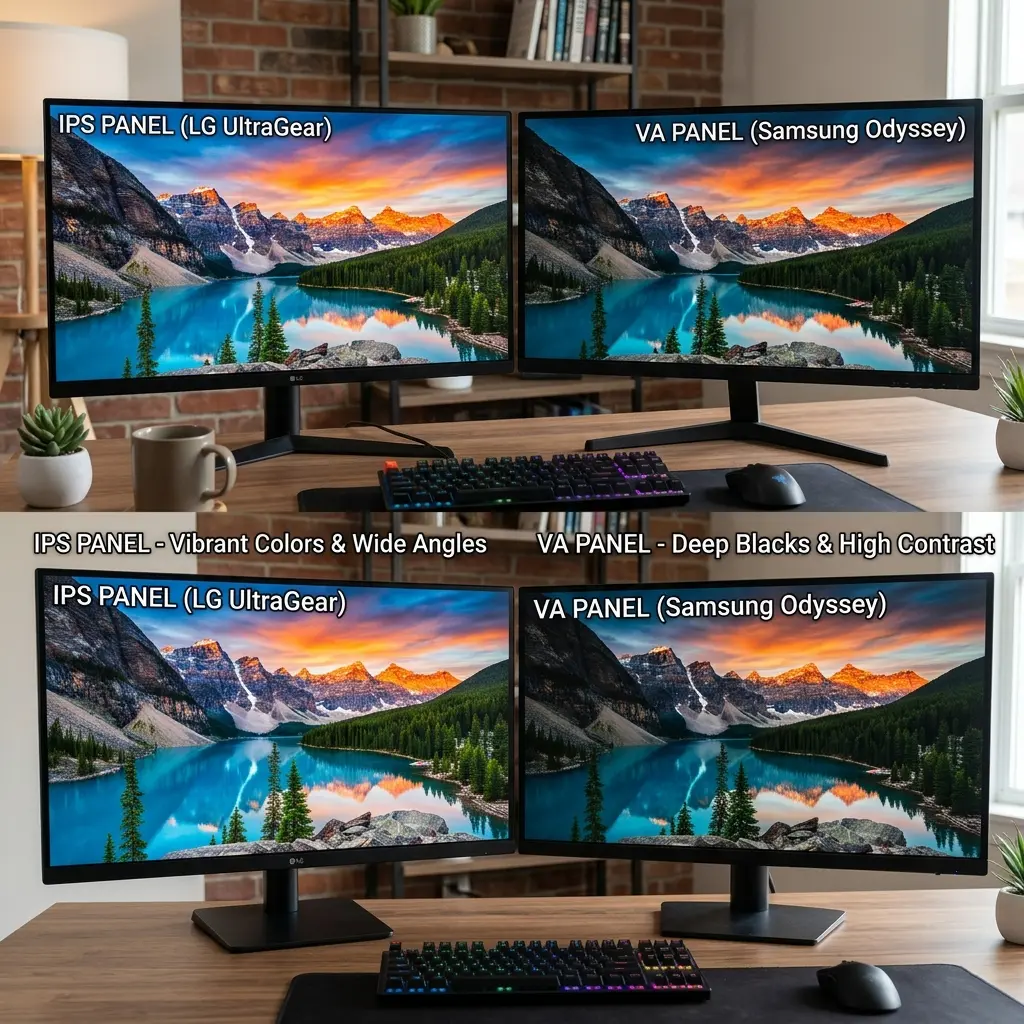
Technologies like IPS and OLED offer better color accuracy and viewing angles, which can mask minor pixel issues.
Utilizing manufacturer testing tools can simplify the process of detecting dead pixels during the warranty period.
Ergonomics and Visual Comfort
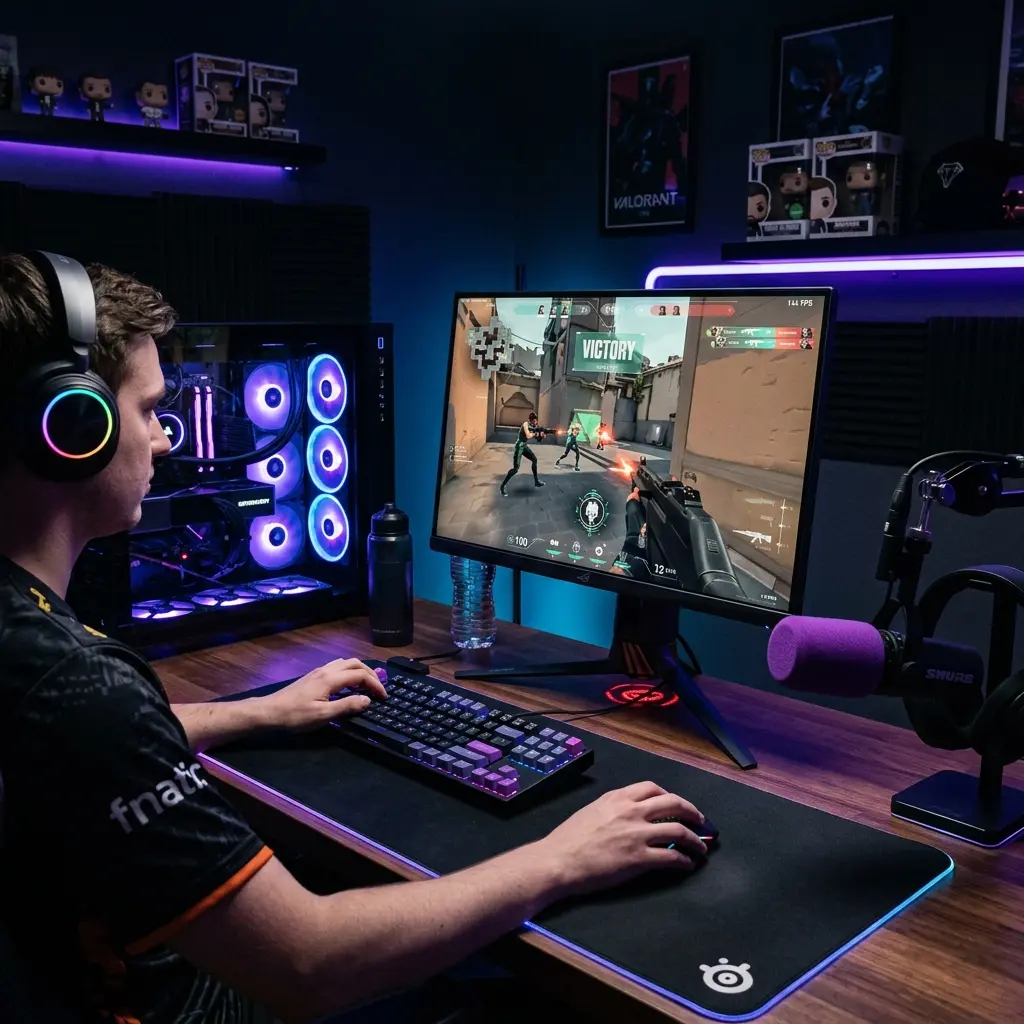
Proper monitor positioning can minimize strain, making dead pixels less noticeable during extended use.
Consider adjustable stands that allow optimal screen height and angle, enhancing overall visual comfort.
| Monitor Type | Dead Pixel Detection | Color Accuracy | Price Range |
|---|---|---|---|
| IPS | High | Excellent | High |
| VA | Medium | Good | Medium |
| TN | Medium | Fair | Low |
| OLED | High | Exceptional | Very High |
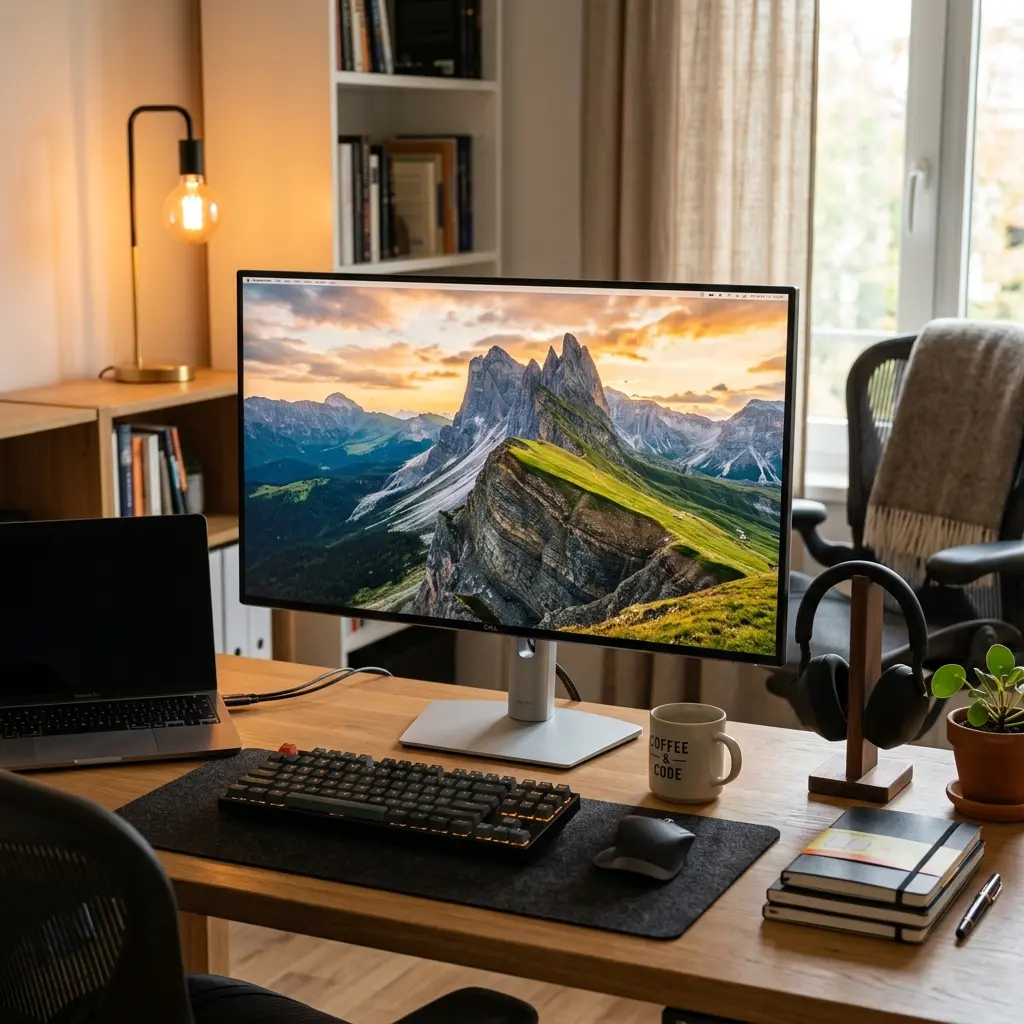
DomineTec Tip: Regularly calibrate the monitor to ensure optimal display settings, improving overall pixel visibility.
Buying Recommendations and Brands
Choosing reputable brands can reduce the chances of encountering dead pixels. Brands like Dell, ASUS, and LG are noted for their stringent quality controls.

- Research monitor specifications focusing on panel type and resolution.
- Check customer reviews specifically regarding dead pixel issues.
- Look for monitors with generous return policies for peace of mind.
- Consider purchasing from manufacturers with good customer support.
- Invest in a calibration tool if the monitor will be used for professional purposes.
Value Analysis and Verdict
A monitor’s value is not solely determined by its price but also by its performance, build quality, and warranty terms.
Investing in a high-quality display can mitigate the occurrence of dead pixels and enhance the overall user experience.
Understanding Pixel Structure and Functionality
To effectively identify and address dead pixels, it is essential to understand the basic structure and functionality of pixels in a monitor. Each pixel consists of sub-pixels that emit red, green, and blue light, which combine to create a full-color image.
When a pixel fails, one or more of these sub-pixels may become unresponsive, resulting in visible defects on the screen. This can manifest as a black dot (dead pixel) or a persistent bright dot (stuck pixel), which can be more challenging to fix.
Moreover, the arrangement of pixels in a grid layout means that a single dead pixel can disrupt the visual experience, particularly in high-resolution displays. Understanding how these pixels work is crucial for users who want to diagnose and potentially fix issues before seeking professional help.
Awareness of the pixel structure also helps users understand the limitations of their monitors, especially regarding warranty policies that might not cover dead pixels under certain conditions.
Tools and Software for Pixel Detection
Several software tools are available that assist users in detecting dead or stuck pixels on their monitors. These programs typically display a series of solid colors across the screen to help users identify inconsistencies.
Popular tools like Dead Pixel Buddy or JScreenFix provide a user-friendly interface for testing individual pixels in various colors. This can help pinpoint the exact location of dead pixels, making it easier to address the issue.
In addition to software tools, online pixel test websites can be utilized for quick checks. Users can simply navigate to these sites, which will prompt them to display specific colors to examine their screen effectively.
Using these tools not only helps in identifying dead pixels but also raises awareness of the overall condition of the monitor, prompting users to take appropriate action if necessary.
Temporary Fixes for Stuck Pixels
In some cases, stuck pixels can be temporarily resolved using various techniques. One common method is gently massaging the area around the stuck pixel with a soft cloth or fingertip, which may encourage the pixel to return to its normal state.
Another effective method involves using a pixel-fixing program that rapidly flashes colors on the affected area. This process can sometimes stimulate the pixel to function correctly again.
Users may also try turning the monitor off and then back on again, as this simple action can sometimes reset the pixel's functionality. However, these temporary fixes are not guaranteed and may only provide a short-term solution.
It's important to note that while these methods may help revive stuck pixels, they do not address underlying hardware issues. Persistent problems may require professional repair or replacement of the monitor.
Long-Term Maintenance and Care for Monitors
Proper long-term maintenance and care can significantly reduce the likelihood of dead pixels developing on a monitor. Regular cleaning with a microfiber cloth helps prevent dust and grime buildup, which can affect screen performance.
Avoiding extreme temperatures and humidity levels is also essential, as these environmental factors can impact the internal components of the monitor. Keeping the monitor in a stable environment promotes its longevity.
Additionally, users should ensure that their monitors are powered off during thunderstorms or power surges to prevent electrical damage. Using surge protectors can further safeguard against electrical issues that may lead to pixel failure.
Lastly, maintaining optimal display settings can help reduce strain on the monitor, thereby prolonging its lifespan and minimizing pixel issues over time.
Understanding Warranty and Manufacturer Policies
Before purchasing a monitor, understanding the warranty and manufacturer policies regarding dead pixels is crucial. Different brands have varying definitions of what constitutes an acceptable number of dead or stuck pixels under warranty.
Some manufacturers offer a zero dead pixel guarantee, while others may only provide coverage if multiple pixels are affected. Reviewing the warranty terms can save users from unexpected costs if pixel issues arise.
In many cases, manufacturers will require users to demonstrate the problem under specific conditions before considering a replacement. Familiarizing oneself with these policies can prevent frustration in the future.
It's also advisable to document any pixel issues with photos or videos, as this evidence can assist in discussions with customer support when seeking a resolution.
Community Forums and Resources for Troubleshooting
Engaging with community forums and online resources can offer valuable insights and support for users facing dead pixel issues. Many tech enthusiasts share their experiences and solutions, providing a wealth of knowledge.
Platforms like Reddit and dedicated tech forums often have threads discussing common problems with specific monitor models, allowing users to find tailored advice. This community-driven support can be vital for troubleshooting.
Additionally, video tutorials on platforms like YouTube can visually guide users through the process of identifying and potentially fixing dead pixels. These resources can enhance understanding and provide step-by-step instructions.
Participating in these communities not only helps individuals find solutions but also fosters a sense of shared experience among users, creating a supportive environment for troubleshooting monitor issues.
Future Technologies in Display Panel Development
The development of new display technologies is continuously evolving, which may impact the prevalence of dead pixels on future monitors. Advances in OLED and microLED technology are paving the way for screens with improved durability and pixel performance.
These technologies offer better pixel response times and greater color accuracy, potentially reducing the incidence of dead or stuck pixels. As manufacturers innovate, users may benefit from enhanced display quality and longevity.
Moreover, the introduction of self-healing materials in screen technology is being researched, which could allow screens to automatically repair minor defects, including dead pixels.
Keeping abreast of these technological developments can inform consumers about future purchasing decisions and the potential longevity of their investment in display technology.
Understanding the Impact of Dead Pixels on User Experience
Dead pixels can significantly detract from the overall visual experience of using a monitor. The presence of even a single dead pixel can disrupt the flow of images and cause distractions during tasks such as gaming, graphic design, or video editing.
Users may find that dead pixels affect their ability to focus, particularly in high-resolution displays where small details are crucial. This impact can lead to frustration, especially for professionals relying on accurate color representation and sharp visuals.
Moreover, the psychological effect of noticing a dead pixel can lead to increased stress or dissatisfaction with the monitor. Users may feel compelled to seek replacements or repairs, which can be a costly and time-consuming process.
Understanding these nuances allows users to better assess the importance of pixel integrity in their specific use cases, which may influence their purchasing decisions and ongoing maintenance practices.
Comparative Analysis of Repair Techniques
When dealing with dead pixels, various repair techniques can be employed, each with its own advantages and limitations. Methods such as pixel massage or software solutions may provide temporary relief, but their effectiveness can vary significantly across different monitor types.
For instance, pixel massage, which involves gently rubbing the affected area, might work on certain LCD panels but could risk damaging the screen further. Conversely, software solutions that employ flashing colors can stimulate dormant pixels, offering a non-invasive alternative.
Advanced techniques, such as heat application or using a pressure tool, may also yield varying results. Users should weigh the potential risks and benefits of each method based on their comfort level and the monitor's value.
Ultimately, a comparative analysis of these techniques can help users make informed decisions about which repair method aligns best with their needs and the specific characteristics of their monitor.
Environmental Factors Affecting Pixel Longevity
The longevity of pixels on a monitor can be influenced by several environmental factors. Temperature and humidity levels play a crucial role in the overall health of display panels, as extreme conditions can lead to malfunctioning pixels.
For example, excessive heat can cause thermal stress, while high humidity can lead to moisture accumulation within the panel, both of which may contribute to the development of dead or stuck pixels. Maintaining a stable environment is essential for prolonging monitor lifespan.
Additionally, exposure to direct sunlight can cause uneven wear on display surfaces, further exacerbating pixel issues over time. Users are advised to position their monitors away from direct light sources to mitigate these risks.
Understanding these environmental factors can empower users to create a conducive workspace that minimizes potential damage to their monitors, ultimately preserving pixel integrity for a longer period.
Identifying the Root Causes of Dead Pixels
Understanding the root causes of dead pixels is crucial for effectively addressing the issue. Dead pixels can arise from several factors, including manufacturing defects, physical damage, and environmental conditions. Manufacturing defects are often a result of flaws in the production process, leading to pixels that fail to respond to input signals.
Physical damage can occur due to impacts, pressure, or exposure to extreme temperatures, which may cause malfunctioning pixels. Furthermore, environmental factors such as humidity and dust can contribute to the deterioration of display panels over time, affecting pixel performance.
It is essential to observe the monitor's behavior over time to determine whether the dead pixels persist under different conditions. This observation may help in identifying whether the issue is a result of external factors or inherent defects in the display. Additionally, documenting the circumstances under which the dead pixels appear can provide valuable insights for troubleshooting.
In summary, pinpointing the root causes of dead pixels requires a combination of careful observation and understanding of the factors that can lead to pixel failures. By doing so, users can make informed decisions about repair options or potential replacements.
Advanced Techniques for Pixel Repair
For users seeking more advanced methods to repair dead pixels, there are several techniques that go beyond temporary fixes. One such method involves using software that employs rapid color cycling to stimulate the affected pixels. This technique works by cycling through a series of colors at high speed, which can sometimes "wake up" stuck pixels.
Another advanced approach is the use of pressure or gentle tapping on the affected area. By applying light pressure, users may be able to restore functionality to a stuck pixel, as this can help realign the liquid crystals within the display. However, caution is required, as excessive force can cause further damage.
Heat application is another technique that some users have reported success with. Carefully applying heat to the affected area, using a warm cloth or heating pad, may help in reviving a dead pixel. This method should be used sparingly, as overheating can damage the monitor.
Lastly, for those comfortable with hardware, disassembling the monitor may provide access to the display panel for more direct repair attempts. However, this approach carries risks, including voiding warranties and the potential for additional damage. Therefore, it is advisable to proceed with caution and consider professional assistance when needed.
Best Practices for Monitor Setup and Usage
Proper monitor setup and usage can significantly reduce the likelihood of dead pixels developing over time. Ensuring that your monitor is placed on a stable surface and at an appropriate distance from user eyes can mitigate physical stress on the display. Additionally, using the correct resolution and refresh rate settings as specified by the manufacturer can enhance overall performance and longevity.
Regular cleaning is also essential in maintaining a healthy monitor environment. Dust and debris can accumulate and potentially lead to display issues, including dead pixels. Utilize a microfiber cloth and appropriate cleaning solutions to keep the screen clear, ensuring that no residue remains that could interfere with pixel performance.
Furthermore, it is advisable to adjust the brightness and contrast settings of your monitor to optimal levels. Excessive brightness can lead to overheating, which may contribute to pixel failure over time. Regular breaks during extended usage can also help reduce strain on the monitor and the user's eyes.
Consider using screen savers or turning off the monitor during prolonged periods of inactivity. This not only conserves energy but also minimizes the risk of burn-in or dead pixel formation due to static images being displayed for too long. Implementing these best practices can prolong the life of your monitor and enhance the viewing experience.
Understanding Different Types of Display Technologies
The type of display technology used in monitors can greatly influence the occurrence of dead pixels. LCD, LED, OLED, and other technologies each have unique characteristics that impact their durability and performance. LCD monitors, for instance, are more prone to dead pixels due to their reliance on liquid crystals that can fail over time.
On the other hand, OLED monitors use organic compounds that emit light, offering better color accuracy and contrast. However, they can suffer from burn-in effects and may not be immune to pixel issues either. Understanding these differences can help users make informed choices when selecting a monitor based on their needs and usage patterns.
Additionally, advancements in display technology, such as quantum dot displays or mini-LED backlighting, promise improved pixel performance and longevity. These technologies aim to reduce the likelihood of dead pixels while enhancing the overall visual experience. Being aware of these innovations allows consumers to stay informed about the best options available.
Choosing the right monitor type should also consider the intended usage, whether for gaming, professional design work, or general use. Each application may have specific requirements that can influence the impact of dead pixels and overall display quality. Understanding the nuances of different display technologies can lead to better purchasing decisions and satisfaction.
Frequently Asked Questions
What causes dead pixels?
Dead pixels can result from manufacturing defects, physical damage, or prolonged use of the monitor.
Can dead pixels be fixed?
Some dead pixels may be fixed using software solutions or gentle tapping, but many require replacement.
How can I prevent dead pixels?
Regular maintenance and careful handling during transport can help minimize the risk of dead pixels.
Are certain monitor brands more prone to dead pixels?
While quality varies, some brands are recognized for better quality control, thus reducing dead pixel occurrences.
Is a warranty effective for dead pixel issues?
Many manufacturers offer warranties covering dead pixels, but terms can vary, so reviewing the policy is essential.




