How to Fix ABS Layer Delamination (Separation): Enclosure and Chamber Heat
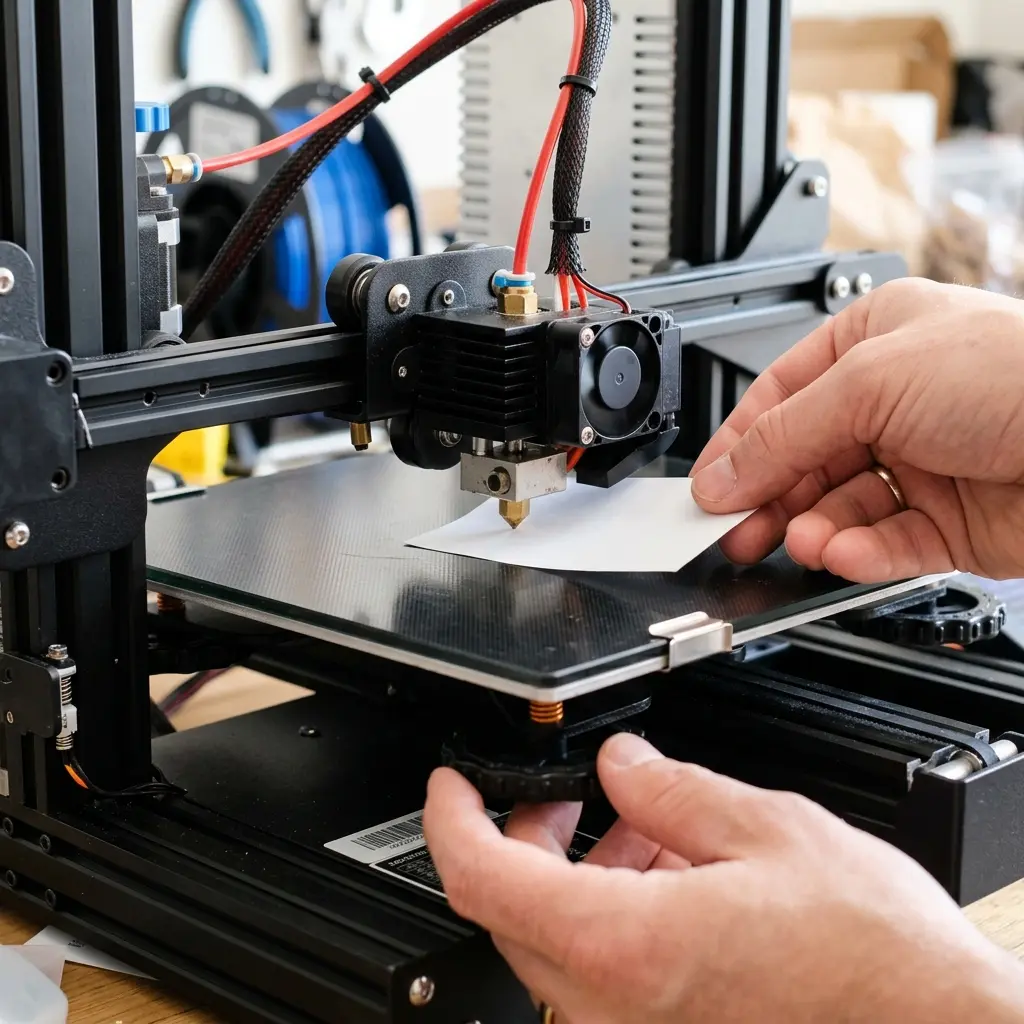
To fix ABS layer delamination, maintain a stable temperature in your 3D printing enclosure and ensure optimal chamber heat.
Understanding ABS Layer Delamination
Layer delamination in ABS (Acrylonitrile Butadiene Styrene) prints occurs when layers fail to bond properly, leading to separation. This issue can compromise the mechanical strength and aesthetic quality of the printed model.
Several factors contribute to ABS layer delamination, with temperature being a primary one. Maintaining the right temperature throughout the printing process is crucial for achieving optimal adhesion between layers.
Importance of Enclosure in 3D Printing
An enclosure plays a vital role in regulating temperature during the 3D printing process. It helps to contain heat, preventing thermal fluctuations that can lead to warping and delamination.
When printing with ABS, the material requires a high temperature to achieve proper layer adhesion. An enclosure minimizes drafts and maintains a stable environment, essential for successful prints.
Optimal Chamber Heat Settings
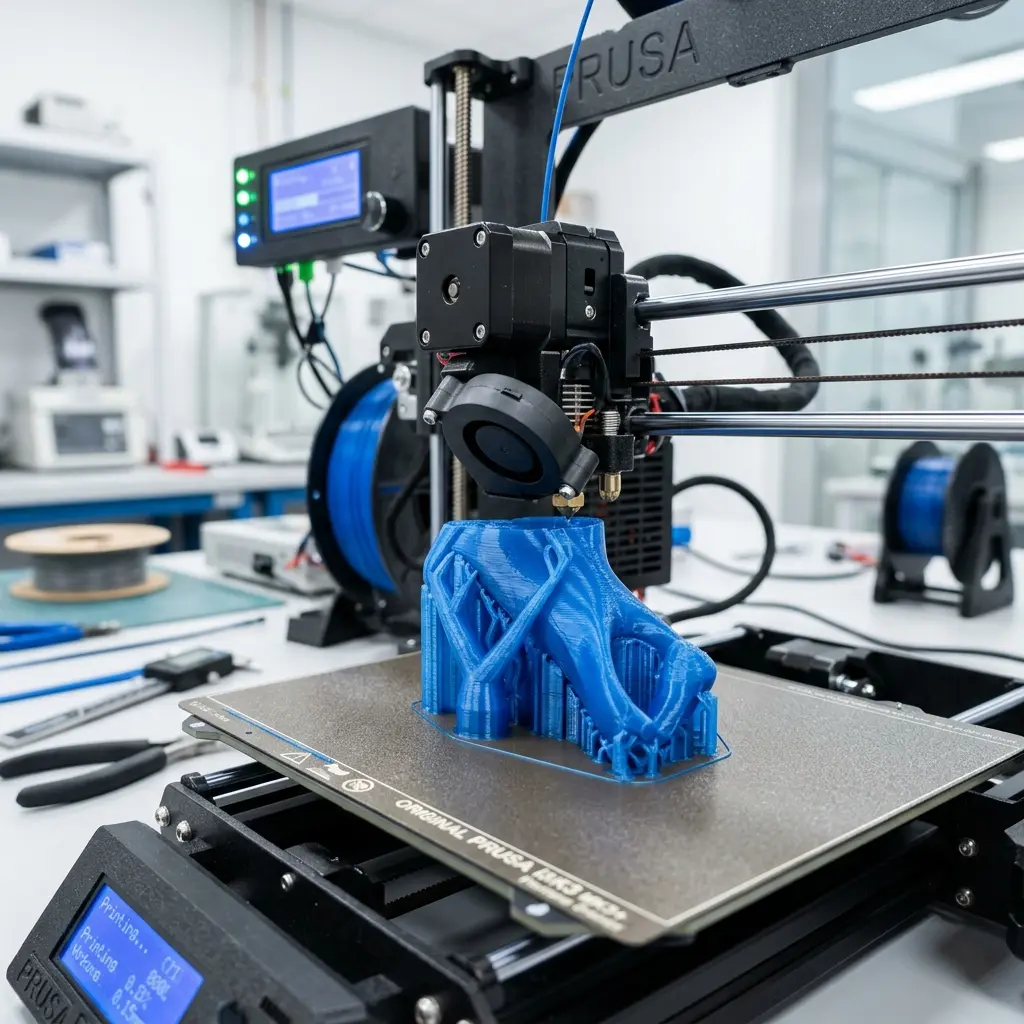
For ABS printing, the ideal chamber temperature typically ranges from 40°C to 70°C. This temperature range ensures that the material remains pliable enough to bond with subsequent layers effectively.
Using a heated bed alongside an enclosed chamber can further enhance adhesion. The heated bed should be set between 90°C and 110°C to prevent the bottom layers from cooling too quickly, which can lead to warping and delamination.
| Parameter | Recommended Settings |
|---|---|
| Chamber Temperature | 40°C - 70°C |
| Heated Bed Temperature | 90°C - 110°C |
Common Causes of ABS Delamination
Understanding the root causes of layer delamination can assist in preventing future issues. Some common causes include:
- Insufficient temperature in the enclosure.
- Rapid cooling of printed layers.
- Inconsistent filament quality.
- Poor adhesion of the first layer.
- Incorrect print speed settings.
Addressing these factors can significantly improve print quality and reduce the likelihood of delamination.
Steps to Fix Layer Delamination in ABS Prints
Implementing the following steps can help resolve layer delamination issues:
- Ensure the 3D printer is equipped with a properly functioning enclosure.
- Verify that the chamber is heated to an optimal temperature range of 40°C - 70°C.
- Adjust the heated bed temperature to between 90°C and 110°C.
- Calibrate the 3D printer to ensure proper first-layer adhesion.
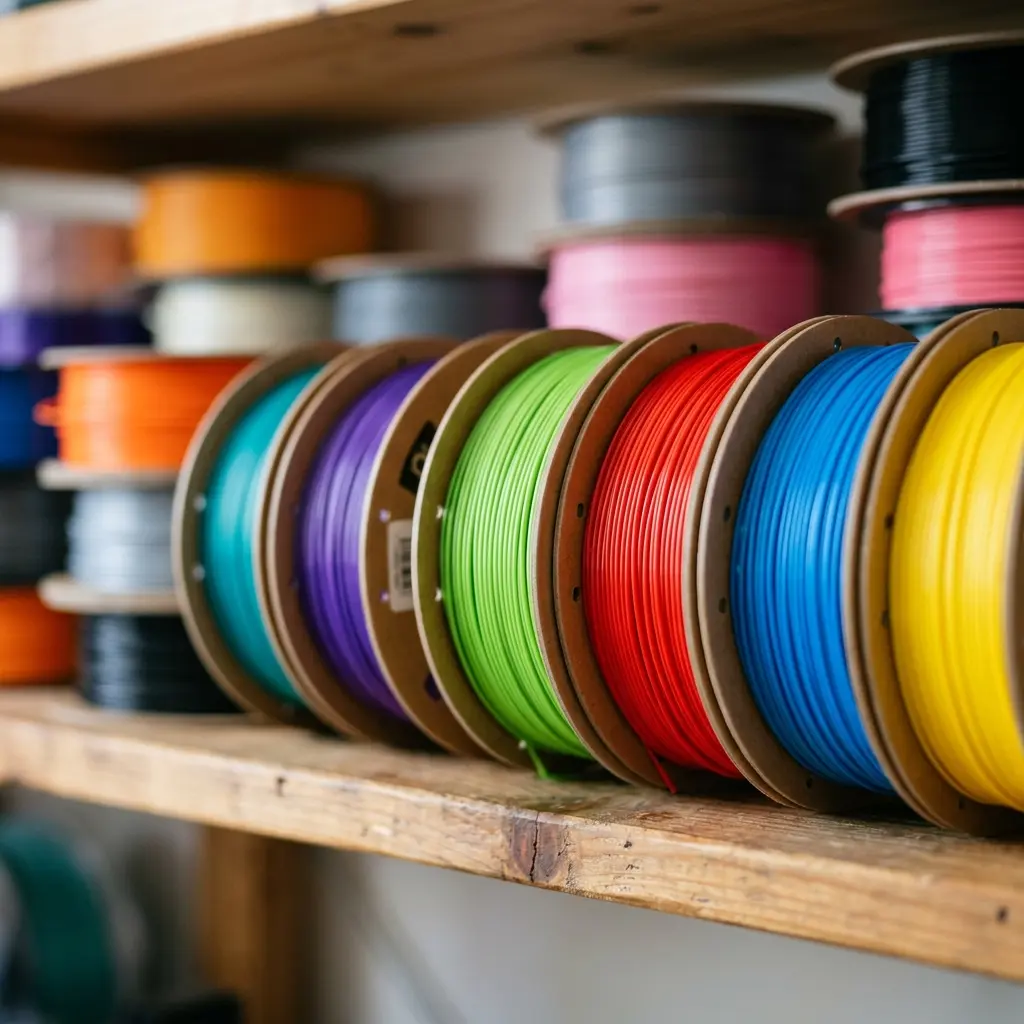
- Use high-quality ABS filament to prevent inconsistencies.
- Optimize print speed settings to reduce thermal stress on the material.
DomineTec Tip: Regularly monitor the temperature of both the enclosure and the heated bed using thermocouples or infrared thermometers to maintain optimal settings.
Enhancing Adhesion with Print Settings
Alongside temperature adjustments, refining print settings can significantly improve layer adhesion. Consider the following:
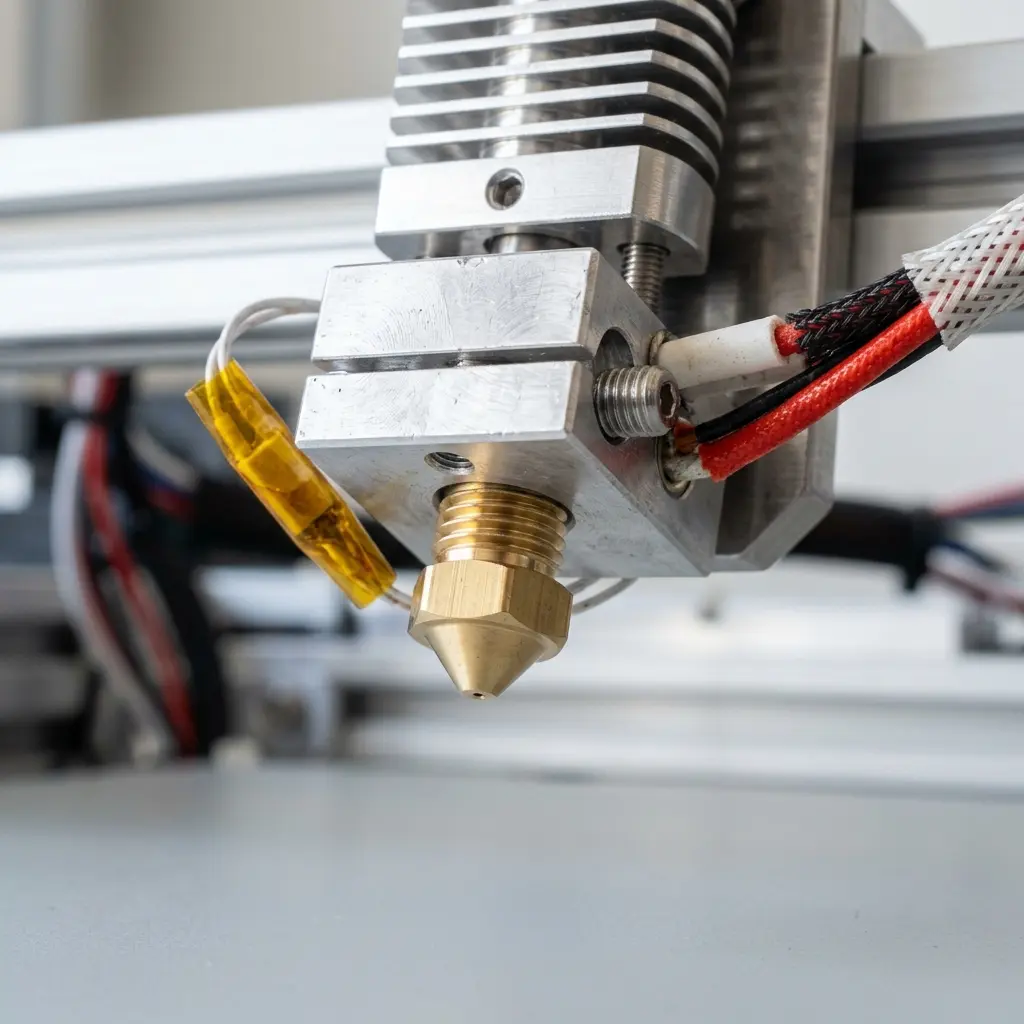
- Increase the extrusion temperature slightly if delamination persists.
- Reduce print speed to enhance layer bonding.
- Utilize a brim or raft to improve the first layer adhesion.
- Consider adjusting the layer height to ensure better inter-layer bonding.
These modifications can facilitate better thermal management during the printing process.
Post-Processing Techniques for ABS Prints
Post-processing can also mitigate issues stemming from layer delamination. After printing, the following techniques can enhance the appearance and structural integrity of ABS prints:
- Use acetone vapor smoothing to enhance layer adhesion and finish.
- Apply adhesive solutions to reinforce layer bonds.
- Sand the surface to create a smoother finish and improve adhesion for additional layers if needed.
These methods can be especially useful when further modifications or paint applications are planned.
Comparative Analysis of 3D Printing Materials
Different 3D printing materials exhibit varied properties that influence their performance. Below is a comparison of ABS and other common materials.
| Material | Temperature Resistance | Ease of Printing | Post-Processing Options | Common Uses |
|---|---|---|---|---|
| ABS | High (up to 100°C) | Moderate | Acetone smoothing, sanding | Functional prototypes, automotive parts |
| PLA | Low (up to 60°C) | Easy | Easy to paint, less post-processing required | Decorative items, hobbyist prints |
| PETG | Moderate (up to 80°C) | Moderate | Can be sanded and painted | Food containers, mechanical parts |
Advanced Troubleshooting Techniques
In some cases, delamination may persist despite optimal settings. Here are advanced troubleshooting measures:
- Conduct a test print at varying temperatures to determine the optimal extrusion temperature.
- Experiment with different brands of ABS filament to find one that adheres better.
- Check the nozzle diameter; a larger diameter can improve extrusion flow.
- Inspect the cooling fan settings; reducing airflow can help maintain layer temperature.
- Consider using a different layer height to enhance bond strength.
Checklist for Successful ABS Printing
Utilize the following checklist to ensure successful ABS printing:
- Is the enclosure properly sealed to maintain temperature?
- Is the chamber temperature within 40°C to 70°C?
- Is the heated bed set to 90°C to 110°C?
- Is the extrusion temperature set between 220°C to 250°C?
- Is the filament of high quality and stored correctly?
- Are print speed settings optimized for layer adhesion?
Frequently Asked Questions
What is layer delamination in 3D printing?
Layer delamination occurs when layers of a 3D print separate instead of adhering to each other. This can lead to structural weaknesses and aesthetic defects in the final product.
How can an enclosure prevent ABS layer delamination?
An enclosure helps maintain a stable environment, reducing thermal fluctuations that can cause layers to cool unevenly. This stability promotes better adhesion between layers during printing.
What temperature is best for printing ABS?
The optimal printing temperature for ABS typically ranges from 220°C to 250°C, while the heated bed should be set between 90°C and 110°C. These settings improve layer bonding and reduce the risk of warping.
Can layer delamination occur with other filaments?
Yes, layer delamination can occur with various filaments, especially those sensitive to temperature changes, such as PLA and PETG. Proper temperature control and settings are essential across different materials.
Is there a difference between using PLA and ABS for printing?
Yes, while both materials are popular for 3D printing, ABS requires higher temperatures and better environmental control compared to PLA, which is more forgiving during the printing process.




