How to Do Virtual Tourism and Travel the World using VR Headsets
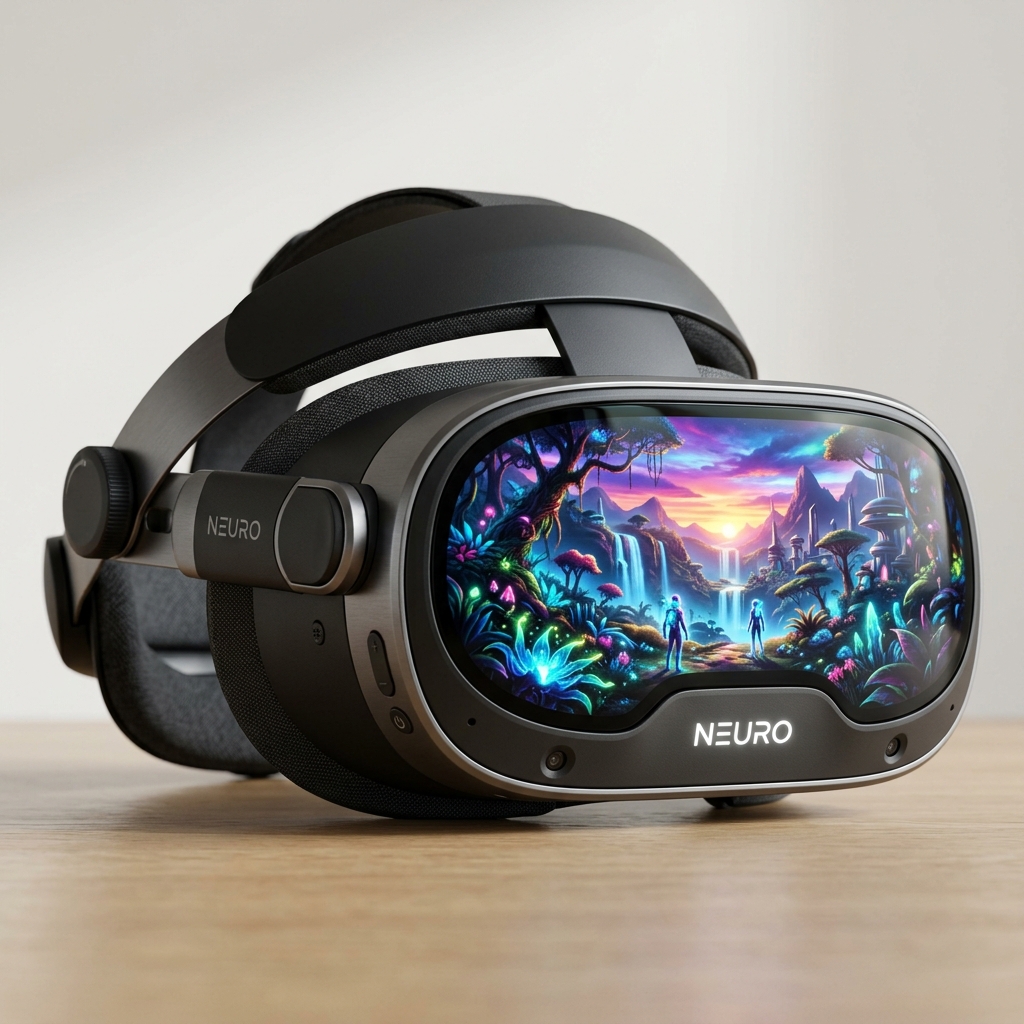
How to Do Virtual Tourism and Travel the World using VR Headsets
Virtual tourism is revolutionizing the way individuals explore the globe. Discovering how to do virtual tourism and travel the world using VR headsets opens up unparalleled opportunities.
Understanding Virtual Tourism
Virtual tourism allows users to experience destinations from the comfort of their homes. It employs VR technology to provide immersive environments that can replicate real-world locations.
Benefits of Virtual Tourism
Accessibility is a primary advantage of virtual tourism. Individuals with mobility limitations or financial constraints can enjoy global experiences without the barriers of traditional travel.
Additionally, virtual tourism often costs significantly less than physical travel, providing an economical alternative to exploring various cultures.
Choosing the Right VR Headset
Selecting a suitable VR headset is essential for an optimal virtual tourism experience. Different models offer varying resolutions, field of view, and compatibility with content.
Comparison of Popular VR Headsets
| Model | Resolution | Field of View | Refresh Rate | Price |
|---|---|---|---|---|
| Meta Quest 3 | 2064 x 2208 per eye | 110° | 120 Hz | $499 |
| Meta Quest 2 | 1832 x 1920 per eye | 90° | 90 Hz | $299 |
| HTC Vive Focus 3 | 2448 x 2448 per eye | 110° | 90 Hz | $999 |
| Valve Index | 1440 x 1600 per eye | 130° | 144 Hz | $999 |
| PlayStation VR2 | 2000 x 2040 per eye | 110° | 120 Hz | $549 |
| Apple Vision Pro | 23 million pixels | 120° | 90 Hz | $3499 |
Steps to Experience Virtual Tourism
- Purchase a VR headset that meets personal requirements.
- Download a virtual tourism app or platform.
- Connect the headset to a compatible device.
- Select a destination within the app.
- Utilize interactive features to enhance the experience.
- Engage with virtual guides or communities for added insight.
DomineTec Tip: Consider checking out the latest deals to buy Meta Quest 3 for an enhanced virtual tourism experience.
Popular Virtual Tourism Platforms
Several platforms offer extensive virtual tourism experiences. Platforms like Oculus Venues, Wander, and Google Earth VR provide diverse locations to explore.
These applications often come with additional features, such as guided tours and historical information, enhancing the overall experience.
Exploring Immersive Experiences
Virtual tourism is not only about viewing locations; it also involves interactive experiences. Engaging with environments can range from walking through ancient ruins to participating in cultural festivals.
Limitations of Virtual Tourism
Despite its advantages, virtual tourism has limitations. The lack of physical presence can diminish the sensory experience often associated with real-world travel.
Technical limitations such as motion sickness can also affect user experience, especially on lower-end headsets.
Enhancing the Virtual Experience
To maximize enjoyment, consider using additional accessories. High-quality headphones and haptic feedback devices can elevate immersion during virtual travel.

Future of Virtual Tourism
The future of virtual tourism looks promising. Advancements in technology, particularly in graphics and interactivity, will enhance experiences.
As platforms evolve, opportunities for more realistic and engaging virtual experiences will likely become available.
Maintaining VR Headsets
Proper maintenance of VR headsets is crucial for longevity. Regular cleaning of lenses and straps can prevent wear and ensure clarity during use.
Software updates should also be performed frequently to maintain compatibility and enhance functionality.

Conclusion
Virtual tourism offers an exciting way to explore the world without the limitations of physical travel. By understanding how to do virtual tourism and travel the world using VR headsets, individuals can unlock new experiences from home.
Frequently Asked Questions
What is virtual tourism?
Virtual tourism refers to the use of VR technology to explore destinations remotely, providing immersive experiences akin to physical travel.
What are the best VR headsets for virtual tourism?
Some of the best VR headsets for virtual tourism include the Meta Quest 3, HTC Vive Focus 3, and Valve Index, each offering unique features and specifications.
Can virtual tourism replace physical travel?
While virtual tourism can offer stunning experiences, it cannot fully replace the sensory and emotional aspects of physical travel.
Is virtual tourism suitable for children?
Yes, virtual tourism can be suitable for children, particularly with parental guidance and appropriate content. Safety measures should be considered.
How can virtual tourism benefit education?
Virtual tourism can enhance education by providing immersive learning experiences, allowing students to explore historical sites, cultures, and environments firsthand.
Understanding Virtual Tourism
Virtual tourism allows individuals to explore the world from the comfort of their homes. This innovative approach uses technology to create immersive experiences that replicate real-world locations.
With VR headsets, users can engage in interactive tours, visit landmarks, and even experience local cultures without physical travel. This means that the wonders of the world are just a headset away.
Choosing the Right VR Headset
Selecting the appropriate VR headset is crucial for an enjoyable virtual tourism experience. Models like the Oculus Quest 2 and HTC Vive Pro offer high-resolution displays and advanced tracking features.
Consider factors such as comfort, graphics quality, and ease of use when making a choice. Investing in a quality headset enhances the realism and immersion of virtual explorations.
Popular Virtual Tourism Experiences
A variety of virtual tourism experiences are available to explore, ranging from guided city tours to immersive nature hikes. Platforms like Wander and Google Earth VR allow users to traverse famous landmarks and scenic vistas.
Some experiences even provide 360-degree views and interactive elements, enhancing the sense of presence. Engaging with these experiences can transport users to exotic locations worldwide.
How to Access Virtual Tours
Accessing virtual tours typically involves downloading specific applications designed for VR headsets. Many platforms, such as Oculus Store and SteamVR, offer a plethora of virtual travel options.
Additionally, some websites provide free virtual tours that can be accessed through web browsers, making it easy to start exploring without significant investment. A stable internet connection will enhance the experience by ensuring smooth streaming of high-quality content.
Enhancing the Virtual Experience
To maximize enjoyment during virtual tourism, consider enhancing the experience with accessories. Items like VR gloves or controllers can provide tactile feedback, making interactions feel more lifelike.
Pairing the VR experience with ambient sounds or themed snacks can also create a more immersive environment. These small additions can elevate the overall journey, making it feel more genuine.
Social Aspects of Virtual Tourism
Virtual tourism also offers social opportunities, allowing users to connect with friends or family during their travels. Many platforms support multiplayer experiences, enabling group tours or shared adventure experiences.
Sharing experiences in real-time can enhance enjoyment and foster connections, making virtual tourism a social activity. Engaging with others can lead to memorable discussions about the places explored.
Benefits of Virtual Tourism
One of the significant advantages of virtual tourism is accessibility. Individuals with mobility challenges or financial constraints can explore destinations that may otherwise be out of reach.
Additionally, virtual tourism can be a sustainable option, reducing the carbon footprint associated with traditional travel. This growing trend allows everyone to experience the beauty of the world responsibly.
Future Trends in Virtual Tourism
The future of virtual tourism is promising, with advancements in technology expected to enhance realism and interactivity. Innovations like augmented reality and haptic feedback may soon become standard in virtual travel experiences.
As VR technology becomes more widespread, the potential for unique travel experiences will continue to grow. Staying informed about these trends can lead to discovering new ways to travel the world virtually.
How to Do Virtual Tourism and Travel the World using VR Headsets
Virtual tourism offers a unique way to explore faraway destinations without leaving home. Using VR headsets, individuals can experience immersive environments and cultures from the comfort of their living rooms.
Choosing the Right VR Headset
Selecting the right VR headset is crucial for an enjoyable experience. The following table outlines popular VR headsets along with their key specifications.
| VR Headset | Resolution | Field of View | Price Range |
|---|---|---|---|
| Oculus Quest 2 | 1832 x 1920 per eye | 90 degrees | $299 - $399 |
| HTC Vive Pro 2 | 2448 x 2448 per eye | 120 degrees | $799 - $1399 |
| Valve Index | 1440 x 1600 per eye | 130 degrees | $999 - $1099 |
| Pico Neo 3 | 3664 x 1920 per eye | 90 degrees | $499 - $599 |
Exploring Virtual Travel Platforms
- Google Earth VR: Enables users to fly around the globe and visit various locations in stunning detail.
- Wander: Allows users to visit places using Google Maps data, providing a street view-like experience.
- VIRTUAL REALITY TRAVEL: Specializes in guided tours of global landmarks, museums, and historical sites.
- National Geographic Explore VR: Offers immersive experiences that focus on nature and wildlife adventures.
Preparing for a Virtual Tour
Creating a comfortable environment free of distractions can further enhance immersion. Consider using headphones for better audio quality and a more engaging experience.
Tips for an Immersive Experience
- Adjust Settings: Tweak the headset settings for optimal comfort and visual clarity.
- Explore with Friends: Many platforms allow for social interactions, adding a layer of fun.
- Take Breaks: Schedule breaks to prevent fatigue and maximize enjoyment.
- Document Your Journey: Consider taking screenshots or notes about interesting facts.
Popular Virtual Destinations
| Destination | Description | Recommended Platform |
|---|---|---|
| The Great Wall of China | Explore the ancient structure and its surrounding landscapes. | Google Earth VR |
| The Louvre Museum, Paris | Walk through one of the world's most famous museums and view masterpieces. | VIRTUAL REALITY TRAVEL |
| Grand Canyon National Park | Experience breathtaking views and the vastness of this natural wonder. | National Geographic Explore VR |
| Tokyo, Japan | Immerse in the vibrant culture and unique architecture of Tokyo. | Wander |
Understanding the Benefits of Virtual Tourism
- Accessibility: Virtual tourism is ideal for those who cannot travel due to health or financial constraints.
- Educational Opportunities: Engaging with different cultures can enhance learning experiences.
- Cost-Effectiveness: Traveling virtually is often significantly cheaper than physical travel.
- Environmental Impact: Virtual tourism reduces the carbon footprint associated with travel.
Future of Virtual Tourism
Improved graphics, haptic feedback, and even more interactive elements are expected. These advancements will likely revolutionize how individuals explore the world.
Conclusion
Exploring Cultural Heritage Sites Virtually
Virtual reality allows users to step into the past and explore cultural heritage sites that may be difficult to visit in person. Platforms like Oculus Quest 2 and HTC Vive offer immersive experiences that transport users to ancient ruins and historic landmarks.
Apps like Wander and Google Earth VR provide detailed reconstructions of iconic sites such as the Great Wall of China and the Colosseum in Rome. This not only enriches knowledge but also fosters appreciation for the world's diverse cultures.
By participating in guided tours through VR, users can learn from experts while experiencing these wonders up close. This form of virtual tourism preserves cultural narratives and makes history accessible to everyone, regardless of location.
Enhancing Travel Experiences with VR Technology
VR technology enhances travel experiences by allowing users to preview destinations before booking. Devices like the Valve Index and Pico Neo 3 provide realistic simulations of various environments, helping travelers make informed decisions.
Virtual reality can simulate local attractions, restaurants, and accommodations, giving users a taste of what to expect. This innovative approach to travel planning helps create tailored itineraries that cater to individual preferences and interests.
Moreover, VR experiences can eliminate the uncertainty associated with unfamiliar destinations. By using virtual tours to explore places like Tokyo’s bustling streets or the serene landscapes of Santorini, travelers can confidently embrace their adventures.
VR Social Experiences: Traveling with Friends and Family
One of the most exciting aspects of virtual tourism is the ability to share experiences with friends and family, regardless of physical distance. Platforms like AltspaceVR and VRChat create social environments where users can meet and explore together.
These social VR experiences allow users to embark on adventures, attend events, or simply hang out in virtual spaces designed for leisure and exploration. Whether visiting a virtual museum or enjoying a scenic hike, the social aspect enhances the overall experience.
By connecting with others in a virtual world, users can create lasting memories and strengthen bonds. This shared experience makes virtual tourism a unique and enjoyable alternative to traditional travel methods, especially for those unable to travel physically.




