How to Do Virtual Tourism and Travel the World in 360 Degrees using VR Headsets (Virtual Tour Guide Agency Web)
How to Do Virtual Tourism and Travel the World in 360 Degrees Using VR Headsets
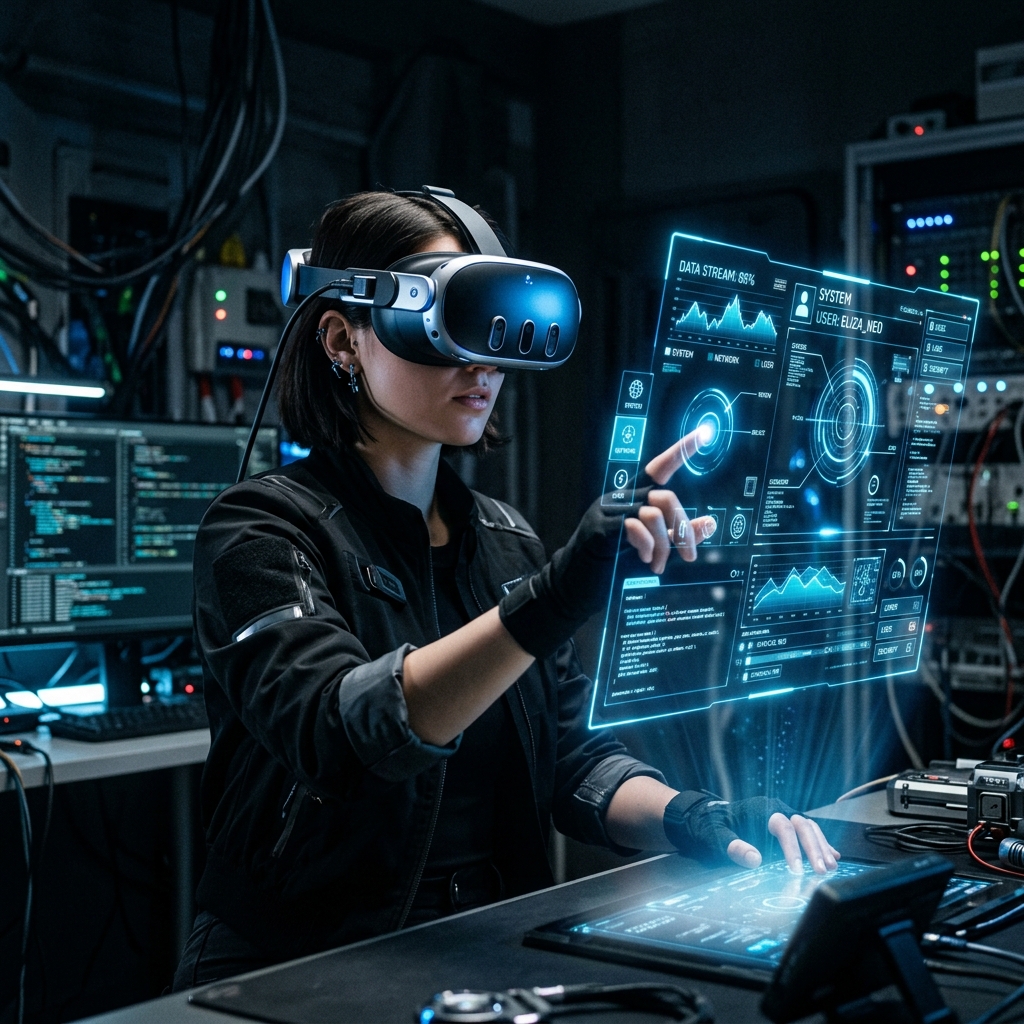
The world of virtual tourism has evolved significantly, allowing explorers to experience breathtaking destinations without leaving home. By utilizing VR headsets, immersive environments can be accessed, offering a unique perspective on global landmarks and cultures.
With the rise of virtual tour guide agencies, navigating these experiences has become even more accessible. Users can now step into 360-degree worlds, experiencing sights and sounds that make it feel as though they are truly present in far-off places.

Choosing the Right VR Headset
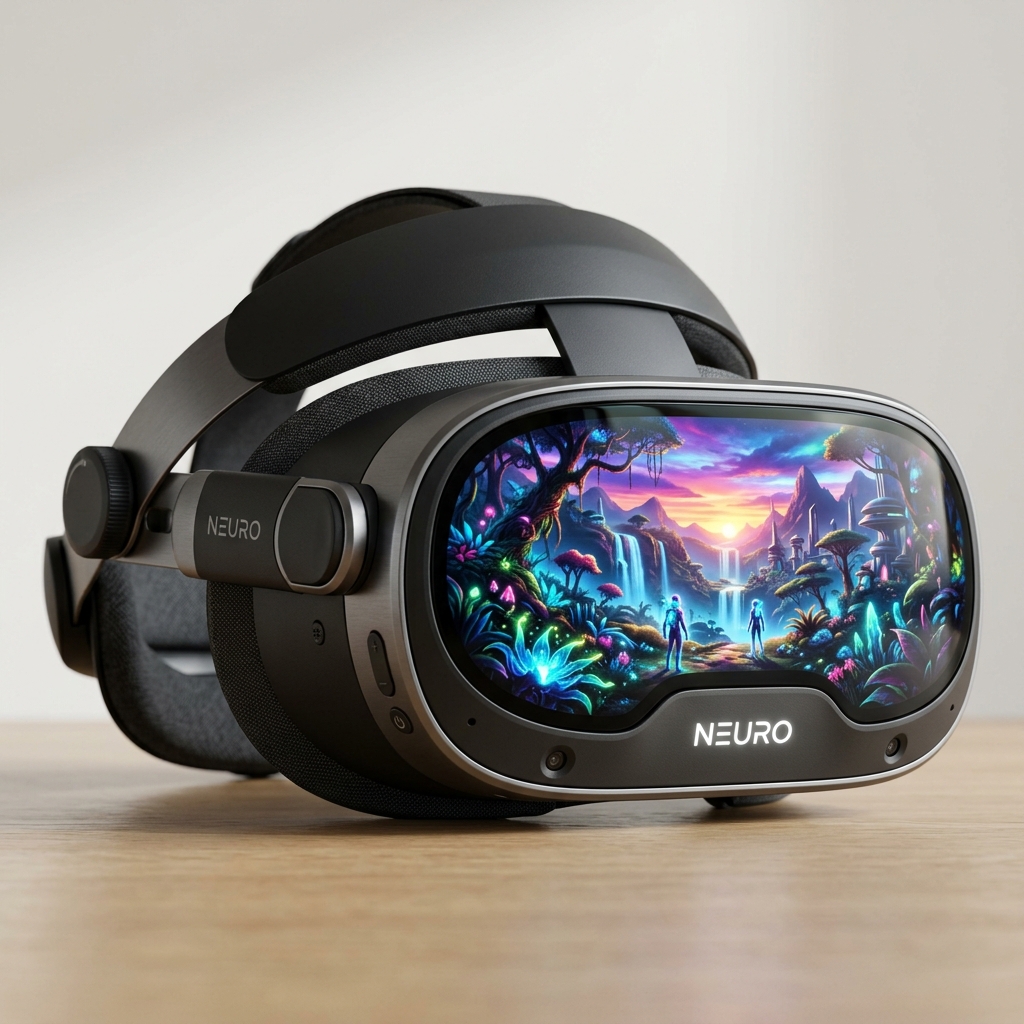
Selecting the appropriate VR headset is crucial for an immersive experience. Various options exist, each with distinct features and specifications. Below is a comparison table of some of the leading commercial VR headsets available today.
| VR Headset | Resolution | Field of View | Price | Wireless Capability |
|---|---|---|---|---|
| Meta Quest 3 | 2064 x 2208 per eye | 110 degrees | Buy Meta Quest 3 | Yes |
| HTC Vive Pro 2 | 2448 x 2448 per eye | 120 degrees | $799 | Yes |
| Oculus Rift S | 2560 x 1440 (combined) | 110 degrees | $399 | No |
| Valve Index | 1440 x 1600 per eye | 130 degrees | $999 | Yes |
| Pico Neo 3 | 3664 x 1920 per eye | 90 degrees | $499 | Yes |
The Benefits of Virtual Tourism
Virtual tourism offers numerous advantages. It provides accessibility to individuals unable to travel due to financial, health, or other constraints. It also allows for the exploration of remote locations that may be difficult to reach physically.
Another significant benefit is the opportunity to experience various cultures and environments in a time-efficient manner. Virtual tours can be enjoyed from the comfort of home, eliminating the logistical challenges of traditional travel.

Getting Started with Virtual Tours
To embark on a virtual tourism journey, a VR headset and a subscription or access to a virtual tour guide agency website are needed. Once equipped, users can select from a variety of destinations and experiences.
Many virtual tours offer guided experiences, where knowledgeable hosts provide insights and information. This interactive element enhances engagement, making it more than just passive viewing.

Exploring the Interactive World
The interactive nature of virtual tourism caters to all ages. Users can navigate through museums, historical sites, and natural wonders, interacting with elements in a 3D space. This level of engagement fosters a deeper understanding and appreciation of different cultures.
In addition to sightseeing, many platforms offer activities such as cooking classes, language lessons, and guided hikes, allowing users to fully immerse themselves in their chosen destination.
Conclusion
Virtual tourism represents a remarkable evolution in travel experiences. Through the use of VR headsets, individuals are invited to explore the world like never before. With a variety of options available, everyone can find a suitable platform to embark on their virtual adventures.
Frequently Asked Questions
What equipment is needed for virtual tourism?
A VR headset is essential, along with a compatible device such as a computer or smartphone. Access to a virtual tour guide agency website will enhance the experience.
Can virtual tourism replace traditional travel?
While virtual tourism offers unique experiences, it cannot fully replace the sensations and emotions associated with physical travel. However, it serves as an excellent alternative for many.
Are there free virtual tours available?
Many platforms offer free virtual tours, allowing users to explore different locations without any cost. Premium experiences may incur fees.
Is virtual tourism suitable for children?
Yes, virtual tourism can be educational and entertaining for children. It exposes them to new cultures and environments in a safe setting.
How can virtual tours enhance learning?
Virtual tours provide an interactive way to learn about history, geography, and cultures. Engaging experiences can foster a deeper understanding of subjects taught in school.
Understanding Virtual Tourism
Virtual tourism allows individuals to explore distant locations from the comfort of their homes. With advancements in technology, immersive experiences are now accessible to everyone.
This innovative approach to travel eliminates geographical barriers and provides a unique way to experience world cultures. It combines entertainment with education, making it suitable for all ages.
The Role of VR Headsets in Virtual Travel
VR headsets such as the Meta Quest 2 and Valve Index immerse users in 360-degree environments. These devices enhance the virtual tourism experience through high-resolution visuals and spatial audio.
With a VR headset, users can feel as though they are walking through ancient ruins or standing on a bustling city street. This level of immersion can transform the way travel is experienced.
Choosing the Right Virtual Tour Platforms
Numerous platforms offer virtual tours that cater to a variety of interests, from art galleries to natural wonders. Websites like Wander and Oculus Venues provide a range of experiences for users to explore.
Selecting the right platform is crucial for maximizing enjoyment and educational value. Researching user reviews and available tours can help in making an informed choice.
Benefits of Virtual Tourism
One significant advantage of virtual tourism is the cost-effectiveness compared to traditional travel. There are no flight tickets, accommodation fees, or dining expenses involved.
Additionally, virtual tourism is environmentally friendly, reducing carbon footprints associated with travel. This makes it a sustainable option for exploring the world.
Enhancing the Experience with Interactive Features
Many virtual tour platforms offer interactive elements such as guided commentary and quizzes. These features can enhance engagement and provide deeper insights into the locations being explored.
Interactivity allows users to ask questions and receive real-time responses, creating a more personalized experience. This level of engagement can lead to a greater appreciation of different cultures.
Exploring Historical Sites Virtually
Virtual tourism offers a unique opportunity to visit historical sites that may be inaccessible due to distance or preservation efforts. Locations like Machu Picchu or the Great Wall of China can be experienced without the need for physical travel.
These virtual visits can provide educational benefits, allowing users to learn about history in an engaging manner. Many platforms collaborate with historians to ensure accuracy and enhance learning.
Using Virtual Reality for Educational Purposes
Educational institutions increasingly utilize virtual tourism to enhance curriculum and engage students. Subjects like geography and history can be taught more effectively through immersive experiences.
Students can virtually "visit" places relevant to their studies, making learning more memorable and impactful. This approach fosters curiosity and a desire for knowledge about the world.
Future Trends in Virtual Tourism
The future of virtual tourism is set to expand with advancements in technology and content creation. Innovations such as augmented reality and AI-driven tours may offer even more immersive experiences.
As technology evolves, the potential for virtual tourism to revolutionize the travel industry grows. Staying informed about upcoming trends can enhance the virtual travel experience.
How to Do Virtual Tourism and Travel the World in 360 Degrees Using VR Headsets
Virtual tourism has gained immense popularity, allowing users to explore the world from the comfort of their homes. With the advancement in VR technology, travelers can now experience breathtaking destinations in 360 degrees, making it feel as if they are truly there.
What is Virtual Tourism?
Virtual tourism refers to the use of virtual reality technology to provide immersive travel experiences. It allows users to visit various locations around the globe without the need for physical travel.
Benefits of Virtual Tourism
- Cost-Effective: Saves money on travel expenses such as flights and accommodations.
- Accessibility: Makes it easier for individuals with mobility issues to experience travel.
- Environmentally Friendly: Reduces carbon footprints associated with traditional travel.
- Safety: Offers a way to explore the world without the risks associated with traveling during pandemics or other crises.
Choosing the Right VR Headset
To experience virtual tourism effectively, selecting a suitable VR headset is crucial. Here are some popular models currently on the market:
| VR Headset | Resolution | Field of View | Price Range |
|---|---|---|---|
| Oculus Quest 2 | 1832 x 1920 per eye | 90 degrees | $299 - $399 |
| HTC Vive Pro 2 | 2448 x 2448 per eye | 120 degrees | $799 - $1399 |
| Valve Index | 1440 x 1600 per eye | 130 degrees | $999 - $1499 |
| Pico Neo 3 | 3664 x 1920 per eye | 90 degrees | $699 - $799 |
Setting Up for Virtual Tourism
After selecting the VR headset, the next step involves setup. Most headsets come with their own set of instructions, but the general process includes:
- Charging the headset and controllers.
- Installing necessary software on the connected device.
- Calibrating the headset for optimal viewing.
Finding Virtual Tours
Numerous platforms offer virtual tourism experiences. Some of the leading websites to explore include:
- Google Arts & Culture: Offers virtual tours of museums and cultural sites worldwide.
- AirPano: Features stunning 360-degree aerial panoramas of famous landmarks.
- VIRTUAL TOUR: Provides guided tours of various destinations with immersive content.
Types of Virtual Tours
Virtual tourism can be categorized into several types, each providing a unique experience:
- Guided Tours: Led by virtual guides, these tours provide in-depth information about sites and cultures.
- Self-Guided Tours: Users can explore at their own pace with interactive maps and information.
- Live Experiences: Some platforms offer real-time tours where users can interact with their guides.
Exploring Cultural Heritage
Virtual tourism enables users to delve into cultural heritage sites that may be inaccessible. This experience fosters a deeper understanding of diverse cultures.
Tips for a Better Virtual Travel Experience
- Use High-Quality Headsets: Higher resolution enhances immersion.
- Choose the Right Environment: A quiet, spacious area can improve the experience.
- Take Breaks: Extended use may cause discomfort; short breaks are advisable.
- Engage with Content: Many tours offer interactive elements; utilize them for an enhanced experience.
Connecting with Other Travelers
Virtual tourism platforms often include social features, allowing users to connect with others. This interaction can enrich the travel experience and provide insights from fellow travelers.
Future of Virtual Tourism
The future of virtual tourism looks promising, with technology continuing to evolve. Upcoming trends may include more interactive elements, enhanced realism, and greater accessibility for diverse audiences.
Conclusion
Virtual tourism offers a unique opportunity to explore the world without leaving home. With the right tools and resources, anyone can embark on a virtual journey to distant lands.
For Agencies and Developers
Agencies can leverage virtual tourism by creating immersive content tailored to specific audiences. This can include custom virtual tours, partnerships with cultural institutions, and the development of engaging narratives.
Technological Innovations
As technology advances, the integration of augmented reality (AR) and artificial intelligence (AI) may enhance virtual tourism experiences. These innovations can provide personalized recommendations and improve the interactivity of tours.
Conclusion
Overall, virtual tourism stands as a remarkable innovation, offering endless possibilities for exploration and cultural appreciation. With a variety of content and platforms available, travelers can embark on adventures that were previously unimaginable.