How to Do Virtual Tourism and Travel the World in 360 Degrees using VR Headsets (Virtual Tour Guide Agency)
How to Do Virtual Tourism and Travel the World in 360 Degrees using VR Headsets
Virtual tourism offers a unique opportunity to explore the world without leaving one’s home. With the advent of VR headsets, the experience of traveling has been revolutionized.
From ancient ruins to bustling city streets, 360-degree virtual tours allow individuals to immerse themselves in different cultures and environments. This technology bridges the gap between desire and accessibility.

Understanding Virtual Tourism
Virtual tourism is not just about viewing stunning landscapes. It involves engaging with environments through interactive elements, providing a sense of presence.
Using VR headsets, users can navigate through various destinations, gaining insights that traditional media cannot offer.
Choosing the Right VR Headset
Selecting the right VR headset is crucial for an optimal virtual tourism experience. Several models stand out in the market today, each catering to different preferences and budgets.
| Headset Model | Resolution | Field of View | Tracking Type | Price |
|---|---|---|---|---|
| Meta Quest 3 | 2064 x 2208 per eye | 110° | Inside-Out | $499 |
| Valve Index | 1440 x 1600 per eye | 130° | Outside-In | $999 |
| HTC Vive Pro 2 | 2448 x 2448 per eye | 120° | Outside-In | $799 |
| Pico 4 | 2160 x 2160 per eye | 105° | Inside-Out | $429 |
| Oculus Rift S | 2560 x 1440 | 110° | Inside-Out | $399 |
Among these options, buying Meta Quest 3 is highly recommended for its balance of performance and price.
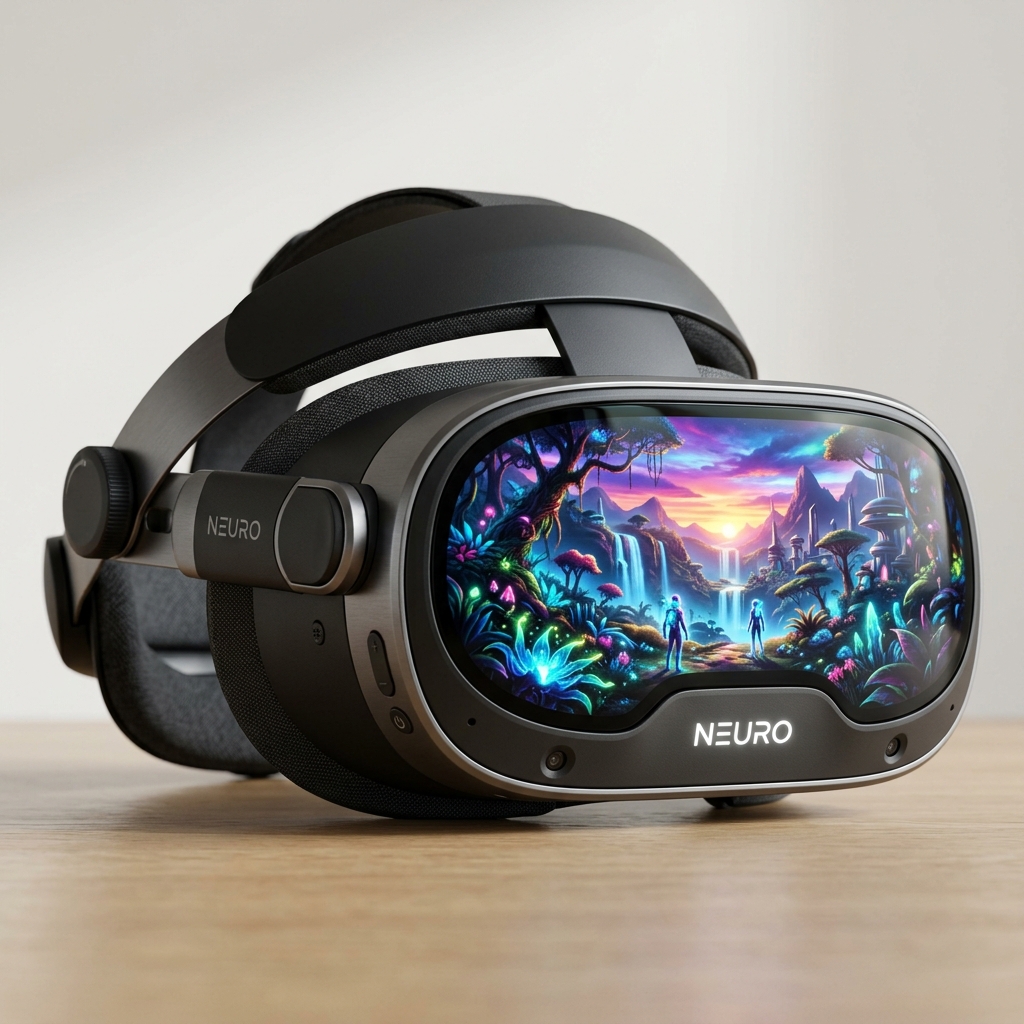
Exploring Virtual Destinations
The virtual tourism landscape is vast. Popular destinations include iconic landmarks like the Eiffel Tower, the Great Wall of China, and serene landscapes like the beaches of Bali.
Interactive tours often feature guided narratives, allowing users to learn about the history and culture of each location.
Enhancing the Experience
To maximize the virtual tourism experience, consider additional accessories. Hand controllers enhance interaction, while high-quality headphones provide immersive audio.

Moreover, many platforms offer social features, allowing users to share experiences with friends or meet new people while exploring virtual worlds.
Safety and Comfort
As with any technology, comfort is paramount. Proper fit of the headset can prevent discomfort during extended sessions.
It is advisable to take regular breaks and ensure the play area is free of obstacles to avoid injuries.

Conclusion
With the right equipment and platforms, virtual tourism can provide an incredible journey around the globe. The world is more accessible than ever, allowing for exploration and learning from the comfort of home.
As technology continues to evolve, the potential for virtual tourism will expand, making it an exciting field for both travelers and technology enthusiasts.
Frequently Asked Questions
What is virtual tourism?
Virtual tourism allows individuals to explore destinations using virtual reality technology, providing immersive experiences from home.
Do VR headsets require a powerful computer?
Some VR headsets, like the Oculus Rift S, do require a capable PC, while standalone models like Meta Quest 3 function independently.
Can virtual tourism be educational?
Yes, many virtual tours include guided narratives, historical insights, and cultural contexts, making them highly educational.
How long can a person comfortably wear a VR headset?
Comfort varies by individual, but it is recommended to take breaks every 30 minutes to avoid discomfort.
Are there social features in virtual tourism platforms?
Many platforms offer social features, enabling users to share experiences and explore together, enhancing the overall experience.
Introduction to Virtual Tourism
Virtual tourism allows individuals to explore the world from the comfort of their homes. With advancements in technology, immersive experiences can now be enjoyed through VR headsets.
This innovative method of travel opens up opportunities to visit famous landmarks, beautiful landscapes, and cultural sites without the need for physical travel.
Choosing the Right VR Headset
Selecting an appropriate VR headset is essential for the best virtual tourism experience. Popular options include the Oculus Quest 2, HTC Vive Pro 2, and Sony PlayStation VR.
Each headset offers unique features and resolutions, catering to different preferences and budgets, ensuring a personalized experience for all users.
Exploring Popular Virtual Destinations
There are numerous virtual destinations available for exploration, including the Eiffel Tower, the Great Wall of China, and the Amazon Rainforest. These experiences can provide a rich understanding of global cultures and environments.
Virtual tours often include guided narratives, allowing users to learn about the history and significance of each location as they navigate through stunning 360-degree visuals.
The Benefits of Virtual Travel
Virtual tourism provides several advantages, such as cost-effectiveness and accessibility. Travel expenses, including flights and accommodations, can be entirely eliminated.
Additionally, individuals with mobility challenges or those unable to travel for various reasons can enjoy immersive experiences in ways previously unattainable.
How to Access Virtual Tours
Accessing virtual tours is simple and can be done through various platforms and apps. Websites such as Oculus Venues and Google Arts & Culture offer a range of immersive experiences suited for VR headsets.
Simply download the app or visit the website on a compatible device to start the adventure and explore the world in a new way.
Enhancing the Experience with Accessories
To elevate the virtual tourism experience, consider using accessories such as VR gloves and haptic feedback devices. These tools can enhance immersion by providing tactile feedback and allowing for interactive experiences.
Investing in quality accessories can transform a standard virtual tour into an unforgettable adventure that engages multiple senses.
Virtual Tourism for Education
Virtual tourism serves as a powerful educational tool, offering students and learners access to historical sites and cultural experiences. Schools and educational institutions can utilize VR tours to enhance curriculum and engage students.
This method fosters a deeper understanding of geography, history, and cultural diversity, making learning more interactive and enjoyable.
Future Trends in Virtual Tourism
The future of virtual tourism is bright, with continuous advancements in VR technology and content creation. Emerging trends include AI-driven tours and greater personalization options for users.
As technology evolves, the potential for more immersive and interactive experiences will revolutionize the way individuals explore the world virtually.
How to Do Virtual Tourism and Travel the World in 360 Degrees using VR Headsets
Virtual tourism has revolutionized the way individuals experience the world around them. With VR headsets, users can immerse themselves in breathtaking locations and cultural experiences without leaving their homes.
Understanding Virtual Tourism
Virtual tourism allows people to explore destinations through 360-degree videos and interactive experiences. This technology provides an opportunity to discover places that may be unreachable due to physical, financial, or time constraints.
Benefits of Virtual Tourism
There are several advantages to engaging in virtual tourism. Not only is it cost-effective, but it also allows for a unique exploration of world heritage sites, museums, and natural wonders.
- Cost-Effective: Save on travel expenses such as flights and accommodations.
- Accessibility: Experience destinations that may be difficult for some individuals to visit physically.
- Environmental Impact: Reduce carbon footprint by avoiding travel.
- Flexible Timing: Explore destinations at any time without being constrained by travel schedules.
Choosing the Right VR Headset
Selecting a suitable VR headset is crucial for an optimal virtual tourism experience. Different headsets offer varying features, comfort, and quality of immersion.
| VR Headset Model | Resolution | Field of View | Price Range |
|---|---|---|---|
| Oculus Quest 2 | 1832 x 1920 per eye | 90 degrees | $299 - $399 |
| HTC Vive Pro 2 | 2448 x 2448 per eye | 120 degrees | $799 - $1399 |
| Valve Index | 1440 x 1600 per eye | 130 degrees | $999 - $1499 |
| Pico Neo 3 | 1832 x 1920 per eye | 90 degrees | $499 - $599 |
Setting Up Your VR Headset
To begin the virtual tourism journey, proper setup of the VR headset is essential. Follow these steps to ensure a smooth experience:
- Unbox the headset and accessories.
- Charge the headset and controllers fully.
- Install the necessary software on a compatible device.
- Connect the headset to Wi-Fi for seamless streaming.
- Adjust the headset for a comfortable fit.
Exploring Virtual Tours
Many platforms offer an array of virtual tours to explore. These platforms curate experiences from different parts of the world.
- Google Earth VR: Offers a global perspective, allowing users to fly around the world and visit famous landmarks.
- AirPano: Features stunning 360-degree aerial panoramas of some of the world’s most beautiful locations.
- Wander: A platform that allows users to explore various locations using Google Street View.
- National Geographic Explore VR: Provides educational experiences through immersive storytelling of natural wonders.
Enhancing the Virtual Experience
To maximize the enjoyment of virtual tourism, several enhancements can be made. Creating an engaging atmosphere at home can significantly improve immersion.
- Use headphones for high-quality audio, enhancing the experience of sounds from the environment.
- Adjust lighting to reduce glare on the VR headset.
- Consider using a VR stand for stability during exploration.
- Invite friends or family for a shared experience, making it more social.
Participating in Guided Tours
Some virtual tour platforms offer guided experiences led by knowledgeable tour guides. This feature can enhance the learning experience significantly.
- Guided tours often provide insights and interesting facts about the locations.
- Live interactions allow participants to ask questions in real-time.
- Scheduled tours can create a sense of community among participants.
Safety and Comfort Considerations
While virtual tourism is a thrilling experience, it's important to prioritize safety and comfort. Users should be aware of their surroundings to avoid accidents.
- Set up a clear play area free of obstacles.
- Take breaks to prevent motion sickness or fatigue.
- Ensure the headset is properly adjusted to avoid discomfort.
Future of Virtual Tourism
The future of virtual tourism is bright, with advancements in technology promising even more immersive experiences. As VR technology continues to evolve, users can expect higher resolutions and more interactive environments.
New developments, such as haptic feedback and improved social integrations, will also enhance the experience. Users can look forward to virtual tours that feel increasingly lifelike and engaging.
Conclusion
Virtual tourism offers a unique opportunity to explore the world from the comfort of home. With the right VR headset and access to diverse platforms, individuals can embark on unforgettable journeys.
By embracing this technology, users can broaden their horizons and appreciate the beauty of the world around them.
Exploring the Best VR Headsets for Virtual Tourism
Choosing the right VR headset is crucial for an immersive virtual tourism experience. Popular models like the Oculus Quest 2 and the HTC Vive Pro offer stunning visuals and comfort for extended journeys.
For those seeking high-resolution displays, the Valve Index provides a breathtaking view of distant landscapes, while the Sony PlayStation VR is an excellent choice for console gamers wanting to explore the world.
Each of these headsets has unique features tailored to different preferences, ensuring everyone can find the perfect fit for their virtual adventures.
Top Virtual Tour Destinations to Experience in VR
Virtual tourism opens the door to iconic destinations that are often difficult to access. For example, the Great Wall of China and the ancient ruins of Machu Picchu can be explored from the comfort of home.
Additionally, the stunning landscapes of the Grand Canyon and the vibrant streets of Tokyo are available for immersive experiences, providing a taste of global cultures.
These destinations are enhanced by high-quality 360-degree content, allowing travelers to feel as if they are truly walking through these remarkable locations.
Tips for Enhancing Your Virtual Travel Experience
To maximize enjoyment during virtual tours, creating a comfortable viewing environment is essential. Dimming the lights and using high-quality headphones can significantly enhance immersion in the experience.
Engaging with interactive features, such as guided tours or informative pop-ups, can deepen understanding of the locations being explored. This approach transforms passive viewing into an educational adventure.
Lastly, incorporating social elements, like sharing experiences with friends or family in virtual spaces, can make virtual tourism even more enjoyable and memorable.