How to Do Virtual Tourism and Travel the World in 360 Degrees using VR Headsets (Virtual Tour Guide)
How to Do Virtual Tourism and Travel the World in 360 Degrees using VR Headsets
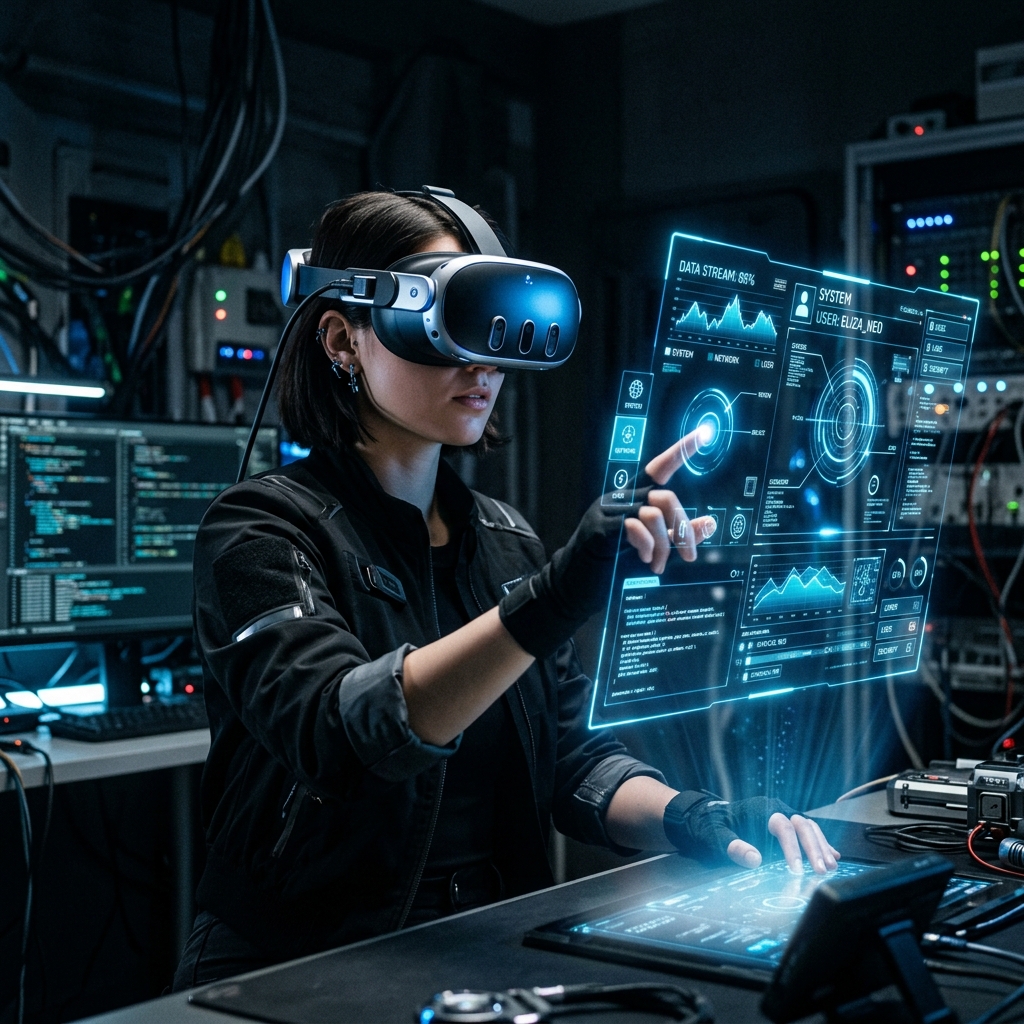
Virtual tourism has revolutionized the way travel enthusiasts explore the world. With the advent of advanced VR headsets, you can now experience breathtaking destinations from the comfort of home.
This guide offers insights into how to embark on virtual journeys across the globe using immersive technology.
The Rise of Virtual Tourism
As travel restrictions became commonplace, virtual tourism emerged as a viable alternative. It provides an opportunity to visit iconic landmarks, beautiful landscapes, and cultural hotspots without stepping outside.
This innovative approach not only caters to travel enthusiasts but also educates and inspires those who may not have the means to travel physically.
Choosing the Right VR Headset
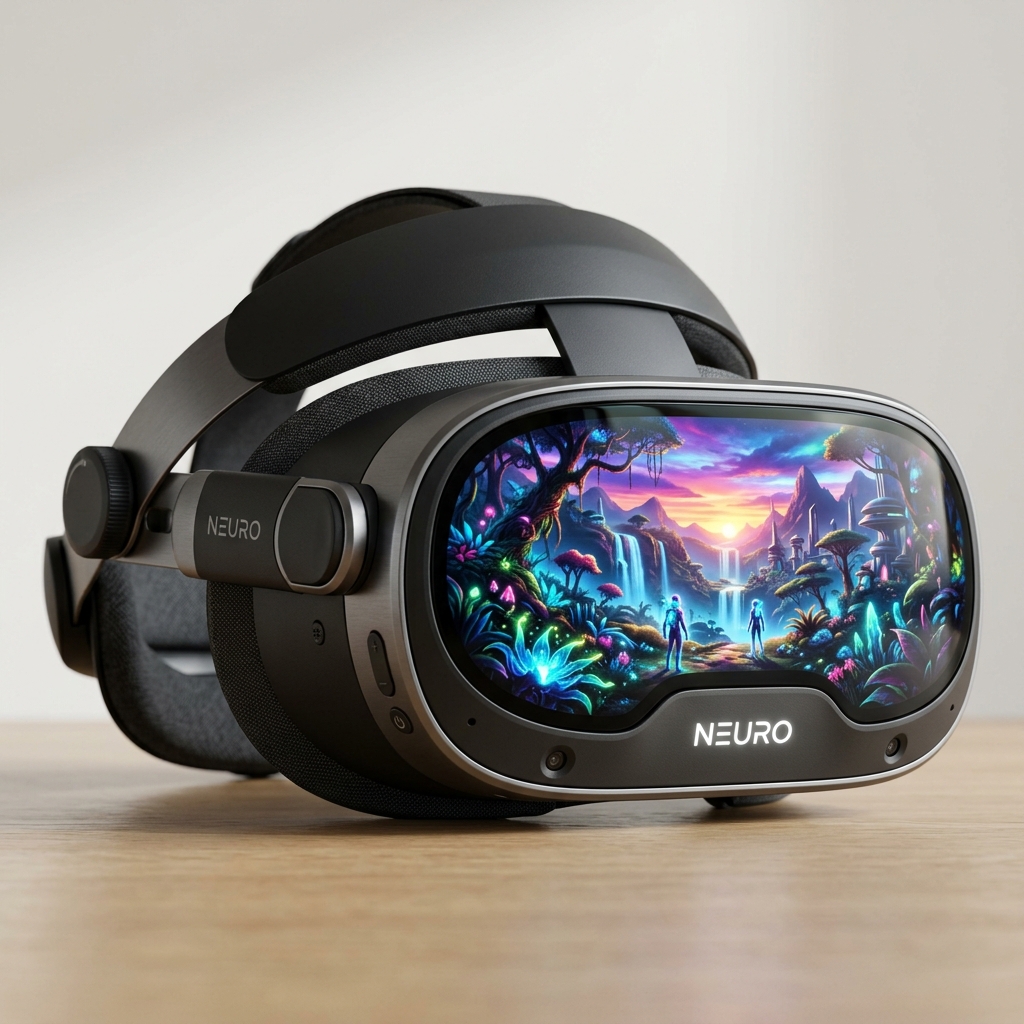
Selecting a VR headset is crucial for an optimal virtual tourism experience. Various options exist, each with unique features and specifications.
| VR Headset | Resolution | Field of View | Tracking Type | Price |
|---|---|---|---|---|
| Meta Quest 3 | 2064 x 2208 per eye | 110 degrees | Inside-out | Starting at $499 |
| Valve Index | 1440 x 1600 per eye | 130 degrees | External | $999 |
| HTC Vive Pro 2 | 2448 x 2448 per eye | 120 degrees | External | $799 |
| Pico 4 | 2160 x 2160 per eye | 105 degrees | Inside-out | $429 |
| Oculus Rift S | 2560 x 1440 | 110 degrees | External | $399 |

Immersive Experiences Await
Once the right headset is chosen, accessing virtual tours is simple. Numerous platforms offer 360-degree experiences that transport users to stunning locations.
Popular platforms include Google Earth VR, Oculus Venues, and various travel-focused apps designed to showcase global wonders.
Exploring Cultural Heritage
Cultural experiences are a significant aspect of virtual tourism. Museums and historical sites offer virtual tours that provide insights into history and art.
Institutions like the Louvre and the British Museum have embraced virtual reality, offering immersive experiences that educate and inspire.

Interactive Simulations
Many VR platforms offer interactive simulations that engage users in real-time activities. Users can participate in guided tours led by virtual tour guides.
These interactive experiences create a sense of presence, making exploration feel more authentic and engaging.

Social Aspects of Virtual Tourism
Virtual tourism also promotes social interactions. Many platforms allow users to meet and explore with friends or fellow travelers in real-time.
This social aspect adds another layer of enjoyment, enabling shared experiences despite physical distances.
Conclusion
Virtual tourism represents a remarkable opportunity to explore the world in a new way. With the right VR headset and platforms, users can experience 360-degree travel like never before.
As technology continues to advance, the possibilities for virtual exploration will undoubtedly expand, making the world more accessible to everyone.
Frequently Asked Questions
What are the best VR headsets for virtual tourism?
The best VR headsets for virtual tourism include the Meta Quest 3, Valve Index, HTC Vive Pro 2, Pico 4, and Oculus Rift S, each offering unique features and immersive experiences.
Do I need a powerful computer for VR tourism?
Not all VR headsets require a powerful computer. Standalone devices like the Meta Quest 3 allow for wireless experiences without additional hardware.
Can virtual tourism replace real travel?
While virtual tourism offers incredible experiences, it cannot fully replace the authenticity of real travel. However, it serves as a wonderful supplement.
Are there free virtual tours available?
Many platforms offer free virtual tours of popular attractions, museums, and natural wonders, making exploration accessible to everyone.
How can I enhance my virtual tourism experience?
Enhancing the virtual tourism experience can be achieved by using high-quality headphones, exploring interactive features, and joining guided tours for a richer experience.
Introduction to Virtual Tourism
Virtual tourism offers an innovative way to explore the world without leaving home. By utilizing advanced technology, you can experience breathtaking destinations in immersive 360-degree environments.
This modern approach to travel eliminates the need for physical transportation, making it accessible for everyone. From the comfort of your living room, step into the sights and sounds of exotic locales.
Choosing the Right VR Headset
Selecting a VR headset is crucial for an optimal virtual tourism experience. Popular models like the Oculus Quest 2 and HTC Vive Cosmos provide high-resolution visuals and comfortable designs.
These headsets come with motion tracking capabilities, allowing for a more engaging experience as you navigate through stunning landscapes and cultural landmarks.
Popular Virtual Travel Destinations
Many platforms offer virtual tours of famous sites, including the Louvre Museum and the Great Wall of China. These experiences allow you to explore intricate details often missed in traditional travel.
Other amazing destinations available include the Galápagos Islands and the ancient ruins of Machu Picchu, each providing unique insights into history and nature.
Enhancing the Experience with Accessories
Using accessories such as VR gloves and motion controllers can significantly enhance the virtual travel experience. These tools allow for more interactive exploration, making virtual environments feel even more real.
Additionally, high-quality headphones improve audio immersion, allowing you to hear the ambient sounds of different locales, from bustling markets to tranquil beaches.
Educational Benefits of Virtual Tourism
Virtual tourism is not only entertaining but also educational. It provides an opportunity to learn about different cultures, histories, and languages in an interactive setting.
Many educational institutions are incorporating virtual tours into their curriculums, allowing students to experience geography and history lessons through immersive technology.
Social Virtual Travel Experiences
Virtual tourism can also be a social activity, enabling users to explore destinations together in real-time. Platforms like Wander allow friends and family to join virtual tours, creating shared memories.
These social experiences can enhance the enjoyment of virtual travel, making it a fun way to bond with loved ones across distances.
Future Trends in Virtual Tourism
The future of virtual tourism is promising, with advancements in technology continually enhancing the experience. Innovations like AI-driven tour guides and more detailed 3D environments are on the horizon.
As technology improves, the line between virtual and real travel may blur, offering even more realistic experiences that allow for exploration like never before.
Getting Started with Virtual Tourism
To embark on a virtual tourism adventure, start by selecting a reliable VR platform that offers a variety of tours. Platforms like Oculus and SteamVR provide numerous options to explore diverse destinations.
Once a headset is chosen, setting up the software and connecting to the internet will open a world of virtual travel possibilities at your fingertips.
How to Do Virtual Tourism and Travel the World in 360 Degrees using VR Headsets
Virtual tourism has transformed the way people explore the world, allowing them to experience destinations from the comfort of their homes. With advancements in technology, VR headsets provide immersive experiences that make users feel as if they are actually visiting the locations.
Choosing the Right VR Headset
Selecting the right VR headset is crucial for an optimal virtual tourism experience. Various models cater to different preferences and budgets, so it's essential to understand the available options.
- Oculus Quest 2: A standalone headset offering high quality and a vast library of VR content.
- Valve Index: Known for its impressive field of view and high refresh rate, ideal for an immersive experience.
- HTC Vive Pro: Offers excellent audio and visual fidelity, making it a great choice for detailed virtual tours.
- Pico Neo 3: A competitive option in the standalone category with a focus on comfort and portability.
Setting Up Your VR Headset
Proper setup of the VR headset is key to a smooth virtual tourism experience. Follow these general steps to get started:
- Unpack the headset and accessories.
- Install any necessary software on your computer or mobile device.
- Connect the headset to your Wi-Fi network.
- Calibrate the headset according to the manufacturer’s instructions.
Exploring Virtual Tourism Platforms
Once the headset is set up, users can explore various virtual tourism platforms. These platforms offer a range of experiences from cultural tours to natural wonders.
Popular Virtual Tourism Platforms
| Platform Name | Description | Notable Features |
|---|---|---|
| Google Earth VR | Experience the entire planet in 3D. | Fly around landmarks, explore cities, and view locations from different angles. |
| Wander | Travel the world using Street View imagery. | Create custom itineraries and share experiences with friends. |
| National Geographic Explore VR | Engage in educational adventures. | Interactive elements that enhance learning about various cultures and environments. |
| VIRTUALITY | Discover immersive 360-degree experiences. | Focus on both scenic views and cultural experiences. |
Tips for an Immersive Experience
Enhancing the virtual tourism experience can be achieved through various strategies. Incorporating these tips can make the journey even more enjoyable.
- Use headphones to enhance audio quality, immersing in the sounds of the environment.
- Adjust the headset fit for comfort to avoid fatigue during longer sessions.
- Take breaks to prevent motion sickness, especially during intense experiences.
- Explore with friends or family through shared experiences when possible.
Exploring Cultural and Historical Sites
Virtual tourism offers an incredible opportunity to visit cultural and historical sites without leaving home. Many platforms provide guided tours through famous landmarks and museums.
Top Virtual Cultural Tours
| Destination | Platform | Tour Type |
|---|---|---|
| The Louvre Museum, Paris | Google Arts & Culture | Self-guided exploration of art and history. |
| The British Museum, London | Google Arts & Culture | Interactive exhibits showcasing diverse artifacts. |
| The Colosseum, Rome | Wander | 360-degree exploration of ancient architecture. |
| The Great Wall of China | National Geographic Explore VR | Guided tour with historical context. |
Experiencing Nature in Virtual Reality
Virtual tourism extends beyond urban settings to natural wonders. Users can explore breathtaking landscapes and wildlife through VR.
Top Nature Experiences
| Location | Platform | Experience Type |
|---|---|---|
| The Amazon Rainforest | Google Earth VR | Interactive exploration of biodiversity. |
| The Grand Canyon | Wander | Self-guided tour with immersive views. |
| Antarctica | National Geographic Explore VR | Documentary-style experience with wildlife. |
| Mount Everest | VIRTUALITY | Climbing experience with stunning vistas. |
Benefits of Virtual Tourism
Virtual tourism offers numerous advantages, especially for those unable to travel physically. It provides a unique opportunity to experience global cultures and environments.
- Accessibility: Individuals with mobility issues can explore places they may never visit.
- Cost-effective: Saves on travel expenses such as flights, accommodations, and meals.
- Learning opportunity: Offers educational insights into different cultures and histories.
- Environmental impact: Reduces carbon footprints associated with traditional travel.
Future of Virtual Tourism
The future of virtual tourism looks promising as technology continues to evolve. Innovations in VR and AR are expected to create even more engaging and realistic experiences.
As 5G networks expand, streaming high-quality VR content will become more seamless. This will open doors for live virtual tours, allowing users to interact with guides and other tourists in real-time.
Conclusion
Virtual tourism is a revolutionary way to explore the world, offering immersive experiences that are both educational and entertaining. With the right VR headset and platforms, anyone can travel the globe without leaving their living room.
As technology advances, the possibilities for virtual tourism will only continue to grow, making global exploration more accessible than ever.