How to Do Virtual Tourism and Travel the World in 360 Degrees using VR Headsets (Virtual Tour)
How to Do Virtual Tourism and Travel the World in 360 Degrees using VR Headsets
Virtual tourism has transformed travel experiences, allowing exploration of the world without leaving home. With the advancement of technology, virtual reality (VR) headsets have made it possible to visit iconic landmarks and beautiful destinations in stunning 360 degrees.
This guide will delve into how virtual tourism can be enjoyed using VR headsets, showcasing immersive experiences that bring the world to your living room.
The Rise of Virtual Tourism
As travel restrictions and global events challenge physical travel, virtual tourism has emerged as a viable alternative. It provides an opportunity to explore diverse cultures, historic sites, and breathtaking landscapes.
VR technology offers a unique blend of visual and auditory stimuli, creating a near-real experience. This allows one to feel as if they are walking through the streets of Paris or standing atop the Grand Canyon.
Choosing the Right VR Headset
Not all VR headsets are created equal. Selecting a headset that meets specific needs is crucial for an optimal virtual tourism experience. Below is a comparison table of popular VR headsets currently available:
| VR Headset | Resolution | Field of View | Price | Tracking Type |
|---|---|---|---|---|
| Meta Quest 3 | 2064 x 2208 per eye | 110 degrees | Starting at $499 | Inside-out |
| Valve Index | 1440 x 1600 per eye | 130 degrees | $999 | External base stations |
| HTC Vive Pro 2 | 2448 x 2448 per eye | 120 degrees | $799 | External base stations |
| Oculus Rift S | 2560 x 1440 | 110 degrees | $399 | Inside-out |
| Pico Neo 3 | 3664 x 1920 per eye | 90 degrees | $399 | Inside-out |

Immersive Experiences Await
Once a suitable VR headset is selected, the excitement of virtual tourism can begin. Numerous platforms offer immersive tours and experiences tailored for VR.
Applications like Google Earth VR allow users to fly over continents, while services like Wander let you explore real-world locations through 360-degree imagery. From the Great Wall of China to the beaches of Hawaii, the possibilities are endless.
Engaging in the Virtual Metaverse
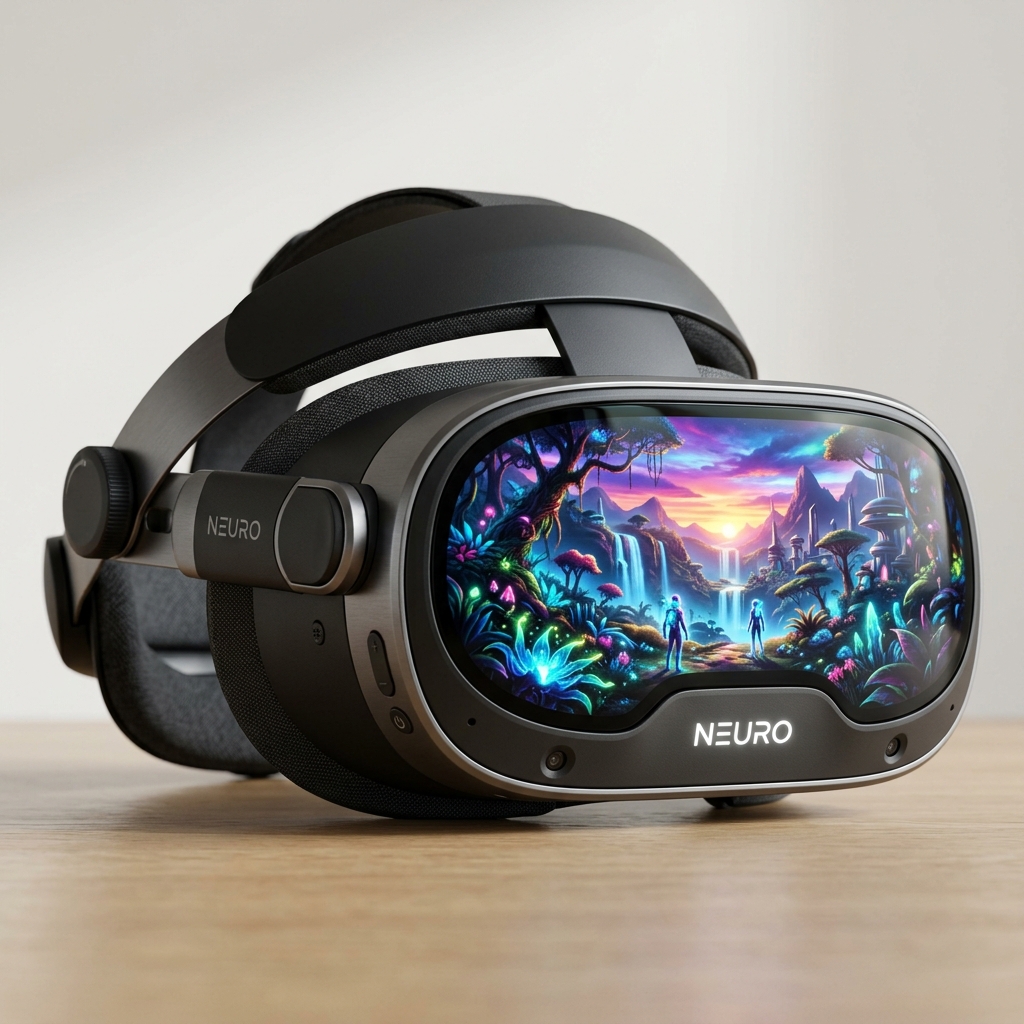
Beyond traditional sightseeing, many platforms offer engaging environments. Social experiences and interactive worlds are available through platforms like AltspaceVR and VRChat.
In these spaces, you can meet other virtual travelers, attend events, or participate in guided tours. This adds a social dimension to virtual tourism that enhances the experience.

Creating a Virtual Office Space
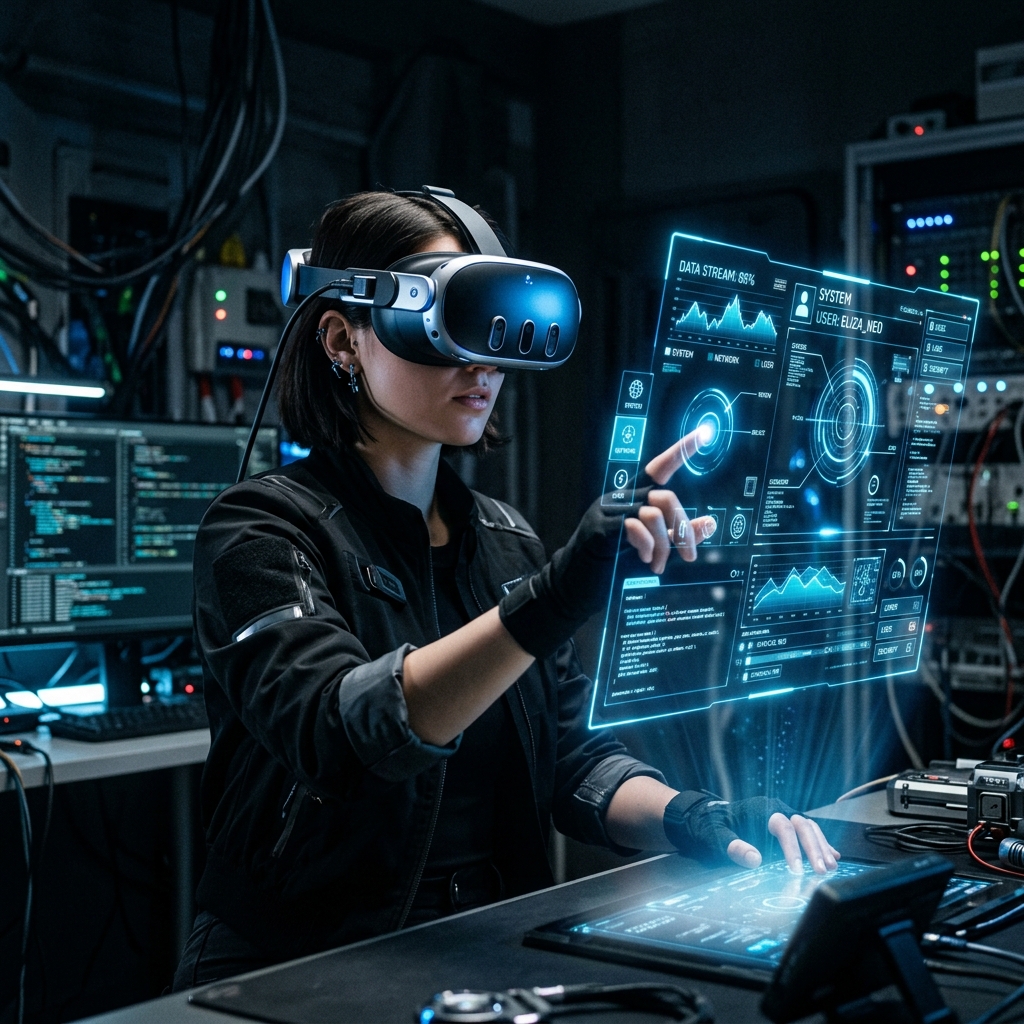
Virtual tourism can also extend to professional environments. VR can be used to create interactive office spaces, allowing team members to collaborate from anywhere in the world.
Applications like Spatial facilitate this by creating realistic environments where teams can meet and work together, bridging the gap between remote and in-person collaboration.

Exploring Interactive Worlds
Interactive experiences can elevate virtual tourism to new heights. Many VR applications offer interactive elements, allowing users to engage with their surroundings.
Whether it’s exploring ancient ruins or participating in local festivals, these experiences create lasting memories and enhance the feeling of presence.
Frequently Asked Questions
What are the best VR headsets for virtual tourism?
The best VR headsets for virtual tourism include the Meta Quest 3, Valve Index, and HTC Vive Pro 2, each offering unique features and immersive experiences.
Can virtual tourism replace physical travel?
While virtual tourism cannot fully replace the experience of physical travel, it offers an alternative that allows exploration and learning from home.
Is virtual tourism suitable for kids?
Yes, virtual tourism can be highly educational and entertaining for kids, introducing them to cultures and places worldwide.
How can one access virtual tours?
Virtual tours can be accessed through various VR applications such as Google Earth VR, Wander, and specialized websites offering immersive experiences.
Are there any costs associated with virtual tourism?
While many VR experiences are free, some platforms and applications may require a purchase or subscription for premium content.
Introduction to Virtual Tourism
Virtual tourism offers a unique opportunity to explore the world from the comfort of home. With advancements in technology, immersive experiences allow users to visit iconic landmarks and hidden gems alike.
This innovative way of traveling eliminates the need for physical presence, making it accessible to anyone with a VR headset. Discovering new cultures and destinations has never been easier or more engaging.
Choosing the Right VR Headset
Selecting a suitable VR headset is essential for an optimal virtual travel experience. Popular options include the Oculus Quest 2, HTC Vive Pro, and PlayStation VR, each offering unique features and capabilities.
Consider factors such as resolution, field of view, and comfort when making a choice. A high-quality headset can significantly enhance the realism of virtual tours.
Exploring Virtual Tour Platforms
Numerous platforms provide immersive virtual tours, showcasing various locations around the globe. Websites like AirPano and Google Arts & Culture offer stunning 360-degree experiences of famous landmarks.
These platforms often feature guided tours, allowing users to learn about the history and culture of the places they visit. Engaging with these resources can make virtual tourism both educational and entertaining.
Enhancing the Experience with Accessories
To maximize the virtual tourism experience, consider investing in additional accessories. Items like VR gloves and motion controllers can enhance interactivity and immersion during tours.
These accessories allow users to interact with the virtual environment, creating a more engaging experience. They can transform passive viewing into an active exploration adventure.
Benefits of Virtual Tourism
Virtual tourism provides numerous benefits, including cost savings and accessibility. Traveling virtually eliminates expenses related to transportation, accommodation, and meals.
Additionally, it offers a chance to visit places that might be difficult to access physically, such as remote locations or sites with limited visitor capacity. This democratizes travel experiences for all.
Social Aspects of Virtual Travel
Virtual tourism can also be a social activity, allowing friends and family to explore together. Many platforms support shared experiences, enabling users to connect and discover destinations as a group.
This communal aspect enhances the enjoyment of virtual travel, making it a fun and interactive way to bond over shared interests in global exploration.
Future of Virtual Tourism
The future of virtual tourism looks promising, with continuous advancements in technology. Innovations in VR graphics and interactivity will create even more immersive experiences for users.
As the technology evolves, virtual tourism is expected to become a mainstream option for travel enthusiasts. It will offer limitless possibilities for exploration and learning.
Getting Started with Your First Virtual Tour
To begin the journey into virtual tourism, simply set up your VR headset and choose a platform. Start with a popular destination and follow guided tours to familiarize yourself with the experience.
Once comfortable, explore different locations and customize your travel preferences. Embrace the adventure of discovering the world in 360 degrees without leaving home.
Introduction to Virtual Tourism
Virtual tourism offers an innovative way to explore the world without leaving home. Utilizing VR headsets, anyone can visit far-off destinations and experience them in immersive 360-degree environments.
Benefits of Virtual Tourism
Virtual tourism provides several advantages over traditional travel. It is cost-effective, eco-friendly, and accessible to individuals who may have mobility limitations.
Cost-Effectiveness
Traveling physically can be expensive, including costs for flights, accommodation, and meals. Virtual tourism eliminates these expenses, allowing for exploration at little to no cost.
Eco-Friendly Travel
With the current focus on sustainability, virtual tourism has minimal environmental impact. It reduces carbon footprints associated with travel.
Accessibility
Many people face challenges that prevent them from traveling, such as health issues or financial constraints. Virtual tours offer an inclusive option for experiencing the world.
How to Get Started with Virtual Tourism
Getting started with virtual tourism requires a few essential tools and platforms. Follow these steps to embark on a virtual journey.
Choose a VR Headset
The first step in virtual tourism is selecting a suitable VR headset. Here are some popular options:
| VR Headset | Price Range | Key Features |
|---|---|---|
| Meta Quest 2 | $299 | All-in-one, wireless, 120Hz refresh rate |
| Valve Index | $999 | High-fidelity visuals, wide field of view, finger tracking |
| HTC Vive Pro 2 | $799 | 5K resolution, adjustable head strap, comfortable fit |
| Pico Neo 3 | $349 | Standalone, good battery life, high-resolution display |
Install Necessary Software
Once a headset is acquired, the next step is to install the appropriate software for virtual tourism. Popular platforms include:
- Google Earth VR: Explore the globe and view landmarks in stunning detail.
- Wander: Allows users to travel to any location on Earth using Google Maps.
- VIRTUALITY: Offers guided tours of various destinations around the world.
- Oculus Browser: Access a wide range of VR experiences available on the web.
Exploring Virtual Destinations
With the right equipment and software, the world becomes a playground for exploration. Here are some popular virtual destinations to visit.
World Heritage Sites
Many UNESCO World Heritage Sites have been digitized for virtual exploration. Some notable sites include:
- The Great Wall of China
- The Pyramids of Giza, Egypt
- The Taj Mahal, India
- The Colosseum, Italy
National Parks
National parks are often breathtaking and now, available virtually. Consider visiting:
- Yellowstone National Park, USA
- Yosemite National Park, USA
- Banff National Park, Canada
- Lake District, England
Cultural Experiences
Virtual tourism also allows users to experience local cultures. Explore:
- Virtual tours of museums like the Louvre in Paris and the British Museum in London.
- Interactive cultural festivals available through various platforms.
- Live-streamed events showcasing traditional music and dance.
Tips for an Enhanced Virtual Tourism Experience
To make the most of virtual tourism, consider the following tips. These suggestions can enhance immersion and enjoyment.
Optimize Your Space
Ensure that the area in which VR is being used is clear of obstacles. A safe environment enhances the experience and prevents accidents.
Use High-Quality Headphones
Audio plays a crucial role in immersion. High-quality headphones can provide a more realistic sound experience during virtual tours.
Take Breaks
VR can be intense, so it is essential to take breaks. Regular intervals help prevent discomfort and fatigue.
Future of Virtual Tourism
The future of virtual tourism looks promising as technology continues to advance. Innovations will likely lead to even more immersive experiences.
AI and Machine Learning
Artificial intelligence and machine learning are expected to improve personalization in virtual tourism. Customized experiences based on user preferences will enhance engagement.
Greater Accessibility
As technology becomes more affordable and widespread, virtual tourism will become increasingly accessible to diverse populations worldwide.
Integration with Augmented Reality
Augmented reality (AR) may also play a role in the future. Combining AR with VR could provide enhanced interactive experiences during virtual tours.
Conclusion
Virtual tourism offers an exciting way to explore the world from the comfort of home. With the right tools, anyone can experience the beauty of global landmarks and cultures without the need for physical travel.
As technology continues to evolve, the possibilities for virtual exploration will expand, making it an essential component of modern travel. Embracing this innovative form of tourism can enrich lives and broaden horizons.