How to Do Virtual Tourism and Travel the World in 360 Degrees using VR Headsets (Virtual)

How to Do Virtual Tourism and Travel the World in 360 Degrees using VR Headsets
Virtual tourism is revolutionizing the way people explore the world. Through the use of VR headsets, users can traverse stunning landscapes and iconic landmarks without leaving the comfort of their homes.
This technology offers immersive experiences that engage the senses, making it feel as though one is truly present in a different location. With the rapid advancement of virtual reality, a variety of options are available to facilitate this journey.
What is Virtual Tourism?
Virtual tourism allows individuals to experience destinations through digital simulations. This form of travel is particularly appealing for those unable to physically visit places due to time, health, or financial constraints.
Using VR headsets, users can explore 360-degree environments, interact with virtual elements, and even participate in guided tours. The experience can be both educational and entertaining.
Benefits of Virtual Tourism
There are numerous advantages to engaging in virtual tourism. Firstly, it offers accessibility to those with mobility issues or those living in remote areas.
Additionally, it serves as a cost-effective alternative to traditional travel, eliminating expenses related to transportation, accommodation, and dining. Virtual tourism also allows for exploration at one’s own pace without the stress of travel logistics.
Choosing the Right VR Headset
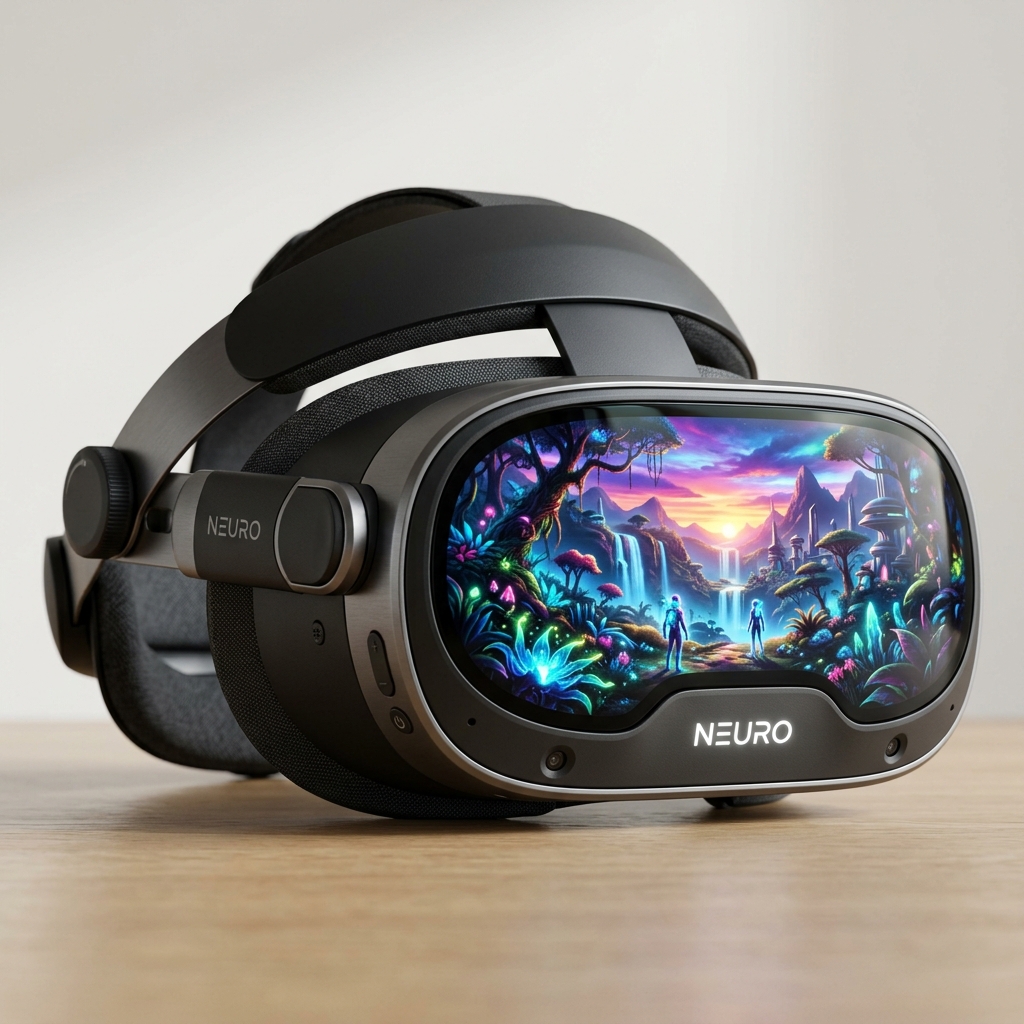
Numerous VR headsets are available for virtual tourism. Each headset comes with unique features that cater to different preferences and budgets.

Comparison of Popular VR Headsets
| Headset | Resolution | Field of View | Price | Wireless Capability |
|---|---|---|---|---|
| Meta Quest 3 | 2064 x 2208 per eye | 110 degrees | Check Price | Yes |
| HTC Vive Pro 2 | 2448 x 2448 per eye | 120 degrees | $799 | No |
| Valve Index | 1440 x 1600 per eye | 130 degrees | $999 | No |
| Pico Neo 3 | 3664 x 1920 per eye | 90 degrees | $499 | Yes |
| Oculus Rift S | 2560 x 1440 | 110 degrees | $399 | No |
When selecting a VR headset, consider factors such as resolution, field of view, and whether it has wireless capabilities. These elements significantly impact the overall experience of virtual tourism.
Exploring Virtual Destinations
Once a VR headset is acquired, the next step involves choosing virtual destinations. Various platforms offer a plethora of environments to explore, from natural wonders to historical sites.
Some popular platforms for virtual tourism include Google Earth VR, Wander, and Oculus Venues. These applications provide users with diverse experiences that range from serene landscapes to bustling city streets.

Enhancing the Experience
To maximize the virtual tourism experience, consider incorporating interactive elements. Many platforms allow users to navigate freely and interact with objects within the environment.
Additionally, guided tours offered in some applications can provide insightful information about the locations visited, enriching the overall experience.

Challenges of Virtual Tourism
Despite its advantages, virtual tourism does present challenges. Technical issues such as motion sickness can affect some users, making it essential to take breaks during sessions.
Furthermore, the absence of physical interaction may lead to a sense of detachment, highlighting the importance of balancing virtual experiences with real-world exploration.
Frequently Asked Questions
What equipment is needed for virtual tourism?
A VR headset is essential, along with a compatible device such as a computer or gaming console. Some standalone headsets also have built-in features for a seamless experience.
How can virtual tourism benefit education?
Virtual tourism can enhance educational experiences by providing immersive environments for students. This method can foster engagement and improve retention of information.
Is virtual tourism suitable for all ages?
Yes, virtual tourism can be enjoyed by individuals of all ages. Many platforms offer age-appropriate content tailored to different interests.
Can virtual tourism replace physical travel?
While virtual tourism offers unique experiences, it cannot entirely replace the benefits of physical travel. Both forms of exploration can complement each other.
How do I find virtual tours?
Virtual tours can be found on various platforms such as Google Earth VR, Wander, and dedicated travel websites. A simple online search can uncover a wealth of options.
Understanding Virtual Tourism
Virtual tourism offers an innovative way to explore distant destinations without leaving home. By leveraging technology, you can experience famous landmarks and natural wonders through immersive simulations.
This form of travel eliminates geographical barriers, allowing you to visit locations that may be inaccessible or too expensive. With the right tools, your living room can transform into a gateway to the world.
Choosing the Right VR Headset
Selecting an appropriate VR headset is crucial for an optimal experience. Models like the Oculus Quest 2 or HTC Vive Pro provide high-quality visuals and a comfortable fit for extended use.
Consider factors such as resolution, field of view, and tracking capabilities when making a choice. These specifications significantly impact the overall immersion and realism of the virtual travel experience.
Top Virtual Travel Experiences
Numerous platforms offer captivating virtual travel experiences that cater to various interests. Explore the ancient ruins of Machu Picchu or take a leisurely stroll through the streets of Paris.
Platforms such as Wander and Google Earth VR provide a plethora of destinations to choose from, ensuring there's something for everyone. Engaging with these environments can spark a passion for exploration and discovery.
Enhancing Your VR Experience
To fully immerse in virtual tourism, consider enhancing the experience with accessories. Items like VR gloves and immersive audio headsets can heighten the sense of presence.
Creating a comfortable viewing environment also contributes to the experience. Dim lighting and a spacious area free of distractions will allow for deeper engagement with the virtual world.
Socializing in Virtual Reality
Many VR platforms offer social features, allowing users to meet and interact with fellow travelers. Engaging with others enhances the experience, providing insights and sharing personal stories about different destinations.
Participating in guided tours or group experiences can also make virtual tourism more enjoyable. This social aspect fosters a sense of community among like-minded explorers.
Staying Safe While Traveling Virtually
While virtual tourism eliminates physical risks, cyber safety remains important. Ensure that all software and applications are updated to protect against potential vulnerabilities.
Using secure internet connections and being cautious about sharing personal information online will enhance security during virtual explorations. Responsible practices lead to a safer and more enjoyable experience.
The Future of Virtual Tourism
The future of virtual tourism looks promising, with advancements in technology paving the way for even more immersive experiences. Innovations in haptic feedback and augmented reality are set to enhance realism.
As more destinations create virtual tours, the accessibility of global travel will continue to grow. Embracing these changes will ensure that virtual tourism remains an exciting and popular option for explorers worldwide.
How to Do Virtual Tourism and Travel the World in 360 Degrees using VR Headsets
Virtual tourism allows users to explore various destinations around the globe without the need for physical travel. With the advancement of technology, VR headsets have become a popular medium to experience immersive environments from the comfort of home.
Choosing the Right VR Headset
Selecting an appropriate VR headset is crucial for a fulfilling virtual tourism experience. Various models cater to different preferences, budgets, and compatibility.
| VR Headset | Price Range | Key Features |
|---|---|---|
| Oculus Quest 2 | $299 - $399 | Standalone, high resolution, large library of apps |
| HTC Vive Pro 2 | $799 - $1,399 | High fidelity, excellent tracking, compatible with SteamVR |
| Valve Index | $999 | High refresh rate, finger tracking controllers, immersive audio |
| Pico 4 | $429 | Lightweight, high-resolution display, extensive content library |
Setting Up Your VR Headset
After selecting a VR headset, the next step is to set it up properly. Follow the manufacturer's instructions to ensure optimal performance.
- Install necessary software and updates.
- Ensure the play area is clear and safe.
- Adjust the headset for a comfortable fit.
Exploring 360-Degree Content
Once the headset is ready, users can dive into 360-degree content. Numerous platforms offer virtual tourism experiences that transport users to iconic locations.
- YouTube VR: A vast collection of 360-degree videos featuring famous landmarks.
- Google Earth VR: Explore the world from a bird's eye view and zoom into specific locations.
- Viveport: Offers curated experiences specifically designed for VR headsets.
Popular Virtual Tourism Destinations
Many destinations offer virtual experiences that are both informative and entertaining. Here are some top picks for virtual travel enthusiasts.
- The Great Wall of China: Walk along the ancient structure and learn about its history.
- The Louvre Museum: Explore one of the world's largest art museums from your home.
- Machu Picchu: Experience the breathtaking ruins and landscapes of this Incan citadel.
Enhancing the Experience
To maximize enjoyment during virtual tourism, consider enhancing the experience with additional accessories and features. These can elevate immersion and engagement levels.
- VR Controllers: Use motion controllers for interactive experiences.
- Spatial Audio: Invest in quality headphones for a more immersive sound experience.
- Comfort Accessories: Consider face cushions or head straps for extended use.
Social Virtual Tourism
Virtual tourism can also be a social experience. Many platforms allow users to explore destinations together, making travel more enjoyable with friends and family.
- AltspaceVR: Join events and explore with others in a shared virtual space.
- Facebook Horizon: Create and join communities for shared virtual experiences.
Educational Benefits of Virtual Tourism
Virtual tourism is not only entertaining but also educational. It provides an opportunity to learn about different cultures and histories through immersive experiences.
- Interactive Learning: Engage with educational content about various locations.
- Global Awareness: Foster a greater understanding of world cultures and environments.
Future of Virtual Tourism
The future of virtual tourism appears promising with advancements in VR technology. Innovations are continuously improving the quality and accessibility of virtual travel experiences.
- Improved Graphics: Expect higher resolutions and more realistic environments.
- AI Integration: AI can personalize experiences and offer tailored recommendations.
Conclusion
Virtual tourism presents a unique opportunity to explore the world in 360 degrees using VR headsets. With the right equipment and knowledge, it is possible to experience diverse cultures and breathtaking locations without leaving home.
As technology progresses, the possibilities for virtual tourism will continue to expand. Embracing these experiences can lead to a greater appreciation for global diversity and connectivity.
Choosing the Right VR Headset for Your Virtual Adventures
Selecting the perfect VR headset is crucial for an immersive virtual tourism experience. Popular models like the Oculus Quest 2, HTC Vive Pro, and Valve Index offer varying features that cater to different preferences.
When choosing a headset, consider factors such as display quality, field of view, and comfort. The Oculus Quest 2 is known for its accessibility, while the HTC Vive Pro excels in high-resolution graphics.
Budget also plays a significant role, with options available for both entry-level users and those seeking premium experiences. Researching compatibility with various virtual tourism apps will enhance overall satisfaction.
Exploring Unique Virtual Destinations
The world of virtual tourism is vast, offering unique destinations that might be overlooked in traditional travel. Platforms like Wander and Google Earth VR provide access to stunning locations such as the Great Wall of China and the Pyramids of Giza.
Notably, immersive experiences can also include less-traveled spots, allowing users to explore hidden gems. Imagine walking through the colorful streets of Chefchaouen in Morocco or the serene landscapes of the Faroe Islands.
These virtual journeys can be enhanced by guided tours, offering insights and stories that bring each destination to life. This combination of exploration and education makes virtual tourism exceptionally rewarding.
Enhancing Your Virtual Travel Experience with Accessories
To maximize the enjoyment of virtual tourism, various accessories can significantly enhance the experience. Consider investing in high-quality headphones for superior audio that complements stunning visuals.
Another valuable accessory is a VR backpack, which allows for greater freedom of movement during explorations. This can be particularly beneficial in expansive virtual environments, enabling a more engaging experience.
Additionally, controllers designed for specific VR systems, such as the Oculus Touch or Vive Controllers, can enhance interactivity. These tools ensure that users can fully immerse themselves in their virtual adventures.