How to Do Virtual Tourism and Travel the World in 360 Degrees using VR Headsets (Maps)

How to Do Virtual Tourism and Travel the World in 360 Degrees using VR Headsets (Maps)
The advent of virtual reality (VR) technology has revolutionized the way individuals explore the world. Virtual tourism allows anyone to experience breathtaking destinations from the comfort of their home.
With the assistance of VR headsets and immersive 360-degree maps, traveling the globe has never been easier or more accessible.
The Rise of Virtual Tourism
As travel restrictions and health concerns continue to shape the travel landscape, virtual tourism has emerged as a viable alternative for those craving adventure. This innovative approach provides an opportunity to visit famous landmarks, natural wonders, and cultural sites without the need for physical travel.
VR enables users to engage with their surroundings in a way that traditional media cannot. By donning a VR headset, you can experience a sense of presence, making the virtual journey more profound and authentic.
Choosing the Right VR Headset
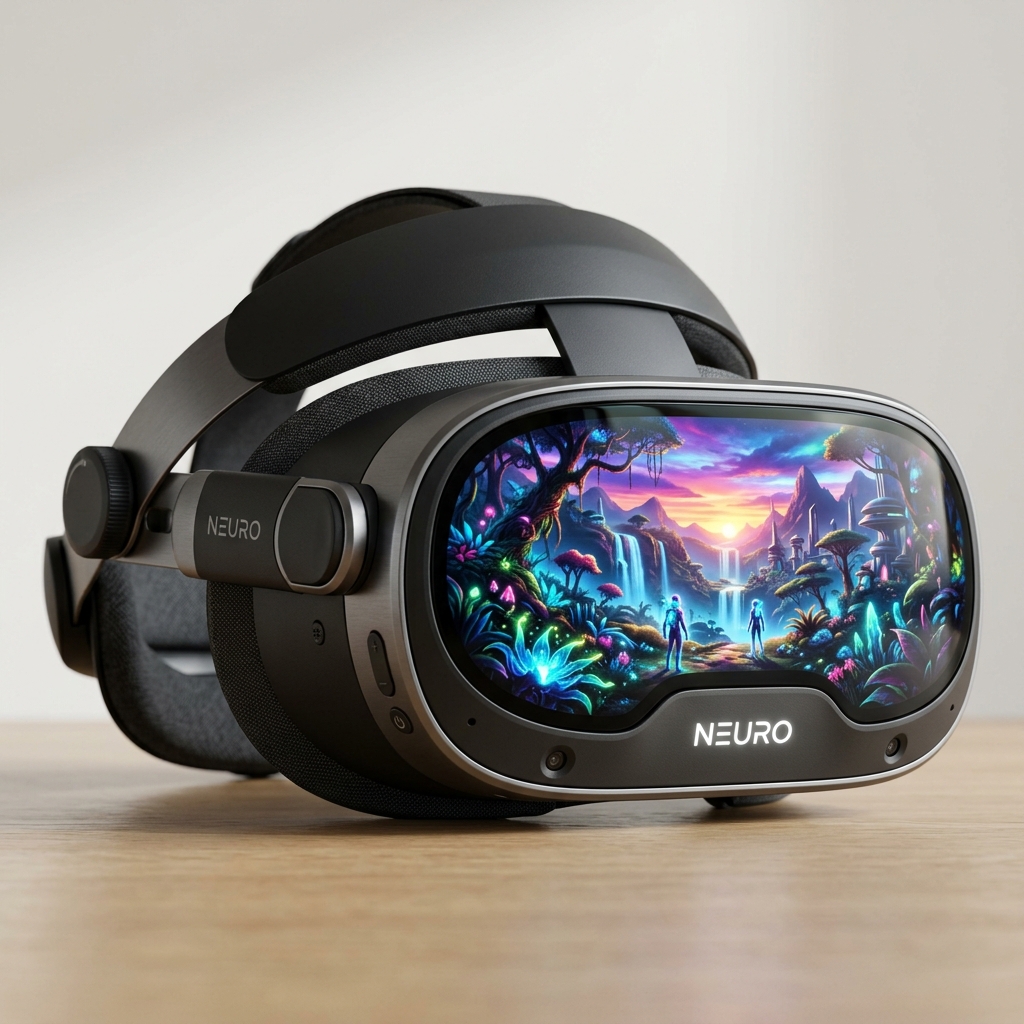
Selecting an appropriate VR headset is crucial for an optimal virtual tourism experience. Various headsets cater to different needs, budgets, and experiences. Below is a comparison table highlighting some popular commercial VR headsets.
| Headset Model | Resolution | Field of View | Tracking Type | Price |
|---|---|---|---|---|
| Meta Quest 3 | 2064 x 2208 per eye | 110° | Inside-out | Buy Meta Quest 3 |
| Oculus Rift S | 2560 x 1440 | 110° | Inside-out | $399 |
| Valve Index | 2880 x 1600 | 130° | External | $999 |
| Pico Neo 3 | 3664 x 1920 | 90° | Inside-out | $499 |
| HTC Vive Pro 2 | 2448 x 2448 per eye | 120° | External | $799 |
Exploring 360-Degree Maps
Once a VR headset is secured, the next step involves exploring 360-degree maps. Numerous platforms and applications offer extensive libraries of immersive content. These resources enable users to virtually visit iconic landmarks, engage in cultural experiences, and explore natural wonders.
Many applications provide guided tours, while others allow users to navigate freely. This flexibility caters to various preferences, making virtual tourism an engaging experience for everyone.

Benefits of Virtual Tourism
Virtual tourism offers numerous advantages over traditional travel. Firstly, it is cost-effective, eliminating expenses related to transportation, accommodation, and food. Secondly, it is environmentally friendly, significantly reducing carbon footprints and minimizing the impact on fragile ecosystems.
Additionally, virtual tourism provides safety and comfort. Particularly during times of global uncertainty, exploring the world from home can alleviate stress and anxiety associated with travel.
Engaging with Interactive Content
Many platforms offer interactive content that enhances the virtual tourism experience. Users can participate in live tours, attend virtual events, or even interact with local guides. This added dimension fosters a sense of connection with the destination and its culture.
Some applications incorporate gamification elements, allowing users to earn rewards or achievements as they explore. This approach not only makes virtual tourism enjoyable but also educational.

Setting Up for Virtual Travel
To embark on a virtual tourism journey, proper setup is essential. Begin by ensuring the VR headset is compatible with the chosen platform. Download the necessary applications and familiarize oneself with the controls.
Creating an engaging environment can enhance the immersive experience. Dim the lights, adjust the seating, and ensure a clear area to navigate safely.

Future of Virtual Tourism
The future of virtual tourism looks promising. As technology continues to evolve, the quality of virtual experiences will improve. Enhanced graphics, increased interactivity, and more accessible platforms are anticipated in the coming years.
Virtual tourism will likely become a staple in the travel industry, offering a complementary experience to traditional travel. With advancements in VR technology, the world will become even more accessible to everyone.
FAQ
What is virtual tourism?
Virtual tourism allows individuals to explore destinations through immersive virtual experiences using VR technology and 360-degree maps.
Do I need special equipment for virtual tourism?
A VR headset is essential for the best experience. Many options are available, ranging from budget-friendly to high-end models.
Can virtual tourism replace traditional travel?
While virtual tourism provides a unique experience, it is not a complete replacement for traditional travel. Instead, it serves as a complementary option.
Are there free virtual tourism options available?
Yes, many platforms offer free virtual tours and experiences. It is possible to explore various destinations at no cost.
How can I enhance my virtual tourism experience?
Creating an engaging environment, using high-quality headphones, and participating in interactive content can significantly enhance the experience.
Understanding Virtual Tourism
Virtual tourism allows individuals to explore global destinations from the comfort of their homes. This innovative experience provides an immersive way to visit famous landmarks and cultural sites without the need for physical travel.
With advancements in technology, virtual tourism has become more accessible and engaging. The use of 360-degree videos and interactive maps enhances the overall experience, making it feel almost real.
Choosing the Right VR Headset
Selecting a compatible VR headset is crucial for an optimal virtual tourism experience. Popular options include the Oculus Quest 2, HTC Vive Pro, and Sony PlayStation VR, each offering unique features and capabilities.
Consider factors such as resolution, field of view, and comfort when making a choice. A high-quality headset can significantly enhance immersion and visual clarity during virtual tours.
Exploring 360-Degree Content
Numerous platforms provide rich 360-degree content for virtual tourism. Websites like YouTube, National Geographic, and virtual tour-specific platforms offer a variety of experiences to choose from.
Engaging with interactive elements can provide deeper insights into destinations, enhancing the educational aspect of virtual travel. Users can navigate through environments and discover hidden gems at their own pace.
Utilizing Virtual Maps
Virtual maps play a significant role in enhancing the virtual tourism experience. Google Earth VR and similar applications allow for seamless navigation and exploration of diverse locations worldwide.
These tools offer detailed views of geographical features and landmarks, providing context and enriching the understanding of different cultures and histories. Users can zoom in on specific areas to gain a more comprehensive view.
Enhancing the Experience with Accessories
Accessories can elevate the virtual tourism experience significantly. Adding headphones for spatial audio can create an immersive sound environment, while motion controllers enhance interactivity.
Consider incorporating additional accessories like VR gloves or a VR treadmill for a more engaging experience. These enhancements can simulate real-world movements and interactions within virtual environments.
Socializing in Virtual Spaces
Virtual tourism is not just a solitary experience; it can also be a social one. Many platforms allow users to join friends or other travelers in shared virtual spaces, making exploration a communal activity.
Participating in guided tours or group experiences can provide unique perspectives and foster interactions with like-minded individuals. This social element enriches the virtual travel experience and creates lasting memories.
Future of Virtual Tourism
The future of virtual tourism looks promising as technology continues to evolve. Innovations in VR and AR will likely enhance realism and interactivity, making virtual travel even more appealing.
As more destinations embrace virtual experiences, the opportunities for exploration will expand. This growth could redefine how individuals experience travel, making it more inclusive and accessible than ever before.
How to Do Virtual Tourism and Travel the World in 360 Degrees using VR Headsets
Virtual tourism has transformed the way people experience the world, allowing individuals to explore various locations without leaving their homes. With the advancement of technology, VR headsets have become an essential tool for immersive travel experiences.
Understanding Virtual Tourism
Virtual tourism refers to the use of technology to simulate travel experiences. By using VR headsets, users can explore destinations in a fully immersive environment, making it feel as if they are actually there.
Choosing the Right VR Headset
Selecting the appropriate VR headset is crucial for an enjoyable virtual tourism experience. Various models cater to different preferences and budgets.
| VR Headset | Features | Price Range |
|---|---|---|
| Oculus Quest 2 | Standalone, high resolution, wireless | $299 - $399 |
| HTC Vive Pro 2 | High fidelity, precise tracking, premium audio | $799 - $1,399 |
| PlayStation VR | Access to PlayStation games, comfortable design | $299 - $399 |
| Valve Index | High refresh rate, excellent field of view | $999 - $1,099 |
Setting Up Your VR Headset
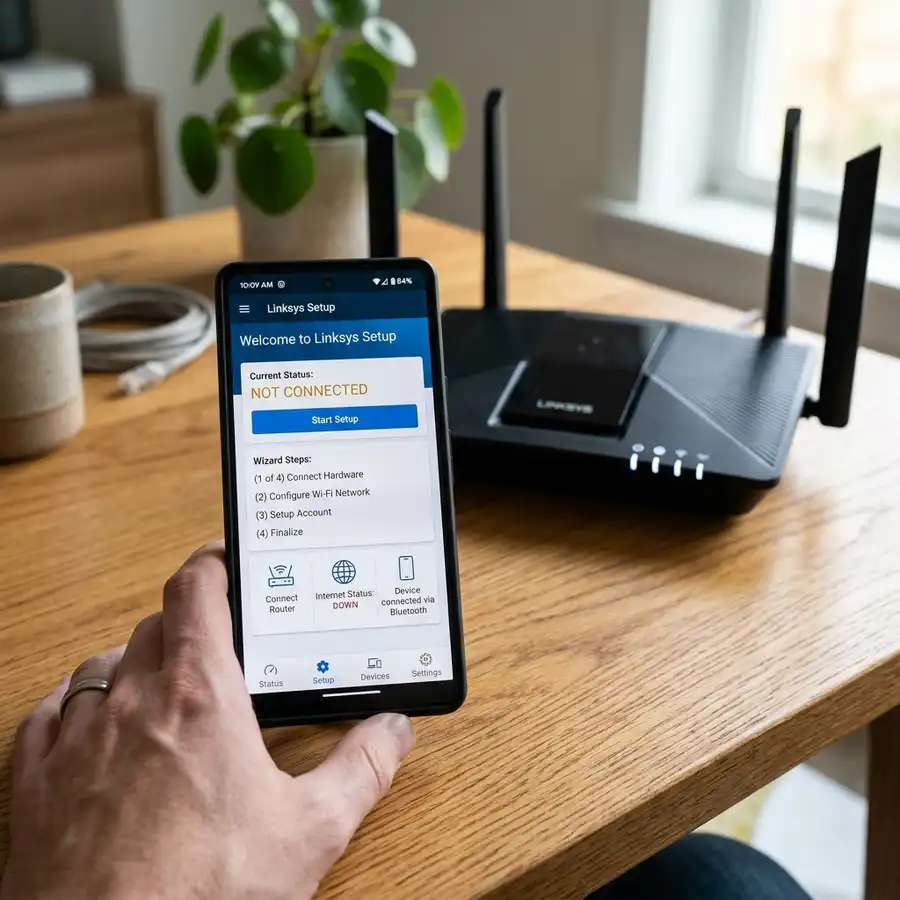
After selecting a VR headset, the next step is proper setup. This includes charging the device, connecting it to Wi-Fi, and downloading necessary apps.
- Follow the manufacturer's instructions for setup.
- Ensure a clean, open space for movement.
- Connect the headset to the internet for app downloads.
Finding Virtual Tourism Experiences
Numerous platforms offer virtual tourism experiences that can be accessed through VR headsets. These platforms provide various tours and explorations of global landmarks.
- Google Earth VR: Explore the world with a simple interface.
- Wander: Visit famous landmarks and hidden gems.
- VIRTUALITY: Experience guided tours in stunning locations.
- National Geographic Explore VR: Dive into nature and adventure.
Exploring Destinations in 360 Degrees
Once the headset and applications are set up, users can begin their virtual travels. The 360-degree views allow for an immersive experience of different locations.
Users can navigate through cities, parks, and museums, gaining insights into local culture and history. This immersive experience offers a sense of presence that traditional video cannot replicate.
Interacting with the Environment
Many virtual tourism platforms allow users to interact with their surroundings. This includes selecting points of interest and accessing additional information about specific locations.
- Click on objects to learn more about them.
- Engage with guided tours for deeper understanding.
- Customize your journey by choosing different routes.
Benefits of Virtual Tourism
Virtual tourism provides several advantages over traditional travel. It is cost-effective, environmentally friendly, and accessible to individuals with mobility challenges.
Additionally, users can experience destinations at their own pace without the pressures of time constraints often associated with physical travel.
Considerations for Virtual Tourism
While virtual tourism offers numerous benefits, there are some considerations to keep in mind. The quality of the experience can depend on the VR headset and the internet connection.
- Ensure a stable internet connection for seamless streaming.
- Choose a headset that fits comfortably for extended use.
Future of Virtual Tourism
The future of virtual tourism looks promising, with ongoing advancements in VR technology. As headsets become more affordable and user-friendly, more people will have access to these experiences.
Innovations such as improved graphics and haptic feedback will enhance the immersive aspects of virtual tourism further.
Combining Virtual Tourism with Real Travel
Virtual tourism can also serve as a complement to physical travel. Individuals can use virtual experiences to research destinations before visiting.
By exploring locations in VR, travelers can plan their itineraries more effectively, ensuring they do not miss significant attractions.
Community and Social Aspects of Virtual Tourism
Many virtual tourism platforms allow for social interaction, enabling users to explore destinations together. This can create a sense of community and shared experience.
- Join virtual travel groups to explore with others.
- Share experiences and tips through social media.
Conclusion
Virtual tourism offers a unique and accessible way to explore the world. With the right VR headset, individuals can embark on immersive journeys from the comfort of their homes.
As technology continues to evolve, the accessibility and quality of virtual tourism experiences will only improve, making it an exciting option for travelers of all kinds.