How to Do Virtual Tourism and Travel the World in 360 Degrees using VR Headsets (Tours)
How to Do Virtual Tourism and Travel the World in 360 Degrees using VR Headsets (Tours)
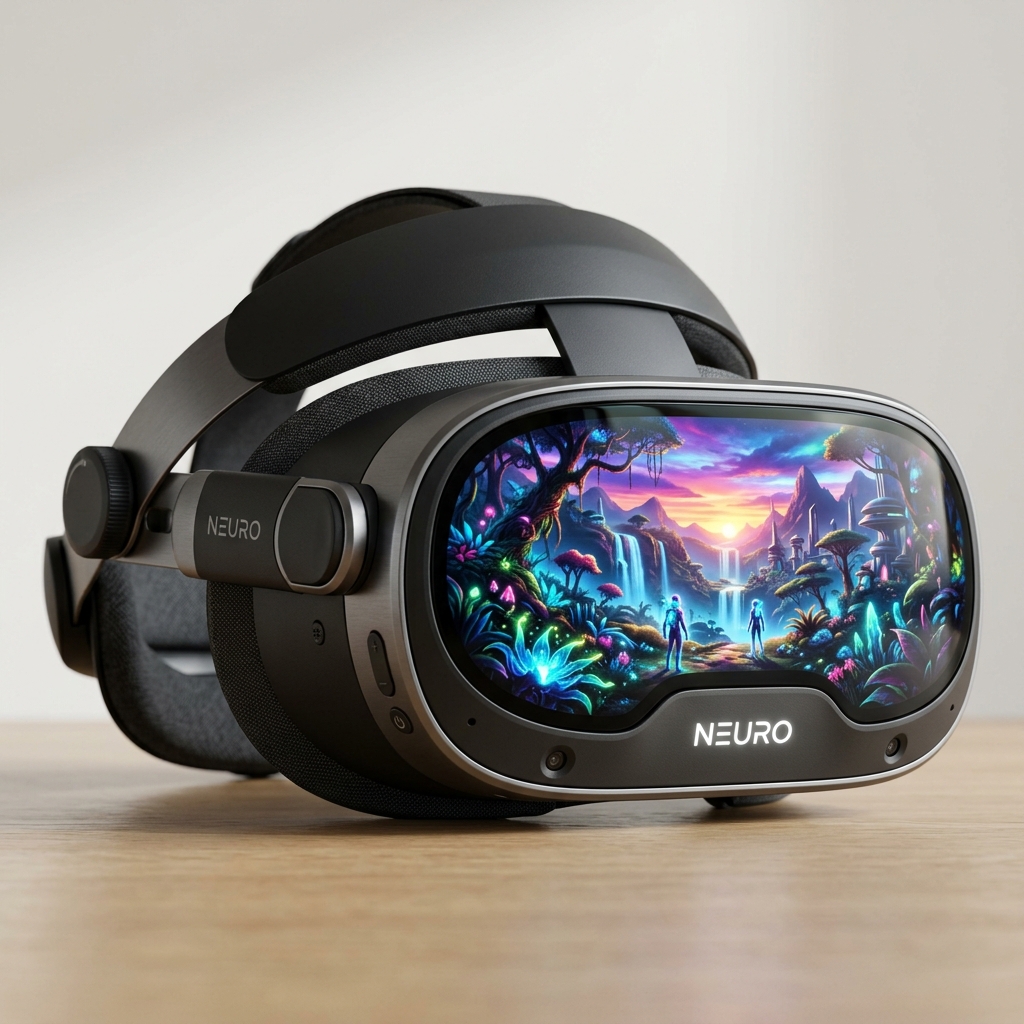
Virtual tourism allows individuals to explore the globe from the comfort of their homes using VR headsets. This technology creates immersive experiences that transport users to iconic landmarks and breathtaking landscapes.
The process of engaging in virtual tourism involves selecting a suitable VR headset, finding quality content, and navigating through various virtual environments. Here’s a comprehensive guide on how to do virtual tourism and travel the world in 360 degrees using VR headsets.
Choosing the Right VR Headset
The first step in experiencing virtual tourism is selecting a VR headset that meets specific requirements. Various models are available, each with unique features and specifications that cater to different user needs.
Comparison of Popular VR Headsets
| Model | Resolution | Field of View (FOV) | Refresh Rate | Price Range |
|---|---|---|---|---|
| Meta Quest 3 | 2064 x 2208 per eye | 110° | 120 Hz | $499 |
| Meta Quest 2 | 1832 x 1920 per eye | 90° | 90 Hz | $299 |
| HTC Vive Focus 3 | 2448 x 2448 per eye | 90° | 90 Hz | $999 |
| Valve Index | 1440 x 1600 per eye | 130° | 144 Hz | $999 |
| PlayStation VR2 | 2000 x 2040 per eye | 110° | 120 Hz | $549 |
| Apple Vision Pro | 4000 x 3000 per eye | 120° | 90 Hz | $3499 |
Finding Quality Virtual Tours
Popular platforms for virtual tourism include:
- Google Earth VR
- VeeR VR
- Wander
- National Geographic VR
- Oculus Venues
Step-by-Step Guide to Virtual Tourism
- Select a VR headset based on specifications and budget.
- Install necessary VR software and applications on the compatible device.
- Search for virtual tours on preferred platforms.
- Put on the VR headset and adjust settings for optimal comfort.
- Navigate through virtual tours using controllers or hand tracking.
DomineTec Tip: For an excellent balance of performance and price, consider buy Meta Quest 3 for virtual tourism.
Enhancing the Virtual Experience
To maximize the virtual tourism experience, consider integrating additional accessories. High-quality headphones enhance audio, while VR gloves provide tactile feedback.

Best Accessories for Virtual Tourism
Essential accessories include:
- High-fidelity headphones for immersive sound.
- VR gloves for enhanced interactivity.
- Comfortable head straps for prolonged use.
- External trackers for improved motion accuracy.
Adjusting Settings for Optimal Performance
Proper configuration ensures an enjoyable virtual tourism experience. Adjusting the headset’s settings helps in reducing discomfort and enhancing visual clarity.
For instance, ensuring correct interpupillary distance (IPD) can greatly affect comfort. Refer to guides on how to calibrate motion sensors on meta quest 1 controllers for optimal results.

Tips for an Immersive Virtual Tour Experience
Several strategies enhance the impact of virtual tourism. Engaging with the environment and utilizing available features can lead to a more enriching experience.
Engagement Strategies
- Explore various viewpoints and angles within the virtual environment.
- Interact with objects and information points as they provide context.
- Share experiences with friends or family for a social aspect.
Staying Safe While Using VR
Safety is paramount when engaging in virtual tourism. Awareness of surroundings and taking regular breaks can prevent discomfort and accidents.
Safety Precautions
- Ensure the play area is clear of obstacles.
- Take breaks every 30 minutes to reduce eye strain.
- Adjust headset straps for a secure fit.
Frequently Asked Questions
1. What is virtual tourism?
Virtual tourism involves exploring destinations and attractions through immersive technology, primarily using VR headsets.
2. Do VR headsets require a powerful computer?
Not all VR headsets require powerful computers. Standalone headsets like the Meta Quest 2 can operate independently without a PC.
3. Can virtual tours replace physical travel?
While virtual tours offer immersive experiences, they cannot completely replace the unique aspects of physical travel, such as cultural interactions.
4. Are there free virtual tours available?
Many platforms offer free virtual tours, particularly educational institutions and museums, enabling users to explore without financial commitment.
5. How often should VR headsets be calibrated?
Calibration frequency depends on usage. Regular calibration is recommended to maintain optimal performance and visual comfort.
Introduction to Virtual Tourism
Virtual tourism allows individuals to explore the globe without leaving home, providing immersive experiences in stunning locations. By utilizing advanced technology, it is possible to traverse landmarks, museums, and natural wonders in 360 degrees.
This innovative approach to travel is especially appealing for those who may have mobility limitations or budget constraints. Virtual tourism offers an affordable way to experience the world's beauty from the comfort of your living room.
Choosing the Right VR Headset
Selecting the appropriate VR headset is crucial for a fulfilling virtual tourism experience. Popular options include the Oculus Quest 2, HTC Vive Pro, and Valve Index, each offering unique features and comfort levels.
Consider factors such as resolution, field of view, and tracking capabilities when making a choice. High-quality headsets enhance the immersion and realism of virtual tours.
Exploring Virtual Tour Platforms
Numerous platforms cater specifically to virtual tourism, providing an array of tours across various locations. Websites and apps like Wander, Oculus Venues, and YouTube VR offer rich content that transports users to exotic destinations.
These platforms often feature guided tours, interactive elements, and high-definition visuals, making the experience engaging and educational. Users can explore cultural landmarks, historical sites, and breathtaking landscapes effortlessly.
Enhancing the Experience with Accessories
To maximize the virtual tourism experience, consider investing in additional accessories. Items such as VR gloves or enhanced audio solutions can elevate immersion and interaction during tours.
These enhancements allow for a more tactile and engaging experience, making virtual exploration feel more authentic and enjoyable. Comfort and usability should be prioritized when selecting accessories.
Socializing Through Virtual Travel
Virtual tourism can also serve as a social platform, allowing individuals to share experiences with friends or family. Many VR platforms facilitate group tours, enabling users to explore together regardless of physical distance.
Engaging with others during virtual travels can create shared memories and enhance the enjoyment of exploring new cultures and environments. Connection through shared experiences is a key benefit of virtual tourism.
Educational Opportunities in Virtual Tourism
Virtual tourism is not just for leisure; it can also provide significant educational benefits. Students and lifelong learners can explore historical sites and cultural institutions, gaining insights that textbooks cannot offer.
Institutions worldwide have adopted virtual tours, making it easier to integrate real-world experiences into curricula. This method fosters curiosity and a deeper understanding of global cultures and histories.
Future Trends in Virtual Tourism
The future of virtual tourism is promising, with continuous advancements in VR technology and content creation. Expect to see more realistic simulations, enhanced interactivity, and broader access to exclusive destinations.
As the industry evolves, virtual tourism may become a staple in how individuals experience the world, bridging the gap between travel enthusiasts and those unable to explore physically.
Getting Started with Virtual Tours
Beginning a virtual tourism journey is simple and accessible to anyone with a compatible VR headset. Users can start by downloading apps or visiting websites dedicated to virtual travel experiences.
After selecting a tour, the immersive experience can begin, allowing exploration of the world’s wonders from a unique perspective. With just a few clicks, the adventure awaits in vibrant 360-degree environments.
How to Do Virtual Tourism and Travel the World in 360 Degrees using VR Headsets
Virtual tourism offers a unique opportunity to explore the world from the comfort of home. With advancements in technology, VR headsets allow users to immerse themselves in breathtaking destinations, cultures, and experiences.
Getting Started with Virtual Tourism
To embark on a virtual tourism journey, the first step is to acquire a VR headset. Popular options include the Oculus Quest 2, HTC Vive Pro, and Sony PlayStation VR.
- Oculus Quest 2: Offers a wireless experience with a vast library of VR content.
- HTC Vive Pro: Known for its high-resolution display and room-scale tracking.
- Sony PlayStation VR: Integrates with PlayStation consoles for immersive gaming and experiences.
Choosing the Right Content
Once a VR headset is ready, the next step is to find suitable virtual tours. Many platforms offer a variety of experiences, including cultural tours, nature explorations, and historical sites.
- Google Earth VR: Explore famous landmarks and cities in 360 degrees.
- Wander: A travel app that allows users to visit various locations worldwide.
- National Geographic VR: Offers documentaries and explorations of nature and wildlife.
Finding Virtual Tours
Various websites and applications specialize in offering virtual tours. Many of these platforms provide free access to a selection of experiences, while others may require a subscription.
| Platform | Content Type | Cost |
|---|---|---|
| Oculus Store | Games and Tours | Varies |
| Steam | Games and Tours | Varies |
| Travel Through History | Historical Tours | Free |
Exploring Different Destinations
Virtual tourism can take users to various destinations worldwide. From the Eiffel Tower in Paris to the Great Barrier Reef in Australia, the possibilities are endless.
- Beijing, China: Experience the Great Wall and Forbidden City.
- New York City, USA: Explore Central Park and Times Square.
- Rio de Janeiro, Brazil: Visit Christ the Redeemer and Copacabana Beach.
Immersive Experiences
Many virtual tours are designed to be interactive, allowing users to engage with the environment. This can include guided tours, 360-degree videos, and even live-streamed events.
- Guided VR Tours: Live hosts guide tourists through the experience.
- 360-Degree Videos: Pre-recorded content that offers a panoramic view of locations.
- Interactive Experiences: Engage with the environment through activities and challenges.
Benefits of Virtual Tourism
Virtual tourism provides numerous benefits, making it an appealing option for many. It offers accessibility, allowing individuals who may not be able to travel due to health or financial constraints to explore the world.
- Cost-Effective: Virtual tours eliminate travel expenses like airfare and accommodation.
- Accessibility: Individuals with mobility issues can explore locations that may be difficult to visit physically.
- Safety: Virtual tourism allows exploration without the risks associated with traveling during pandemics or natural disasters.
Tips for an Enhanced Virtual Tourism Experience
To maximize the enjoyment of virtual tourism, consider the following tips. These suggestions can help create a more immersive experience.
- Use Headphones: Good audio enhances immersion, allowing users to hear ambient sounds and narratives.
- Adjust Settings: Tweak the VR headset settings for optimal visual clarity and comfort.
- Explore with Friends: Many platforms allow for multiplayer experiences, enhancing social interaction.
Future of Virtual Tourism
The future of virtual tourism looks promising as technology continues to evolve. Improvements in VR hardware and software will enhance experiences and accessibility.
- Enhanced Realism: Future advancements may include even more realistic graphics and immersive environments.
- AI Integration: Artificial intelligence may create personalized experiences based on user preferences.
- Augmented Reality Features: Combining AR with VR could allow users to interact with virtual elements in real-world environments.
Conclusion
Virtual tourism represents an innovative way to experience the world without leaving home. With various VR headsets and platforms available, anyone can embark on a journey to explore new cultures and landscapes.
Exploring Cultural Heritage Sites from Home
Virtual tourism allows travelers to visit renowned cultural heritage sites without leaving their homes. With VR headsets like the Oculus Quest 2, users can immerse themselves in the grandeur of places like the Colosseum in Rome or the Pyramids of Giza.
These virtual experiences often include detailed narration and interactive elements, enhancing the educational aspect of the journey. Engaging with ancient civilizations and their architecture becomes an unforgettable adventure accessible at any time.
Various platforms offer curated tours that bring history to life, allowing for exploration at one's own pace. This innovative approach fosters a deeper appreciation for cultural preservation and history.
The Role of VR in Sustainable Tourism
VR technology plays a pivotal role in promoting sustainable tourism practices. By offering virtual experiences, it reduces the environmental impact associated with traditional travel, such as carbon emissions from flights and accommodations.
Headsets like the HTC Vive Pro provide high-quality visuals that make users feel as though they are truly present in breathtaking locations. This shift towards virtual experiences encourages responsible tourism while still satisfying the wanderlust of many.
As awareness of environmental issues grows, virtual tourism presents a viable solution for mitigating the effects of mass travel. Embracing VR can help preserve natural wonders for future generations while still enabling enjoyment of the world's beauty.
Future Trends in Virtual Travel Experiences
The future of virtual travel is bright, with ongoing advancements in VR technology. Innovations such as augmented reality integration and enhanced haptic feedback are set to make experiences even more immersive and engaging.
Devices like the PlayStation VR2 are paving the way for more interactive storytelling, allowing users to fully engage with their virtual surroundings. As technology evolves, the realism of virtual travel will continue to increase, drawing more people into the world of VR tourism.
This growth will also foster collaborations between tech companies and travel agencies, creating unique offerings that blend entertainment with exploration. The possibilities are endless, making it an exciting time for the virtual tourism industry.




