How to Disable Smart Queues on UniFi Network Controller to Restore Max Speed

Disable Smart Queues: Go to Settings > Traffic Rules.
To restore max speed on your UniFi network, disabling Smart Queues is often necessary, especially when you notice significant speed reductions due to Quality of Service (QoS) settings.
Understanding Smart Queues on UniFi Network Controller
Smart Queues are a feature of the UniFi network controller designed to manage network traffic efficiently, ensuring that critical applications receive sufficient bandwidth.
This is achieved by allocating specific amounts of bandwidth to different types of traffic, thus preventing any single application from consuming all available bandwidth.
Traffic Management with Smart Queues
Smart Queues utilize advanced algorithms to dynamically allocate bandwidth based on traffic type, ensuring that critical applications such as video conferencing and online gaming receive priority over less critical applications like file downloads and email.
This approach helps maintain a stable and responsive network, even during periods of high traffic.
Benefits of Smart Queues
The primary benefits of Smart Queues include improved network performance, increased reliability, and enhanced user experience.
By prioritizing critical applications, Smart Queues help ensure that users can access the resources they need without interruption or delay.
Why Disable Smart Queues
Disabling Smart Queues can be beneficial when you want to maximize your network's throughput, especially in scenarios where QoS is not a priority.
In such cases, removing the limitations imposed by Smart Queues allows devices to utilize the full potential of your network connection.
Scenarios Where Disabling Smart Queues is Beneficial
Disabling Smart Queues may be beneficial in scenarios such as online gaming, video streaming, and large file transfers, where maximum throughput is essential.
In these cases, the limitations imposed by Smart Queues can hinder performance, and disabling them can help achieve the desired level of throughput.
Potential Drawbacks of Disabling Smart Queues
While disabling Smart Queues can provide benefits in certain scenarios, it can also lead to negative consequences such as network congestion, packet loss, and decreased overall network performance.
Therefore, it is essential to carefully evaluate the potential benefits and drawbacks before making a decision.

Configuring Your UniFi Network Controller
To manage your network effectively, understanding the UniFi network controller's capabilities and configurations is crucial.
Visit the UniFi network controller page for more information on how to create timed vouchers and manage guest portals.
UniFi Network Controller Features
The UniFi network controller offers a range of features, including network configuration, device management, and traffic analysis.
These features enable administrators to monitor and control their network, ensuring optimal performance and security.
Configuring Network Settings
Configuring network settings, such as IP addresses, subnet masks, and gateways, is essential for ensuring proper network functionality.
The UniFi network controller provides an intuitive interface for configuring these settings, making it easy to manage your network.
Step-by-Step Guide to Disabling Smart Queues
Disabling Smart Queues involves accessing your UniFi network controller and navigating to the settings section.
Here’s a step-by-step guide:
- Log in to your UniFi network controller.
- Navigate to the Settings section.
- Click on Traffic Rules.
- Look for the Smart Queues section and click on it.
- Disable the Smart Queues feature.
Precautions Before Disabling Smart Queues
Before disabling Smart Queues, it is essential to understand the potential consequences and ensure that your network is prepared for the change.
This includes evaluating your network's traffic patterns, configuring alternative traffic management settings, and monitoring your network's performance after disabling Smart Queues.
Verifying Smart Queues Status
After disabling Smart Queues, it is crucial to verify that the feature is indeed disabled and that your network is functioning as expected.
This can be done by monitoring your network's performance, checking for any error messages, and ensuring that all devices can access the network without issues.
DomineTec Tip: Regularly review your network's traffic rules to ensure they align with your current needs and optimize performance.
Comparing Traffic Management Options
Different network controllers offer various traffic management options, including QoS settings and traffic shaping.
Understanding these options is key to optimizing your network's performance.
| Feature | Smart Queues | QoS Settings |
|---|---|---|
| Traffic Management | Automatic traffic prioritization | Manual traffic prioritization |
| Bandwidth Allocation | Dynamic allocation based on traffic type | Static allocation based on user configuration |
QoS Settings vs. Smart Queues
QoS settings and Smart Queues are both used for traffic management, but they differ in their approach and application.
QoS settings provide manual control over traffic prioritization, while Smart Queues utilize automatic traffic prioritization based on traffic type.
Traffic Shaping and Policing
Traffic shaping and policing are additional traffic management techniques used to control network traffic.
Traffic shaping involves delaying packets to ensure compliance with a specified rate, while traffic policing involves discarding packets that exceed a specified rate.
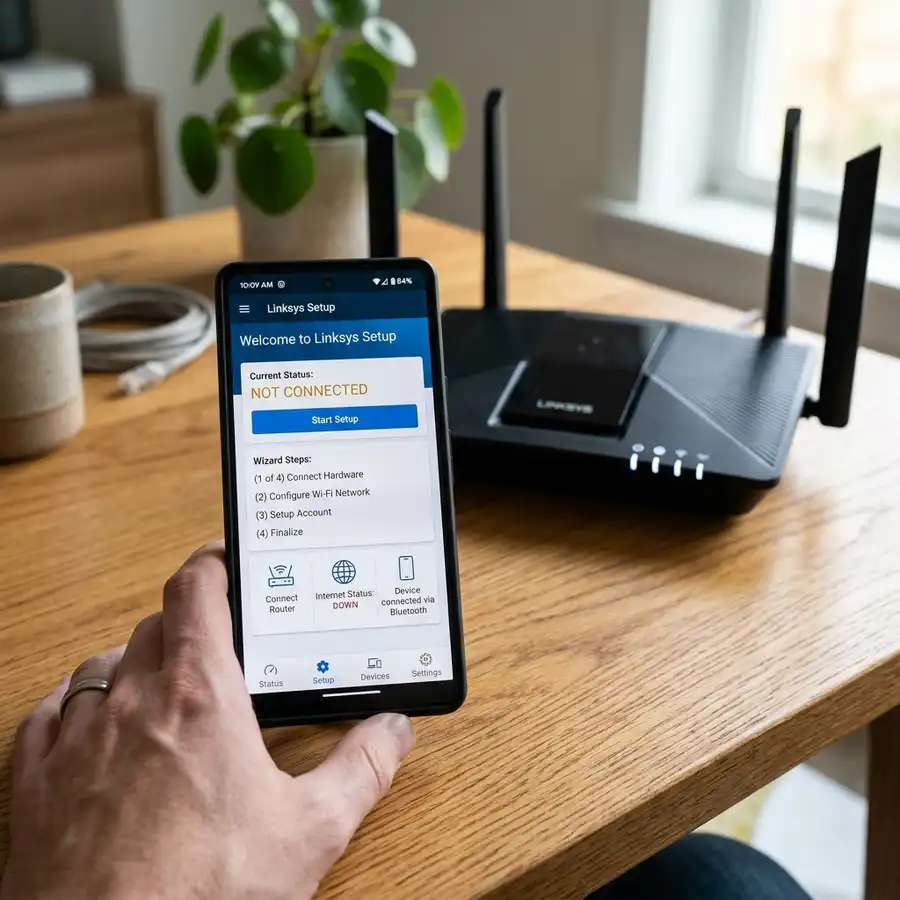
Power Protection for Your Network Devices
Protecting your network devices from power surges and outages is essential for maintaining network stability.
Consider using a stabilizer vs UPS for power protection, and explore how smart home devices can function without an internet connection.
Types of Power Protection Devices
There are several types of power protection devices available, including surge protectors, uninterruptible power supplies (UPS), and voltage stabilizers.
Each type of device offers unique benefits and is suited for specific applications and environments.
Importance of Power Protection
Power protection is crucial for maintaining network stability and preventing damage to network devices.
Power surges and outages can cause data loss, corruption, and equipment damage, highlighting the need for effective power protection measures.
Understanding Smart Queue Management
Smart Queue Management (SQM) is designed to optimize bandwidth usage and reduce latency. However, when maximum speed is a priority, disabling this feature may yield better results.
SQMs utilize algorithms such as CAKE and FQ-CoDel to manage packet scheduling. Familiarity with these algorithms is essential for troubleshooting and understanding the impact of disabling SQM.
Step-by-Step Guide to Disabling Smart Queues
To disable Smart Queues on a UniFi Network Controller, access the settings through the web interface. Navigate to the “Traffic Management” section under the “Settings” menu.
Locate the “Smart Queues” toggle and switch it off. Ensure to save the changes to apply the new configuration.
After disabling, monitor the network performance closely for improvements in speed and latency. This verification step is crucial to ensure that the desired effects are achieved.
Troubleshooting Common Issues Post-Configuration
After disabling Smart Queues, unexpected performance issues may arise. If speeds do not improve, consider checking the Quality of Service (QoS) settings to ensure they are not conflicting.
Additionally, verifying the firmware version of the UniFi devices can help. Outdated firmware may cause performance inconsistencies and should be updated if necessary.
Comparative Analysis of Smart Queue Settings
| Feature | Enabled Smart Queues | Disabled Smart Queues |
|---|---|---|
| Latency | Lower latency for multiple users | Higher latency during peak usage |
| Bandwidth Allocation | Dynamic allocation based on usage | Static allocation, max speed possible |
| Network Congestion | Reduces congestion effectively | Potential for increased congestion |
| User Experience | More reliable for multiple simultaneous connections | Best for single-user or low-traffic scenarios |
This comparative analysis can assist in deciding whether to keep Smart Queues disabled or re-enable them based on specific network demands. Each network environment may yield different results based on user behavior and traffic patterns.
Understanding Smart Queues and Their Impact on Speed
Smart Queues are designed to optimize bandwidth distribution among devices, but they can inadvertently limit throughput for high-bandwidth applications.
Disabling Smart Queues can restore maximum speed, but it is essential to understand the potential trade-offs regarding network congestion during peak usage times.
Performance Metrics
Before and after disabling Smart Queues, performance metrics should be gathered to assess the impact on network speed.
Common metrics to monitor include latency, jitter, and packet loss, which can be measured using tools like Ping and Traceroute.
- Latency: Time taken for a packet to travel from source to destination.
- Jitter: Variation in packet arrival time.
- Packet Loss: Percentage of packets that do not reach their destination.
Alternative Traffic Management Solutions
If Smart Queues are disabled, alternative traffic management solutions can be implemented to maintain network efficiency.
Quality of Service (QoS) settings can be utilized to prioritize traffic for critical applications without sacrificing overall performance.
QoS Configuration Steps
To set up QoS, access the UniFi Network Controller and navigate to the "Traffic Management" section.
- Select "Add New Rule" under the QoS settings.
- Define the type of traffic to prioritize, such as video streaming or gaming.
- Specify bandwidth limits per device or application as needed.
Troubleshooting Common Issues After Disabling Smart Queues
After disabling Smart Queues, users may encounter issues such as increased latency or network congestion.
Identifying the root cause of these issues is essential for restoring optimal performance.
Common Troubleshooting Steps
| Issue | Potential Cause | Recommended Action |
|---|---|---|
| Increased Latency | Network congestion due to high traffic | Consider implementing QoS rules |
| Packet Loss | Interference from neighboring networks | Change the channel of the Wi-Fi network |
| Slow Speeds | Insufficient bandwidth allocation | Upgrade the internet plan or redistribute devices |
Understanding the Impact of Smart Queues on Network Performance
Smart Queues are designed to optimize bandwidth usage by managing traffic flow. However, in scenarios where maximum speed is critical, disabling these features can lead to significant performance improvements.
To understand the impact, consider the following factors:
- Latency: Smart Queues can introduce additional latency due to packet processing. Disabling them often results in lower latency during high-demand periods.
- Throughput: Maximum throughput can be achieved when Smart Queues are turned off, allowing for direct transmission of packets without additional handling.
- Network Congestion: The effect of network congestion can be mitigated by adjusting Quality of Service (QoS) settings instead of using Smart Queues.
A comparative analysis of performance metrics before and after disabling Smart Queues can provide clarity on the benefits observed.
Troubleshooting Common Issues After Disabling Smart Queues
After disabling Smart Queues, several issues may arise that can affect network performance. Identifying and resolving these issues is crucial for maintaining optimal network conditions.
Common troubleshooting steps include:
- Packet Loss: Monitor for packet loss using tools like ping tests. If packet loss is detected, consider adjusting MTU settings.
- Device Compatibility: Ensure that all connected devices support the new configuration. Some devices may require updates or configuration changes.
- Network Monitoring: Utilize network monitoring tools to analyze traffic patterns and identify bottlenecks. This can help in fine-tuning other QoS settings.
Creating a log of changes made during troubleshooting can assist in identifying patterns that lead to performance degradation.
Understanding Bandwidth Allocation and QoS Settings
Properly configuring bandwidth allocation and Quality of Service (QoS) settings is essential for optimizing network performance.
When Smart Queues are disabled, manual adjustments to bandwidth parameters may be necessary to ensure that critical applications receive the necessary resources.
- Bandwidth Limits: Set specific upload and download limits for each device to prevent any single device from monopolizing bandwidth.
- QoS Rules: Create detailed rules that prioritize traffic types, such as video conferencing or gaming, to enhance performance.
It is advisable to monitor the network regularly to make adjustments as necessary.
Utilizing tools such as the UniFi network insights can help in identifying traffic patterns and areas needing attention.
Troubleshooting Common Issues After Disabling Smart Queues
Disabling Smart Queues may lead to various connectivity issues or reduced performance in certain scenarios.
Identifying these issues promptly can help maintain a stable network experience.
- Increased Latency: If latency spikes occur, consider checking for any bandwidth hogs or misconfigured QoS settings.
- Device Connectivity Problems: Ensure that all devices are properly connected and configured, as disabling Smart Queues can sometimes expose underlying issues.
Running speed tests across different times of the day can help ascertain whether performance issues are consistent or sporadic.
For persistent problems, reverting to the previous configuration may offer a temporary solution while further diagnostics are conducted.
Frequently Asked Questions
What are Smart Queues in UniFi Network Controller?
Smart Queues are a feature designed to manage network traffic efficiently by allocating specific amounts of bandwidth to different types of traffic.
This ensures that critical applications receive sufficient bandwidth, preventing any single application from consuming all available bandwidth.
Why would I want to disable Smart Queues?
Disabling Smart Queues can be beneficial when you want to maximize your network's throughput, especially in scenarios where QoS is not a priority.
This allows devices to utilize the full potential of your network connection without the limitations imposed by Smart Queues.
How do I access the UniFi network controller?
Accessing the UniFi network controller typically involves navigating to its IP address in a web browser and logging in with your credentials.
For more detailed instructions, refer to the official UniFi documentation or the UniFi network controller page.
Can I use other traffic management options instead of Smart Queues?
Yes, different network controllers offer various traffic management options, including QoS settings and traffic shaping.
Understanding these options is key to optimizing your network's performance and choosing the best approach for your specific needs.
Will disabling Smart Queues affect my network's security?
Disabling Smart Queues should not directly affect your network's security, as it is primarily a traffic management feature.
However, it is essential to regularly review your network's settings and configurations to ensure they align with your current needs and maintain optimal security.
Risks of Disabling Smart Queues
Disabling Smart Queues can pose risks to your network's performance and security, including increased congestion, packet loss, and vulnerability to malicious traffic.
Therefore, it is crucial to carefully evaluate the potential risks and benefits before disabling Smart Queues.
Best Practices for Network Security
Best practices for network security include regularly updating firmware and software, using strong passwords, and implementing robust access controls.
Additionally, monitoring network traffic and configuring intrusion detection systems can help identify and mitigate potential security threats.




