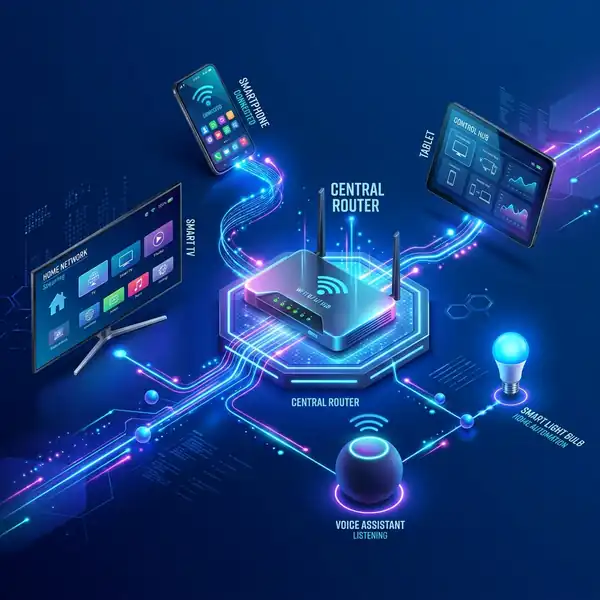
Creating a secure VLAN for smart home IoT devices enhances network security by segregating traffic.
Understanding VLANs and Their Importance
A Virtual Local Area Network (VLAN) creates a logical network segmentation that improves security and performance. This is particularly essential for smart home IoT devices, which often lack robust security features.
Prerequisites for VLAN Configuration
Ensure that the network equipment supports VLAN tagging. Devices such as managed switches and routers are essential for this setup.
Familiarity with networking concepts and access to the device’s management interface is also required.
Step-by-Step VLAN Configuration
- Access the router or switch management interface via a web browser.
- Log in using administrator credentials.
- Navigate to the VLAN configuration section.
- Create a new VLAN and assign it a unique VLAN ID (e.g., VLAN 10).
- Add the IoT devices to this VLAN by tagging their respective ports.
- Set up inter-VLAN routing and access control lists (ACLs) as necessary.
- Save the configuration and reboot the device if required.

Configuration Variables and Commands
For Cisco devices, the following commands configure a VLAN:
        Switch# configure terminal
        Switch(config)# vlan 10
        Switch(config-vlan)# name IoT_VLAN
        Switch(config-vlan)# exit
        Switch(config)# interface range fa0/1 - 10
        Switch(config-if-range)# switchport mode access
        Switch(config-if-range)# switchport access vlan 10
For MikroTik routers, use the following commands:
        /interface vlan
        add name="IoT_VLAN" vlan-id=10 interface=ether1
        /ip address
        add address=192.168.10.1/24 interface=IoT_VLAN
Security Best Practices
Implement ACLs to restrict traffic between VLANs, only allowing necessary communication. Regularly update device firmware to mitigate vulnerabilities.
Utilizing strong passwords for all devices and employing network monitoring tools can further enhance security.
Testing VLAN Security
Use tools such as Nmap or Wireshark to analyze network traffic and ensure that the VLAN segmentation is functioning correctly. Conduct penetration testing to identify vulnerabilities within the setup.
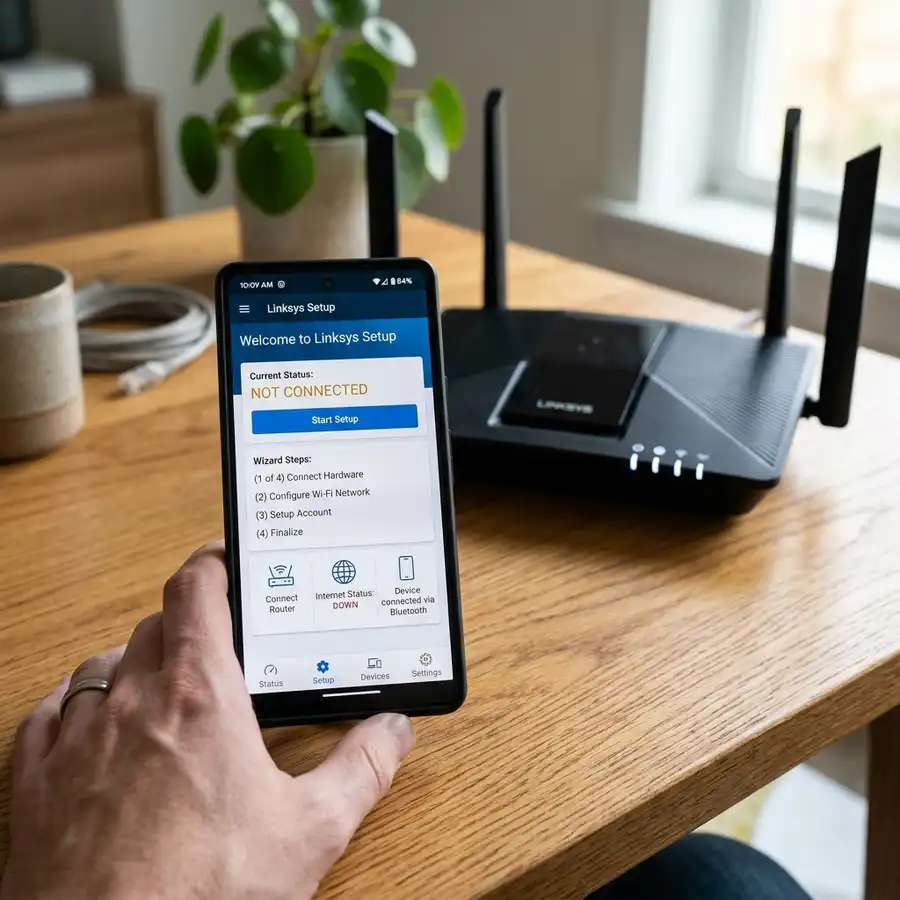
Technical Specifications Summary
| Device Type | VLAN Support | Max VLANs | Security Features |
|---|---|---|---|
| Managed Switch | Yes | 4096 | ACLs, 802.1Q |
| Router | Yes | 4096 | Firewall, NAT |
| Access Point | Yes | Multiple | WPA3, VLAN Tagging |
DomineTec Tip: Consider implementing a guest VLAN for visitors to prevent unauthorized access to IoT devices.
Advanced Firewall Configuration
Implementing a robust firewall configuration is essential for protecting a VLAN designated for IoT devices. Firewalls can be configured to employ both stateful and stateless inspection techniques to monitor and control incoming and outgoing network traffic.
Stateful firewalls maintain a record of active connections and determine whether a packet is part of an established session, enhancing security by allowing only legitimate traffic. On the other hand, stateless firewalls operate based on predefined rules and do not track the state of connections, making them less effective for complex environments like smart homes.
To enhance security further, the use of application-layer firewalls is recommended, as they can filter traffic based on specific application-level protocols. This adds an extra layer of protection by preventing unauthorized access to IoT devices that may have vulnerabilities.
Regular updates and rule modifications are necessary to adapt to emerging threats. Continuous monitoring of firewall logs enables quick identification of suspicious activities, ensuring that the VLAN remains secure against potential attacks.
Implementing Network Segmentation Techniques
Network segmentation enhances security by dividing a network into smaller, manageable segments, each with its own security protocols. For smart home IoT devices, segmentation can isolate these devices from critical systems, reducing the attack surface.
Virtual LANs (VLANs) are a primary method of segmentation, allowing for distinct broadcast domains within a single physical network infrastructure. Additionally, subnets can be utilized to further divide segments, providing granular control over traffic flow and access rights.
Using Access Control Lists (ACLs) on routers and switches can enforce security policies between the segments. This ensures that only authorized devices can communicate with each other, preventing unauthorized access to sensitive information or systems.
Monitoring tools can be deployed to analyze traffic between segments, helping to detect any abnormal behavior that could indicate a breach. This proactive approach aids in maintaining the integrity of the entire network structure.
Integrating VPN for Remote Access
Integrating a Virtual Private Network (VPN) into the VLAN setup enables secure remote access to smart home IoT devices. A VPN encrypts data traffic, securing it from potential interception while traversing the internet.
Setting up a VPN server within the home network allows users to create a secure tunnel to access IoT devices remotely. This is particularly beneficial for monitoring and controlling devices when away from home.
Choosing the right VPN protocol is crucial for balancing security and performance. Protocols like OpenVPN and IKEv2 are widely regarded for their robust security features and flexibility in various network environments.
Regularly updating VPN software ensures protection against vulnerabilities. Additionally, implementing strong user authentication mechanisms is vital to prevent unauthorized access to the smart home network through the VPN.
Monitoring and Logging Network Activity
Effective monitoring and logging of network activity provide valuable insights into the behavior of IoT devices within the VLAN. Tools such as Network Traffic Analyzers can help in capturing and analyzing data packets passing through the network.
Logging activity allows for the identification of unusual patterns that may signify a security breach or device malfunction. This information can be crucial for responding to incidents quickly and effectively.
Setting alerts for specific events, such as unauthorized access attempts or unusual data transmission rates, enhances the ability to respond to potential threats promptly. Automated responses can also be configured to mitigate risks in real-time.
Regular reviews of logs and activity reports can help in fine-tuning security measures. This ongoing analysis ensures that the VLAN remains resilient against evolving threats and vulnerabilities.
Device Management and Firmware Updates
Regular management and firmware updates for IoT devices are vital components of a secure VLAN environment. Many IoT devices have known vulnerabilities that can be exploited if not properly maintained.
Establishing a routine for checking and applying firmware updates ensures that devices have the latest security patches. This practice mitigates risks associated with outdated software that could be targeted by attackers.
Device management solutions can automate the process of monitoring device status and facilitating updates, significantly reducing the workload on users. These tools can also provide insights into device performance and security compliance.
Documentation of all IoT devices, including their update history and current firmware versions, can help in maintaining an organized and secure environment. This information is crucial during audits and vulnerability assessments.
Establishing a Guest Network
Creating a guest network is a strategic way to enhance security for a VLAN containing IoT devices. Guest networks allow visitors to access the internet without exposing the primary home network or its devices.
By segregating guest traffic from the main VLAN, the risk of unauthorized access to sensitive devices is minimized. This separation prevents guests from inadvertently compromising network security.
Implementing bandwidth limitations on the guest network can prevent excessive resource consumption, ensuring that critical IoT devices maintain optimal performance. This policy also protects the integrity of the smart home ecosystem.
Regularly reviewing guest network usage and access logs helps in identifying any suspicious activities. This proactive approach ensures that the network remains secure while offering convenience to visitors.
Additional Tuning and Diagnostics
Tuning a VLAN for optimal performance requires a comprehensive understanding of both network traffic patterns and the specific characteristics of IoT devices. It is essential to assess the network load regularly to identify bottlenecks that could affect the performance of smart home devices.
Implementing Quality of Service (QoS) settings can significantly enhance the performance of critical IoT applications. By prioritizing traffic for devices such as security cameras or smart speakers, latency can be minimized, ensuring that these devices operate smoothly even during peak usage times.
Regular diagnostics can reveal unexpected issues in VLAN performance. Tools such as network analyzers can help in monitoring traffic flow and identifying devices that may be consuming excessive bandwidth or experiencing connection drops.
Establishing baseline performance metrics allows for more effective troubleshooting over time. By comparing current performance against these established metrics, it becomes easier to pinpoint the exact causes of any disruptions or slowdowns experienced within the VLAN.
Advanced VLAN Management Techniques
Advanced management techniques for VLANs include the implementation of VLAN Trunking Protocol (VTP) to facilitate dynamic VLAN management. VTP allows for the automatic distribution of VLAN configuration across switches, reducing the administrative burden and minimizing configuration errors.
Dynamic Host Configuration Protocol (DHCP) Snooping is another critical component that can enhance VLAN security. By ensuring that only authorized DHCP servers can assign IP addresses within the VLAN, it prevents rogue devices from gaining access to the network.
Implementing Private VLANs (PVLANs) adds an additional layer of security by isolating devices within the same VLAN. This ensures that even if an IoT device is compromised, it cannot communicate with other devices on the same network segment, thereby containing potential threats.
Utilizing VLAN Access Control Lists (ACLs) can further refine access control policies. By specifying which devices can communicate across VLANs, unauthorized access can be effectively blocked, enhancing overall network security.
Integration with Cloud Services
Many smart home devices utilize cloud services for data processing and management. Integrating VLANs with these services requires a secure connection to ensure that data transmitted between the local network and cloud providers is not compromised.
Using secure tunneling protocols, such as IPsec or SSL/TLS, can protect data in transit from eavesdropping or tampering. This is particularly important for sensitive data generated by smart home devices, such as video feeds from surveillance cameras.
Careful consideration must be given to the storage and processing of sensitive data in the cloud. Utilizing encryption both at rest and in transit ensures that even if data is intercepted, it remains unreadable without the appropriate decryption keys.
Regular audits of cloud service configurations and access logs help maintain security. By ensuring that only authorized personnel have access to critical cloud resources, the risk of data breaches can be significantly reduced.
Future-Proofing Your VLAN Deployment
Future-proofing a VLAN deployment involves anticipating network growth and the evolving landscape of IoT technologies. As new devices and protocols emerge, the VLAN infrastructure must be adaptable to accommodate these changes without requiring a complete overhaul.
Implementing scalable architectures, such as using software-defined networking (SDN), allows for dynamic resource allocation and management. This ensures that as the number of devices increases, the network can efficiently manage bandwidth and processing power.
Regular training and updates for network administrators are crucial in keeping pace with emerging security threats and technologies. Staying informed about the latest best practices and vulnerabilities ensures that the VLAN remains secure and efficient over time.
Establishing a robust incident response plan that includes VLAN-specific protocols prepares the network for unforeseen security breaches. By having predefined steps for containment and recovery, damage can be minimized, and normal operations can be restored more rapidly.
Implementing Quality of Service (QoS) for IoT Traffic
Quality of Service (QoS) plays a crucial role in managing network resources, particularly in environments with multiple IoT devices that require consistent bandwidth and low latency.
Implementing QoS allows prioritization of certain types of traffic, ensuring that critical IoT applications, such as security cameras or smart locks, operate effectively even during peak usage times.
To implement QoS in a VLAN for IoT devices, the first step involves classifying traffic based on predefined parameters such as source/destination IP address, MAC address, or application type.
Once classified, traffic can be assigned different priority levels, allowing routers and switches to handle packets according to their importance, thereby optimizing the overall performance of the smart home network.
For example, traffic from a smart thermostat may be assigned a higher priority than that from a less critical device like a smart light bulb, ensuring that temperature control commands are executed promptly.
Configuration can be achieved through various methods, including Differentiated Services Code Point (DSCP) marking or IEEE 802.1p tagging, depending on network equipment capabilities.
Continual monitoring of QoS effectiveness is essential, using network analysis tools to measure latency, jitter, and packet loss to ensure that the implemented policies meet intended outcomes.
Fine-tuning QoS settings may be necessary to accommodate changes in device behavior or network demands, highlighting the importance of regular assessments and adjustments.
Utilizing Network Access Control (NAC) Solutions
Network Access Control (NAC) solutions provide an additional layer of security by enforcing policies that govern device access within a VLAN dedicated to IoT devices.
By implementing NAC, organizations can ensure that only authorized devices are allowed to connect to the network, reducing the risk of unauthorized access and potential breaches.
NAC solutions typically function by assessing endpoint compliance with security policies before granting access, often checking for up-to-date software, antivirus status, and device configuration.
This pre-access evaluation can prevent potentially compromised devices from connecting, which is particularly vital in a smart home environment where vulnerabilities in one device could jeopardize others.
Integration of NAC with VLAN configurations allows for dynamic segmentation, meaning that devices can be automatically placed in specific VLANs based on their compliance status or role in the network.
For instance, a newly added IoT device may initially connect to a restricted VLAN for assessment before being moved to a more permissive VLAN once compliance is confirmed.
Moreover, NAC solutions can facilitate continuous monitoring of device behavior, allowing for real-time adjustments to access policies as threats evolve or as devices change roles.
Ultimately, the combination of VLANs and NAC creates a robust security posture, ensuring that smart home IoT devices operate securely within a controlled network environment.
Frequently Asked Questions
What is a VLAN?
A VLAN is a virtual network that segments traffic within a physical network, enhancing security and performance.
How many VLANs can a switch support?
Most switches support up to 4096 VLANs, depending on the model and configuration.
What are the benefits of using a VLAN for IoT devices?
VLANs improve security by isolating IoT devices from the main network and reduce broadcast traffic.
Can VLANs be configured on wireless networks?
Yes, VLANs can be configured on wireless networks using access points that support VLAN tagging.
How do I monitor VLAN traffic?
Network monitoring tools like Wireshark or PRTG can be used to analyze VLAN traffic for anomalies and performance issues.