How to Create and Customize Your Virtual Reality Avatar on Meta Quest 2
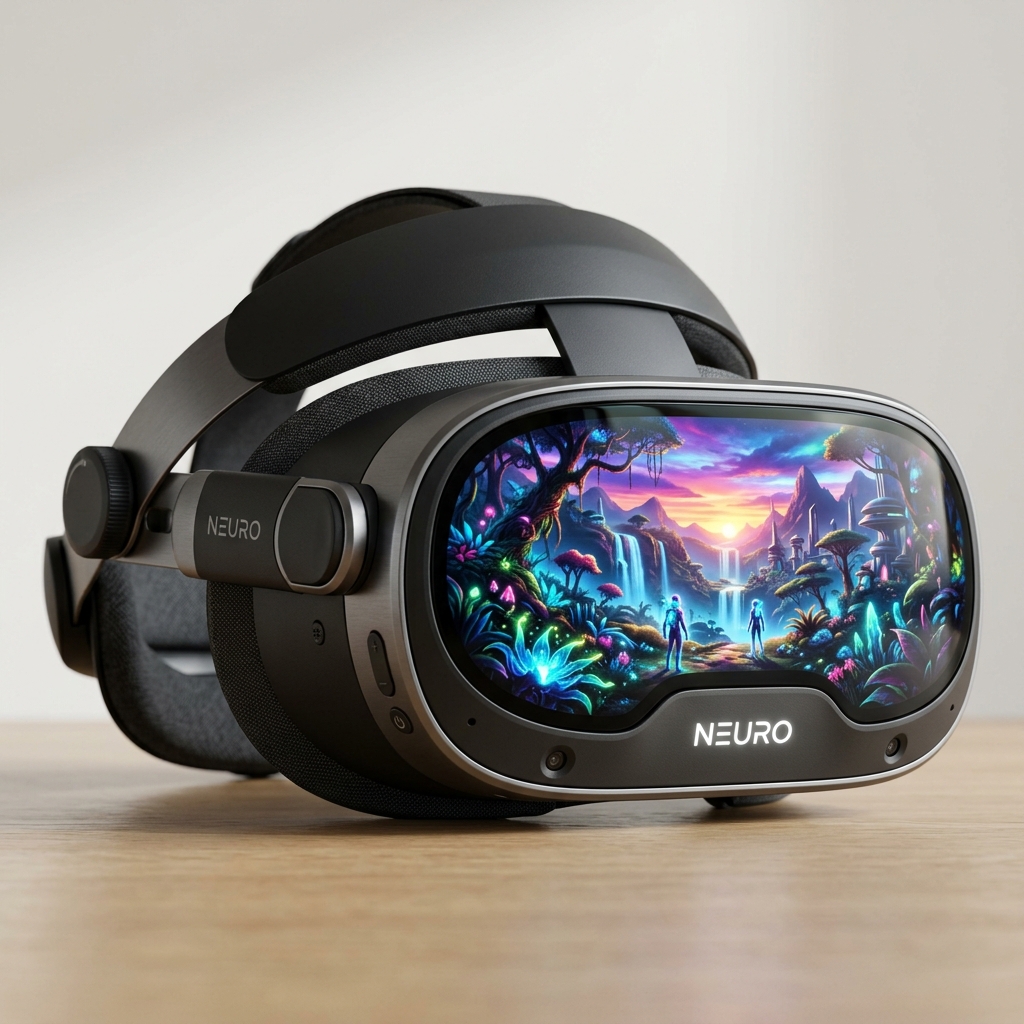
How to Create and Customize Your Virtual Reality Avatar on Meta Quest 2
Creating and customizing a virtual reality avatar on Meta Quest 2 is a straightforward process that enhances the immersive experience. This guide provides detailed steps and tips to ensure avatars are both personalized and functional.
Understanding the Meta Quest 2 Avatar System
The Meta Quest 2 allows for a high level of customization, enabling users to create avatars that reflect personal style and preferences. Proper customization enhances interaction in various VR environments.
Step-by-Step Process to Create Your Avatar
- Power on the Meta Quest 2 headset and navigate to the main menu.
- Select the "Oculus" app to access avatar settings.
- Choose "Avatar" from the menu options.
- Select "Create Avatar" to initiate the avatar creation process.
- Choose from various preset avatars or start from scratch.
- Customize physical features such as skin tone, hair style, and eye shape.
- Adjust clothing and accessories to match personal style.
- Preview the avatar in different environments before finalizing.
- Save the avatar to use in different VR applications.
DomineTec Tip: For seamless interactions, consider backing up your iPhone to a computer without iCloud before creating your avatar.
Customizing Features of Your Avatar
Customization options on Meta Quest 2 include a wide array of facial features, clothing, and accessories. Avatars can be tailored to express individuality or to fit specific themes of the virtual environments.
Facial Features
Facial features such as eye color, shape, and facial hair can be adjusted. Different combinations can create a unique look that stands out in multiplayer settings.
Body Type and Size
Users can select body types to match their preferences. Options include various heights and body shapes, allowing for a more personalized experience.
Clothing and Accessories
Clothing options range from casual to formal wear. Accessories such as glasses, hats, and jewelry can also be added to enhance the avatar’s look.
Utilizing Avatars in VR Environments
Avatars are not just representations; they play a crucial role in social interactions within VR. An engaging avatar can enhance communication and connectivity with other users.
Comparison of Leading VR Headsets
| VR Headset Model | Resolution | Refresh Rate | Field of View | Price |
|---|---|---|---|---|
| Meta Quest 2 | 1832 x 1920 per eye | 72Hz, 90Hz | 89 degrees | $299 |
| Meta Quest 3 | 2064 x 2208 per eye | 120Hz | 110 degrees | $499 |
| HTC Vive Focus 3 | 2448 x 2448 per eye | 90Hz | 100 degrees | $1,000 |
| Valve Index | 1440 x 1600 per eye | 80Hz, 90Hz, 120Hz, 144Hz | 130 degrees | $999 |
| PlayStation VR2 | 2000 x 2040 per eye | 90Hz, 120Hz | 110 degrees | $549 |
| Apple Vision Pro | 4000 x 3000 per eye | 90Hz | 120 degrees | $3,499 |
Advanced Customization Techniques
Advanced users may explore software tools that enhance avatar creation. Third-party applications can offer additional features not available in the default Meta Quest 2 settings.
Animation and Movement
Animating avatars for dynamic interactions can elevate engagement in games. Integrating motion capture technology allows for realistic movements.
Using External Accessories
Consider utilizing external accessories, such as gloves or motion trackers, for an enriched experience. These devices can add realism to avatar interactions.
For further enhancement of the gaming experience, learning how to connect an Xbox One S controller to Meta Quest via Bluetooth can be beneficial.
Common Issues and Troubleshooting
Occasionally, users may encounter issues during avatar creation. Common problems include difficulty accessing the avatar settings or glitches in customization options.
Accessing Avatar Settings
If the avatar settings are not accessible, a firmware update may be required. Ensure the latest software is installed to prevent compatibility issues.
Customization Glitches
In case of glitches, restarting the application or headset often resolves the issue. Clearing the cache may also improve performance.
Frequently Asked Questions
- How do I reset my Meta Quest 2 avatar?
- Resetting the avatar can be done through the avatar settings menu. Select the option to reset or delete the avatar and recreate it.
- Can avatars communicate with each other?
- Yes, avatars can communicate through voice chat and gestures in virtual environments.
- Are there any costs associated with avatar customization?
- Most avatar customization options are free, but some premium accessories may come at a cost.
- How often can avatars be updated?
- Avatars can be updated at any time through the customization settings in the Oculus app.
- Can I share my avatar with friends?
- While avatars cannot be directly shared, other users can see and interact with them in shared VR environments.
Understanding the Importance of Avatars in Virtual Reality
Avatars serve as your digital representation in the virtual world, enhancing social interactions and immersion. A well-crafted avatar can significantly elevate the VR experience, making it more engaging and personal.
In Meta Quest 2, avatars allow users to express their identity and creativity. Customization options enable unique designs that reflect individual preferences and styles.
Getting Started with Avatar Creation
To create an avatar on Meta Quest 2, access the Oculus app and navigate to the avatar section. This user-friendly interface guides you through the initial setup with easy-to-follow prompts.
It is important to consider the various customization features available, such as body shape, skin tone, and facial features. These elements help in crafting an avatar that resonates with your personality.
Customizing Physical Features
Meta Quest 2 offers a wide array of options for customizing physical attributes. Users can adjust the height, body shape, and limb proportions to create a more lifelike representation.
Facial features such as eye shape, nose, and mouth can also be modified. This level of detail ensures that avatars can closely resemble users or take on entirely different personas.
Choosing Clothing and Accessories
Clothing options are plentiful in Meta Quest 2, allowing for diverse wardrobe selections. Users can choose from casual wear, formal attire, or even themed outfits that fit various virtual environments.
Accessories such as hats, glasses, and jewelry can enhance the avatar’s look, adding personal flair. These items can be mixed and matched to create a unique style that stands out.
Utilizing Advanced Customization Tools
Advanced tools in Meta Quest 2 enable deeper customization, such as texture and pattern adjustments. Users can experiment with colors and designs to create truly unique garments.
Additionally, users can utilize virtual mirrors to preview changes in real-time. This feature helps to refine the look before finalizing the avatar's appearance.
Importing and Sharing Custom Avatars
For those looking to take customization further, importing custom designs is an option on Meta Quest 2. This allows users to upload unique textures or images to personalize their avatars even more.
Sharing avatars with friends or within the VR community fosters a sense of connection and collaboration. Community sharing enhances social experiences and encourages creative exchanges.
Maintaining and Updating Your Avatar
Regular updates to avatars can keep them fresh and relevant, especially with seasonal or themed content drops. Users are encouraged to revisit their avatar settings periodically to refresh their appearance.
Meta Quest 2 facilitates easy maintenance through its interface, allowing users to modify their avatars as preferences change. Staying current with trends can enhance social interactions in virtual spaces.
How to Create and Customize Your Virtual Reality Avatar on Meta Quest 2
Creating and customizing an avatar is an essential aspect of the virtual reality experience on the Meta Quest 2. Avatars represent users in virtual spaces, allowing for personal expression and social interaction with others.
Getting Started with Avatar Creation
To begin creating an avatar, ensure that the Meta Quest 2 headset is properly set up and connected. The avatar creation process can be initiated directly from the main menu of the headset.
Navigating to Avatar Settings
Once in the main menu, select the “Settings” option. From there, navigate to the “Avatar” section to access customization features.
Choosing an Avatar Style
Meta Quest 2 offers various avatar styles to cater to different preferences. Users can choose between realistic or cartoonish representations based on personal taste.
- Realistic Avatars: Ideal for users seeking a lifelike representation.
- Cartoon Avatars: Perfect for those looking for a fun and playful appearance.
Facial Features Customization
One of the most engaging aspects of avatar creation is customizing facial features. Users can adjust attributes such as eye shape, nose size, and mouth expressions.
- Eye Shape: Select from various shapes to express personality.
- Nose Size: Adjust the size for a more personalized look.
- Mouth Expressions: Choose different expressions to convey emotions.
Hairstyle and Color Options
Hairstyle options allow users to find a look that resonates with them. Different lengths, textures, and colors are available for selection.
- Short Hairstyles: Options for sleek and neat looks.
- Long Hairstyles: Flowing styles for a more dramatic effect.
- Color Choices: Select natural shades or bold colors for individuality.
Body Type and Clothing
Meta Quest 2 allows users to choose from various body types, ensuring that avatars can represent diverse identities. This feature promotes inclusivity within the VR community.
- Body Types: Options range from slender to more robust builds.
- Clothing Styles: Users can choose casual, formal, or themed outfits.
Accessorizing Your Avatar
Accessories can add a unique touch to avatars. Options include hats, glasses, and jewelry, allowing for further customization.
- Hats: Various styles, from casual caps to elegant headwear.
- Glasses: Choose from functional eyewear to stylish frames.
- Jewelry: Rings, necklaces, and bracelets to enhance the avatar's appearance.
Using the Avatar in Virtual Spaces
Once the avatar is created, it can be used in various virtual environments within Meta Quest 2. This includes social spaces, games, and interactive applications.
Interacting with Other Avatars
User avatars can interact with others in shared virtual environments. This interaction enhances the social aspect of the VR experience.
Adjusting Your Avatar's Presence
Users can adjust how their avatar appears to others in different settings. Settings include visibility options and motion settings for more dynamic interactions.
Testing Your Avatar
Before fully committing to an avatar, it is beneficial to test how it looks and behaves in different virtual scenarios. This step ensures satisfaction with the chosen design.
Saving and Updating Your Avatar
After completing the customization, it is essential to save the avatar settings. Users can revisit and update their avatars to reflect changes in style or preferences.
Common Issues and Troubleshooting
While creating avatars on Meta Quest 2, users may encounter some common issues. Understanding these can help in resolving them quickly.
| Issue | Solution |
|---|---|
| Avatar not saving | Ensure there is enough storage space and restart the headset. |
| Customization options not loading | Check for software updates and reinstall the avatar application. |
| Avatar appearing glitchy | Restart the application and re-enter avatar settings. |
Staying Updated with Avatar Features
Meta Quest 2 frequently updates its features, including avatar customization options. Users should keep the headset updated to access new styles and accessories.
Exploring Community Avatars
Exploring avatars created by other users can provide inspiration for customization. Engaging with the community can lead to discovering unique styles.
Conclusion
Creating and customizing an avatar on Meta Quest 2 is a straightforward and enjoyable process. By following these steps, users can easily express themselves and enhance their virtual reality experience.
Exploring the Latest VR Avatar Customization Features
Meta Quest 2 continuously evolves, offering new tools for avatar creation that enhance user experience. The latest updates include improved facial expressions and customizable body types, allowing users to create avatars that truly reflect their personalities.
Recent additions also feature a wider array of clothing options and accessories to choose from. Users can explore virtual wardrobes filled with trendy outfits, ensuring that every avatar not only looks great but also feels unique.
Additionally, the integration of advanced tracking technology makes avatars more lifelike. This means that every smile, frown, and gesture will accurately mirror your movements, creating a more immersive experience in the virtual world.
Choosing the Right VR Accessories for Avatar Enhancement
To truly elevate the avatar experience, selecting the right VR accessories is essential. High-quality headsets like the Meta Quest Pro or the HTC Vive Cosmos can provide enhanced visuals and immersive interactions with your custom avatar.
Controllers also play a pivotal role in avatar interaction. Investing in devices like the Oculus Touch controllers allows for fluid movements and precise actions, making avatar customization feel more engaging.
Furthermore, additional accessories like VR gloves can enhance tactile feedback. This technology allows users to feel as if they are physically touching and manipulating their virtual surroundings, bringing avatars to life in a whole new way.
Community Engagement and Avatar Sharing
Engaging with the VR community can greatly enhance the avatar experience. Platforms like Oculus Home allow users to showcase their avatars and discover designs created by others, fostering creativity and inspiration.
Sharing custom avatars on social media is another exciting avenue. Users can post their unique creations on platforms like Instagram and TikTok, gaining feedback and showcasing their creativity to a wider audience.
Participating in community challenges and contests can also lead to exciting opportunities. Many VR platforms host events where users can compete to create the most innovative avatars, encouraging collaboration and skill development within the VR space.




