How to Connect a VR Headset to a Laptop: Compatibility Guide
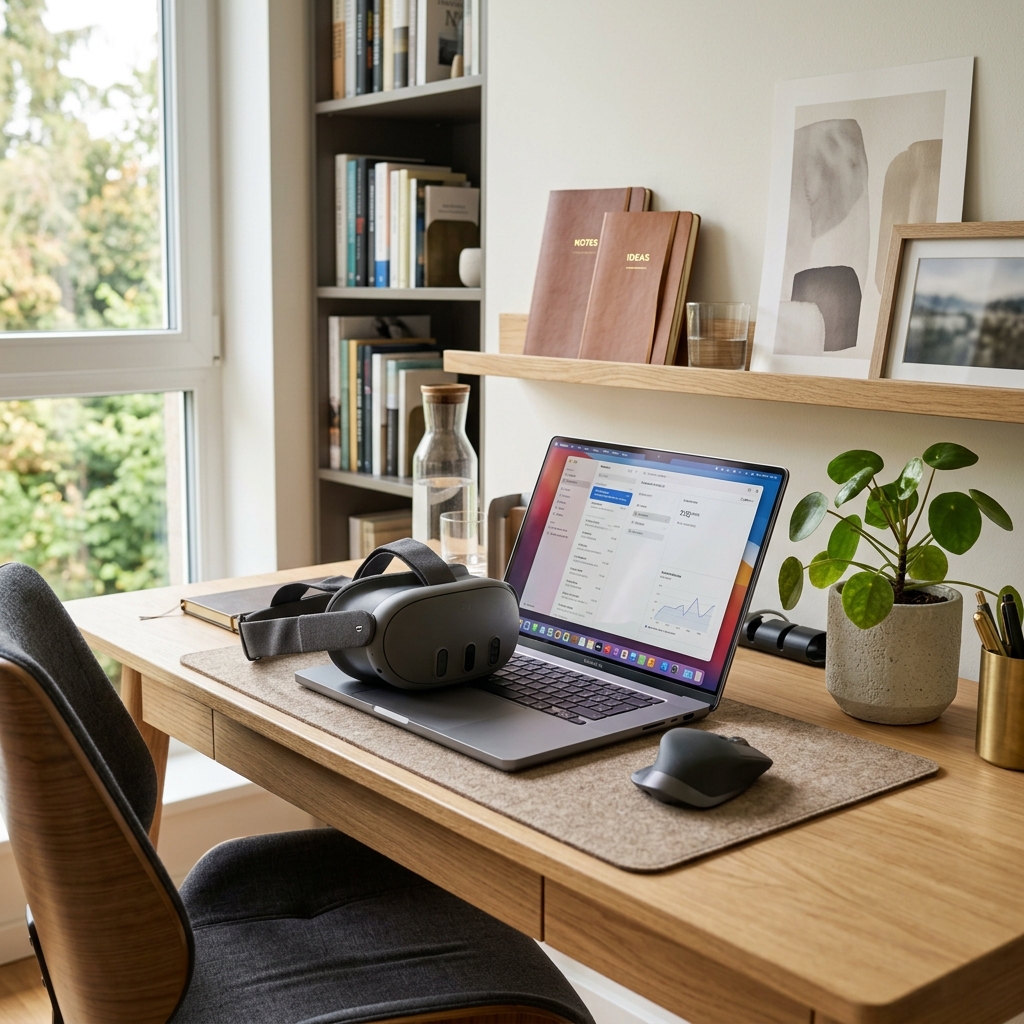
How to Connect a VR Headset to a Laptop: Compatibility Guide
Connecting a VR headset to a laptop can enhance the experience of gaming, virtual meetings, and immersive simulations. However, it is crucial to understand the compatibility of the headset with the laptop hardware and software. This guide will provide comprehensive insights on how to connect various VR headsets to laptops, including compatibility factors, hardware requirements, and step-by-step instructions for a seamless setup.Understanding VR Headset Compatibility
Compatibility between a VR headset and a laptop is determined by several factors. These include graphics processing power, USB ports, HDMI or DisplayPort availability, and the operating system. Each headset has specific requirements that must be met for optimal performance. Before proceeding, assess the specifications of the laptop and the VR headset. This evaluation ensures that the headset functions correctly without performance lag or technical issues.Specifications Comparison Table
| VR Headset Model | Resolution | Refresh Rate | Tracking Type | Compatible Ports | Minimum GPU Requirements |
|---|---|---|---|---|---|
| Meta Quest 3 | 2064 x 2208 per eye | 120 Hz | Inside-out | USB-C, DisplayPort | NVIDIA GTX 970 / AMD Radeon R9 290 |
| Valve Index | 1440 x 1600 per eye | 144 Hz | External | USB 3.0, DisplayPort | NVIDIA GTX 970 / AMD Radeon R9 290 |
| HTC Vive Pro 2 | 2448 x 2448 per eye | 120 Hz | External | USB 3.0, DisplayPort | NVIDIA GTX 1080 / AMD Radeon RX 480 |
| HP Reverb G2 | 2160 x 2160 per eye | 90 Hz | Inside-out | USB-C, DisplayPort | NVIDIA GTX 1080 / AMD Radeon RX 5700 |
| PlayStation VR2 | 2000 x 2040 per eye | 120 Hz | Inside-out | USB-C | Not applicable (PS5 exclusive) |
| Pimax Crystal | 5760 x 5760 per eye | 160 Hz | External | USB 3.0, DisplayPort | NVIDIA RTX 2070 / AMD Radeon RX 5700 |
Step-by-Step Guide to Connect a VR Headset to a Laptop
- Verify that the laptop meets the minimum specifications for the chosen VR headset.
- Ensure that the latest graphics drivers are installed on the laptop.
- Connect the VR headset to the laptop using the appropriate ports (USB and HDMI/DisplayPort).
- Install any required software or drivers provided by the VR headset manufacturer.
- Launch the VR software, such as SteamVR or Oculus software, and follow the setup instructions.
- Test the connection by launching a VR application or game.
DomineTec Tip: For a top-tier VR experience, consider purchasing the Meta Quest 3, which offers excellent compatibility and performance.
Common Connectivity Issues
While connecting a VR headset to a laptop, several issues can arise. Problems can stem from incompatible hardware, outdated drivers, or improper connections. Check the laptop's USB ports and ensure they function correctly. Using USB hubs can sometimes lead to connectivity issues, so direct connections are recommended.Optimizing Performance for VR Experiences
Advanced Setup Options
Advanced users may explore additional setup options, such as using external sensors or upgrading hardware components. Using dedicated VR-ready laptops with high-performance GPUs can significantly enhance the experience. Consider using external graphics cards (eGPUs) for laptops that lack sufficient internal graphics capability. This setup can provide a significant boost in performance, enabling more graphically intensive applications.VR Headset Maintenance Tips
Proper maintenance of a VR headset extends its lifespan and ensures optimal performance. Regularly clean the lenses and the exterior of the headset. Store the headset in a safe, dry place to avoid damage. Avoid exposing the headset to extreme temperatures, which can affect the hardware.
Frequently Asked Questions
1. What laptops are best for VR?
Laptops with NVIDIA RTX series graphics cards or AMD Radeon RX series are recommended for VR. Ensure they have adequate RAM (16GB or more) and SSD storage for optimal performance.2. Can a VR headset work with a laptop without a dedicated GPU?
While some lower-end VR headsets may function with integrated graphics, dedicated GPUs are strongly recommended for a smooth experience. Performance without a dedicated GPU may be subpar.3. How to troubleshoot VR headset connection issues?
Check all connections, ensure drivers are updated, and verify that the laptop meets the headset's specifications. Restarting the laptop and headset can also resolve common issues.4. Are there VR headsets that work wirelessly with laptops?
Yes, some models like the Meta Quest 3 offer wireless capabilities. Ensure the laptop supports the required Wi-Fi standards for optimal wireless performance.5. Can VR headsets be used for applications other than gaming?
Understanding VR Headset Compatibility
Compatibility is a crucial factor when connecting a VR headset to a laptop. Different headsets, such as the Oculus Quest 2 and HTC Vive Pro, have specific requirements that must be met for optimal performance.
Checking your laptop's specifications against the headset's requirements ensures a seamless connection. Look for minimum GPU, CPU, and RAM specifications for the best experience.
Older laptops may struggle with high-end VR headsets, making it important to assess hardware capabilities before purchase. Always refer to the manufacturer's guidelines for compatibility details.
Essential Cables and Ports
Connecting a VR headset often requires specific cables and ports, such as USB-C, HDMI, or DisplayPort. The Oculus Rift S, for example, uses DisplayPort and USB 3.0 for connection.
Check your laptop for available ports to avoid purchasing additional adapters. Some headsets may come with their own cables, while others may require separate purchases.
Using the correct cables helps maintain the quality of the VR experience. Poor connections can lead to interruptions or degraded visuals.
Software Requirements for VR
Installing the necessary software is vital for a smooth VR experience. Most headsets require specific drivers and applications, like SteamVR for HTC Vive or Oculus software for Oculus devices.
Ensure that your laptop's operating system is updated to support the latest VR applications. Outdated software can lead to compatibility issues and hinder performance.
Regularly check for software updates to maintain optimal functionality. This can enhance overall performance and fix potential bugs.
Testing Your Laptop's VR Readiness
Before connecting a VR headset, testing the laptop's performance can save time and frustration. Utilize benchmarking tools to assess GPU and CPU capabilities.
Many manufacturers offer compatibility check tools to determine if your laptop meets the headset's requirements. This proactive approach can prevent future issues.
Running a VR readiness test can provide insights into performance expectations. Consider upgrading hardware if results fall short of requirements.
Wireless vs. Wired Connections
Deciding between wired and wireless connections can impact the VR experience significantly. Wired connections generally offer lower latency and higher fidelity, making them suitable for demanding applications.
Wireless options, like the Oculus Link Air, provide flexibility but may introduce latency. Weigh the pros and cons based on usage scenarios and personal preferences.
Understanding the connection type can help in optimizing the VR experience. Choose according to the specific needs of the applications being used.
Common Troubleshooting Tips
Encountering connectivity issues is not uncommon when setting up a VR headset. Common problems include driver issues, incorrect USB port selection, or insufficient power.
Checking cable connections and restarting the software can often resolve minor issues. Always refer to the headset's troubleshooting guide for specific solutions.
If problems persist, consider reaching out to customer support for assistance. Many VR headset manufacturers provide resources to help users troubleshoot effectively.
Future-Proofing Your Setup
Investing in a laptop that supports future VR advancements can enhance long-term usability. Look for laptops with the latest GPU and CPU specifications to accommodate upcoming VR technologies.
As VR technology evolves, maintaining compatibility with new headsets will be essential. Ensure that the laptop has expandable options for upgrades, such as additional RAM or storage.
Staying informed about emerging VR trends can help in making informed purchasing decisions. This proactive approach will ensure a rewarding VR experience for years to come.
How to Connect a VR Headset to a Laptop: Compatibility Guide
Virtual reality (VR) headsets have become increasingly popular for gaming, simulation, and immersive experiences. To enjoy these experiences, ensuring compatibility with a laptop is essential.
1. Understanding VR Headset Requirements
Different VR headsets have varying requirements. It's crucial to know what specifications your laptop needs to meet to connect with a VR headset.
2. Minimum Laptop Specifications
Most VR headsets require certain hardware specifications for optimal performance. Below are the minimum specifications typically needed:
- CPU: Intel i5-4590 / AMD Ryzen 5 1500X or greater
- GPU: NVIDIA GeForce GTX 970 / AMD Radeon R9 290 or greater
- RAM: 8GB or more
- USB Ports: At least one USB 3.0 port
- Operating System: Windows 10 or later
3. Popular VR Headsets and Their Compatibility
| VR Headset | Compatible Laptop Operating Systems | Connection Type |
|---|---|---|
| Oculus Quest 2 | Windows 10 | USB-C / Air Link |
| HTC Vive Pro 2 | Windows 10 | DisplayPort / USB 3.0 |
| Valve Index | Windows 10 | DisplayPort / USB 3.0 |
| PlayStation VR | Windows 10 | HDMI / USB |
| Pimax 8K X | Windows 10 | DisplayPort / USB 3.0 |
4. Checking Laptop Compatibility
Before purchasing a VR headset, check the laptop’s specifications. Use the laptop manufacturer's website or a system check tool to verify the compatibility.
5. Connecting the VR Headset
Once compatibility is established, the next step is connecting the VR headset. This can vary depending on the headset model and connection type.
5.1 Oculus Quest 2
To connect Oculus Quest 2, use the Oculus Link cable or Air Link. Ensure the Oculus software is installed on the laptop.
5.2 HTC Vive Pro 2
For HTC Vive Pro 2, connect the headset using DisplayPort and USB 3.0. Ensure all drivers are updated for seamless performance.
5.3 Valve Index
Connecting the Valve Index involves using DisplayPort for video and USB 3.0 for data transfer. Install SteamVR for proper functionality.
5.4 PlayStation VR
PlayStation VR can be connected using an HDMI cable and USB. Compatibility with specific applications may vary.
5.5 Pimax 8K X
Connect the Pimax 8K X via DisplayPort and USB 3.0. Follow the setup instructions to configure the headset properly.
6. Software Installation and Setup
After connecting the headset, install the necessary software. Most manufacturers provide dedicated applications for headset management.
- Oculus Link software for Oculus headsets
- SteamVR for Valve Index and HTC Vive
- Pimax Experience for Pimax headsets
7. Testing the Setup
Once everything is installed, it's time to test the setup. Launch the VR software to ensure the headset is recognized and functioning correctly.
8. Troubleshooting Common Issues
Some common issues may arise during setup. Below are common problems and potential solutions:
| Issue | Possible Solutions |
|---|---|
| No Display in Headset | Check cable connections; ensure drivers are up to date. |
| Headset Not Detected | Restart the computer and check USB connections. |
| Lag or Latency Issues | Lower graphics settings or update GPU drivers. |
| Audio Issues | Check audio settings in the VR software and ensure headset audio is enabled. |
9. Enhancing VR Experience
To improve the overall VR experience, consider additional accessories. Accessories can enhance comfort and performance, making sessions more enjoyable.
- VR Face Covers: For added comfort and hygiene.
- External Headphones: For better audio quality.
- VR Cable Management: To keep cables organized and out of the way.
10. Conclusion
Connecting a VR headset to a laptop requires careful consideration of compatibility and specifications. Following these guidelines can ensure a smooth and enjoyable VR experience.
As VR technology continues to evolve, staying informed about the latest updates and hardware requirements is essential for optimal performance. Happy exploring in the virtual worlds!




