How to Connect Two Laptops to One Monitor Using KVM or PBP
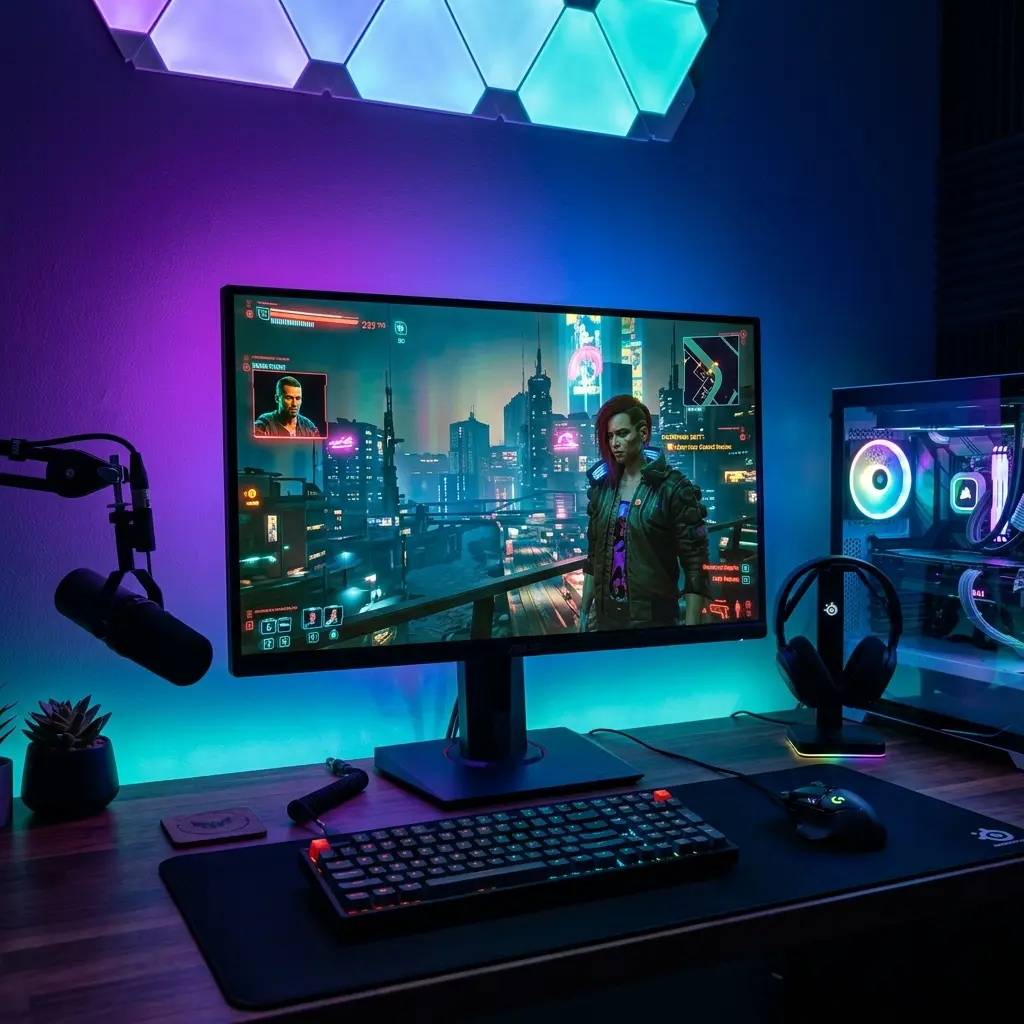
Connecting two laptops to one monitor can be efficiently achieved through KVM switches or PBP (Picture-by-Picture) technology.
Physical Aspects and Resolution
Monitors supporting KVM or PBP often come in various screen sizes, typically ranging from 24 to 34 inches.
Resolution options can include Full HD (1920x1080), QHD (2560x1440), and 4K (3840x2160), catering to different user needs.
Performance and Technology
KVM switches facilitate seamless control of multiple devices through a single interface, ensuring high responsiveness.
PBP technology allows viewing of two sources simultaneously, ideal for multitasking without compromising performance.
Ergonomics and Visual Comfort
Monitors equipped with adjustable stands enhance ergonomic positioning, reducing strain during prolonged usage.
Features such as blue light filters and flicker-free technology improve visual comfort, particularly in low-light environments.
| Feature | KVM Switch | PBP Technology |
|---|---|---|
| Number of Devices | Multiple | Two |
| Ease of Switching | Simple Button Press | Automatic Detection |
| Resolution Support | Varies | Up to 4K |
| Cost | Moderate | Higher for Advanced Models |
Materials and Durability
High-quality monitors often utilize materials like aluminum for the casing, enhancing durability and aesthetics.
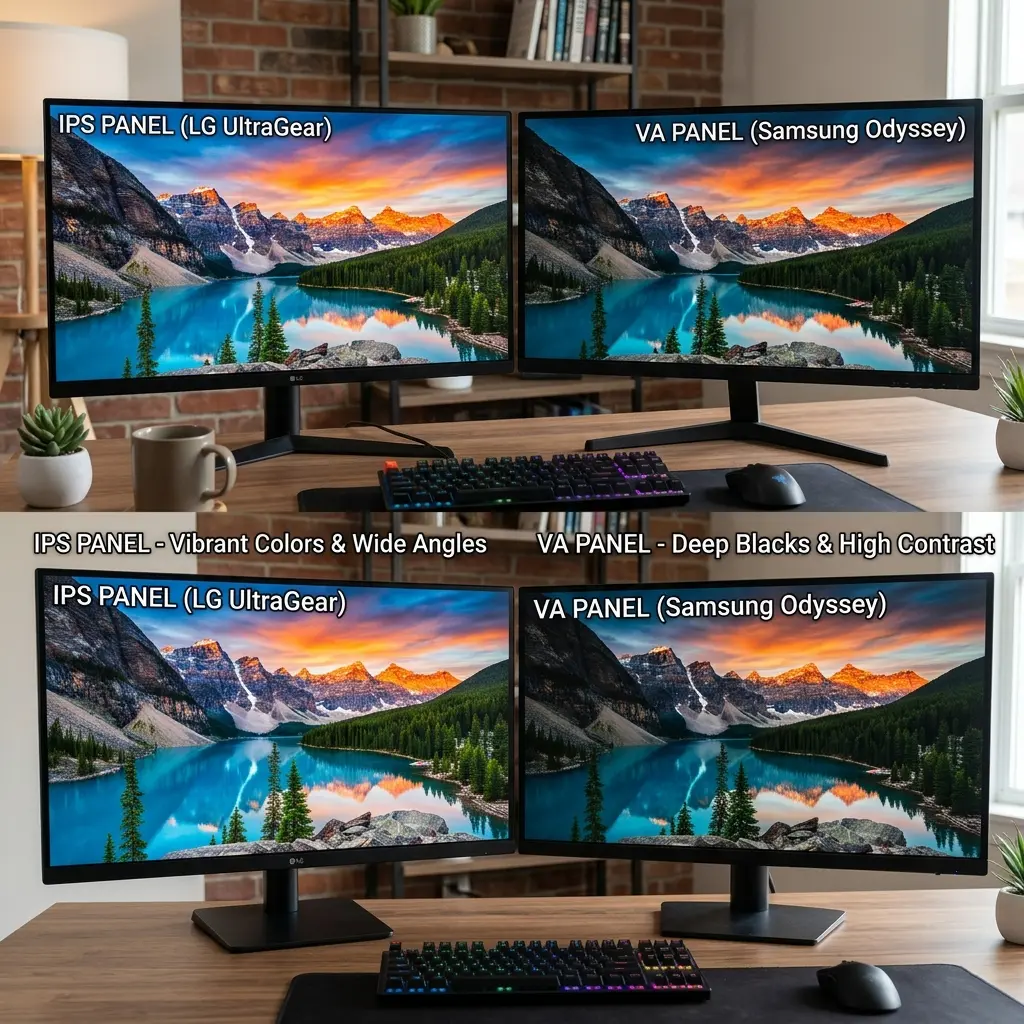
Screen panels, such as IPS or VA, provide varying levels of color accuracy and viewing angles, impacting overall lifespan.

DomineTec Tip: Position the monitor at eye level to minimize neck strain, ensuring optimal ergonomic alignment.
Buying Recommendations and Brands
Consider reputable brands such as Dell, ASUS, and LG for a reliable purchase experience.
Evaluate models that specifically list KVM or PBP capabilities to ensure compatibility with laptops.
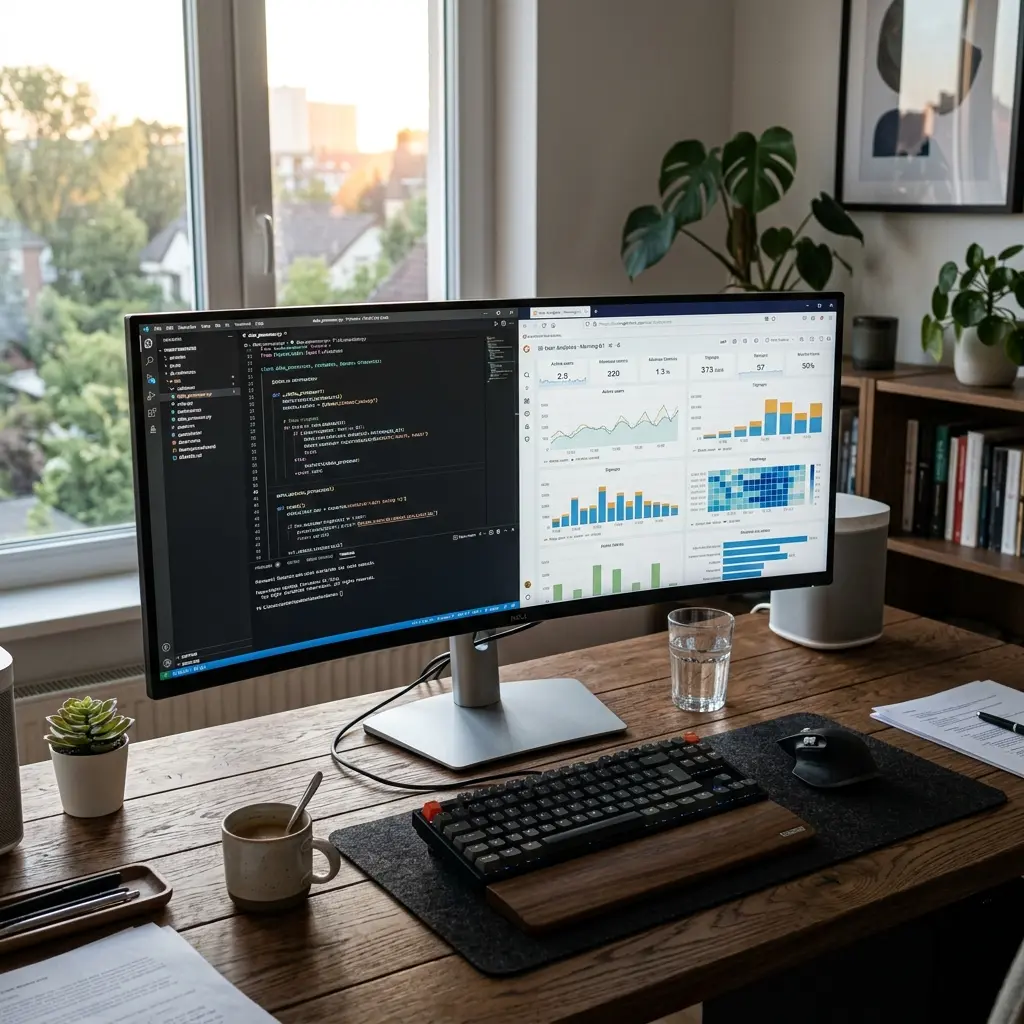
- Identify the primary use case: gaming, professional work, or casual use.
- Check ports: HDMI, DisplayPort, and USB-C are essential for connectivity.
- Assess the monitor's refresh rate for gaming or video editing.
- Look for additional features like built-in speakers or USB hubs.
- Read reviews and comparisons to ensure the selected model meets expectations.
Value Analysis and Verdict
Investing in technology that supports both KVM and PBP can significantly enhance productivity and organization.
Ultimately, selecting the right monitor depends on personal preferences regarding screen size, resolution, and ergonomic factors.
Setup Considerations for KVM Switches
When connecting two laptops to one monitor using a KVM switch, the setup process is crucial for optimal functionality. Users must ensure that the KVM switch is compatible with the laptops' ports, including USB and HDMI or DisplayPort connections. It's advisable to check the specifications of both the switch and the laptops to avoid any potential compatibility issues.
Another important aspect is the physical location of the KVM switch. It should be easily accessible for smooth transitions between laptops, which can enhance productivity. Placing the KVM switch on a desk surface, within arm's reach, minimizes distractions and improves workflow efficiency.
Additionally, cable management is a critical consideration during the setup. Using cable clips or ties can help organize the various connections, preventing tangles and ensuring a neat workspace. Effective cable management not only improves aesthetics but also reduces the risk of accidental disconnections.
Finally, users should familiarize themselves with the KVM switch's functionality, including hotkeys or buttons for switching between devices. Understanding these features can significantly streamline the user experience and reduce the time taken to toggle between laptops.
Using Picture-by-Picture (PBP) Mode Effectively
Picture-by-Picture (PBP) mode allows users to view content from two laptops simultaneously on a single monitor. To utilize this feature effectively, it's essential to configure the monitor settings correctly. Users should access the monitor's menu to enable PBP mode and adjust the input sources for each side of the display.
In PBP mode, screen real estate is divided, which may affect the clarity of the display. Users are encouraged to optimize the resolution settings on both laptops to ensure that content appears sharp and legible. This might involve adjusting the scaling settings to accommodate the different resolutions of the connected laptops.
Moreover, it's vital to consider the applications being used on each laptop while in PBP mode. Some applications may not perform well in a split-screen format, leading to diminished productivity. Users should test their frequently used applications to determine the best layout and configuration for their needs.
Lastly, users should be aware of the potential for distractions when using PBP mode. The simultaneous display of two screens can lead to cognitive overload. It's advisable to limit multitasking to ensure focus on the tasks at hand, maximizing efficiency while using PBP mode.
Understanding Input Lag and Refresh Rates
Input lag and refresh rates are critical factors to consider when connecting two laptops to a single monitor. Input lag refers to the delay between a user's action and the corresponding display response, which can vary based on the monitor and connection type. Selecting a monitor with low input lag is essential for tasks that require quick responses, such as gaming or video editing.
Refresh rates, measured in hertz (Hz), indicate how many times the screen updates per second. A higher refresh rate can result in smoother visuals, particularly for fast-moving content. When connecting laptops, it is beneficial to ensure both laptops and the monitor support the same refresh rates to prevent issues such as screen tearing.
Furthermore, users should consider the impact of different connection types on input lag and refresh rates. For example, HDMI connections typically support higher refresh rates than older VGA connections. Choosing the appropriate cable and port can significantly enhance the overall user experience.
Lastly, testing the setup for input lag and refresh rates is advisable after installation. Users can utilize online tools or specific software to measure these parameters, ensuring optimal performance for their needs.
Power Supply and Energy Efficiency
Power supply is a crucial consideration when connecting two laptops to one monitor. Users must ensure that all devices, including the KVM switch and monitor, are adequately powered to avoid interruptions. This may involve using power strips with surge protection to safeguard against power surges.
Energy efficiency is also an important factor in selecting devices. Monitors with Energy Star ratings consume less power, helping to reduce electricity costs over time. Users should research and compare the energy consumption ratings of different monitors and KVM switches before making a purchase.
Additionally, users can implement energy-saving settings on their laptops and monitor. Features like automatic sleep mode and screen dimming can help conserve energy without sacrificing performance. Configuring these settings can contribute to a more sustainable workspace.
Finally, considering the longevity of equipment can also influence energy efficiency. Investing in high-quality devices may result in lower energy consumption and reduced maintenance over time, leading to a more cost-effective solution in the long run.
Security Implications of KVM Switches
Security is a significant concern when using KVM switches, particularly in environments that handle sensitive information. Users should select KVM switches with built-in security features, such as encryption, to protect data during transmission between laptops and the monitor.
Additionally, ensuring physical security of the KVM switch is crucial. Users should position the switch in a secure location to prevent unauthorized access. This is especially important in shared environments, where multiple individuals may have physical access to the devices.
It is also advisable to regularly update firmware on KVM switches. Manufacturers often release updates that address potential security vulnerabilities, and keeping the devices updated can help mitigate risks. Users should stay informed about best practices for maintaining KVM security.
Lastly, users should be mindful of the data displayed on the monitor while switching between laptops. Implementing screen privacy filters can help protect sensitive information from prying eyes, ensuring that confidential data remains secure during use.
Alternative Solutions and Technologies
While KVM switches and PBP mode are popular solutions for connecting two laptops to a single monitor, there are alternative technologies available. Remote desktop applications allow users to access one laptop from the other, eliminating the need for physical switching between devices.
Another alternative is using software that supports multiple displays on a single laptop. This allows users to extend their display to a monitor while keeping the second laptop connected through a different method, such as Wi-Fi or Ethernet. This can simplify setups and reduce hardware costs.
Virtual machines are also a viable option for users requiring access to multiple operating systems. By running multiple virtual machines on a single laptop, users can switch between different environments without needing extra hardware. This approach can often improve efficiency and resource management.
Lastly, cloud-based solutions offer flexibility by enabling users to access their files and applications from multiple devices. This can reduce reliance on physical hardware setups, providing a seamless experience across various laptops and monitors.
Environmental Impact and Sustainability
The environmental impact of electronic devices is an increasingly important topic for consumers. Users should consider the sustainability of the KVM switch and monitor they purchase, looking for products made from eco-friendly materials and designed for energy efficiency.
Recycling options for electronic devices are also available, allowing users to dispose of old equipment responsibly. Many manufacturers offer take-back programs, ensuring that electronic waste is handled in an environmentally friendly manner.
Moreover, opting for durable and long-lasting devices can reduce waste over time. High-quality equipment often has a longer lifespan, minimizing the frequency of replacements and the associated environmental impact.
Finally, users can contribute to sustainability by implementing energy-saving practices in their workspace. Simple measures, such as turning off equipment when not in use and utilizing energy-efficient devices, can significantly reduce overall energy consumption and environmental footprint.
Networking Considerations for Dual Laptop Use
When connecting two laptops to a single monitor, networking plays a critical role, especially if remote access or file sharing is involved. A stable and fast network connection can significantly enhance the user experience, particularly when transferring large files or using applications that require internet access.
Utilizing a wired Ethernet connection is recommended for both laptops to ensure minimal latency and maximum speed. Wireless connections can introduce interference and variability, which may not be ideal for tasks requiring high bandwidth or real-time interaction.
Additionally, setting up a local area network (LAN) can facilitate seamless data exchange between the two laptops. This can be particularly useful when using collaborative tools or software that necessitates inter-device communication.
Network security should also be a paramount concern, as connecting multiple devices can increase vulnerability. Implementing firewalls, using secure passwords, and regularly updating software can help mitigate potential security risks.
Software Configuration and Compatibility
Proper software configuration is essential when connecting two laptops to a single monitor to ensure compatibility and functionality. Each operating system may have different requirements and settings that need to be adjusted for optimal performance.
For instance, users may need to configure display settings to accommodate the dual input from both laptops. Operating systems like Windows, macOS, and Linux offer various display options that allow users to select the appropriate screen resolution and layout.
Moreover, installing necessary drivers and updates is crucial for ensuring that the KVM switch or PBP feature functions correctly. Outdated software can lead to compatibility issues that may hinder the user experience.
Lastly, utilizing virtualization software can enhance the overall setup, allowing users to run multiple operating systems or applications simultaneously on one laptop. This can be particularly beneficial for developers or professionals who need to test software in different environments.
Advanced Troubleshooting Techniques for KVM and PBP Setups
Troubleshooting issues in a KVM or PBP setup can be a complex process that requires a systematic approach. The first step often involves checking all connections to ensure that cables are securely attached and functioning correctly. Loose connections can lead to display issues or device recognition failures, which can be easily overlooked.
Another common issue relates to compatibility with different operating systems. Users should verify that the KVM switch or display supports the specific operating systems running on each laptop. In some cases, updating the firmware of the KVM switch or the graphics drivers on the laptops might resolve connectivity problems.
Additionally, users may encounter issues related to display settings that do not scale correctly. It is advisable to check the display settings on each laptop to ensure they are configured for optimal resolution and refresh rate. Misconfigured settings can lead to poor image quality, which can detract from the overall user experience.
If problems persist, using diagnostic tools or software can help identify hardware or software conflicts. These tools can provide insights into performance metrics and help in identifying whether the issue lies with the laptops, the monitor, or the KVM switch itself.
Future Trends in KVM and PBP Technology
The evolution of KVM and PBP technology is driven by advancements in display and connectivity standards. Emerging technologies such as USB-C and Thunderbolt are becoming increasingly prevalent, offering higher bandwidth and the ability to transmit power, data, and video through a single cable. This evolution could simplify the connectivity landscape for KVM switches and PBP setups.
Moreover, the trend towards higher resolutions, such as 4K and even 8K displays, is also influencing the design of KVM switches. Manufacturers are focusing on enhancing the capabilities of these devices to support higher resolutions without compromising performance. This ensures that users can enjoy a high-quality visual experience even when switching between multiple laptops.
In addition to hardware improvements, software integration is becoming a key trend. Advanced KVM switches are now incorporating features that allow for better management of multiple devices. This includes remote access capabilities and cloud integration, enabling users to control their laptops from anywhere, enhancing flexibility and productivity.
Finally, user interface design is evolving to accommodate more intuitive controls and easier navigation. Future KVM solutions may adopt touch interfaces or gesture controls to streamline the user experience, making it easier to switch between devices and manage settings efficiently.
Frequently Asked Questions
What is a KVM switch?
A KVM switch allows users to control multiple computers from a single keyboard, video monitor, and mouse setup.
What does PBP stand for?
PBP stands for Picture-by-Picture, a feature that enables two video sources to be displayed side by side on one monitor.
Can all monitors support KVM or PBP?
Not all monitors have KVM or PBP capabilities; specific models designed for these functions should be chosen.
Is there a performance difference between KVM and PBP?
Yes, KVM switches offer more versatility with multiple devices, while PBP focuses on viewing two sources simultaneously.
What should be considered when buying a monitor for KVM or PBP?
Consider factors such as screen size, resolution, connectivity options, and ergonomic features for the best experience.




