How to Configure Port Isolation on a Ubiquiti UniFi Switch
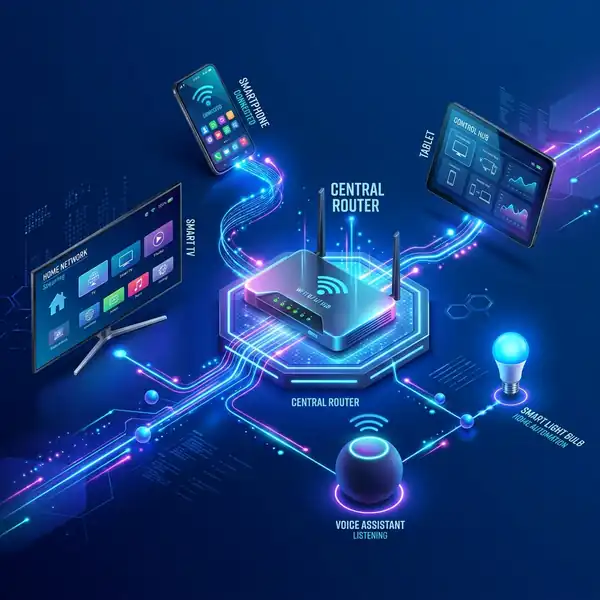
Port isolation on a Ubiquiti UniFi Switch enhances security by preventing traffic between ports.
Understanding Port Isolation
Port isolation restricts communication between devices connected to different ports on a switch. This is particularly useful in environments where sensitive data is handled.
Prerequisites for Configuration
A Ubiquiti UniFi Switch must be configured and running with the UniFi Network Controller software. Ensure that you have administrative access to the UniFi Controller.
Accessing the UniFi Controller
Log in to the UniFi Network Controller via a web browser. The default URL is typically https://.
Step-by-Step Configuration
- Select "Devices" from the left sidebar.
- Click on the Ubiquiti UniFi Switch that requires port isolation.
- Navigate to the "Ports" tab.
- Choose the port(s) to be isolated and click on "Edit".
- Enable "Port Isolation" and save the settings.

Technical Specifications
| Feature | Description |
|---|---|
| Switch Model | UniFi Switch 24 |
| Port Count | 24 Gigabit Ethernet ports |
| Power Over Ethernet (PoE) | Supported on selected ports |
| Management Interface | Web-based UniFi Controller |
| Port Isolation Feature | Isolates traffic between specified ports |
Testing Port Isolation
After configuration, devices connected to the isolated ports should not be able to communicate with each other. Verify connectivity using ping tests.
Advanced Configuration Tips
DomineTec Tip: Consider using VLANs in conjunction with port isolation for enhanced network segmentation.
Conclusion
Port isolation is a critical feature for enhancing network security on Ubiquiti UniFi Switches. Properly configuring this feature helps prevent unauthorized access between devices.
Understanding VLANs and Their Role in Port Isolation
Virtual Local Area Networks (VLANs) enhance port isolation by logically separating traffic within the same physical switch. By assigning different VLANs to various ports, user traffic can be kept isolated while allowing centralized management.
This segmentation reduces broadcast traffic and improves network performance, making it crucial in larger architectures. VLANs also provide an additional layer of security by confining sensitive data to specific VLANs.
Common Use Cases for Port Isolation
Port isolation is employed in environments where security and traffic management are priorities, such as educational institutions and corporate offices. In a university setting, it can prevent students from accessing each other's devices while allowing access to shared resources.
Similarly, businesses can use port isolation to protect sensitive financial or HR data from general staff, enhancing data security and compliance with regulations.
Monitoring and Managing Isolated Ports
Effective monitoring of isolated ports is crucial for assessing network performance and security. UniFi provides monitoring tools within its controller software to track bandwidth usage and device connections.
Using these tools, administrators can view real-time data about isolated ports, enabling swift identification and troubleshooting of issues.
Impact on Network Performance
Implementing port isolation can enhance network performance by reducing unnecessary traffic on shared segments. Isolating devices minimizes broadcast storms and multicast traffic, allowing for efficient data transmission.
This is particularly beneficial in high-density environments where multiple devices communicate simultaneously, reducing overall latency.
Security Implications of Port Isolation
Port isolation limits device communication to only those explicitly allowed, minimizing attack vectors. The risk of unauthorized access is lowered, as devices cannot communicate directly unless configured to do so.
This is vital in environments handling sensitive information, as it prevents internal threats from exploiting network access.
Integration with Other Network Services
Port isolation can be integrated with services like Quality of Service (QoS) and Access Control Lists (ACLs) to enhance network functionality. QoS can prioritize traffic from critical applications while maintaining isolation.
ACLs can refine access controls, allowing or denying traffic based on specific criteria, bolstering the network's security posture.
Best Practices for Maintaining Port Isolation
Regular reviews and updates of configuration settings are essential to ensure the effectiveness of port isolation. Documenting changes and maintaining an updated inventory of devices can aid in troubleshooting.
Periodic testing of isolated ports verifies that isolation is functioning as intended and that no unauthorized connections have been established.
Additional Tuning and Diagnostics
After configuring port isolation, additional tuning may be necessary for optimal performance and security. Network administrators should enable logging features to monitor isolated port activity.
The UniFi Controller offers diagnostic tools to assess the effectiveness of port isolation, providing real-time analytics for traffic patterns and identifying anomalies.
Impact of Port Isolation on Network Topology
Implementing port isolation can alter the existing network topology, particularly in environments with diverse device types. Each isolated port configuration creates distinct communication boundaries.
Administrators must consider the implications of port isolation on overall network design, especially where devices require intercommunication.
Integration with Network Access Control (NAC)
Integrating port isolation with NAC systems enhances security by ensuring only authorized devices access network resources. NAC solutions enforce policies that determine device connectivity before full integration.
This synergy prevents unauthorized access and protects sensitive data from breaches while providing real-time visibility into device compliance.
Port Isolation and Quality of Service (QoS)
QoS plays a crucial role in managing network performance when port isolation is implemented. Proper QoS settings ensure critical applications receive necessary bandwidth within isolated environments.
Monitoring QoS metrics helps identify potential issues caused by port isolation, allowing administrators to fine-tune settings as needed.
Understanding the Role of Port Isolation in Network Segmentation
Port isolation enhances network segmentation by preventing direct communication between devices on isolated ports, while allowing access to shared resources. This function mitigates risks associated with unauthorized access.
Isolating ports creates segmented network zones that enforce stricter controls on traffic flow, limiting exposure to threats.
Implementing Port Isolation Policies for Enhanced Security
Establishing robust port isolation policies requires careful consideration of specific security needs and device types. Policies should dictate isolated ports based on user roles and compliance requirements.
Ongoing reviews and updates to these policies are necessary to adapt to evolving threats, ensuring effective port isolation configurations.
Utilizing SNMP for Port Isolation Monitoring
Simple Network Management Protocol (SNMP) is a powerful tool for monitoring isolated ports on a Ubiquiti UniFi Switch. By enabling SNMP, administrators can gather critical performance metrics and status updates.
Implementing SNMP monitoring requires enabling the service within the UniFi Controller settings and configuring community strings for authorized access.
Configuring Alerts for Port Isolation Events
Setting up alerts for port isolation events enhances proactive network management. Alerts can notify administrators of port status changes or unexpected traffic patterns.
Integrating alerts with a centralized logging system facilitates a robust incident response strategy, allowing for detailed analyses of trends and refinement of isolation policies.
Configuring Port Isolation for Different Network Scenarios
Port isolation can be tailored for various network scenarios, enhancing security and traffic management. For guest networks, isolated ports prevent access to internal resources while allowing internet connectivity.
In multi-tenant environments, it separates traffic between tenants, ensuring data privacy and compliance with regulations.
Utilizing Layer 2 Security Features in Conjunction with Port Isolation
Layer 2 security features can enhance network protection alongside port isolation. MAC address filtering, port security, and DHCP snooping should be considered to create a robust security posture.
MAC address filtering ensures only authorized devices connect to isolated ports, while port security limits the number of devices per port to prevent loops.
Troubleshooting Common Port Isolation Issues
Troubleshooting port isolation issues on a Ubiquiti UniFi switch requires a systematic approach to identify and resolve potential problems. One common issue is the inability for devices on isolated ports to communicate with each other, which may lead to confusion regarding expected functionality.
To begin troubleshooting, check the port isolation settings directly within the UniFi Controller. Navigate to the settings for the specific switch and verify that port isolation is correctly enabled for the intended ports.
Another critical step is to confirm that the devices in question are connected to the correct ports. Misconnections can result in unexpected behavior and may mislead troubleshooting efforts. Use the UniFi Controller's device list to ensure each device is connected to the designated port.
Network monitoring tools can also assist in troubleshooting. Utilizing tools such as Wireshark can provide insights into the traffic flow on the isolated ports, allowing for the identification of any unusual patterns or blocked packets.
If issues persist, consider checking for firmware updates for the UniFi switch. Outdated firmware can lead to bugs that affect port isolation functionality. Ensure that the switch is running the latest software version available from Ubiquiti.
In cases where a specific device fails to connect, verify its network settings and confirm it is configured correctly. Misconfigured IP settings or conflicting VLAN assignments may also cause disruptions.
Lastly, reviewing logs from the UniFi Controller can reveal error messages or alerts related to port isolation. These logs often contain valuable information that can pinpoint the root cause of issues.
Enhanced Security Measures Beyond Port Isolation
While port isolation serves as a robust security feature, additional measures can further enhance the overall security of a network. Implementing access control lists (ACLs) allows for granular control over which devices can communicate with each other, supplementing the isolation provided by the switch.
To configure ACLs, access the UniFi Controller and navigate to the section for firewall rules. Create rules that explicitly define which devices are allowed to communicate over specific ports, ensuring that even if isolation is bypassed, the traffic is still regulated.
Another effective measure is to utilize MAC address filtering. This method restricts network access to only those devices with approved MAC addresses. By configuring this in the UniFi Controller, unauthorized devices can be systematically blocked from accessing the network.
Additionally, consider implementing 802.1X network access control. This port-based network access control protocol adds an authentication layer, ensuring that only authorized devices can connect to the network. This is particularly effective when combined with RADIUS servers for centralized authentication management.
Regularly updating device firmware and software is also essential for maintaining security integrity. Ubiquiti frequently releases updates that include security patches and enhancements, which should be applied to all network devices.
Finally, conducting routine security audits can help identify vulnerabilities within the network. These audits should include examining the configuration of port isolation, ACLs, and other security features to ensure they are functioning as intended.
Troubleshooting Port Isolation Configuration Issues
Troubleshooting port isolation on UniFi switches involves several systematic approaches to identify and resolve common configuration issues. One of the primary steps is to ensure that the correct ports are isolated as intended. This can be verified by accessing the UniFi Controller and checking the configuration settings for each port.
In addition, it is crucial to monitor the switch logs for any error messages that might indicate misconfiguration. Commands such as `show logging` in the CLI can provide insights into possible issues with traffic flow or port behavior.
Another common issue that may arise is the inability of devices on isolated ports to communicate with each other. This situation often occurs when port isolation is misconfigured or not applied uniformly across the relevant ports. Verifying the isolation settings for each port can help diagnose this problem.
Finally, using network packet analyzers such as Wireshark can assist in visualizing traffic and confirming whether the isolation is functioning as expected. Capturing packets on the isolated ports will show if they remain segregated from other network segments, which is essential for validating the overall configuration.
Enhanced Security Options Beyond Port Isolation
While port isolation significantly enhances security in a network, additional measures can further fortify the environment against potential threats. Implementing Access Control Lists (ACLs) on the UniFi switch allows for granular control over which devices can communicate with each other, thereby enhancing the security posture.
To configure ACLs, administrators can define specific rules that allow or deny traffic based on various criteria such as MAC addresses or IP ranges. This can be achieved using the UniFi Controller interface, where customized rules can be created and applied to isolated ports.
Another option is to utilize port-based authentication protocols like IEEE 802.1X, which ensures that only authenticated devices can gain access to the network. This adds an additional layer of security that complements port isolation, preventing unauthorized devices from even connecting to the isolated ports.
Lastly, integrating Intrusion Detection Systems (IDS) can provide real-time monitoring and alerts for suspicious activities. By analyzing traffic patterns and behaviors on isolated ports, IDS can enhance the overall security framework and ensure that any anomalies are swiftly addressed.
Troubleshooting Specific Port Isolation Errors
Troubleshooting port isolation issues on a Ubiquiti UniFi switch requires a systematic approach to identify and resolve common error scenarios. Often, the root cause of port isolation problems can stem from misconfigurations in the UniFi Controller or conflicting network settings on connected devices.
One frequent issue arises when isolated ports fail to communicate effectively with other network segments. To diagnose this, verify that the correct VLAN settings are applied to both the isolated ports and the ports they are expected to communicate with. The command show vlan in the switch CLI can be used to confirm VLAN assignments and ensure they match the intended configuration.
Another common error is when users experience unexpected connectivity losses, often due to incorrect port profiles. Checking the port profile configurations through the UniFi Controller interface or using the command show interfaces status will display the profile associated with each port, allowing administrators to identify discrepancies.
Network loop issues can also interfere with port isolation capabilities. To troubleshoot, use show spanning-tree to examine the spanning tree protocol (STP) status and verify that there are no loops impacting traffic flow. Properly configuring STP can prevent these issues, ensuring isolated ports function as intended.
Best Practices for Port Isolation Management
Implementing port isolation on a Ubiquiti UniFi switch enhances network security, but adhering to best practices is crucial for optimal performance. Regular audits of port isolation configurations should be conducted to ensure compliance with organizational security policies and to identify any potential misconfigurations.
Documenting the configuration changes and the rationale behind them is vital for effective management. Utilizing version control for configuration backups can help track changes over time and facilitate rollback procedures if issues arise. This practice ensures that network administrators can quickly restore previous configurations while minimizing downtime.
Additionally, it is important to maintain an updated inventory of connected devices and their corresponding port assignments. Employing network monitoring tools that support SNMP can assist in tracking device connections and changes. This practice not only helps in inventory management but also enhances the visibility of the network topology.
Finally, proactive monitoring of traffic patterns on isolated ports can preemptively identify potential security threats. Implementing traffic analysis tools and setting up alerts for unusual activity will provide early warnings of any suspicious behavior, allowing for swift remediation actions. This approach aligns with the overarching goal of maintaining a secure and efficient network environment.
Frequently Asked Questions
What is port isolation?
Port isolation prevents devices connected to different switch ports from communicating with each other, enhancing security.
Can port isolation be applied to all ports?
Port isolation can be applied selectively to specific ports, as per network requirements.
Does port isolation affect network performance?
Port isolation typically does not affect overall network performance; it merely restricts traffic between isolated ports.
How can VLANs be used with port isolation?
VLANs can be configured alongside port isolation to further segment network traffic and enhance security.
What devices benefit from port isolation?
Devices that handle sensitive information, such as security cameras or payment terminals, benefit the most from port isolation.




