How to Setup and Configure 5GHz Wi-Fi for Meta Quest Air Link Wireless VR Streaming (Fast Speed Connection Router Access)

How to Setup and Configure 5GHz Wi-Fi for Meta Quest Air Link Wireless VR Streaming
Setting up a fast and reliable 5GHz Wi-Fi connection is essential for enjoying seamless wireless VR experiences with the Meta Quest Air Link. This guide provides a comprehensive overview of the steps necessary to optimize your home network for VR streaming.
Understanding 5GHz Wi-Fi
The 5GHz band offers higher data rates and less interference compared to the more common 2.4GHz band. This makes it ideal for applications requiring high bandwidth, such as virtual reality streaming.
Devices connected to a 5GHz network can achieve faster speeds, which translates to improved performance during gameplay and a more immersive experience.
Choosing the Right Router
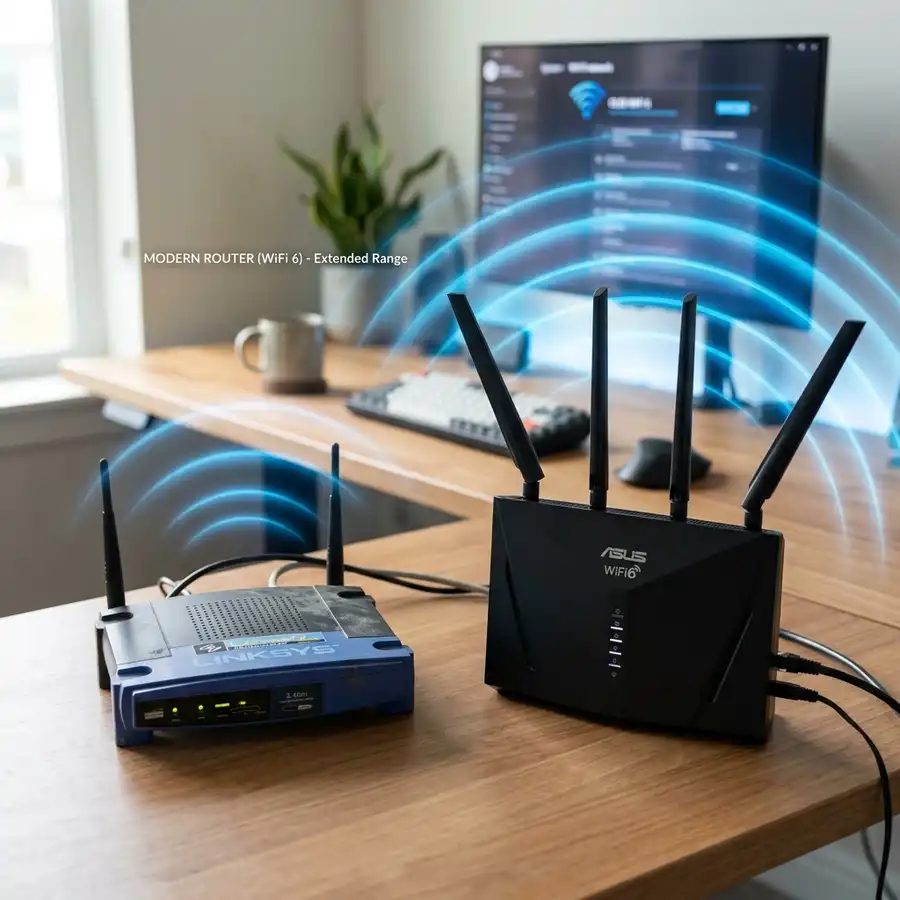
Not all routers are created equal. When selecting a router for VR streaming, consider models that support the latest Wi-Fi standards, such as Wi-Fi 6.
Wi-Fi 6 provides improved speed, capacity, and efficiency, making it a suitable choice for multiple devices operating simultaneously. Look for routers with at least dual-band capabilities.
Configuring Your Router for 5GHz Wi-Fi
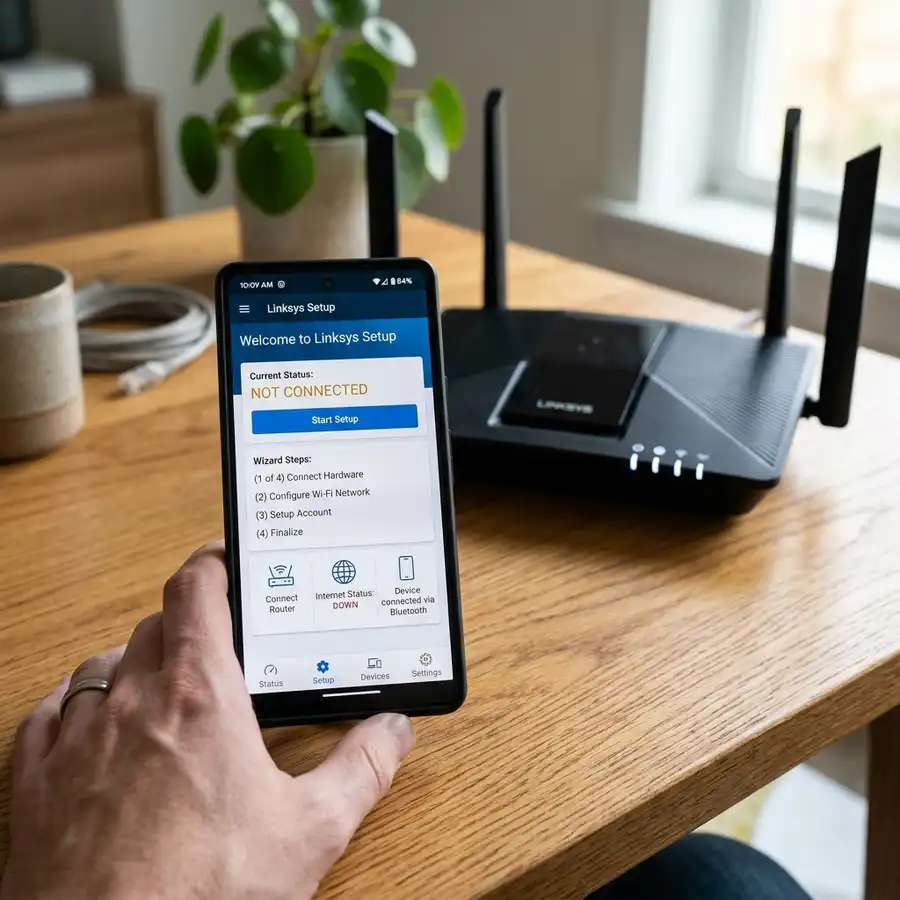
Once the router is selected, configuration is the next step. Access the router's settings through a web browser by entering the router's IP address.
Common IP addresses include 192.168.1.1 or 192.168.0.1. Login credentials are typically found on the router or its manual.
Steps to Enable 5GHz Band
- Navigate to the wireless settings section.
- Locate the option to enable the 5GHz band.
- Assign a unique SSID for the 5GHz network.
- Select the appropriate channel (36, 40, 44, or 48 are often recommended).
- Set strong encryption, preferably WPA3, for security.
- Save the settings and reboot the router if necessary.
Connecting the Meta Quest to the 5GHz Network
After configuring the router, the next step involves connecting the Meta Quest to the new 5GHz network. This can be done through the VR headset's settings menu.
Ensure that the headset is within range of the router for optimal performance. Once connected, the Meta Quest will automatically prioritize this network for streaming.
Optimizing Network Performance
To further enhance the VR experience, consider enabling Quality of Service (QoS) settings in the router. This feature prioritizes traffic for specific applications, such as VR streaming.
It may also be beneficial to minimize interference. Keep the router elevated and away from walls or large objects that could obstruct the signal.
Comparing VR Headsets
| VR Headset | Resolution | Refresh Rate | Field of View | Price |
|---|---|---|---|---|
| Meta Quest 2 | 1832 x 1920 per eye | 90 Hz | 89 degrees | $299 |
| Meta Quest 3 | 2064 x 2208 per eye | 120 Hz | 110 degrees | buy Meta Quest 3 - $499 |
| Valve Index | 1440 x 1600 per eye | 120 Hz | 130 degrees | $999 |
| HTC Vive Pro 2 | 2448 x 2448 per eye | 120 Hz | 120 degrees | $799 |
| Pico 4 | 2160 x 2160 per eye | 90 Hz | 105 degrees | $429 |
Common Issues and Troubleshooting
Despite careful setup, issues may still arise. A common problem is lag or stutter during gameplay. This can often be resolved by ensuring that no bandwidth-heavy applications are running concurrently on the network.
Additionally, checking for firmware updates for both the router and the Meta Quest can help improve performance and resolve connectivity issues.

FAQ
What is the advantage of 5GHz Wi-Fi for VR?
5GHz Wi-Fi provides higher speeds and less interference, which is crucial for a smooth VR experience.
How do I know if my router supports 5GHz?
Check the router's specifications on the manufacturer's website or in the product manual to confirm 5GHz support.
Can other devices affect my VR streaming performance?
Yes, devices using the same bandwidth can cause interference. Limit the number of active devices during VR sessions for optimal performance.
Is Wi-Fi 6 necessary for VR streaming?
While not strictly necessary, Wi-Fi 6 offers advantages like better performance in congested environments, making it beneficial for VR streaming.
What should I do if I experience lag during gameplay?
Ensure no other bandwidth-heavy applications are running, and consider adjusting router settings to prioritize VR traffic.
Understanding 5GHz Wi-Fi Benefits for VR Streaming
The 5GHz frequency band offers significantly higher speeds compared to 2.4GHz, making it ideal for high-bandwidth applications like VR streaming. This frequency also experiences less interference, providing a more stable connection for immersive experiences.
Lower latency is another advantage of 5GHz Wi-Fi, ensuring that movements in the VR environment are reflected quickly. This responsiveness is crucial for a seamless gaming experience with devices like the Meta Quest 2.
Choosing the Right Router for 5GHz Connectivity
Selecting a router that supports 5GHz Wi-Fi is essential for optimal performance. Models such as the ASUS RT-AX88U or NETGEAR Nighthawk AX12 are excellent options that provide robust wireless capabilities.
Look for routers featuring Wi-Fi 6 technology, which enhances speed and efficiency. These routers can handle multiple devices simultaneously, ensuring that VR streaming remains uninterrupted.
Router Placement for Optimal Signal Strength
Positioning the router in an open area can significantly improve the 5GHz signal strength. Avoid placing it near walls or obstructions, as this can weaken the connection quality.
Elevating the router and ensuring it is centrally located in relation to the VR setup can help reduce dead zones. This setup allows for better coverage and a more reliable streaming experience.
Configuring Your Router for 5GHz Wi-Fi
Access the router's settings through a web browser to configure the 5GHz band. Look for the wireless settings section where you can enable and name the 5GHz network.
Ensure that the correct security protocol, like WPA3, is selected for optimal security. Setting a strong password is essential to protect the network from unauthorized access.
Connecting the Meta Quest to 5GHz Wi-Fi
To connect the Meta Quest to the 5GHz Wi-Fi network, navigate to the settings menu on the headset. Select the 5GHz network and enter the password configured on the router.
Once connected, a stable and fast Wi-Fi connection will enhance the VR streaming experience, providing smoother visuals and reduced lag during gameplay.
Testing Your Connection Speed and Stability
After configuring the network, it's important to test the connection speed. Use tools like Ookla's Speedtest to ensure that the speeds meet the requirements for VR streaming.
Consistently high speeds and low ping rates are indicators of a good connection. Regularly testing the connection can help identify any issues before they affect VR sessions.
Troubleshooting Common 5GHz Wi-Fi Issues
Common issues with 5GHz Wi-Fi include connectivity drops or slow speeds. If these problems arise, consider rebooting the router and checking for firmware updates.
Additionally, interference from other electronics can disrupt the signal. Moving the router or changing the channel settings can often resolve these issues and improve performance.
Maintaining Your 5GHz Wi-Fi Network
Regular maintenance of the router is crucial for sustained performance. Keeping the firmware updated can provide enhancements and security improvements.
Additionally, periodically checking connected devices and removing any unauthorized users can help maintain optimal speeds. This practice ensures that the network remains fast and reliable for VR streaming.
How to Setup and Configure 5GHz Wi-Fi for Meta Quest Air Link Wireless VR Streaming
The Meta Quest Air Link enables a seamless virtual reality experience, but achieving optimal performance relies on a stable and fast Wi-Fi connection. Setting up and configuring a 5GHz Wi-Fi network is essential for low latency and high bandwidth, which are critical for wireless VR streaming.
Understanding 5GHz Wi-Fi Benefits
5GHz Wi-Fi offers several advantages over the 2.4GHz band. It provides faster data rates and reduced interference, making it ideal for high-bandwidth applications like VR streaming.
Choosing the Right Router
Selecting a capable router is the first step in setting up an effective 5GHz network. Here are some recommended models known for their performance:
| Router Model | Max Speed | Coverage Area | Special Features |
|---|---|---|---|
| Asus RT-AX88U | 6000 Mbps | 3,000 sq ft | Wi-Fi 6, 8 LAN ports |
| Netgear Nighthawk AX12 | 6000 Mbps | 3,500 sq ft | Wi-Fi 6, 12 streams |
| TP-Link Archer AX6000 | 5952 Mbps | 3,500 sq ft | Wi-Fi 6, 8 LAN ports |
| Linksys MR9600 | 6000 Mbps | 3,000 sq ft | Wi-Fi 6, easy setup |
Router Placement
Proper placement of the router can significantly affect Wi-Fi performance. Ideally, the router should be positioned in a central location, elevated, and away from obstructions like walls and furniture.
Configuring the Router for 5GHz Wi-Fi
After selecting and placing the router, the next step is to configure it for 5GHz connectivity. Access the router's settings using a web browser by entering the router's IP address, typically found on the device or in the manual.
- Log in using the admin credentials. These are often set to default and can usually be found on the router or in the manual.
- Navigate to the wireless settings section.
- Enable the 5GHz band if it is not already active.
- Set the SSID (network name) for the 5GHz network to differentiate it from the 2.4GHz network.
- Select a security protocol, preferably WPA3, for enhanced security.
- Create a strong password for the network.
Choosing the Right Channel
Selecting the optimal channel is crucial for minimizing interference. The 5GHz band offers multiple channels, so choosing one that is less congested can enhance performance.
- Channels 36, 40, 44, and 48 are commonly used.
- Channels 149, 153, 157, and 161 are also available and tend to be less crowded.
Adjusting Channel Width
Channel width can affect speed and performance. Setting the channel width to 40MHz or 80MHz can provide faster speeds at the cost of range.
Optimizing Router Settings
Additional router settings can be fine-tuned for better performance. Here are some settings to consider adjusting:
- Enable Quality of Service (QoS) to prioritize VR traffic.
- Disable older Wi-Fi standards (like 802.11b/g) to focus on 5GHz performance.
- Enable MU-MIMO (multi-user, multiple input, multiple output) for better performance with multiple devices.
Connecting Meta Quest to the 5GHz Network
Once the router is configured, connecting the Meta Quest is straightforward. Follow these steps to connect the device to the 5GHz Wi-Fi network:
- Turn on the Meta Quest headset.
- Navigate to the Settings menu in the headset.
- Select "Wi-Fi" and choose the 5GHz network from the list of available networks.
- Enter the password when prompted and connect.
Testing the Connection
After connecting the Meta Quest to the 5GHz network, it's essential to test the connection's speed and stability. Use built-in speed test tools or third-party applications to ensure adequate bandwidth.
Improving Wi-Fi Coverage
In some cases, even with optimal settings, coverage might be weak. Consider these options for extending Wi-Fi coverage:
- Use Wi-Fi extenders or mesh systems like the Netgear Orbi or Google Nest Wi-Fi for larger spaces.
- Position extenders in areas where the 5GHz signal starts to weaken.
- Utilize Ethernet backhaul if applicable, which can strengthen the connection between the main router and extenders.
Minimizing Interference
Interference can significantly impact Wi-Fi performance. Identifying and mitigating sources of interference can improve the streaming experience.
- Avoid placing the router near devices that emit electromagnetic interference, such as microwaves and cordless phones.
- Keep the router away from large metal objects that can obstruct signals.
Maintaining the Network
Regular maintenance can help keep the network running smoothly. Here are some tips for ongoing network maintenance:
- Regularly update the router's firmware to ensure optimal performance and security.
- Monitor connected devices to identify any unauthorized access.
- Periodically check for speed and performance issues and make adjustments as necessary.
Troubleshooting Common Issues
Even with a well-configured network, issues can arise. Here are some common problems and their solutions:
- If experiencing connection drops, try rebooting the router and the Meta Quest device.
- For slow speeds, check for nearby networks that may be causing interference and switch channels as needed.
- Ensure that the Meta Quest software is updated to the latest version to avoid compatibility issues.
Conclusion
Setting up a 5GHz Wi-Fi network for Meta Quest Air Link can greatly enhance the VR streaming experience. With proper router selection, configuration, and maintenance, users can enjoy seamless virtual reality adventures.