How to Setup and Configure 5GHz Wi-Fi for Meta Quest Air Link Wireless VR Streaming (Fast Speed Connection Router)

How to Setup and Configure 5GHz Wi-Fi for Meta Quest Air Link Wireless VR Streaming
Setting up a seamless virtual reality experience using Meta Quest Air Link requires a solid 5GHz Wi-Fi connection. This article guides you through the essential steps to ensure a fast-speed connection, optimizing your VR streaming experience.
Understanding the Importance of 5GHz Wi-Fi
The 5GHz band offers higher speeds and less interference compared to the 2.4GHz band. This is crucial for VR applications, which demand high bandwidth for smooth operation.
By configuring a 5GHz network, users can enjoy a more reliable connection, minimizing latency and improving overall performance.
Router Selection for Optimal Performance
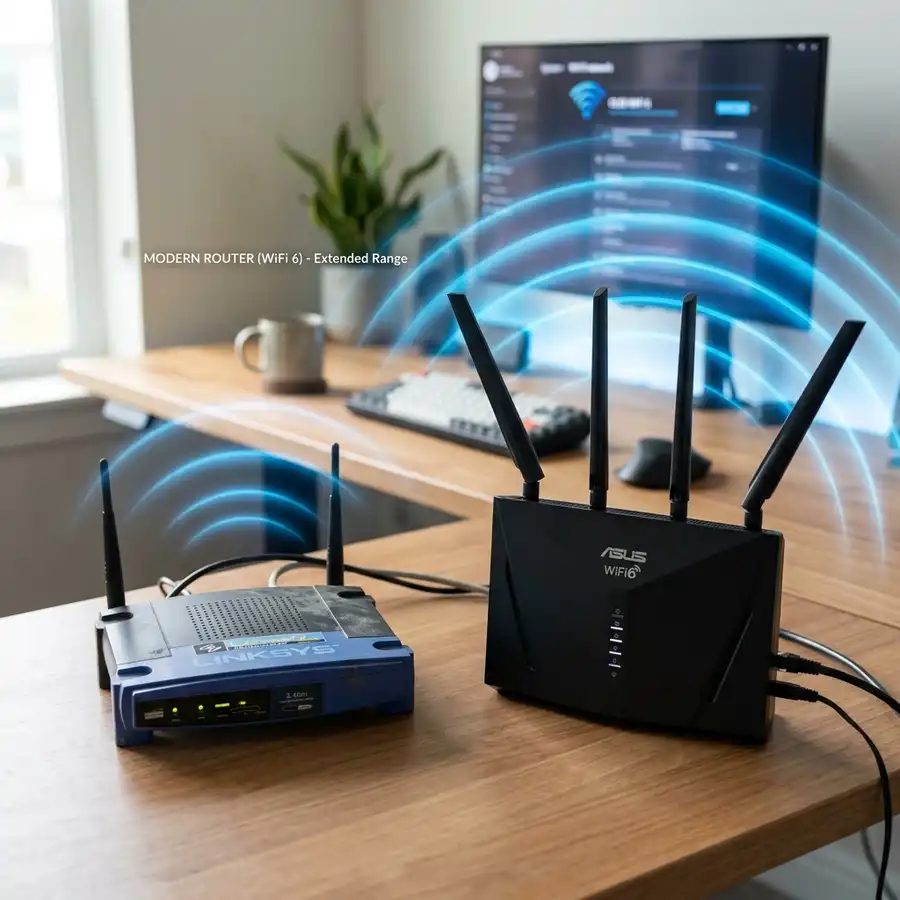
Selecting the right router is vital for achieving the best 5GHz performance. Routers that support the latest Wi-Fi standards, such as Wi-Fi 6 (802.11ax), are recommended for superior speed and range.
Features like Multi-User Multiple Input Multiple Output (MU-MIMO) and Quality of Service (QoS) can further enhance the experience.
Router Configuration Steps
Accessing the Router Admin Panel
To begin, connect a device to the router using an Ethernet cable or Wi-Fi. Open a web browser and enter the router's IP address, often found on the device itself or in the user manual.
Enabling 5GHz Wi-Fi
Once logged in, navigate to the wireless settings section. Look for the option to enable the 5GHz band. It's often labeled as “Wireless,” “Wi-Fi,” or “Dual Band Settings.”
Setting SSID and Password
Choose a unique SSID for your 5GHz network to differentiate it from the 2.4GHz network. Set a strong password to ensure security. Avoid common phrases and include a mix of letters, numbers, and special characters.
Adjusting Channel Settings
Manual channel selection can reduce interference. Channels 36, 40, 44, or 48 are commonly recommended for 5GHz networks. Utilizing a Wi-Fi analyzer app can assist in identifying the least congested channel.
Configuring Advanced Settings
Adjusting settings such as channel width can further enhance performance. Selecting 80MHz channel width allows for faster data rates, but ensure that the devices in use support this setting.
Connecting Meta Quest to 5GHz Wi-Fi
Once the router is configured, the Meta Quest headset needs to be connected to the new 5GHz network. Navigate to the Wi-Fi settings on the headset and select the configured SSID.
Enter the password, and once connected, the headset should be ready for use.
Testing the Connection
To ensure everything is set up correctly, perform a speed test on the connected device. A minimum of 5 Mbps is generally recommended, with higher speeds providing a better experience.
Testing the connection while using the Meta Quest will reveal if adjustments are needed. Streaming performance should be smooth with minimal latency.
Comparison of Popular VR Headsets
| VR Headset | Resolution | Refresh Rate | Field of View | Wireless Capability |
|---|---|---|---|---|
| Meta Quest 2 | 1832 x 1920 per eye | 90 Hz | 89 degrees | Yes |
| Valve Index | 1440 x 1600 per eye | 120 Hz | 130 degrees | Yes (with PC) |
| Pico Neo 3 | 3664 x 1920 per eye | 90 Hz | 90 degrees | Yes |
| HTC Vive Pro 2 | 2448 x 2448 per eye | 120 Hz | 120 degrees | Yes (with PC) |
| Meta Quest 3 | 2064 x 2208 per eye | 120 Hz | 90 degrees | Yes |


Frequently Asked Questions
What is the benefit of using 5GHz Wi-Fi for VR?
5GHz Wi-Fi provides higher speeds and less interference, which is essential for a smooth VR experience.
Can 5GHz Wi-Fi penetrate walls effectively?
5GHz signals have a shorter range and lower penetration through walls compared to 2.4GHz. Positioning the router strategically can help mitigate this issue.
Is it necessary to have a fast internet connection for VR?
A fast internet connection is recommended to minimize latency and buffering during VR streaming. A speed of at least 5 Mbps is advised.
Can other devices affect the performance of VR streaming?
Yes, other devices connected to the same network can consume bandwidth, affecting VR performance. Prioritizing devices via QoS settings can help.
Where can Meta Quest 3 be purchased?
For purchasing options, visit this link.
Understanding 5GHz Wi-Fi Technology
5GHz Wi-Fi operates on a higher frequency band compared to the traditional 2.4GHz band, allowing for faster data transfer rates. This is crucial for applications requiring high bandwidth, such as wireless VR streaming.
The shorter wavelength of 5GHz signals results in a reduced range, but it provides a more stable connection with less interference from other devices. This is especially beneficial in households with multiple connected devices.
Choosing the Right Router for High-Speed Streaming
Selecting a router that supports the latest Wi-Fi standards, such as Wi-Fi 6, is essential for optimal performance. Routers like the ASUS ROG Rapture GT-AX11000 provide the speed and range needed for seamless VR experiences.
Look for routers with multiple antennas and advanced features like beamforming, which helps direct the Wi-Fi signal towards your VR headset. This targeted approach can significantly enhance streaming quality.
Configuring Your Router for 5GHz Wi-Fi
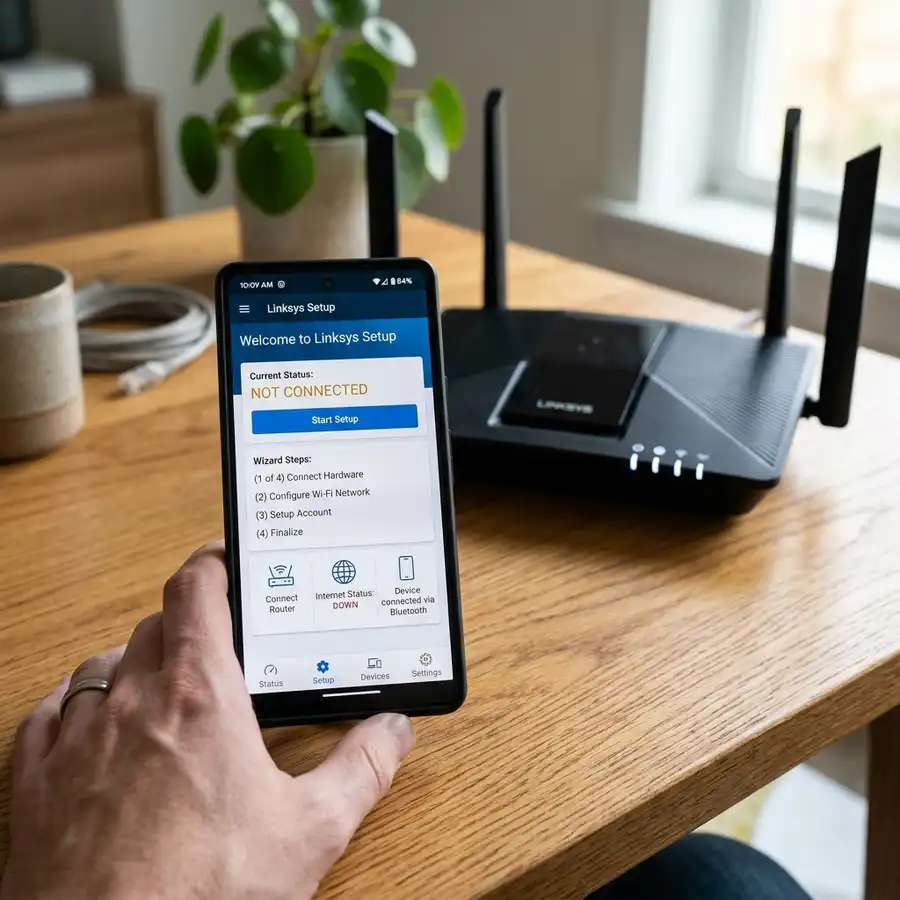
Access the router's admin panel through a web browser to configure 5GHz settings. It is important to enable the 5GHz band and set a unique SSID to distinguish it from the 2.4GHz network.
Adjusting channel settings can also help minimize interference. Selecting a less congested channel, such as 36 or 40, can lead to improved performance during VR streaming sessions.
Optimizing Network Settings for VR Streaming
Quality of Service (QoS) settings on the router can prioritize VR traffic, ensuring that bandwidth is allocated effectively. This feature is critical for maintaining low latency during immersive experiences.
Additionally, enabling UPnP (Universal Plug and Play) can facilitate smoother connections between the router and the Meta Quest headset. This reduces the chances of connectivity issues while streaming.
Positioning Your Router for Maximum Coverage
Router placement can greatly impact the strength and quality of the 5GHz signal. Ideally, the router should be positioned in a central location, elevated and free from obstructions.
Using extenders or mesh networks, like the Netgear Orbi, can help extend the 5GHz coverage throughout larger spaces. This ensures a consistent signal even in areas far from the main router.
Testing Your Connection Speed
After configuring the router, it is essential to test the internet connection speed. Tools like Ookla's Speedtest can help determine if the setup meets the requirements for smooth VR streaming.
Aiming for a minimum speed of 30 Mbps is recommended for an optimal VR experience. Higher speeds will enhance visual fidelity and reduce lag during gameplay.
Maintaining Your Wi-Fi Network
Regularly updating the router's firmware is crucial for security and performance improvements. This can help ensure that the latest features and fixes are applied to maintain an efficient network.
Periodic checks on connected devices can also help identify any unauthorized access, ensuring that bandwidth is reserved for VR streaming. Keeping the network secure enhances overall performance.
Exploring Advanced Features for Enhanced Performance
Many modern routers offer advanced features such as MU-MIMO (Multi-User Multiple Input Multiple Output) technology. This allows multiple devices to connect simultaneously without degrading the overall network performance.
Utilizing features like VPN passthrough can also enhance security while maintaining high speeds. This is particularly useful for users concerned about privacy during online gaming sessions.
How to Setup and Configure 5GHz Wi-Fi for Meta Quest Air Link Wireless VR Streaming
Setting up a 5GHz Wi-Fi network is essential for optimal performance when using Meta Quest Air Link for wireless VR streaming. This guide will help in configuring your router and ensuring a fast speed connection for an immersive experience.
Understanding 5GHz Wi-Fi
5GHz Wi-Fi offers higher speeds and less interference compared to 2.4GHz networks. This frequency is particularly advantageous in environments with multiple devices competing for bandwidth.
Requirements
- Router that supports 5GHz Wi-Fi
- Meta Quest headset with Air Link feature
- Compatible VR streaming software installed
Step 1: Check Router Capabilities
Ensure that the router supports dual-band functionality. Most modern routers have this capability, but verifying this will prevent future connectivity issues.
Step 2: Access Router Settings
To configure the router, connect to it via a web browser using the router's IP address. Common addresses include 192.168.1.1 or 192.168.0.1.
Step 3: Log in to the Router
Enter the administrator credentials. If the default username and password have not been changed, they can usually be found on the back of the router or in the user manual.
Step 4: Enable 5GHz Band
Locate the wireless settings section of the router interface. Enable the 5GHz band if it is not already activated.
Step 5: Configure SSID and Password
Set a unique SSID (network name) for the 5GHz band to differentiate it from the 2.4GHz network. Choose a strong password to enhance security.
Step 6: Adjust Channel Settings
For optimal performance, select a channel that is less congested. Channels 36, 40, 44, and 48 are popular choices for 5GHz networks.
Step 7: Enable Quality of Service (QoS)
QoS settings can prioritize VR traffic. This ensures that the Meta Quest receives the bandwidth it needs for smooth streaming.
Step 8: Connect Meta Quest to 5GHz Wi-Fi
On the Meta Quest headset, navigate to the Wi-Fi settings. Select the 5GHz SSID and enter the password to connect.
Step 9: Check Connection Speed
After connecting, it's advisable to run a speed test to ensure sufficient bandwidth for VR streaming. Aim for at least 50 Mbps for optimal performance.
Common Router Models for 5GHz Wi-Fi
| Router Model | Max Speed | Features |
|---|---|---|
| Netgear Nighthawk AX12 | 6000 Mbps | Wi-Fi 6, 12 streams, QoS |
| ASUS RT-AX88U | 6000 Mbps | Wi-Fi 6, Adaptive QoS, AiMesh |
| TP-Link Archer AX6000 | 5952 Mbps | Wi-Fi 6, 8 Gigabit ports, QoS |
| Linksys EA9500 | 5000 Mbps | Tri-band, Smart Connect, QoS |
Troubleshooting Connection Issues
If experiencing connectivity issues, consider relocating the router to a central location. This can eliminate potential obstacles and improve signal strength.
Reduce Interference
Keep the router away from devices that may cause interference, such as microwaves and cordless phones. This will enhance the overall Wi-Fi performance.
Using Ethernet for Stability
If possible, connect the VR streaming PC directly to the router using an Ethernet cable. This provides a stable connection, reducing lag and improving streaming quality.
Regular Firmware Updates
Keep the router's firmware updated to ensure optimal performance and security. Check the manufacturer's website for the latest updates.
Conclusion
Setting up 5GHz Wi-Fi for Meta Quest Air Link can significantly enhance the VR streaming experience. By following these steps, users can ensure a fast and stable connection for immersive virtual reality gaming.
Optimizing Your Router Placement for Better Signal Strength
Router placement plays a crucial role in achieving optimal Wi-Fi performance, especially for high-bandwidth applications like VR streaming. Positioning the router in a central location within your home can minimize dead zones and enhance signal strength.
Consider elevating the router on a shelf or mounting it on a wall to improve coverage. Avoid placing it near metal objects or electronic devices that could interfere with the signal.
Using a Wi-Fi analyzer app can help identify the best spot for your router. This ensures that your Meta Quest 2 or Pico 4 receives a strong and stable connection during immersive gaming sessions.
Understanding Bandwidth Requirements for VR Streaming
VR streaming demands a significant amount of bandwidth to deliver a smooth experience without lag. For devices like the Valve Index or HTC Vive Pro, a minimum of 25 Mbps is recommended for a seamless experience.
Multiple users streaming or gaming simultaneously can strain the network. Ensuring adequate bandwidth through your 5GHz network is essential for maintaining quality and reducing latency during virtual reality sessions.
Monitoring bandwidth usage in real time can help identify any issues. This proactive approach ensures that VR experiences remain uninterrupted and enjoyable.
Enhancing Security for Your 5GHz Network
Securing your 5GHz Wi-Fi network is vital to protect your devices from unauthorized access, especially with VR systems that require personal data. Utilizing WPA3 encryption is highly recommended for its robust security features.
Regularly updating router firmware is another essential step. This practice not only improves performance but also patches potential vulnerabilities that could be exploited.
Setting a strong password and changing it periodically can deter potential intruders. Implementing these security measures ensures that your virtual reality experiences remain safe and private.