How to Setup and Configure 5GHz Wi-Fi for Meta Quest Air Link Wireless VR Streaming (Router Connection)

How to Setup and Configure 5GHz Wi-Fi for Meta Quest Air Link Wireless VR Streaming (Router Connection)
Setting up a reliable 5GHz Wi-Fi connection for the Meta Quest Air Link can greatly enhance the virtual reality experience. This guide provides detailed steps to ensure optimal performance and minimal lag during VR streaming.
Understanding 5GHz Wi-Fi
The 5GHz Wi-Fi band offers faster speeds and reduced interference compared to the 2.4GHz band. This is particularly beneficial for applications like VR streaming, where high bandwidth and low latency are crucial.
Router Configuration for 5GHz Network
Before getting started, ensure that the router supports dual-band Wi-Fi. Most modern routers do, but checking specifications is always a good idea.
Accessing Router Settings
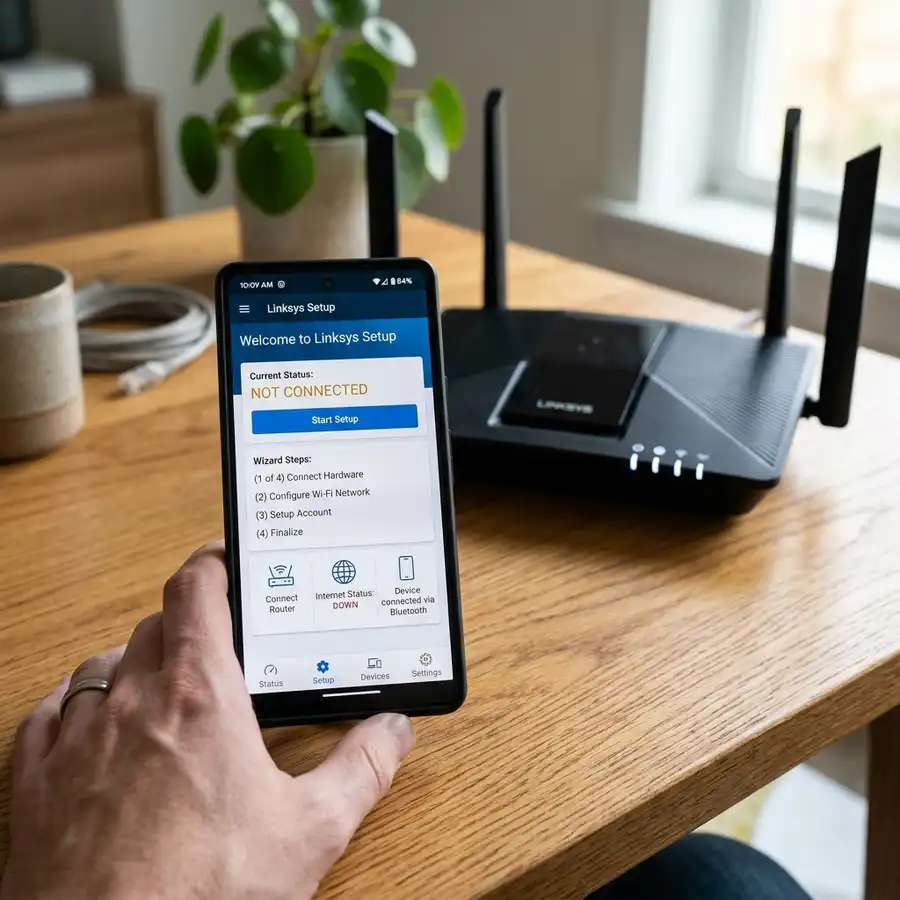
To begin, connect a device to the router via Ethernet or the existing Wi-Fi. Enter the router’s IP address into a web browser. This is typically 192.168.1.1 or 192.168.0.1.
Login Credentials
Input the username and password. Default credentials can often be found on the router or its manual. After logging in, navigate to the wireless settings section.
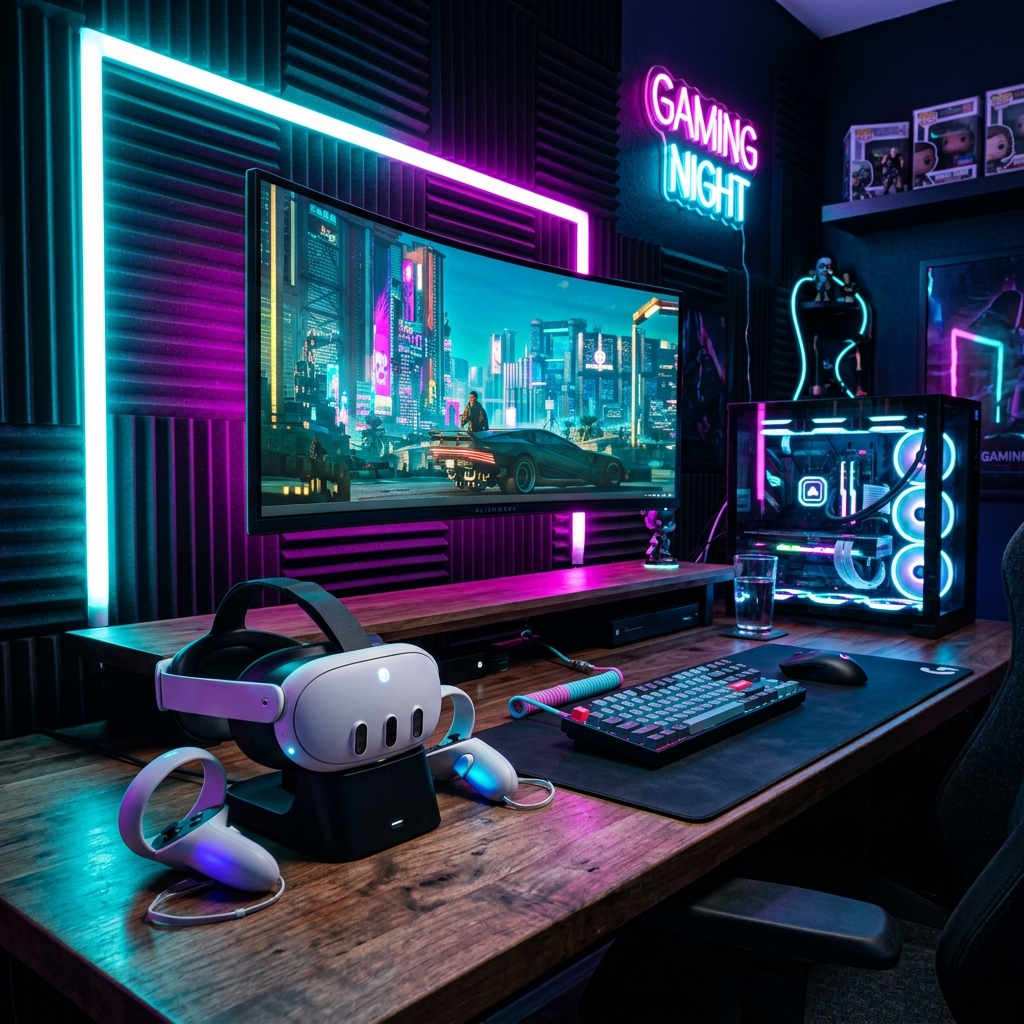
Setting Up the 5GHz Network
Locate the wireless settings for the 5GHz band. Enable the 5GHz network if it is not already activated.
SSID and Password
Assign a unique SSID (network name) for clarity. Choose a strong password to protect the network from unauthorized access.
Channel Selection
Select a channel that is less congested. Channels 36, 40, 44, and 48 are commonly recommended. Use a Wi-Fi analyzer app to find the best option.
Security Settings
Set the security mode to WPA3, if available. If not, WPA2 is still a secure choice. Avoid using WEP, as it is outdated and vulnerable.
Optimizing Router Placement
Position the router in a central location within the home. Avoid placing it near walls or large metal objects that can obstruct the signal.
Reducing Interference
Keep the router away from other electronic devices that may interfere with the Wi-Fi signal, such as microwaves and cordless phones.
Connecting Meta Quest to the 5GHz Network
Once the 5GHz network is configured, proceed to connect the Meta Quest. Go to the settings on the headset and select the network you created.
Testing the Connection
After connecting, run a speed test within the headset to ensure the connection meets the required bandwidth for streaming. A minimum of 25 Mbps is recommended for smooth performance.

Maintaining Your Network
Regularly check for firmware updates for the router. Keeping the firmware up to date can improve performance and security.
Network Monitoring
Utilize network monitoring tools to keep an eye on connected devices. This can help in managing bandwidth and ensuring the VR headset has priority access.
Comparing VR Headsets
| VR Headset | Resolution | Refresh Rate | Field of View | Price |
|---|---|---|---|---|
| Meta Quest 3 | 2064 x 2208 per eye | 120 Hz | 110° | buy Meta Quest 3 |
| HTC Vive Pro 2 | 2448 x 2448 per eye | 120 Hz | 110° | $799 |
| Oculus Rift S | 2560 x 1440 | 80 Hz | 110° | $399 |
| Pico Neo 3 | 3664 x 1920 per eye | 90 Hz | 110° | $499 |
| Valve Index | 1440 x 1600 per eye | 120 Hz | 130° | $999 |
Conclusion
Setting up and configuring a 5GHz Wi-Fi network for the Meta Quest Air Link can significantly improve the VR streaming experience. Following these steps ensures a solid connection, allowing for immersive gameplay without interruptions.
FAQ
What is the ideal speed for streaming VR content?
A speed of at least 25 Mbps is recommended for streaming VR content smoothly.
Can 2.4GHz Wi-Fi be used for Meta Quest Air Link?
While it is possible, using 5GHz Wi-Fi is recommended due to its higher speeds and lower latency.
How can interference be minimized?
Place the router in a central location away from walls and electronic devices that may cause interference.
Is a Wi-Fi extender beneficial for VR streaming?
A Wi-Fi extender can help improve coverage in larger homes, but it is best to connect the headset directly to the router for optimal performance.
What should be done if the connection is unstable?
Check router settings, ensure firmware is updated, and consider changing the channel to reduce interference.
Understanding 5GHz Wi-Fi Benefits for VR Streaming
5GHz Wi-Fi offers higher data rates and less interference, making it ideal for VR applications. This frequency band is less congested compared to 2.4GHz, providing a smoother streaming experience.
With lower latency and improved bandwidth, 5GHz ensures that the Meta Quest streaming experience remains immersive and fluid. Users can enjoy high-definition visuals without interruption or lag.
Choosing the Right Router for Meta Quest Air Link
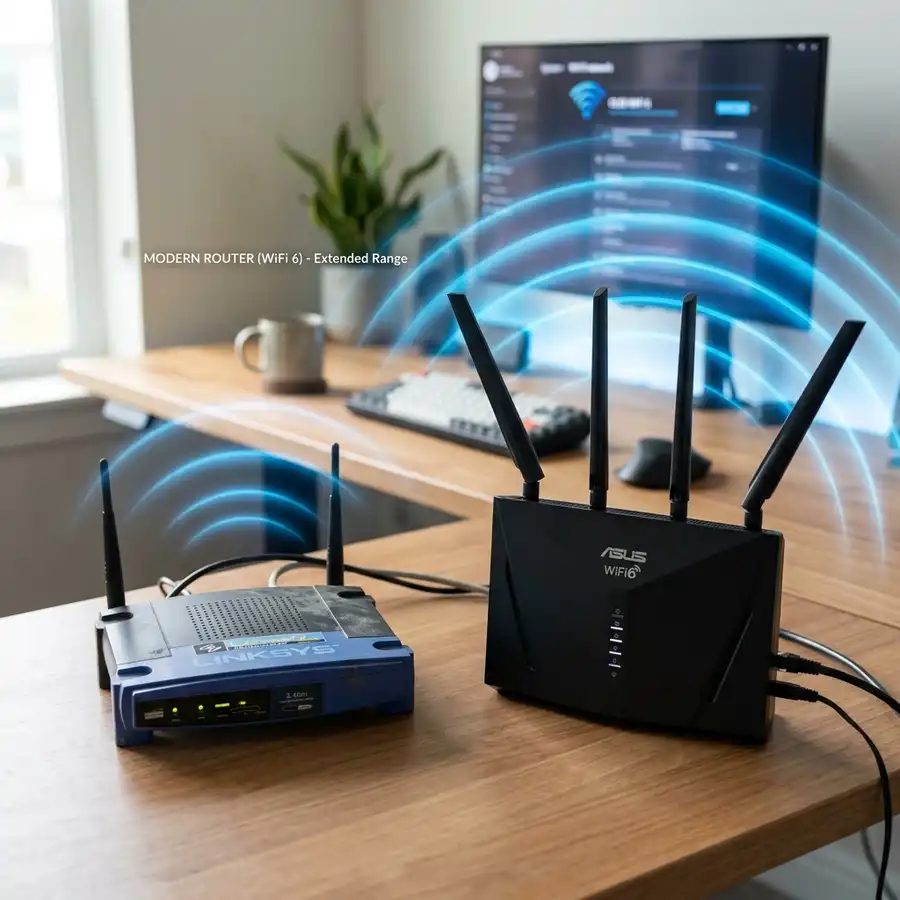
Selecting a router that supports Wi-Fi 5 or Wi-Fi 6 is crucial for optimal performance. Popular models like the ASUS RT-AX88U or NETGEAR Nighthawk AX12 are excellent choices for high-speed connectivity.
Ensure the router has multiple antennas and MU-MIMO technology to support simultaneous connections. This capability allows for better distribution of internet traffic across devices during VR sessions.
Configuring Router Settings for 5GHz Wi-Fi
Access the router’s settings through a web browser by entering the router's IP address. Navigate to the wireless settings section to enable and configure the 5GHz band.
Set the channel width to 40MHz or 80MHz for increased bandwidth, and choose a less crowded channel to minimize interference. This setup will enhance the overall performance of the Air Link streaming.
Optimizing Your Home Network for VR Streaming
Position the router in a central location to maximize 5GHz signal coverage throughout the space. Avoid placing the router near walls or obstructions that can weaken the signal.
Consider utilizing a Wi-Fi range extender or mesh network if large distances exist between the router and the VR headset. This step ensures a strong and consistent connection for uninterrupted streaming.
Testing Wi-Fi Speed and Stability for Air Link
Before starting a VR session, conduct a speed test to ensure the network provides adequate bandwidth. A minimum speed of 25 Mbps is recommended for smooth VR streaming on Meta Quest.
Monitor the connection stability by checking for packet loss or jitter, as these factors can affect the overall experience. A stable connection is essential for immersive VR gameplay.
Troubleshooting Common 5GHz Wi-Fi Issues
In case of connectivity issues, first check if the 5GHz band is enabled on the router. Restarting the router can often resolve minor connectivity problems.
If streaming remains problematic, adjusting the channel or moving closer to the router may help. Additionally, consider updating the router firmware for improved performance and security.
Enhancing VR Experience with Quality of Service (QoS)
Implementing Quality of Service (QoS) settings can prioritize VR traffic over other devices on the network. This adjustment ensures that the Meta Quest receives the necessary bandwidth for optimal performance.
Configure QoS settings through the router interface to give VR applications precedence. This strategic setup keeps the streaming experience smooth, even during heavy network use.
How to Setup and Configure 5GHz Wi-Fi for Meta Quest Air Link Wireless VR Streaming
Setting up a 5GHz Wi-Fi network for Meta Quest Air Link wireless VR streaming enhances the overall experience. The right configuration not only improves performance but also reduces latency, providing a seamless virtual reality experience.
Understanding 5GHz Wi-Fi
The 5GHz Wi-Fi band is known for its higher speeds and lower interference compared to the 2.4GHz band. It is particularly beneficial for activities requiring high bandwidth, such as VR streaming.
Router Requirements
Before configuring your 5GHz Wi-Fi, ensure that your router supports the 5GHz band. Most modern routers do, but it is important to verify specifications.
- Dual-band or Tri-band: A dual-band router can broadcast both 2.4GHz and 5GHz signals, while a tri-band router offers an additional 5GHz band for increased performance.
- Wi-Fi Standards: Look for routers supporting Wi-Fi 5 (802.11ac) or Wi-Fi 6 (802.11ax) for optimal performance.
Accessing Router Settings
To configure the 5GHz network, access the router's settings. This usually involves entering the router's IP address into a web browser.
- Common router IP addresses include:
- 192.168.1.1
- 192.168.0.1
- 10.0.0.1
Log in using the administrator credentials, often found on the router or in its manual.
Enabling 5GHz Wi-Fi
Navigate to the wireless settings section of the router's interface. Here, the option to enable the 5GHz band can be found.
- Look for a checkbox or toggle labeled “Enable 5GHz” or similar.
- Make sure to save changes before exiting the settings.
Configuring 5GHz Network Settings
For optimal performance, specific settings should be configured for the 5GHz network:
- SSID: Assign a unique SSID (network name) to distinguish the 5GHz band from the 2.4GHz band.
- Channel: Set the channel to 36, 40, 44, or 48, as these are commonly used for 5GHz Wi-Fi.
- Security: Use WPA3 for the highest level of security, or WPA2 if WPA3 is not available.
- Password: Choose a strong password that combines letters, numbers, and symbols.
Adjusting Channel Width
Channel width impacts the performance and range of the Wi-Fi signal. It can be configured in the wireless settings menu.
- 20MHz: Suitable for basic tasks, but less effective for VR streaming.
- 40MHz: A good balance between range and speed.
- 80MHz: Ideal for high-bandwidth applications like VR streaming, providing faster speeds.
Quality of Service (QoS) Settings
Quality of Service settings prioritize network traffic to enhance performance for specific applications, such as VR streaming.
- Enable QoS in the settings menu.
- Add devices like the Meta Quest headset to the priority list for optimal performance.
Optimizing Router Placement
The placement of the router significantly affects Wi-Fi performance. It is recommended to position the router in a central location within the streaming area.
- Avoid placing the router near walls, metal objects, or electronic devices that may cause interference.
- Elevating the router can also enhance signal strength.
Connecting Meta Quest to the 5GHz Network
Once the 5GHz Wi-Fi is configured, it is time to connect the Meta Quest headset.
- Power on the Meta Quest headset and navigate to the Settings menu.
- Select “Wi-Fi” and choose the newly created 5GHz SSID from the list.
- Enter the password and connect to the network.
Setting Up Air Link on Meta Quest
With the headset connected to the 5GHz network, Air Link can be set up for wireless VR streaming.
- Open the Settings in the Meta Quest and navigate to the “Experimental Features” section.
- Enable “Air Link” and follow the on-screen instructions to pair the headset with the gaming PC.
Router Firmware Updates
Keeping the router firmware up to date can improve performance and security. Regularly check for updates in the router settings.
- Most routers have an option for automatic updates; enabling this can streamline the process.
- Visit the router manufacturer’s website for specific update instructions if needed.
Testing Connection Stability
After the setup, it is crucial to test the connection stability. This can be done by launching a VR application after connecting to Air Link.
- Monitor for any latency or connection drops during gameplay.
- If issues arise, consider adjusting the router's position or settings.
Troubleshooting Common Issues
If problems occur during the setup or use of Air Link, several common issues can be addressed.
| Issue | Possible Solution |
|---|---|
| Lag in VR Streaming | Reduce the distance between the headset and router or switch to a higher channel width. |
| Connection Drops | Check for interference from other devices and ensure the router firmware is updated. |
| Inability to Connect to Air Link | Ensure both the headset and gaming PC are connected to the same 5GHz network. |
Conclusion
Setting up a 5GHz Wi-Fi for Meta Quest Air Link ensures a high-quality wireless VR streaming experience. Proper configuration and maintenance of the network can lead to immersive gaming without interruptions.